


Blog
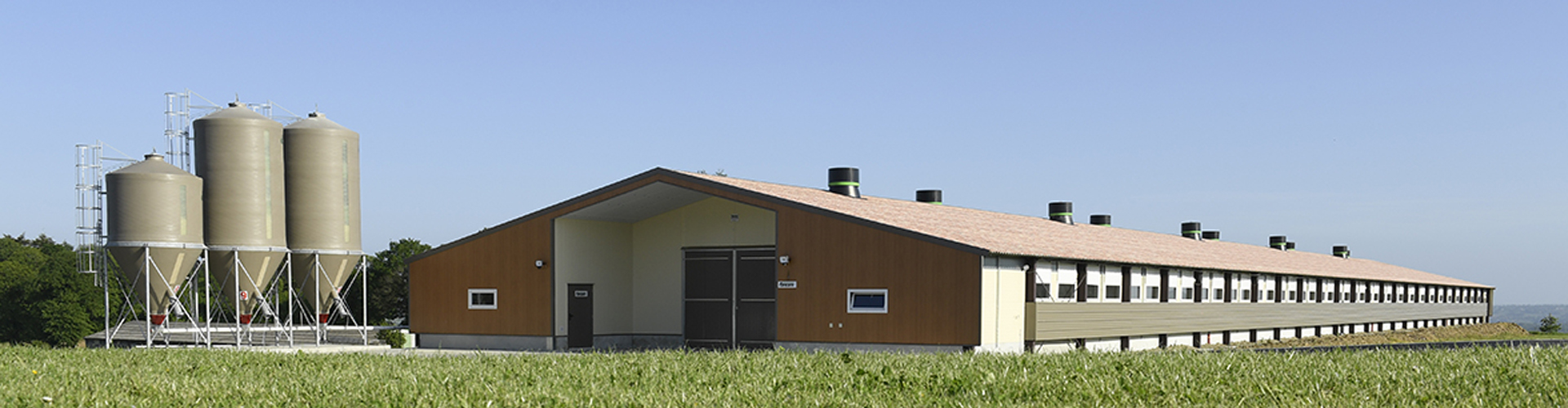
Poultry ventilation system defines modern poultry house performance stability.
Temperature control ventilation Installation ensures uniform airflow distribution inside broiler farms.
Poultry farm cooling pad system reduces heat stress during high-density production cycles.
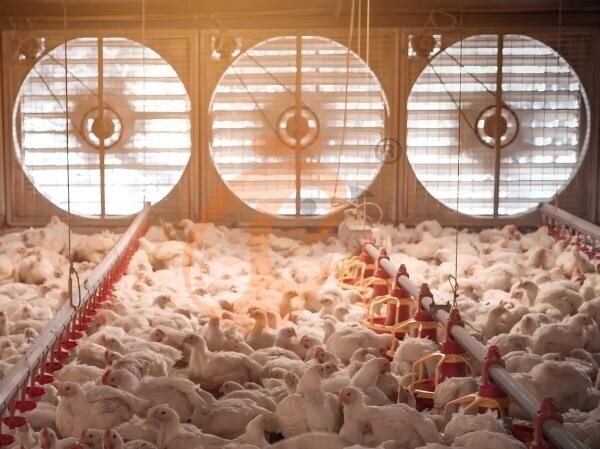
Mechanical ventilation fan system improves ammonia removal efficiency and air quality consistency.
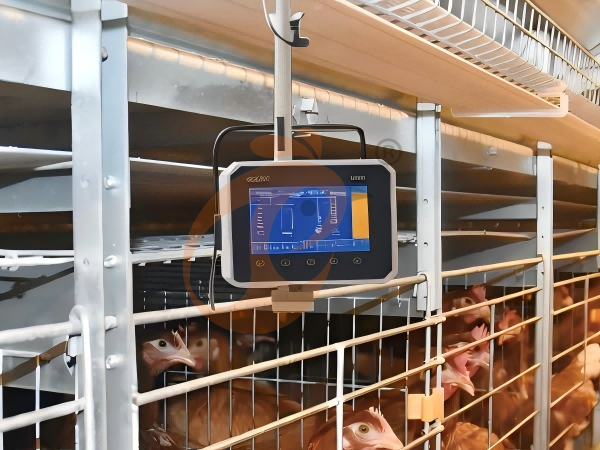
Automated climate controller supports real-time adjustment for poultry house environmental balance.
Get professional poultry farm construction guidance, equipment selection solutions, and the latest price lists, whatsApp to +8618830120193, click to learn more:
System Overview And Application Context
Temperature and ventilation installation tutorial step by step + popular frequently asked questions explains poultry farm environmental engineering as a controlled air exchange system rather than basic airflow movement.
Poultry ventilation system installation directly impacts broiler growth rate stability and survival performance across production cycles.
Modern poultry engineering uses measurable airflow and pressure balance to maintain biological comfort zones.
Installation precision determines whether poultry houses achieve stable production efficiency or unstable thermal fluctuation patterns.
Core Engineering Parameters For Poultry Ventilation
Proper poultry ventilation system design depends on quantified airflow performance standards.
These parameters ensure consistent heat removal from broiler houses under continuous metabolic load conditions.
Data is for reference only.Swipe horizontally to view full table.
These values ensure poultry ventilation system maintains consistent environmental control under fluctuating bird density loads.
Main Equipment Structure In Poultry Farms
Temperature and ventilation installation relies on coordinated mechanical equipment integration rather than isolated components.
Poultry ventilation system efficiency depends on correct matching between fans, inlets, and cooling pads.
Data is for reference only.Swipe horizontally to view full table.
Proper equipment alignment ensures poultry ventilation system operates with stable airflow continuity and reduced energy fluctuation.
Poultry House Layout Design Before Installation
Poultry farm ventilation layout design determines final airflow efficiency across full house length.
HVAC poultry ventilation system placement must follow structural geometry to avoid dead air zones.
Data is for reference only.Swipe horizontally to view full table.
Correct poultry ventilation system layout reduces thermal gradient variation and improves uniform bird growth conditions across entire poultry house.
Step By Step Installation Procedure
Temperature and ventilation installation requires structured engineering execution sequence to ensure mechanical stability and airflow accuracy.
Data is for reference only.Swipe horizontally to view full table.
Correct execution sequence ensures poultry ventilation system stability during full production cycle activation.
Environmental Control Mechanism In Poultry Systems
Poultry ventilation system operates through real-time feedback loops between sensors and controllers.
Temperature control ventilation installation ensures continuous adjustment of airflow and cooling output based on internal heat load variations.
Data is for reference only.Swipe horizontally to view full table.
Stable poultry ventilation system performance depends on synchronization speed rather than isolated equipment strength.
Airflow Distribution Model In Poultry Houses
Uniform airflow distribution ensures poultry ventilation system eliminates localized heat accumulation zones.
Proper airflow balancing improves feed conversion efficiency and reduces stress-related mortality rates.
Data is for reference only.Swipe horizontally to view full table.
Balanced airflow structure improves poultry ventilation system consistency across entire production environment.
Scientific Principle Behind Poultry Ventilation
Temperature and ventilation installation is based on thermodynamic energy transfer principles.
Poultry ventilation system removes metabolic heat through convection, evaporation, and pressure-driven air movement.
Key scientific mechanisms include convection heat transfer across bird surface layers.
Evaporative cooling through moisture exchange stabilizes internal humidity conditions.
Gas dilution reduces ammonia and CO₂ concentration inside poultry houses.
Correct engineering application ensures poultry ventilation system maintains biological equilibrium under high-density production conditions.
Material Specification For Poultry Ventilation System
Durability of poultry ventilation system depends on material resistance against humidity, ammonia, and continuous airflow friction.
Data is for reference only.Swipe horizontally to view full table.
Material selection ensures poultry ventilation system long-term operational stability in high humidity poultry environments.
Common Installation Errors In Poultry Farms
Improper poultry ventilation system installation leads to airflow imbalance and unstable thermal distribution inside poultry houses.
Data is for reference only.Swipe horizontally to view full table.
Correct installation improves poultry ventilation system efficiency and reduces long-term operational cost.
Energy Consumption And Operational Metrics
European union standard reference only.
Poultry ventilation system energy usage must be optimized to reduce operational cost per production cycle while maintaining environmental stability.
Data is for reference only.Swipe horizontally to view full table.
Efficient poultry ventilation system design reduces energy waste while maintaining stable environmental conditions.
Practical Optimization Strategies
Post-installation optimization ensures poultry ventilation system maintains consistent long-term performance across multiple production cycles.
Align airflow direction with dominant external wind pressure.
Clean exhaust fan blades every 14–21 days.
Calibrate temperature sensors before each production cycle.
Maintain static pressure range 30–40 Pa.
Control ammonia concentration below 20 ppm.
Ensure backup power capacity exceeds full system load.
Proper optimization improves poultry ventilation system stability and reduces operational risk.
Frequently Asked Questions
Q1: What is optimal fan spacing in poultry ventilation system installation?
A1: Recommended spacing is 8–12 meters depending on house length and bird density, ensuring uniform airflow distribution and stable pressure balance.
Q2: What temperature range supports broiler performance stability?
A2: Optimal poultry house temperature ranges from 20°C to 26°C depending on growth stage, maintaining consistent feed conversion efficiency and minimizing heat stress.
Q3: What is typical airflow capacity requirement per bird?
A3: Standard poultry ventilation system design requires 4.5–7.5 m³/h per bird to ensure sufficient oxygen supply and ammonia removal under high-density conditions.
Taiyu (HK) Group - One Of China Biggest Poultry Ventilation System Manufacturer
Poultry ventilation system engineered for commercial broiler and layer house environmental control precision and stable airflow distribution performance across large-scale farms.
Global factory direct supply ensures cost efficiency, standardized manufacturing quality, and consistent poultry equipment performance for international poultry farming projects.
Complete poultry equipment solutions include exhaust fans, cooling pads, controllers, and integrated ventilation installation engineering support for modern farms.
Poultry cage and ventilation integrated system design supports high-density farming efficiency with optimized airflow and temperature balance control technology.
Professional turn-key engineering service provides full poultry house planning, installation guidance, and long-term technical support for global livestock projects.
Contact Us To Received Your Customized Poultry Farm Plan
Headquarters And Branchs
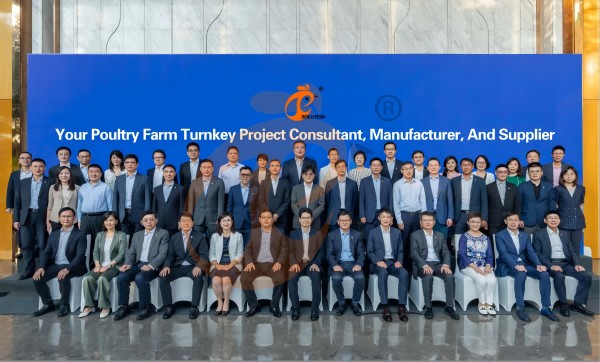
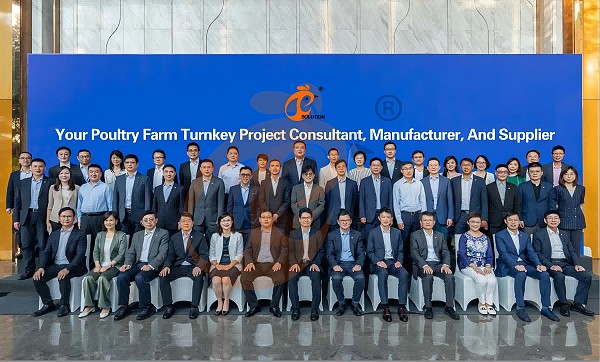
Hong Kong Headquarter Management Team
Hong Kong Headquarter Taiyu Industrial Group CO., LTD
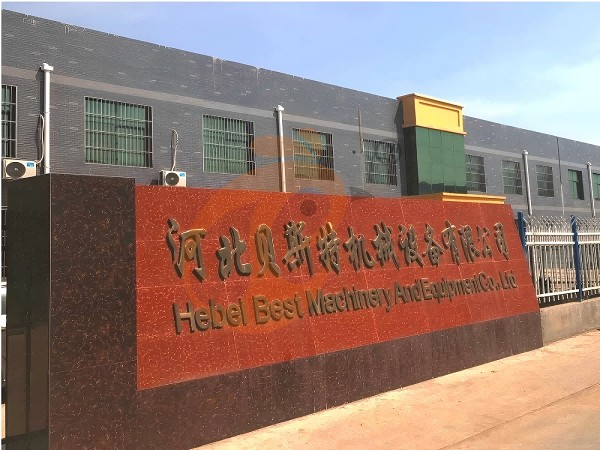
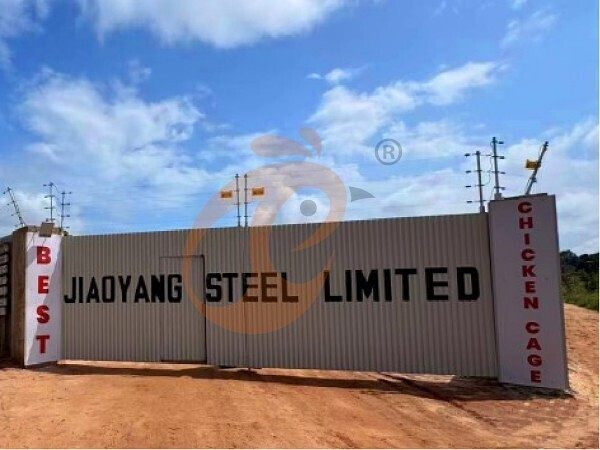
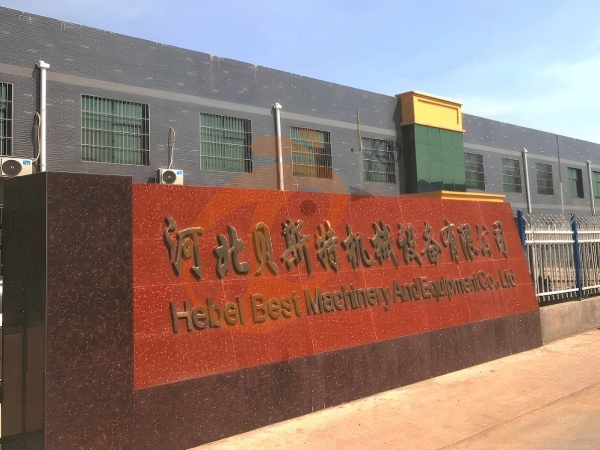
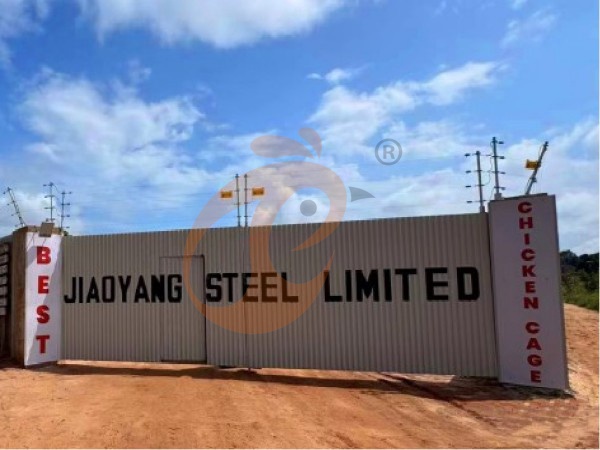
China Hebei Best Machinery And Equipment CO., LTD
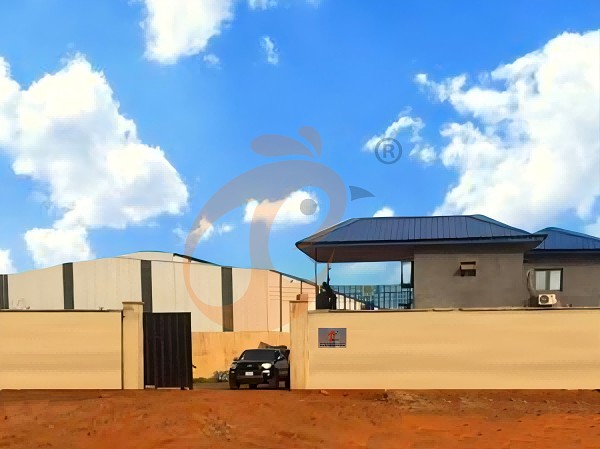
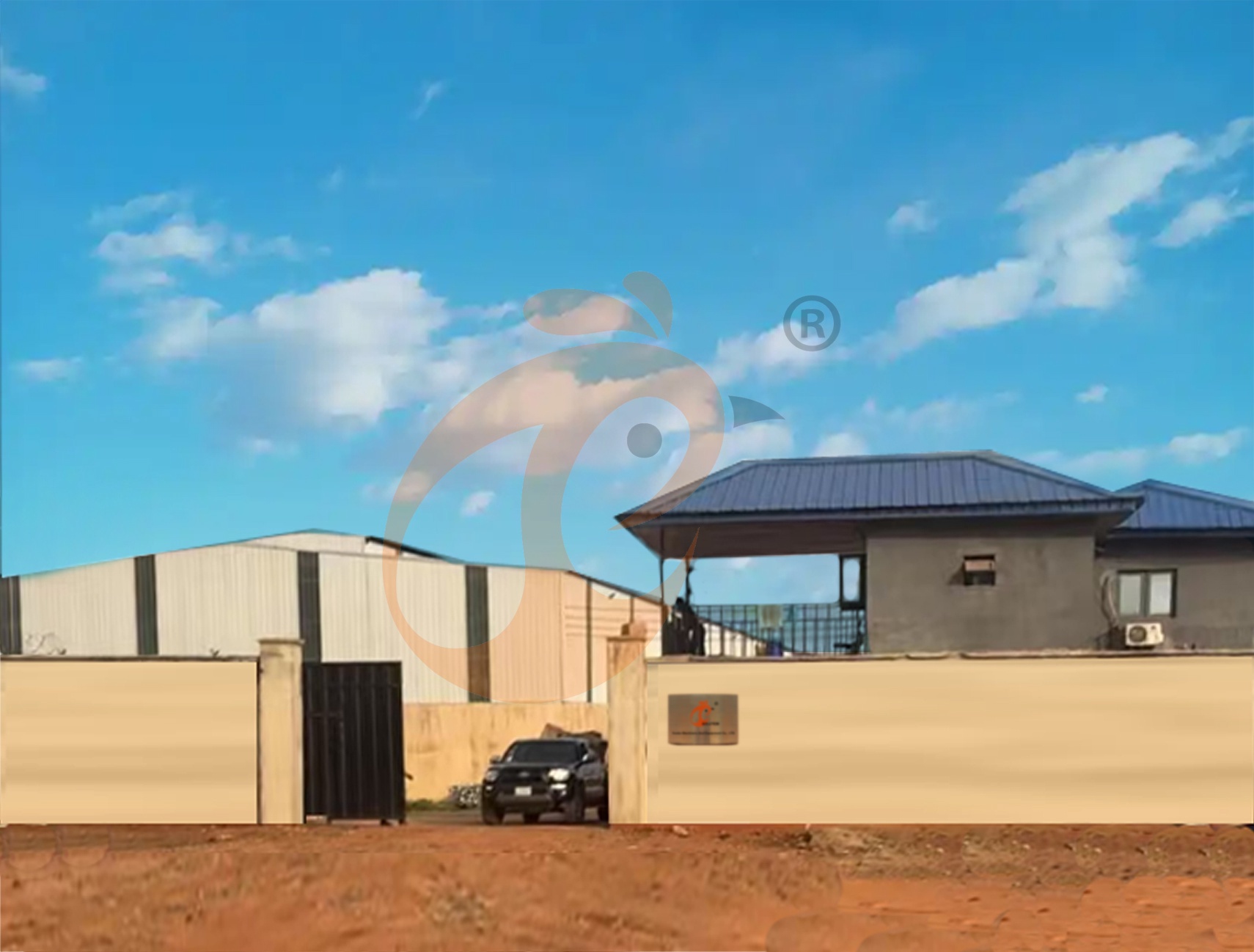
Nigeria Vanke Machinery And Equipment CO., LTD
Tanzania Best Machinery And Equipment CO., LTD
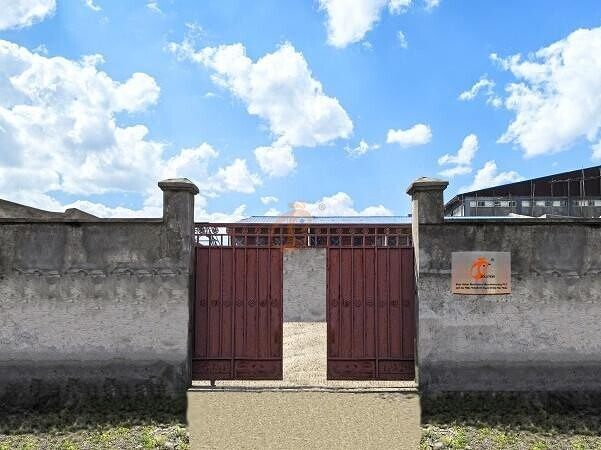
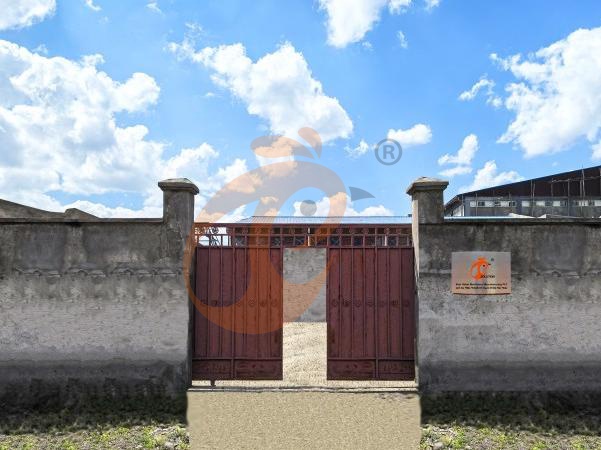
Ethiopia Best Hebei Machinery Manufacturing PLC
Reception /24 WhatsApp NO. : +8618830120193
FAQ
How Does Negative Pressure Ventilation Improve Air Quality In Poultry Chicken Houses?
Air exchange efficiency improves by 15–25%, reducing ammonia concentration below 25 ppm in intensive broiler systems.
Controlled inlet air velocity of 3.5–5.0 meters per second enhances mixing efficiency and eliminates cold air drafts.
What Is The Energy Consumption Of Environmental Control Systems In Poultry Chicken Farms?
High-efficiency fans consume 0.025–0.040 kWh per cubic meter airflow, reducing operational costs by 18–25%.
Variable speed drives optimize power consumption, lowering peak energy demand by 20–30% during partial load conditions.
How Do Cooling Systems Maintain Temperature In Poultry Chicken Houses During Summer?
Water flow rates of 6–10 liters per minute per meter pad length ensure uniform wetting efficiency above 95%.
Cooling efficiency reaches 70–85% with airflow rates exceeding 2.8 meters per second in tunnel-ventilated poultry houses.
- poultry farm
- poultry farms
- poultry house
- poultry cage
- cage
- poultry farm construction
- poultry farm ventilation
- poultry farm cooling
- poultry house layout
- poultry equipment
- chickencage
- bestchickencage
- Nigeria
- broiler farm
- poultry farming
- poultry ventilation system
- poultry ventilation system manufacturer
- modern poultry house
- poultry ventilation system design
- poultry ventilation system installation
- poultry ventilation system efficiency
- poultry house performance
- poultry farm ventilation layout
- poultry house layout design
- poultry farm plan
- poultry farm environment
- poultry house planning
- Ethiopia
Message
Products recommended
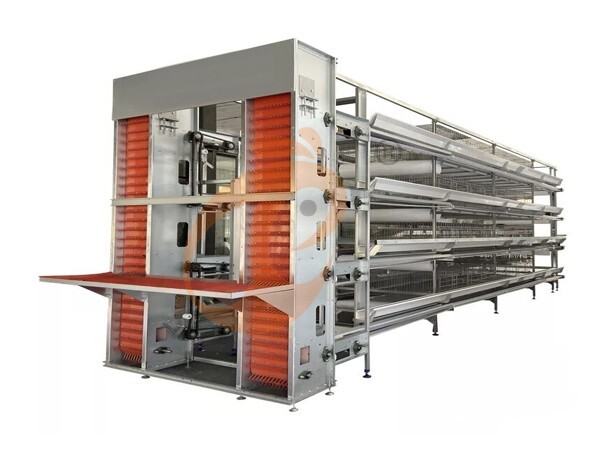
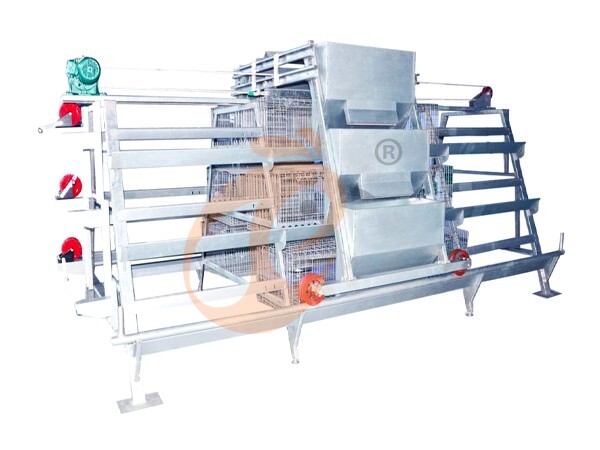
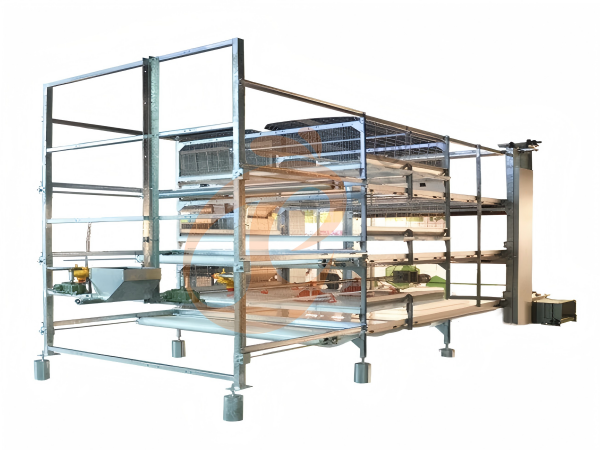
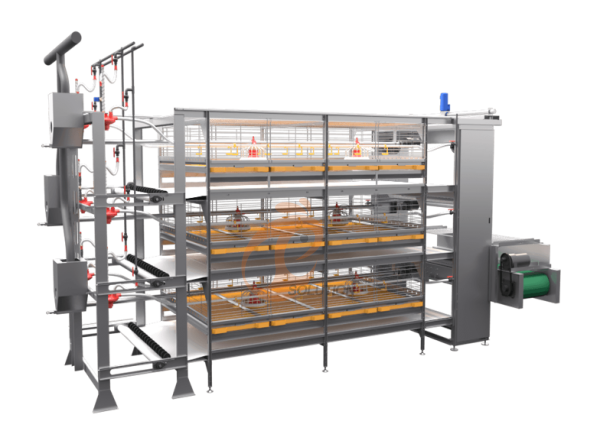
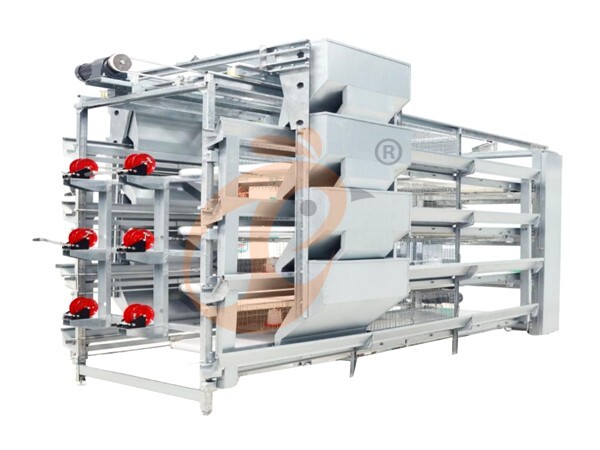
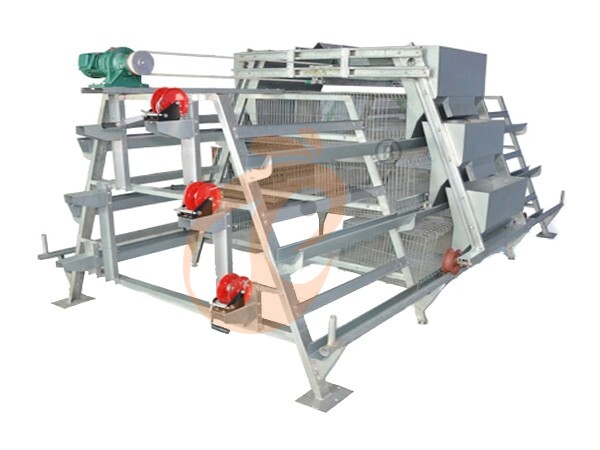
 >30,000 Pullets Automatic H Type Battery Cage1. More than 30,000 pullets a house, choose it.
2. It is designed to rearing older than 1 day old pullets to 12 to 16 weeks old chicken starting laying eggs.
3. Its lifespan is more than 25 years.
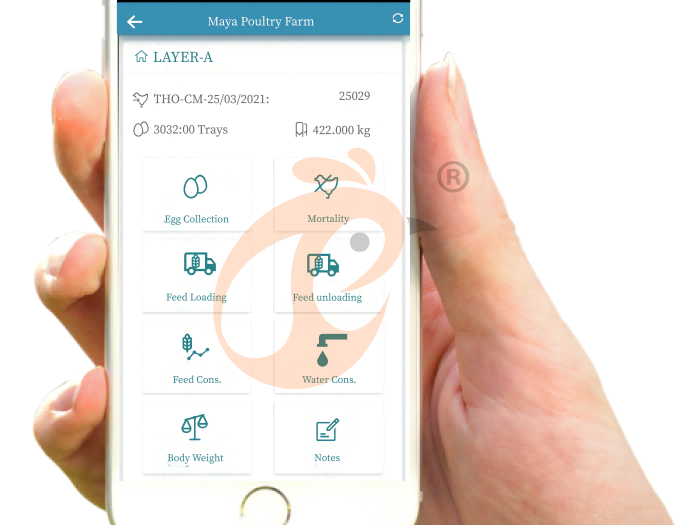
4. Its structure are Vcloud artificial intelligent fusion, electric control cabinet, automatic equipment of drinking, feeding, manure clean, manual harvesting.
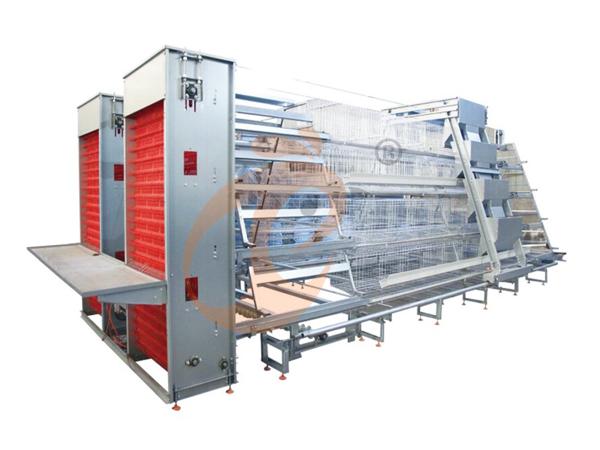
5. Our 24 hour online reception What’sApp NO. is +8618830120193 <30,000 Pullets Automatic A Type Battery Cage1. 10,000 to 30,000 pullets a house, choose it.
2. It is designed to rearing older than 1 day old pullets to 12 to 16 weeks old chicken starting laying eggs.
3. Its lifespan is more than 25 years.
4. Its structure are Vcloud artificial intelligent fusion, electric control cabinet, automatic equipment of drinking, feeding, manure clean, manual harvesting.
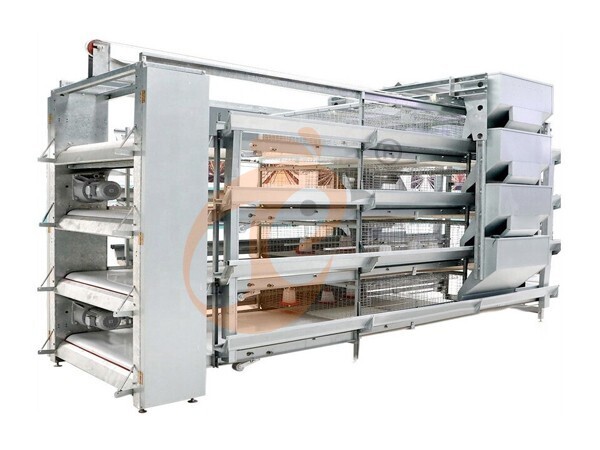
5. Our 24 hour online reception What’sApp NO. is +86 18830120193. >30,000 Broilers Semi-Automatic Harvest H Type Battery Cage1. More than 30,000 broilers a house, choose it.
2. It is designed to rearing 1 to 45 day old adult broiler ready for market.
3. Its lifespan is more than 20 years.
4. Our 24 hour online reception What’sApp NO. is +8618830120193, +234 8111199996. >30,000 Broilers Manual Harvest H Type Battery Cage1. More than 30,000 broilers a house, choose it.
2. It is designed to rearing 1 to 45 day old adult broiler ready for market.
3. Its lifespan is more than 20 years.
4. Its structure are Vcloud artificial intelligent fusion, electric control cabinet, automatic equipment of drinking, feeding and manure clean, manual harvesting.
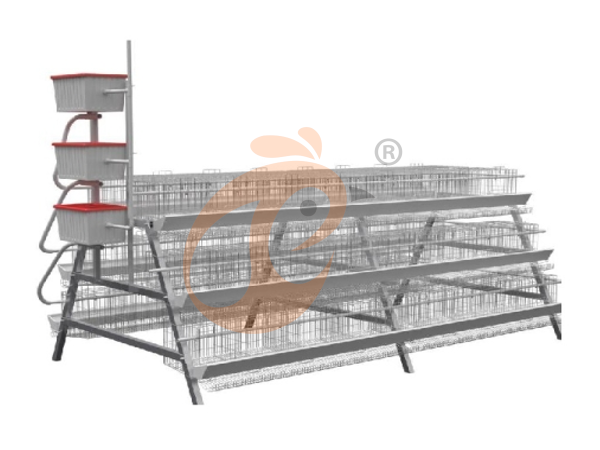
5. Our 24 hour online reception What’sApp NO. is +8618830120193, +234 8111199996. <30,000 Broilers Manual Harvest A Type Battery Cage1. Less 30,000 broilers a house, choose it.
2. It is designed to rearing 1 to 45 day old adult broiler ready for market.
3. Its lifespan is more than 20 years.
4. Its structure are Vcloud artificial intelligent fusion, electric control cabinet, automatic equipment of drinking, feeding and manure clean, manual harvesting.
5. Our 24 hour online reception What’sApp NO. is +8618830120193, +234 8111199996. HK Headquarter Offers EU-standard Poultry Farm Solutions, Manufacture Poultry Farm Equipment1. Continuous communication with the EU and the US
2. China, Nigeria, Ethiopia, Tanzania branch companies and factories
3. The products’ quality is customized for local poultry farms
4. Poultry cage and poultry farm equipment stock for sale
5. 24 online reception Whatsapp NO. : +8618830120193,contact us to get full information China Branch Offer Poultry Farm Business Plan, Manufacture Poultry Farm Equipment1. Address: Flat/RM 2416, 24/F, Runxing Building, Youyi Nan Street, Shijiazhuang City, Hebei Province, China
2. Poultry cage and poultry farm equipment factory and stock for sale
3. Customized for local poultry farms
4. Quality and design are based on Euro
5. 24 online reception Whatsapp NO. : +8618830120193 Nigeria Branch Offer Poultry Farm Business Plan, Manufacture Poultry Farm Equipment1. Address: After Sinoma Office, 200 Meters Near Danco Filling Station, Lagos/Ibadan Expressway, Lagos State, Nigeria
2. Poultry cage and poultry farm equipment factory and stock for sale
3. Customized for Nigerian poultry farms
4. Quality and design are based on Euro
5. 24 online reception Whatsapp NO. : +8618830120193 Ethiopia Branch Offer Poultry Farm Business Plan, Manufacture Poultry Farm Equipment1. Address: Gelan Gura, Akaki-kaliti Sub City, Addis Ababa, Ethiopia
2. Poultry cage and poultry farm equipment stock for sale
3. Customized for Ethiopian poultry farms
4. Quality and design are based on Euro
5. 24 online reception Whatsapp NO. : +8618830120193, contact us to get price list Tanzania Branch Offer Poultry Farm Business Plan, Manufacture Poultry Farm Equipment1. Address: No.8, Sova Road, Msufini, Mlandizi, Kibaha, Pwani, Tanzania
2. Poultry cage and poultry farm equipment factory and stock for sale
3. Customized for Tanzanian poultry farms
4. Quality and design are based on Euro
5. 24 online reception Whatsapp NO. : +8618830120193




Contact