


Blog
Pralson feeders support quieter poultry feeding through controlled mechanical operation, with practical checks covering sound, vibration, alignment, and feed movement during commercial production cycles.
Poultry feeders benefit from accurate installation, scheduled inspection, and measurable mechanical standards, helping commercial houses maintain stable feeding across repeated production periods.
Automatic chicken feeders require balanced feed delivery and properly maintained drive components, while measurable temperature and vibration readings provide objective equipment-condition references.
Chain feeding systems perform more consistently when suspension, transmission, and feed-flow conditions remain controlled, reducing unnecessary movement during programmed feeding periods.
Pralson feeders combine equipment engineering with maintenance-oriented management, creating a practical route toward quieter operation, dependable feed delivery, and controlled equipment performance.
Get professional poultry farm construction guidance, equipment selection solutions, and the latest price lists, whatsApp to +8618830120193, click to learn more:
Inspect The Drive System With Measurable Standards
Data is for reference only.Swipe horizontally to view full table.
Pralson feeders rely on coordinated motors, gearboxes, sprockets, chains, and bearings, so abnormal sound should be traced through the complete transmission path.
Poultry feeders can develop additional mechanical noise when component contact, shaft eccentricity, or bearing deterioration changes operating behavior.
Automatic chicken feeders should therefore be evaluated against model-specific specifications rather than subjective descriptions such as “too noisy.”
Installation Parameters For Noise-Controlled Feeder Lines
Data is for reference only.Swipe horizontally to view full table.
Pralson feeders should be installed according to the selected model, house dimensions, line length, and structural configuration.
Poultry feeders gain operational stability when support geometry is established during project design rather than corrected after commissioning.
Automatic chicken feeders also benefit from documented installation procedures, reducing adjustment time during initial equipment testing.
Control Feed Movement Instead Of Treating Every Sound As A Mechanical Failure
Start With The Feed Path
Pralson feeders can generate secondary movement when feed accumulation, irregular distribution, or unsuitable entry conditions disturb normal conveying behavior.
Poultry feeders should therefore be evaluated together with feed-flow conditions, with reference conveying capacities around 400–900 kg/h depending on system configuration.
Automatic chicken feeders require coordinated hopper, line, outlet, and control operation so feed movement remains consistent during programmed feeding.
Data is for reference only.Swipe horizontally to view full table.
Pralson feeders should be matched with flock size, feed formulation, house dimensions, and required conveying performance.
Poultry feeders with correctly selected conveying capacity can reduce unnecessary mechanical loading during routine production.
Automatic chicken feeders also provide stronger commercial value when capacity and configuration are specified before project installation.
Replace Reactive Maintenance With Scheduled Measurement
Measure → Compare → Document → Adjust → Verify
Pralson feeders should enter a scheduled maintenance program before abnormal sound becomes a breakdown event.
Poultry feeders can be monitored through temperature, electrical condition, component wear, and lubrication records, with inspection intervals determined by production intensity and equipment configuration.
Automatic chicken feeders also benefit from baseline records because technicians can compare later measurements against original commissioning data instead of relying only on operator perception.
Preventive-Maintenance Technical Schedule
Data is for reference only.Swipe horizontally to view full table.
Pralson feeders become easier to manage when maintenance standards are numerical and repeatable across different technicians.
Poultry feeders can then be assessed consistently across multiple houses, while recorded measurements support planned component replacement.
Automatic chicken feeders gain operational reliability when maintenance records remain linked to individual lines and production cycles.
Vibration-Diagnosis Parameters
Data is for reference only.Swipe horizontally to view full table.
Pralson feeders should be measured under consistent operating conditions because load, temperature, speed, and line configuration can influence vibration behavior.
Poultry feeders require comparable measurement conditions when technicians evaluate changes between commissioning and later production cycles.
Automatic chicken feeders can therefore support a more systematic equipment-service process when vibration data accompanies routine inspection records.
Noise Troubleshooting Matrix With Quantifiable Criteria
Data is for reference only.Swipe horizontally to view full table.
Pralson feeders should be evaluated at a defined measurement distance and operating condition because sound pressure changes with environment and equipment loading.
Poultry feeders can use quantified sound, vibration, temperature, and movement data to replace subjective reports with serviceable technical information.
Automatic chicken feeders become easier to troubleshoot when operators report measured conditions together with the affected feeding line.
Build A Quieter Feeding System With Pralson
Pralson feeders achieve quieter operation through coordinated drive inspection, installation control, feed-flow management, preventive maintenance, and vibration correction.
Poultry feeders should be selected according to conveying requirements, structural layout, flock capacity, and long-term service conditions.
Automatic chicken feeders provide greater equipment value when mechanical performance and maintenance requirements are considered during the original project design.
Chain feeding systems should therefore be evaluated as complete assemblies rather than isolated motors, troughs, chains, or feeder pans.
Pralson feeders offer a practical equipment direction for commercial poultry houses seeking stable feed delivery and measurable mechanical performance.
Frequently Asked Questions
Q1: How can pralson feeders reduce operating noise?
Pralson feeders reduce unnecessary noise through correct alignment, controlled feed movement, maintained drive components, and vibration-source correction.
A measured sound level around 70 dB(A) at 1 m can serve as a reference under specified test conditions.
Q2: What should be checked when a pralson feeder becomes noisy?
Pralson feeders should first be checked for drive condition, chain movement, suspension stability, bearing condition, and structural contact.
A vibration reading above approximately 4.5 mm/s RMS warrants closer mechanical inspection.
Q3: Can maintenance improve pralson feeder reliability?
Pralson feeders can benefit from scheduled measurement because gradual component changes become visible before complete equipment failure.
Recording measurements every 30–90 days provides a practical framework for identifying developing mechanical problems.
Taiyu (HK) Group - One Of China Largest Pralson Feeders Manufacturer
Pralson feeders provide automated poultry feeding with 400–900 kg/h conveying capacity and controlled mechanical operation for commercial production projects.
Global factory direct supply integrates manufacturing, equipment configuration, technical documentation, and production coordination for international poultry-equipment projects.
Poultry equipment solutions cover feeding, drinking, environmental control, housing, and related automated systems for commercial poultry production.
Turn-Key engineering coordinates equipment selection, layout planning, installation guidance, commissioning, and technical support according to project requirements.
International project delivery supports complete poultry-house equipment packages with engineering specifications, component coordination, production scheduling, and export-oriented service.
Contact Us To Received Your Customized Poultry Farm Plan
Headquarters And Branchs

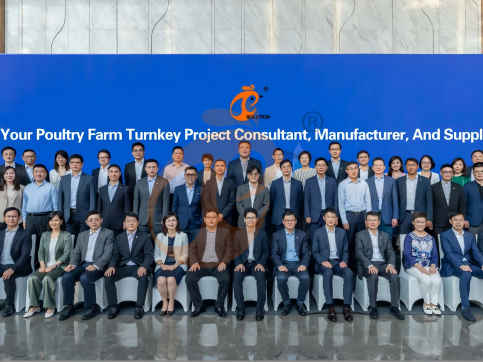
Hong Kong Headquarter Management Team
Hong Kong Headquarter Taiyu Industrial Group CO., LTD
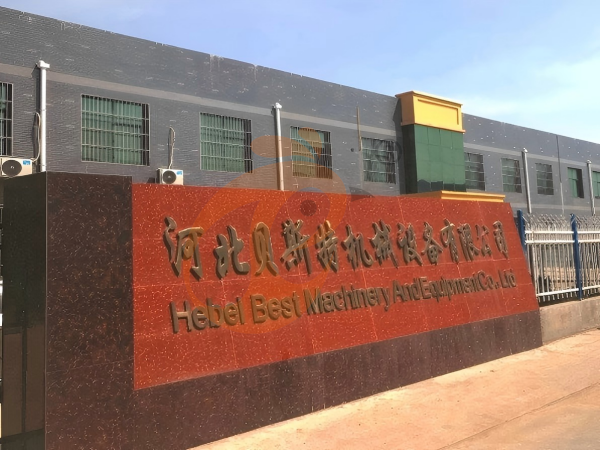
China Hebei Best Machinery And Equipment CO., LTD
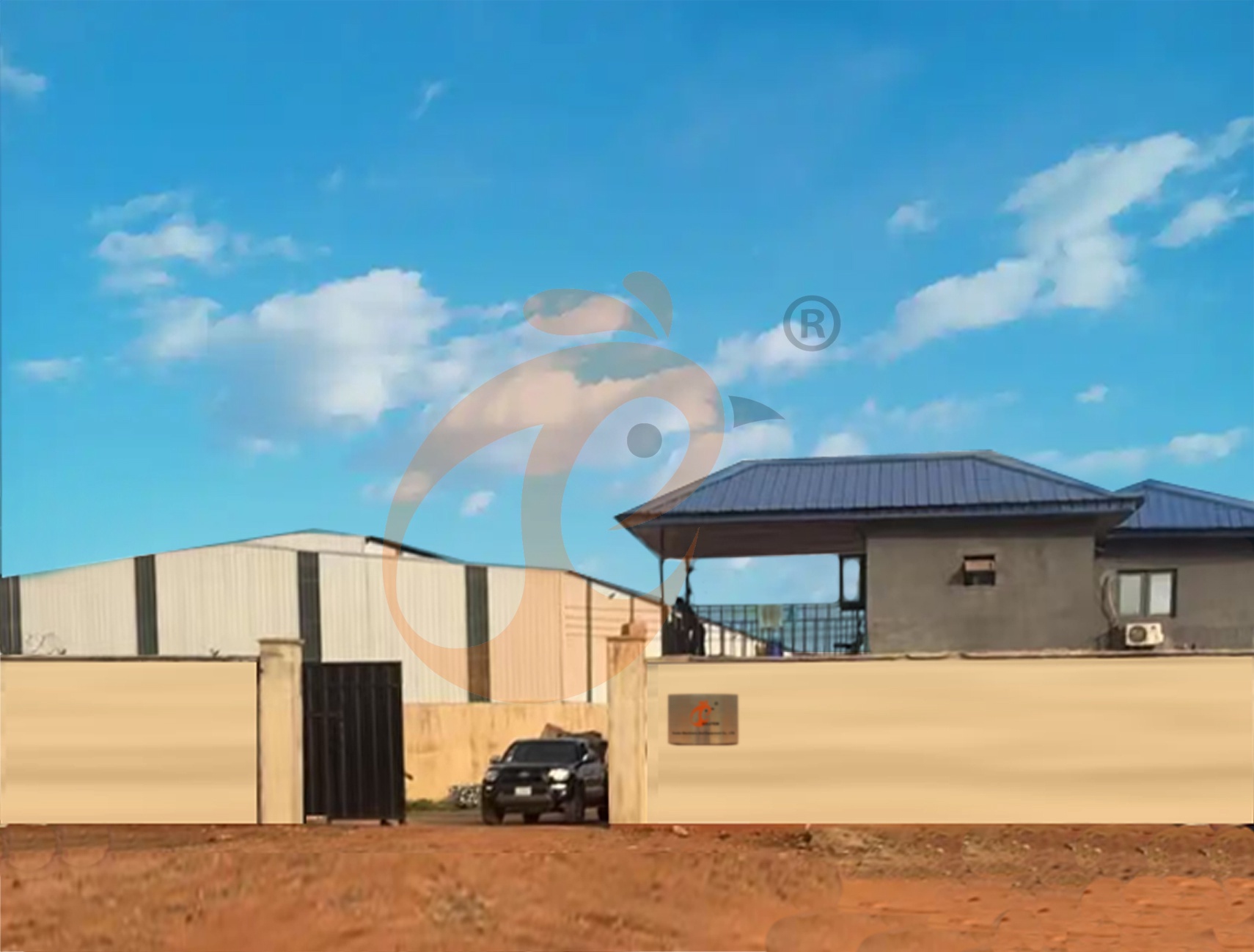
Nigeria Vanke Machinery And Equipment CO., LTD
Tanzania Best Machinery And Equipment CO., LTD
Ethiopia Best Hebei Machinery Manufacturing PLC




Reception /24 WhatsApp NO. : +8618830120193
FAQ
What Are The Water Filtration Requirements For Plasson Poultry Equipment?
Suspended solid concentration is controlled below 40 mg per liter for system stability.
Backwash flow rate reaches 1.5–2.0 m³ per hour for effective filter regeneration.
What Are The Pipeline Dimension Standards In Plasson Poultry Equipment?
Branch lines operate with 16–20 mm diameter for balanced pressure across drinking points.
Maximum pipeline length per zone reaches 80–120 meters without pressure loss impact.
What Are The Bird Age Adaptation Settings In Plasson Poultry Equipment
Water flow sensitivity is adjusted to 60–100 ml per minute for different age groups.
Bird access spacing is optimized at 8–15 birds per nipple depending on growth phase.
Message
Products recommended
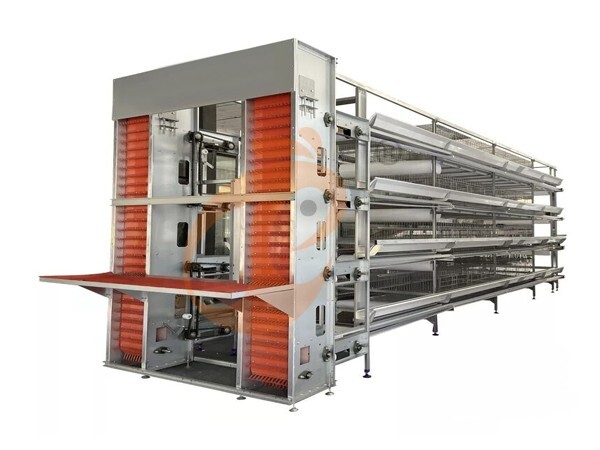
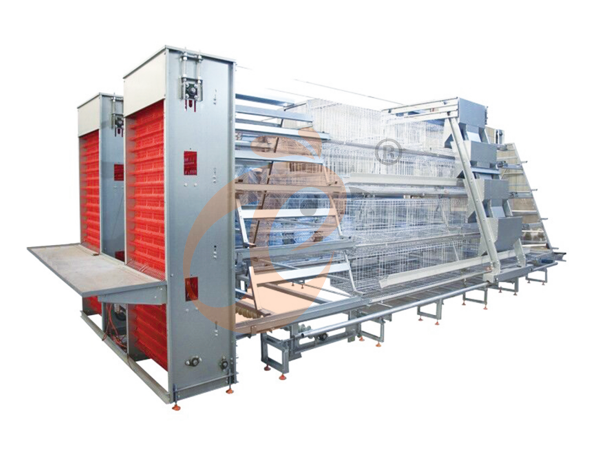
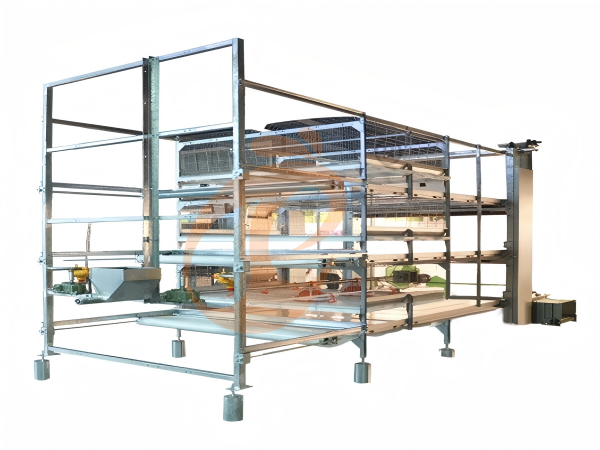
 >30,000 Pullets Automatic H Type Battery Cage1. More than 30,000 pullets a house, choose it.
2. It is designed to rearing older than 1 day old pullets to 12 to 16 weeks old chicken starting laying eggs.
3. Its lifespan is more than 25 years.
4. Its structure are Vcloud artificial intelligent fusion, electric control cabinet, automatic equipment of drinking, feeding, manure clean, manual harvesting.
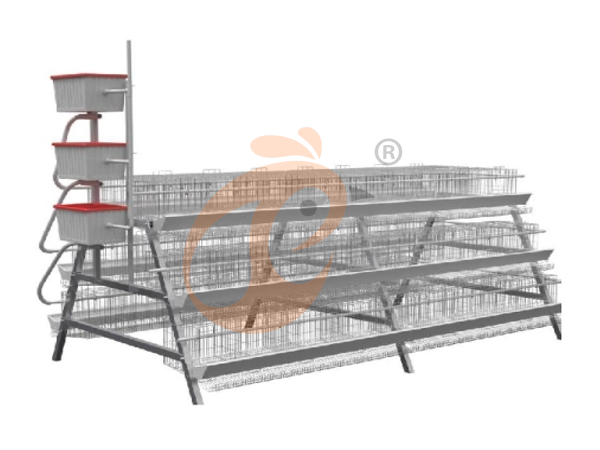
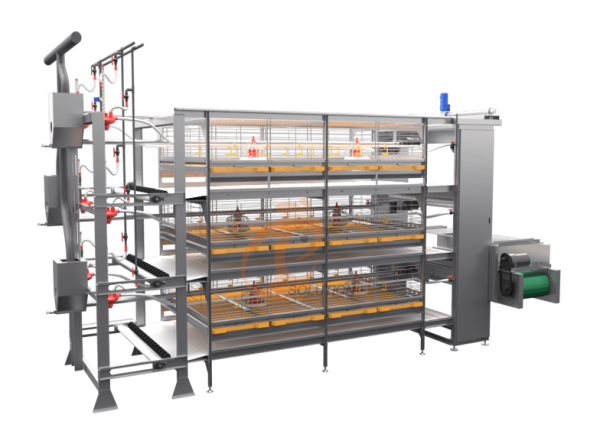
5. Our 24 hour online reception What’sApp NO. is +8618830120193 <30,000 Pullets Automatic A Type Battery Cage1. 10,000 to 30,000 pullets a house, choose it.
2. It is designed to rearing older than 1 day old pullets to 12 to 16 weeks old chicken starting laying eggs.
3. Its lifespan is more than 25 years.
4. Its structure are Vcloud artificial intelligent fusion, electric control cabinet, automatic equipment of drinking, feeding, manure clean, manual harvesting.
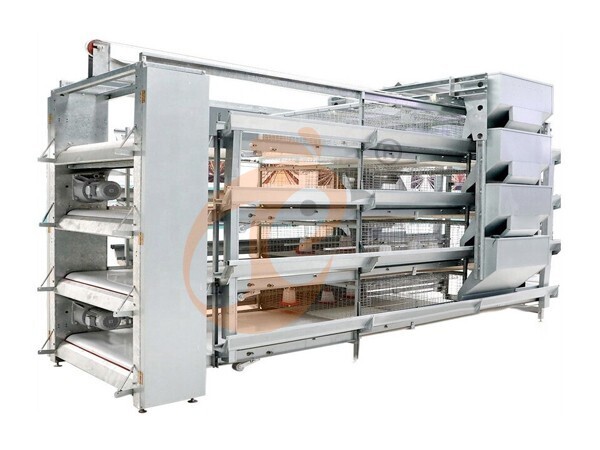
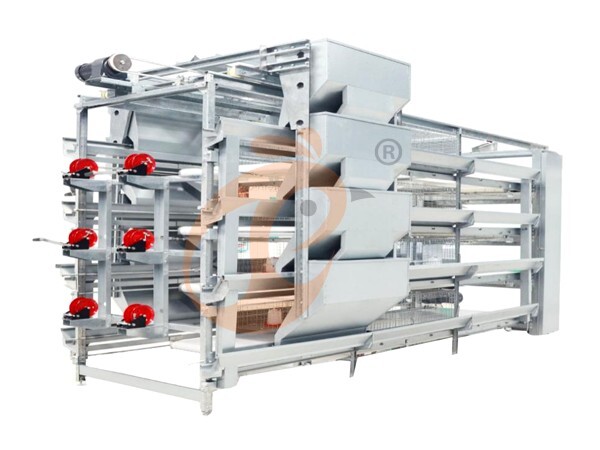
5. Our 24 hour online reception What’sApp NO. is +86 18830120193. >30,000 Broilers Semi-Automatic Harvest H Type Battery Cage1. More than 30,000 broilers a house, choose it.
2. It is designed to rearing 1 to 45 day old adult broiler ready for market.
3. Its lifespan is more than 20 years.
4. Our 24 hour online reception What’sApp NO. is +8618830120193, +234 8111199996. >30,000 Broilers Manual Harvest H Type Battery Cage1. More than 30,000 broilers a house, choose it.
2. It is designed to rearing 1 to 45 day old adult broiler ready for market.
3. Its lifespan is more than 20 years.
4. Its structure are Vcloud artificial intelligent fusion, electric control cabinet, automatic equipment of drinking, feeding and manure clean, manual harvesting.
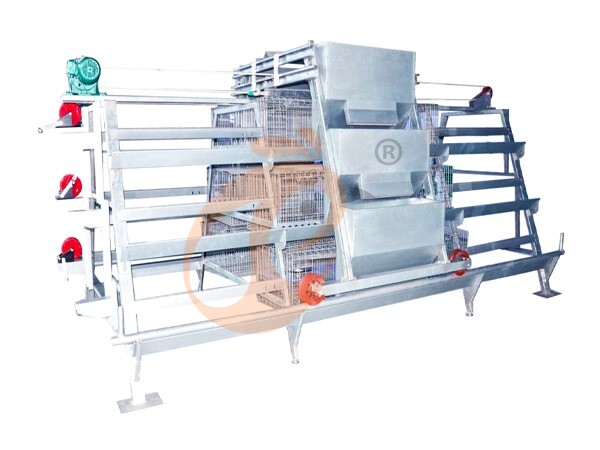
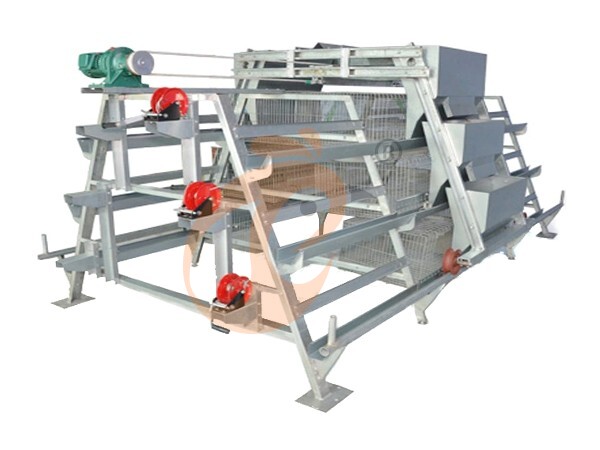
5. Our 24 hour online reception What’sApp NO. is +8618830120193, +234 8111199996. <30,000 Broilers Manual Harvest A Type Battery Cage1. Less 30,000 broilers a house, choose it.
2. It is designed to rearing 1 to 45 day old adult broiler ready for market.
3. Its lifespan is more than 20 years.
4. Its structure are Vcloud artificial intelligent fusion, electric control cabinet, automatic equipment of drinking, feeding and manure clean, manual harvesting.
5. Our 24 hour online reception What’sApp NO. is +8618830120193, +234 8111199996. HK Headquarter Offers EU-standard Poultry Farm Solutions, Manufacture Poultry Farm Equipment1. Continuous communication with the EU and the US
2. China, Nigeria, Ethiopia, Tanzania branch companies and factories
3. The products’ quality is customized for local poultry farms
4. Poultry cage and poultry farm equipment stock for sale
5. 24 online reception Whatsapp NO. : +8618830120193,contact us to get full information China Branch Offer Poultry Farm Business Plan, Manufacture Poultry Farm Equipment1. Address: Flat/RM 2416, 24/F, Runxing Building, Youyi Nan Street, Shijiazhuang City, Hebei Province, China
2. Poultry cage and poultry farm equipment factory and stock for sale
3. Customized for local poultry farms
4. Quality and design are based on Euro
5. 24 online reception Whatsapp NO. : +8618830120193 Nigeria Branch Offer Poultry Farm Business Plan, Manufacture Poultry Farm Equipment1. Address: After Sinoma Office, 200 Meters Near Danco Filling Station, Lagos/Ibadan Expressway, Lagos State, Nigeria
2. Poultry cage and poultry farm equipment factory and stock for sale
3. Customized for Nigerian poultry farms
4. Quality and design are based on Euro
5. 24 online reception Whatsapp NO. : +8618830120193 Ethiopia Branch Offer Poultry Farm Business Plan, Manufacture Poultry Farm Equipment1. Address: Gelan Gura, Akaki-kaliti Sub City, Addis Ababa, Ethiopia
2. Poultry cage and poultry farm equipment stock for sale
3. Customized for Ethiopian poultry farms
4. Quality and design are based on Euro
5. 24 online reception Whatsapp NO. : +8618830120193, contact us to get price list Tanzania Branch Offer Poultry Farm Business Plan, Manufacture Poultry Farm Equipment1. Address: No.8, Sova Road, Msufini, Mlandizi, Kibaha, Pwani, Tanzania
2. Poultry cage and poultry farm equipment factory and stock for sale
3. Customized for Tanzanian poultry farms
4. Quality and design are based on Euro
5. 24 online reception Whatsapp NO. : +8618830120193



Contact