


Blog
- Pellet machine upgrades can combine mechanical renewal, process control, energy management, and automation for stronger poultry feed production, with 24-hour operating schedules and planned maintenance intervals supporting dependable commercial output.
A modern pellet mill can coordinate die selection, conditioning, cooling, screening, and conveying while maintaining 2–6 mm poultry pellets for different feeding stages and formulations.
A poultry feed pellet machine upgrade can target production bottlenecks, reduce unnecessary shutdowns, improve material consistency, and connect upstream crushing with downstream packing through integrated equipment configurations.
Technical selection should consider feed formulation, raw-material characteristics, electrical infrastructure, future flock expansion, and available installation space, creating a practical equipment specification instead of purchasing capacity alone.
- Properly configured equipment creates measurable value through controlled feed processing, simplified maintenance, scalable production, and coordinated poultry equipment, making pellet production a stronger foundation for expanding commercial poultry operations.
Get professional poultry farm construction guidance, equipment selection solutions, and the latest price lists, whatsApp to +8618830120193, click to learn more:
Audit The Existing Pellet Machine
Start with production data rather than equipment catalogs.
Record output, electrical load, die condition, roller wear, feeder stability, conditioner performance, lubrication status, and shutdown history across several production cycles.
A pellet machine operating for 16–20 hours daily needs systematic inspection intervals, while bearing temperature and vibration readings provide additional mechanical evidence.
A pellet mill rated for 8–12 t/h should not automatically deliver rated capacity for every formulation.
A poultry feed pellet machine should therefore be evaluated against actual feed characteristics and operating conditions before upgrading components.
Upgrade The Die And Roller Assembly
Data is for reference only.Swipe horizontally to view full table.
The die and roller assembly controls compression efficiency and pellet formation.
Commercial pellet mill configurations can use roller diameters from 140 mm to 206 mm, with roller shells reaching HRC 56–58 hardness.
A pellet machine handling broiler feed may require different die-hole geometry from equipment producing layer or chick feed.
For a poultry feed pellet machine, die selection should follow pellet diameter, formulation, raw-material structure, and required operating cycle.
Match Motor Configuration With Production Demand
Think of motor selection as a production equation.
Required electrical input = target production rate × specific energy demand
Published configurations include 55 kW main motors for 4–6 t/h equipment and 110 kW motors for machines rated around 8–12 t/h.
A pellet machine should therefore match motor output with transmission design and compression requirements.
A pellet mill running at 50 Hz may also require appropriate overload protection and feeder coordination.
Simply installing a larger motor does not create a complete poultry feed pellet machine upgrade.
Die diameter, feeder configuration, conditioner capacity, transmission components, and structural loading must remain compatible.
Improve Conditioning Before Increasing Pellet-Mill Load
Conditioning determines how moisture, steam, temperature, and residence time enter the pelletizing process.
For a pellet mill, published specifications include steam pressure of 0.1–0.4 MPa and conditioner speed around 350 rpm.
A pellet machine requires consistent material preparation before compression, while steam distribution and mixing uniformity affect forming stability.
A poultry feed pellet machine can benefit from controlled conditioning when feed formulations contain different fiber and starch levels.
Data is for reference only.Swipe horizontally to view full table.
Moisture management remains a core process variable.
Published poultry feed equipment data places raw-material moisture around 12–16%, while forming rates can reach 90% or above.
For a pellet machine, conditioner selection should follow material throughput and formulation characteristics.
A pellet mill integrated with controlled feeding and steam conditioning can provide more stable material flow.
Upgrade Cooling And Screening As A Complete Process
Pelletizing ends only after controlled cooling and screening.
Fresh pellets require heat removal before storage, transportation, or packing.
A poultry feed pellet machine line should coordinate cooling airflow, discharge temperature, screening aperture, conveying speed, and packing accuracy.
A pellet machine producing continuously for 18 hours per day needs downstream equipment sized for uninterrupted material transfer.
Data is for reference only.Swipe horizontally to view full table.
Cooling capacity must follow actual pellet output rather than equipment nameplate capacity alone.
For a pellet mill, downstream restriction can create accumulation and interrupt production within minutes.
A pellet machine upgrade therefore requires balanced cooling, screening, conveying, and packing equipment.
Add Automation For Continuous Poultry Feed Production
Automation changes the operator's role from constant adjustment to process supervision.
A pellet machine control system can monitor motor load, temperature, feeder operation, lubrication status, and alarm conditions.
A pellet mill running multiple shifts can use sensor feedback to reduce manual intervention during repeated production cycles.
A poultry feed pellet machine line becomes easier to manage when upstream and downstream equipment communicate through centralized controls.
Data is for reference only.Swipe horizontally to view full table.
Automation can incorporate automatic roller adjustment, lubrication, die changing, and overload protection.
For a pellet machine, centralized control also improves production records and alarm response.
A pellet mill can operate more consistently when feeder speed and motor protection are coordinated.
Select Capacity According To Farm Expansion
Capacity planning should begin with future feed demand rather than current consumption alone.
A poultry feed pellet machine supporting multiple poultry houses should include expansion requirements in the original equipment specification.
For example, a farm operating 10 hours daily can calculate required output from total daily feed consumption and scheduled production time.
A pellet machine selected for expansion should also account for planned flock numbers and seasonal production changes.
Data is for reference only.Swipe horizontally to view full table.
Actual output varies with formulation, raw materials, die-hole configuration, and production conditions.
A pellet mill should therefore be sized using measured feed demand rather than rated capacity alone.
A pellet machine with expansion allowance can prevent another equipment bottleneck after additional poultry houses become operational.
Upgrade The Complete Feed Flow Instead Of One Machine
A pellet mill cannot compensate for inadequate crushing, mixing, feeding, or cooling capacity.
The production sequence should remain coordinated from raw-material preparation through finished-feed packing.
A poultry feed pellet machine project should consider material residence time and transfer distances alongside machine specifications.
A pellet machine installation also requires suitable electrical routing and equipment access for maintenance.
Data is for reference only.Swipe horizontally to view full table.
Published equipment specifications include feeder speeds around 20–120 rpm and ring-die speeds around 287–336 rpm.
For a pellet mill, balanced process equipment prevents material accumulation between production stages.
A pellet machine integrated into a complete line can maintain coordinated material transfer.
Choose The Upgrade Based On The Actual Bottleneck
A technical upgrade should solve a measurable production problem.
If output is insufficient, capacity should be reviewed; if pellet quality is unstable, die, roller, conditioning, and formulation should be investigated first.
A pellet machine producing 5 t/h for 12 hours requires a different process strategy from equipment operating 20 hours daily.
A pellet mill should also be evaluated against vibration, noise, bearing condition, and maintenance frequency.
Data is for reference only.Swipe horizontally to view full table.
Published SZLH350 data reports powdering rates of ≤10%, forming rates of ≥90%, and noise levels of ≤86 dB(A).
For a poultry feed pellet machine, acceptance criteria should still be established according to formulation and actual operating conditions.
A pellet machine upgrade becomes easier to justify when each investment is connected to a measurable production loss.
Compare Repair, Component Upgrade, And Full Replacement
An existing machine does not always require complete replacement.
A pellet mill with a sound frame and transmission system may benefit from new wear components, improved conditioning, feeder control, or automation.
A pellet machine with obsolete structural components or insufficient expansion capability may require complete replacement instead.
Data is for reference only.Swipe horizontally to view full table.
The decision should consider remaining service condition, spare-parts availability, electrical infrastructure, and future production requirements.
For a poultry feed pellet machine, full replacement becomes more practical when existing equipment cannot support required capacity or process integration.
A pellet machine evaluation should therefore compare lifecycle cost rather than purchase price alone.
Turn The Upgrade Into A Long-Term Equipment Investment
The final objective is a stable feed-production system supporting poultry-house expansion and predictable maintenance.
A pellet machine project should include spare parts planning, installation requirements, operator training, and commissioning procedures.
A pellet mill operating across multiple shifts also benefits from documented inspection routines and scheduled maintenance records.
A poultry feed pellet machine should therefore be purchased as part of an equipment system rather than treated as an isolated machine.
Data is for reference only.Swipe horizontally to view full table.
Technical specifications show the relationship between die diameter, motor configuration, feeder power, conditioner power, and production capacity.
A pellet machine investment should also consider installation duration and commissioning requirements.
A pellet mill designed around actual feed demand can provide a stronger basis for long-term poultry feed production.
Frequently Asked Questions
Q1: What should be upgraded first on a pellet machine?
Start with production data, then inspect the die, rollers, feeder, conditioner, transmission system, and electrical load.
For a pellet mill, die and roller condition can directly influence pellet formation, while a 12-hour production schedule provides useful operating data for comparison.
Q2: When should a poultry feed pellet machine be completely replaced?
Replacement is appropriate when existing structure, transmission, capacity, or control architecture cannot support the required production target.
A poultry feed pellet machine supporting a planned 20% capacity expansion should be evaluated against future demand rather than current output.
Q3: Does automation improve pellet machine performance?
Automation can coordinate feeding, temperature monitoring, motor protection, lubrication, and process alarms.
A pellet machine running multiple shifts can reduce manual adjustment requirements through centralized PLC and HMI control.
Taiyu (HK) Group - One Of China Biggest Pellet Machine Manufacturer
Pellet machine solutions integrate ring-die pelletizing, conditioning, cooling, conveying, and automation, with configurations from 1–20 t/h and 22–160 kW main-drive ranges for commercial poultry feed production.
Global factory direct sales provide direct equipment sourcing, technical configuration, manufacturing coordination, installation guidance, commissioning support, and spare-parts planning without unnecessary intermediary layers.
Poultry equipment packages combine hammer mills, mixers, pellet mills, coolers, screens, conveyors, packing machines, PLC cabinets, and auxiliary systems for integrated feed-processing projects.
Turn-key engineering covers process design, equipment layout, electrical integration, installation supervision, commissioning, operator training, and production optimization for complete poultry feed facilities.
Project-based manufacturing adapts equipment specifications to feed formulation, production capacity, pellet diameter, plant dimensions, power supply, automation requirements, and future expansion targets.
Contact Us To Received Your Customized Poultry Farm Plan
Headquarters And Branchs

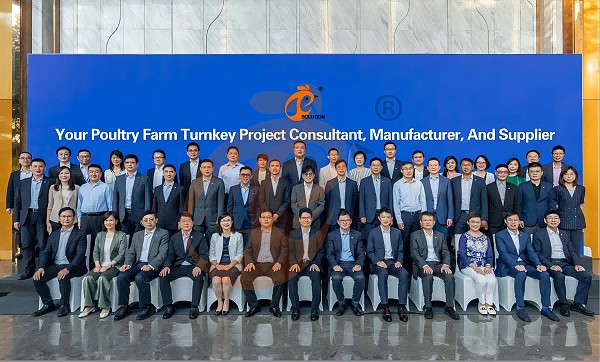
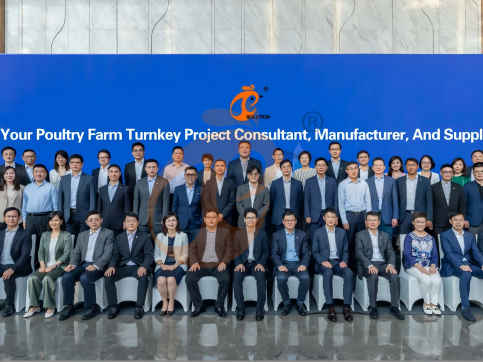
Hong Kong Headquarter Management Team
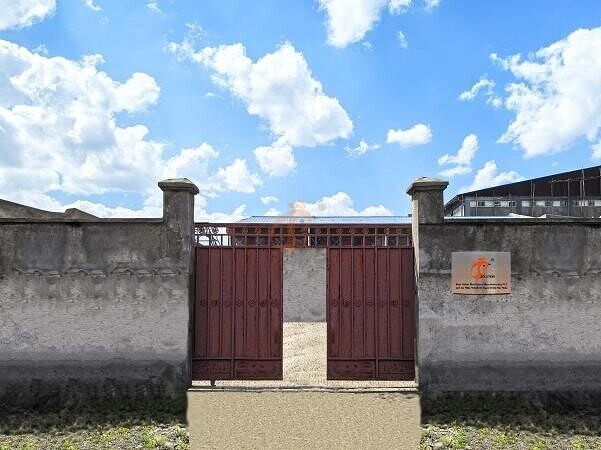
Hong Kong Headquarter Taiyu Industrial Group CO., LTD
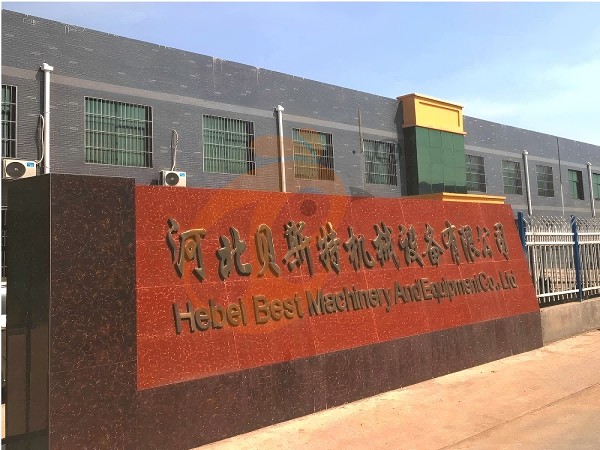
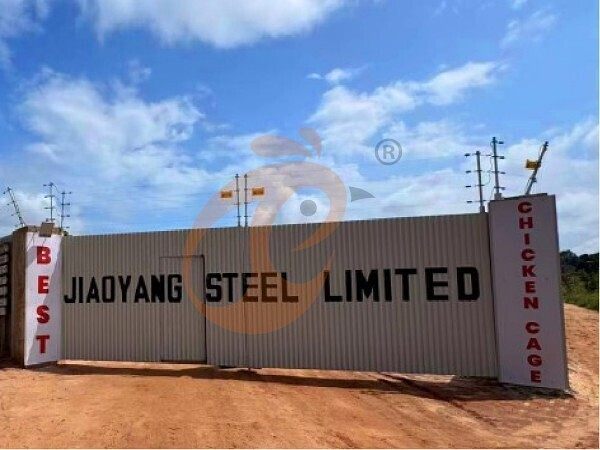
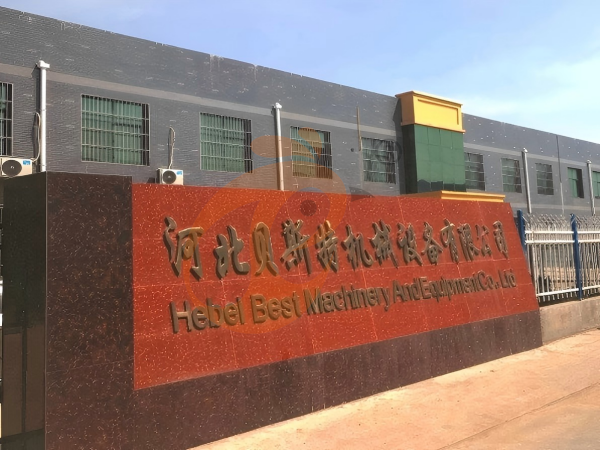
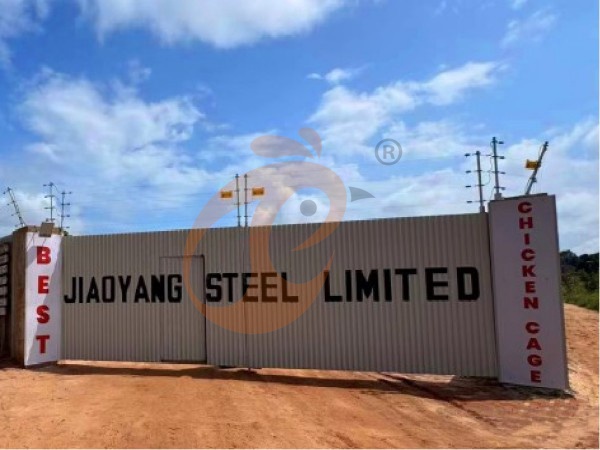
China Hebei Best Machinery And Equipment CO., LTD
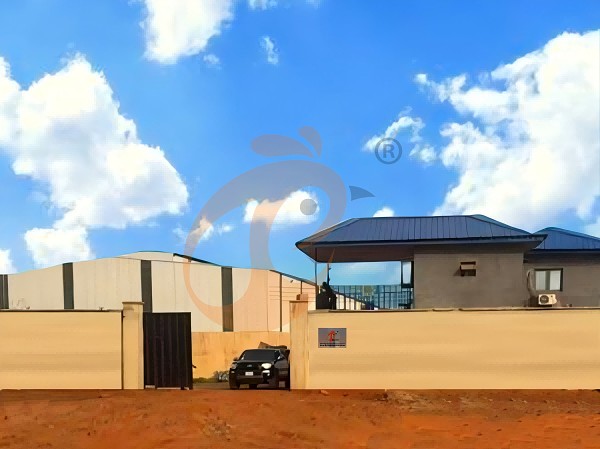
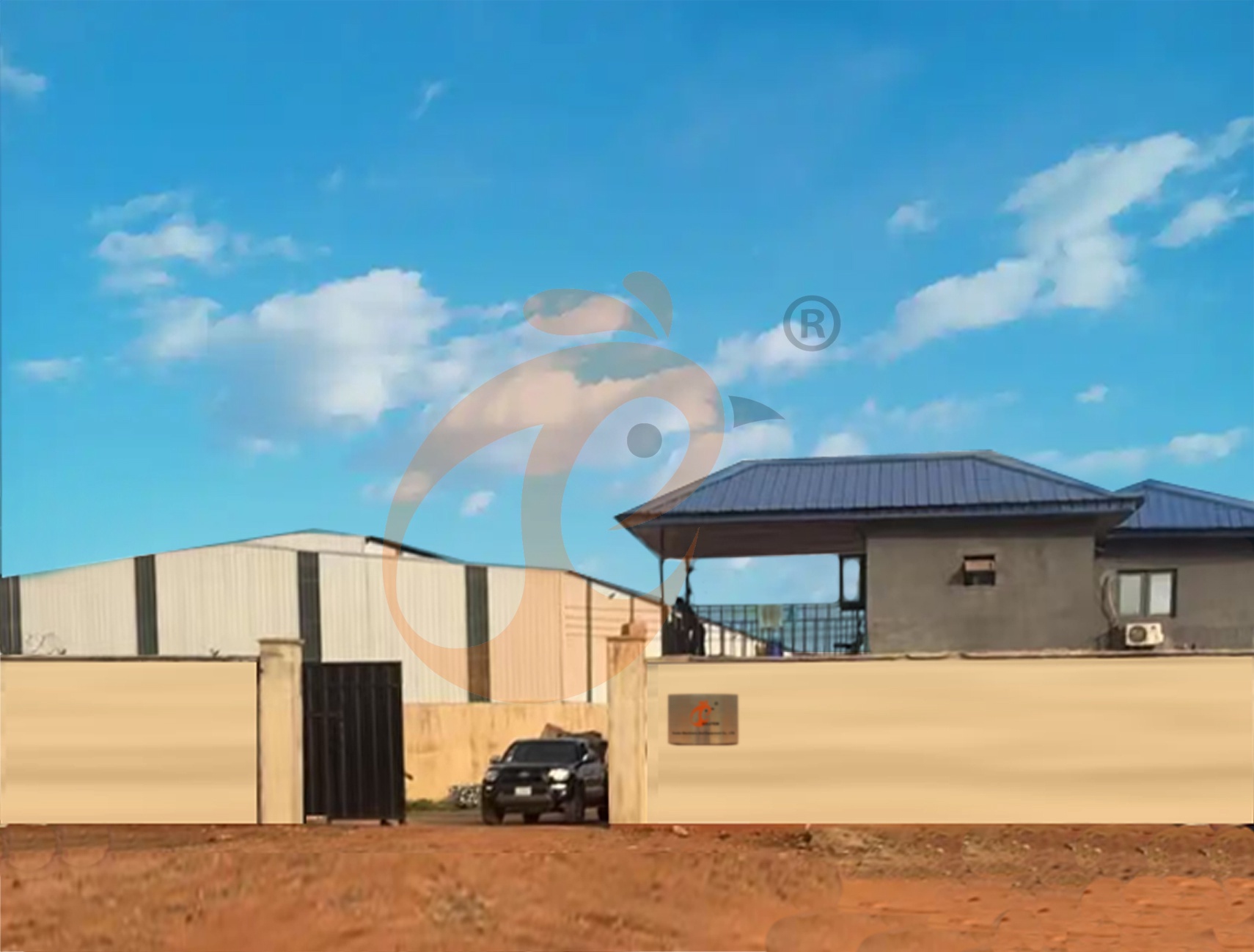
Nigeria Vanke Machinery And Equipment CO., LTD
Tanzania Best Machinery And Equipment CO., LTD
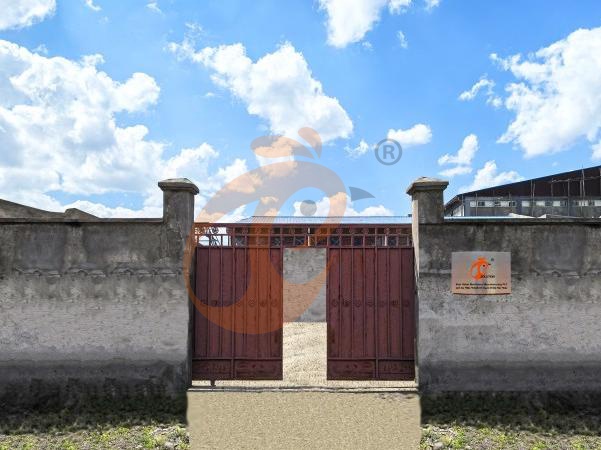
Ethiopia Best Hebei Machinery Manufacturing PLC
Reception /24 WhatsApp NO. : +8618830120193
FAQ
What Feeding System Standards Are Required For Pellet Machine In Poultry Chicken Feed Production Lines?
Feeder capacity is designed at 1.2–2.5 tons per hour depending on raw material density.
Flow consistency deviation is maintained within ±2% for uniform pellet quality output.
What Maintenance And Wear Part Replacement Standards Apply To Pellet Machine?
Bearing replacement intervals typically occur every 12–18 months under continuous operation.
Gearbox oil change frequency is maintained at 1000–1500 operating hours for system reliability.
What Safety Protection Systems Are Integrated In Pellet Machine For Poultry Chicken Feed Production?
Emergency stop response time is maintained within 0.5–1.0 seconds for operational safety.
Vibration monitoring limits are set at 4.5–6.0 mm/s to prevent mechanical failure.
- poultry farm
- poultry farms
- pellet machine
- poultry house
- cage
- poultry farm construction
- poultry equipment
- chickencage
- bestchickencage
- Nigeria
- poultry feed equipment
- pellet machine manufacturer
- poultry feed formulation
- poultry feed formula
- poultry farm plan
- poultry feed
- poultry feed production
- Ethiopia
Message
Products recommended
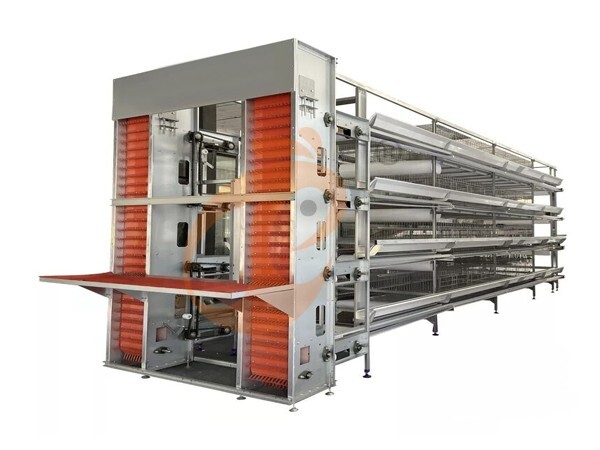
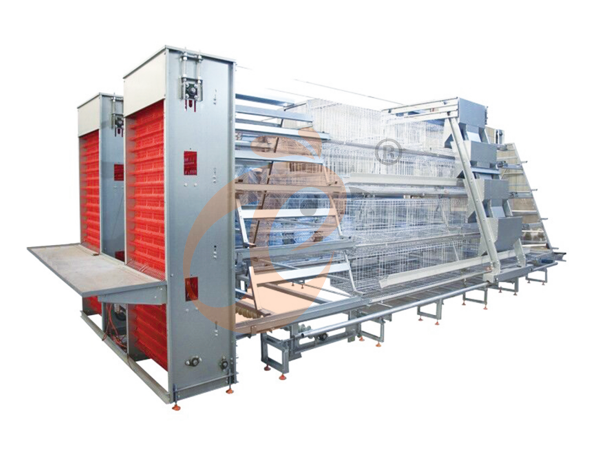
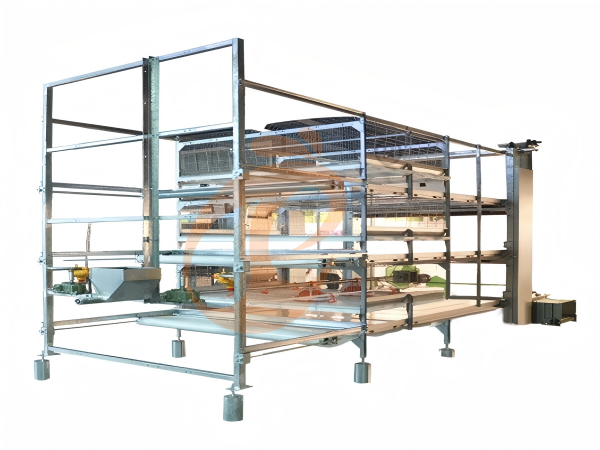
 >30,000 Pullets Automatic H Type Battery Cage1. More than 30,000 pullets a house, choose it.
2. It is designed to rearing older than 1 day old pullets to 12 to 16 weeks old chicken starting laying eggs.
3. Its lifespan is more than 25 years.
4. Its structure are Vcloud artificial intelligent fusion, electric control cabinet, automatic equipment of drinking, feeding, manure clean, manual harvesting.
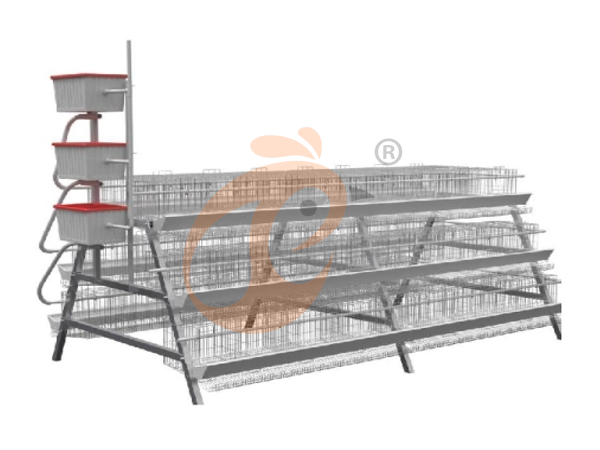
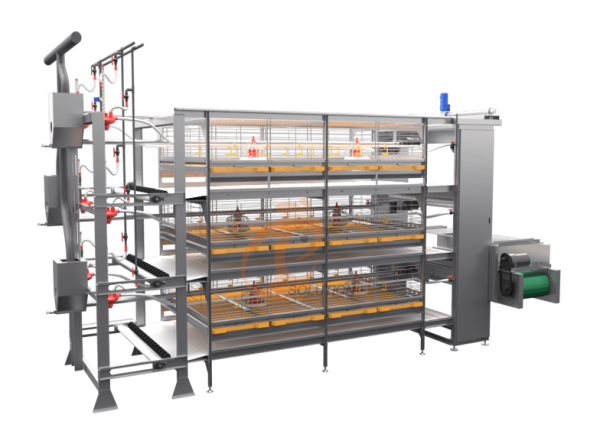
5. Our 24 hour online reception What’sApp NO. is +8618830120193 <30,000 Pullets Automatic A Type Battery Cage1. 10,000 to 30,000 pullets a house, choose it.
2. It is designed to rearing older than 1 day old pullets to 12 to 16 weeks old chicken starting laying eggs.
3. Its lifespan is more than 25 years.
4. Its structure are Vcloud artificial intelligent fusion, electric control cabinet, automatic equipment of drinking, feeding, manure clean, manual harvesting.
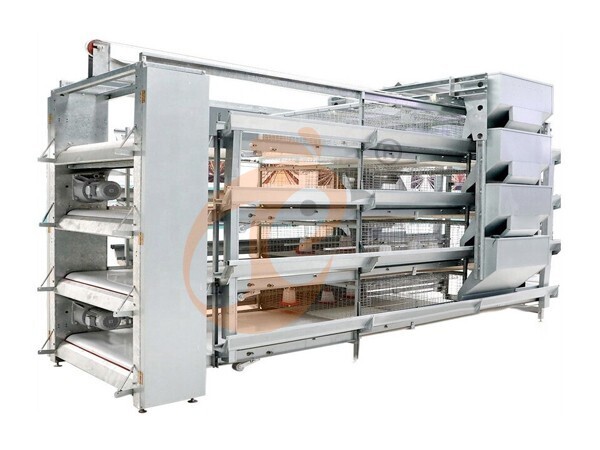
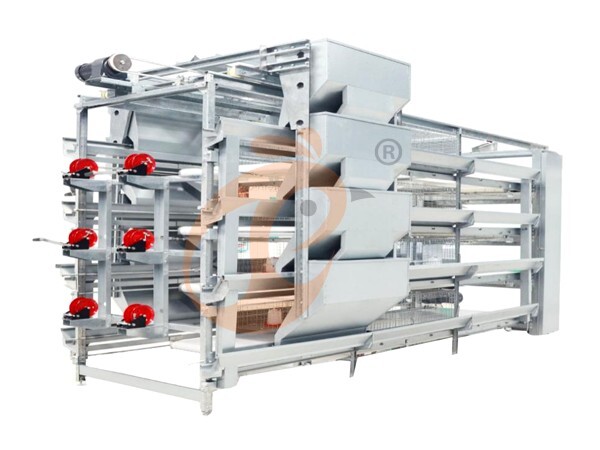
5. Our 24 hour online reception What’sApp NO. is +86 18830120193. >30,000 Broilers Semi-Automatic Harvest H Type Battery Cage1. More than 30,000 broilers a house, choose it.
2. It is designed to rearing 1 to 45 day old adult broiler ready for market.
3. Its lifespan is more than 20 years.
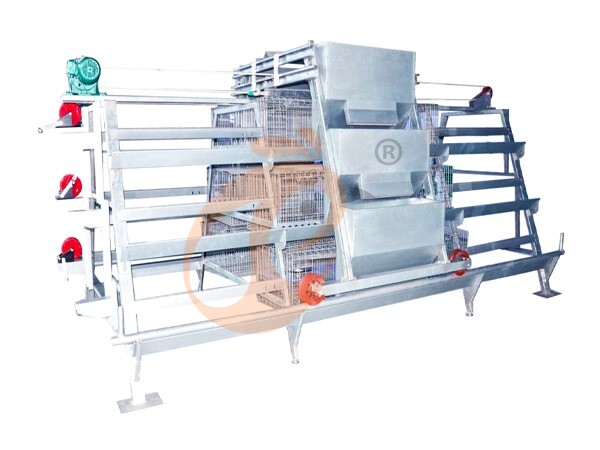
4. Our 24 hour online reception What’sApp NO. is +8618830120193, +234 8111199996. >30,000 Broilers Manual Harvest H Type Battery Cage1. More than 30,000 broilers a house, choose it.
2. It is designed to rearing 1 to 45 day old adult broiler ready for market.
3. Its lifespan is more than 20 years.
4. Its structure are Vcloud artificial intelligent fusion, electric control cabinet, automatic equipment of drinking, feeding and manure clean, manual harvesting.
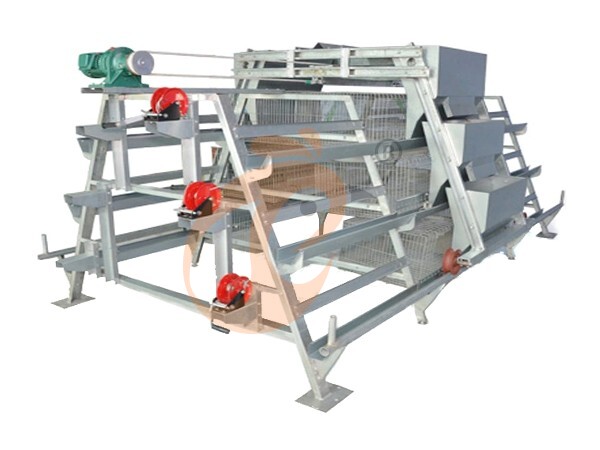
5. Our 24 hour online reception What’sApp NO. is +8618830120193, +234 8111199996. <30,000 Broilers Manual Harvest A Type Battery Cage1. Less 30,000 broilers a house, choose it.
2. It is designed to rearing 1 to 45 day old adult broiler ready for market.
3. Its lifespan is more than 20 years.
4. Its structure are Vcloud artificial intelligent fusion, electric control cabinet, automatic equipment of drinking, feeding and manure clean, manual harvesting.
5. Our 24 hour online reception What’sApp NO. is +8618830120193, +234 8111199996. HK Headquarter Offers EU-standard Poultry Farm Solutions, Manufacture Poultry Farm Equipment1. Continuous communication with the EU and the US
2. China, Nigeria, Ethiopia, Tanzania branch companies and factories
3. The products’ quality is customized for local poultry farms
4. Poultry cage and poultry farm equipment stock for sale
5. 24 online reception Whatsapp NO. : +8618830120193,contact us to get full information China Branch Offer Poultry Farm Business Plan, Manufacture Poultry Farm Equipment1. Address: Flat/RM 2416, 24/F, Runxing Building, Youyi Nan Street, Shijiazhuang City, Hebei Province, China
2. Poultry cage and poultry farm equipment factory and stock for sale
3. Customized for local poultry farms
4. Quality and design are based on Euro
5. 24 online reception Whatsapp NO. : +8618830120193 Nigeria Branch Offer Poultry Farm Business Plan, Manufacture Poultry Farm Equipment1. Address: After Sinoma Office, 200 Meters Near Danco Filling Station, Lagos/Ibadan Expressway, Lagos State, Nigeria
2. Poultry cage and poultry farm equipment factory and stock for sale
3. Customized for Nigerian poultry farms
4. Quality and design are based on Euro
5. 24 online reception Whatsapp NO. : +8618830120193 Ethiopia Branch Offer Poultry Farm Business Plan, Manufacture Poultry Farm Equipment1. Address: Gelan Gura, Akaki-kaliti Sub City, Addis Ababa, Ethiopia
2. Poultry cage and poultry farm equipment stock for sale
3. Customized for Ethiopian poultry farms
4. Quality and design are based on Euro
5. 24 online reception Whatsapp NO. : +8618830120193, contact us to get price list Tanzania Branch Offer Poultry Farm Business Plan, Manufacture Poultry Farm Equipment1. Address: No.8, Sova Road, Msufini, Mlandizi, Kibaha, Pwani, Tanzania
2. Poultry cage and poultry farm equipment factory and stock for sale
3. Customized for Tanzanian poultry farms
4. Quality and design are based on Euro
5. 24 online reception Whatsapp NO. : +8618830120193



Contact