


Blog
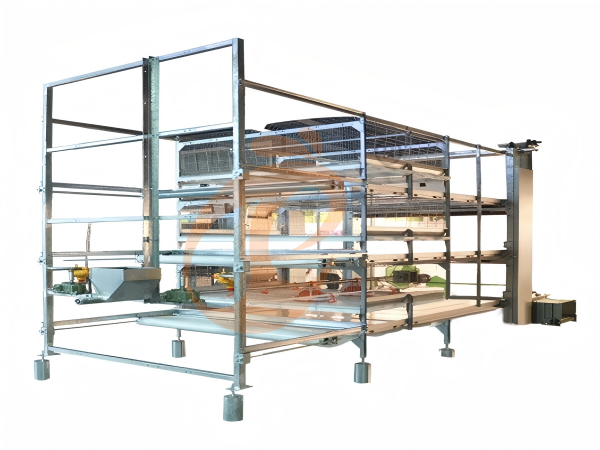
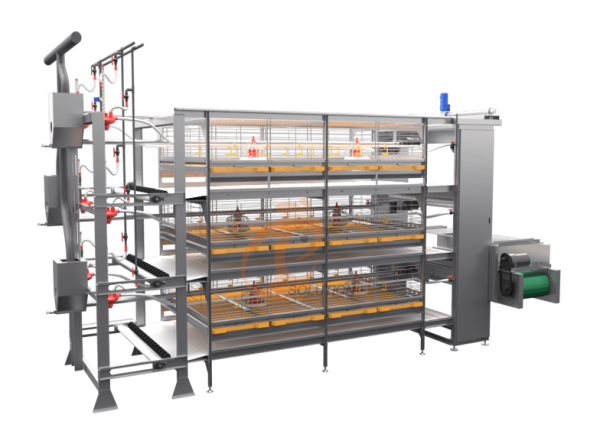
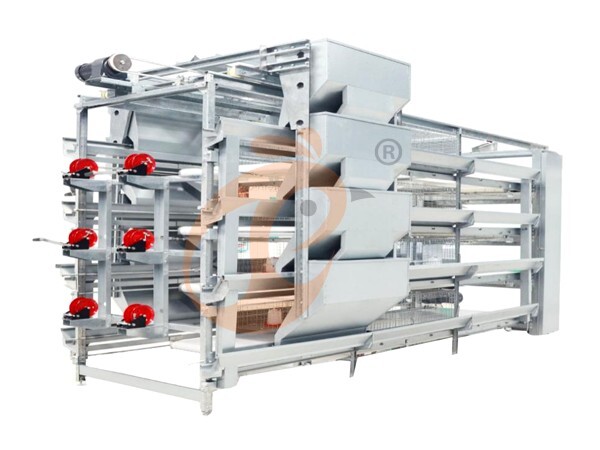
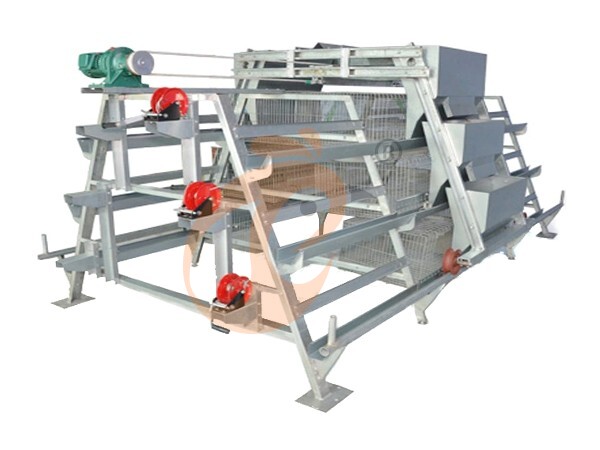
- Broiler chicken cage system selection balances capacity, automation, durability, and farm layout across 35–45 day production cycles.
Standard configurations simplify procurement, while automatic broiler cage systems support repeatable installation across houses measuring 60–120 m in length.
Custom poultry cage systems adapt cage rows, feeding routes, ventilation interfaces, and structural clearances to irregular buildings with 300 mm obstruction zones.
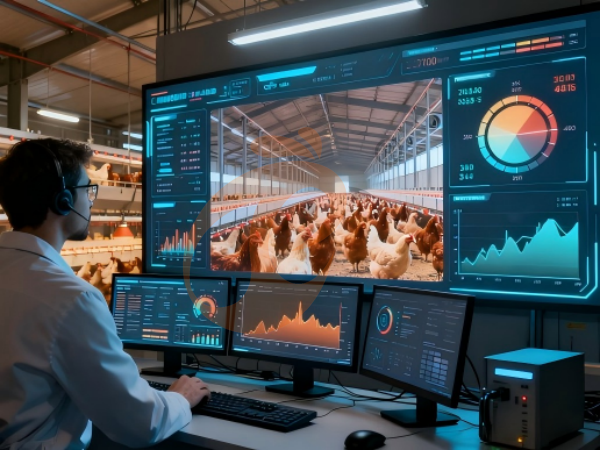
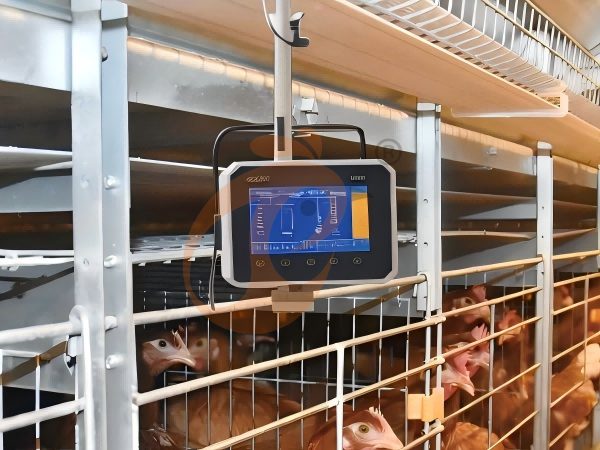
Integrated equipment connects feeding, drinking, manure removal, climate control, and alarms through centralized management with 8–16 control channels.
- Investment decisions should compare engineering, installation, maintenance, labor, expansion, and equipment performance using measurable specifications rather than generic claims about quality.
Get professional poultry farm construction guidance, equipment selection solutions, and the latest price lists, whatsApp to +8618830120193, click to learn more:
Standard Or Custom? Start With The Production Target
Selecting a broiler chicken cage system should begin with production requirements rather than the equipment catalog.
A standard system uses proven configurations, while a custom system is engineered around poultry-house structure, flock planning, and automation requirements.
Commercial projects may operate 18–22 hours of controlled lighting daily, while slaughter planning commonly uses 35–45 day cycles.
The objective is to coordinate feeding, drinking, manure management, ventilation, and environmental control within one engineered production package.
A suitable automatic broiler cage system should also accommodate future expansion without forcing major reconstruction after 2–3 production phases.
Standard System Specification
Data is for reference only.Swipe horizontally to view full table.
A standard broiler chicken cage system suits conventional poultry houses because manufacturing follows established dimensions and component interfaces.
A standard cage frame can support repeatable procurement, while a modular feeding arrangement can simplify replacement planning across 2–4 equipment zones.
A proven automatic broiler cage system can combine feeding, nipple drinking, manure removal, and environmental controls without requiring project-specific structural redesign.
Standardized equipment also supports consistent maintenance because replacement components can follow fixed specifications across multiple houses.
Standard System: The Installation Logic
BUILDING → CAGE → FEEDING → DRINKING → MANURE → CONTROL
This installation sequence keeps the poultry cage system aligned with building structure, equipment access, and service routing.
Feeding drives can use 0.75–1.5 kW motors, while manure conveyors can use 1.5–2.2 kW drives according to project loading.
The broiler chicken cage system should therefore be evaluated as an integrated mechanical package rather than separate cage components.
Correct alignment can reduce installation conflicts around service routes, with maintenance access commonly planned at 600–1,000 mm.
Standard System: Where It Makes Commercial Sense
Data is for reference only.Swipe horizontally to view full table.
A standard broiler chicken cage system becomes commercially practical when house geometry follows repeatable construction standards.
A project using two or more identical houses can standardize installation procedures, spare parts, and operator training across multiple production units.
A standard automatic broiler cage system also allows common electrical and mechanical layouts, reducing variation between houses by approximately 20–30% in project planning work.
Custom System: Design Around The Building
Custom poultry cage systems reverse the design sequence by measuring the building before finalizing cage dimensions and equipment positions.
Structural columns, doors, ventilation openings, roof members, and foundations can determine whether standard rows fit without modification.
A custom broiler chicken cage system may reserve a 150–300 mm structural clearance zone and provide 600–1,000 mm access space at selected service points.
Customization therefore focuses on eliminating installation conflicts rather than creating unnecessary equipment variations.
Custom Engineering Parameters
Data is for reference only.Swipe horizontally to view full table.
A custom automatic broiler cage system becomes useful when several equipment interfaces must fit within restricted structural dimensions.
Cage geometry, feed delivery, drinking lines, ventilation, cooling, lighting, and manure removal should be calculated together before fabrication begins.
A project can also separate equipment into modular zones, allowing 2.0–3.0 m sections to remain accessible during maintenance and future modifications.
Customization: Turning Space Into Production Capacity
Data is for reference only.Swipe horizontally to view full table.
A customized poultry cage system can convert irregular floor areas into usable production zones without forcing standard equipment into unsuitable positions.
Segmenting a long manure system into sections of approximately 50 m can simplify drive loading, inspection, and fault isolation.
A customized broiler chicken cage system can also reserve service interfaces for future equipment, reducing reconstruction requirements during expansion.
The Automation Package: More Than A Cage
FEED → WATER → MANURE → CLIMATE → ALARM → CONTROL
An automatic broiler cage system becomes commercially stronger when feeding, drinking, manure handling, and environmental equipment share one control architecture.
Automatic feeding can reduce repetitive manual operations, while nipple drinking provides controlled water delivery throughout the production cycle.
A modern poultry cage system may use temperature sensors with 0.1°C resolution and alarm processing within approximately 1–5 seconds.
Such equipment-level specifications provide measurable operating advantages compared with systems relying heavily on manual inspection.
Complete Equipment Package
Data is for reference only.Swipe horizontally to view full table.
A complete broiler chicken cage system requires compatible mechanical and environmental equipment rather than isolated components.
A 1,500 kg/h feeding line, for example, still requires correctly sized electrical infrastructure and suitable feed storage capacity.
A complete automatic broiler cage system should therefore be commissioned as one package, with each motor, sensor, controller, and conveyor tested under
operating conditions.
Cost Decision: Purchase Price Is Only One Variable
Data is for reference only.Swipe horizontally to view full table.
Actual steel consumption should be calculated according to cage structure, bird capacity, tier configuration, and project design rather than treated as a universal specification.
The commercial calculation for an automatic broiler cage system should include engineering, installation, electrical work, maintenance, labor, spare parts, and expansion requirements.
Where currency comparisons are required, project budgets should be converted to USD, with European union standard reference only for applicable technical or compliance comparisons.
A custom poultry cage system can justify additional engineering expenditure when improved layout efficiency offsets additional fabrication and installation work.
Supplier Evaluation: Check The Engineering, Not Just The Price
Data is for reference only.Swipe horizontally to view full table.
A professional broiler chicken cage system supplier should provide drawings, equipment lists, installation instructions, electrical diagrams, and project-specific technical documentation.
Cage components can be manufactured within approximately ±2 mm dimensional tolerance, while drive assemblies should undergo alignment checks before shipment.
A professional poultry cage system supplier should also document material, welding, galvanizing, electrical, and commissioning procedures instead of relying only on product photographs.
Final Decision: Match The System To The Farm
Data is for reference only.Swipe horizontally to view full table.
The final choice for a broiler chicken cage system should connect building conditions, production objectives, automation requirements, and total operating economics.
Standard equipment provides a repeatable route for conventional poultry houses, while custom equipment addresses structural conditions requiring project-specific engineering.
A reliable automatic broiler cage system should support controlled operation across feeding, drinking, manure handling, and environmental management without unnecessary manual intervention.
The equipment decision should therefore consider service access, component compatibility, commissioning requirements, and future expansion over 5–10 years.
Frequently Asked Questions
Q1: What is the main difference between standard and custom broiler cage systems?
A standard broiler chicken cage system follows established dimensions and component interfaces, while custom equipment modifies the layout around building conditions.
Custom engineering commonly considers structural offsets of 150–300 mm and specific equipment-routing requirements.
Q2: When should a farm choose an automatic broiler cage system?
An automatic broiler cage system is suitable when reducing repetitive labor and centralizing equipment management are important production objectives.
Feeding, manure removal, and climate-control equipment can be coordinated through multiple control channels according to project scale.
Q3: Can poultry cage systems be customized for existing buildings?
Yes, a poultry cage system can be engineered around existing columns, roof height, ventilation openings, doors, and foundation conditions.
Modular sections can also allow staged installation and future expansion without replacing the entire equipment package.
Taiyu (HK) Group - One Of China Toppest Broiler Chicken Cage System Manufacturer
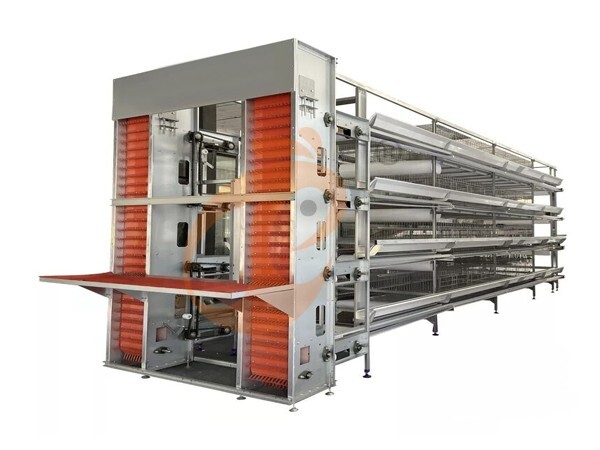
Broiler chicken cage system solutions integrate galvanized cage structures, automatic feeding, nipple drinking, manure handling, and environmental interfaces with project-specific engineering based on 3–5 tier configurations.
Global factory-direct supply covers poultry equipment manufacturing, technical documentation, component preparation, inspection, and export coordination for commercial poultry projects in multiple markets.
Turn-key engineering combines house-layout analysis, equipment configuration, installation guidance, commissioning support, and integrated control planning through a defined project workflow.
Poultry equipment production supports cage fabrication, feeding machinery, manure conveyors, ventilation equipment, cooling systems, and electrical control components under coordinated technical specifications.
Factory-direct project execution provides equipment schedules, engineering drawings, spare-parts planning, and technical support for complete Turn-key poultry-house installations.
Contact Us To Received Your Customized Poultry Farm Plan
Headquarters And Branchs

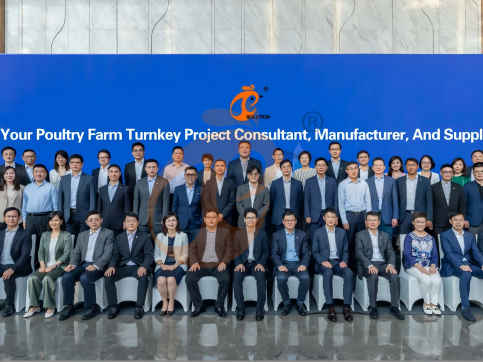
Hong Kong Headquarter Management Team
Hong Kong Headquarter Taiyu Industrial Group CO., LTD
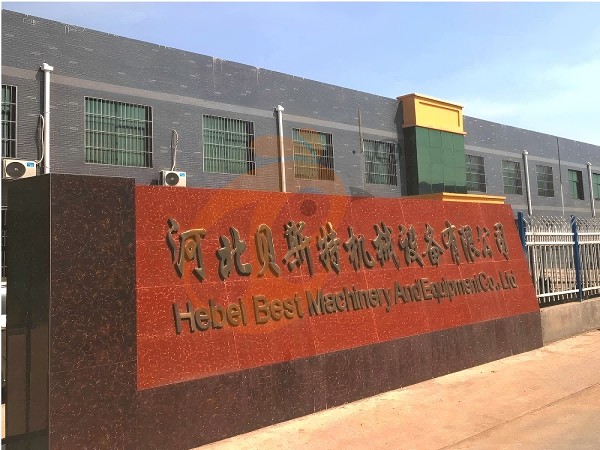
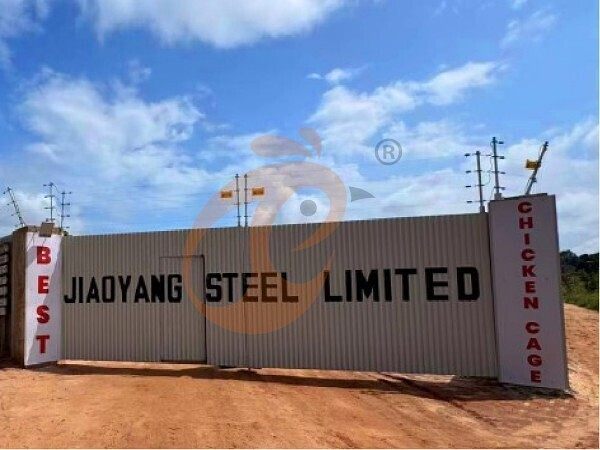
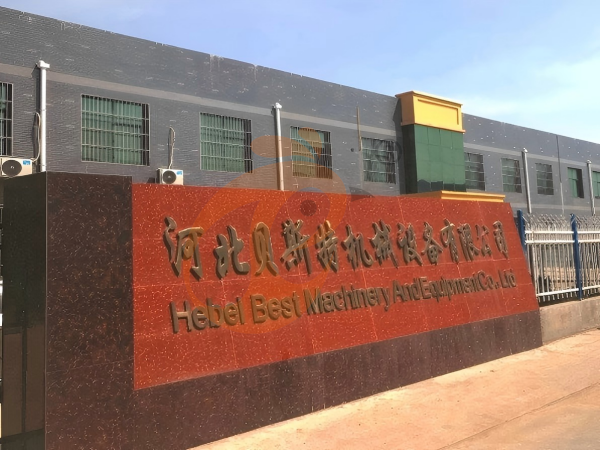
China Hebei Best Machinery And Equipment CO., LTD
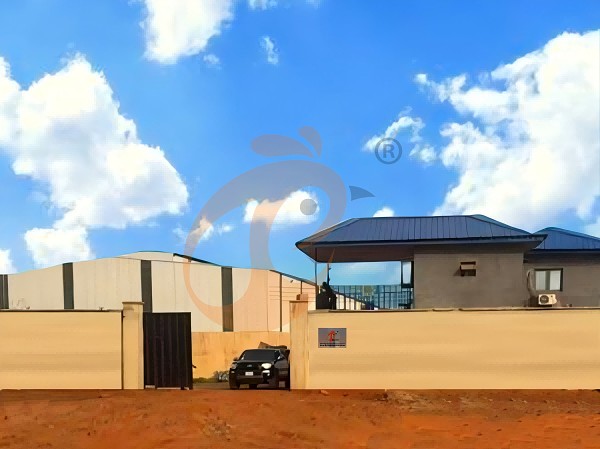
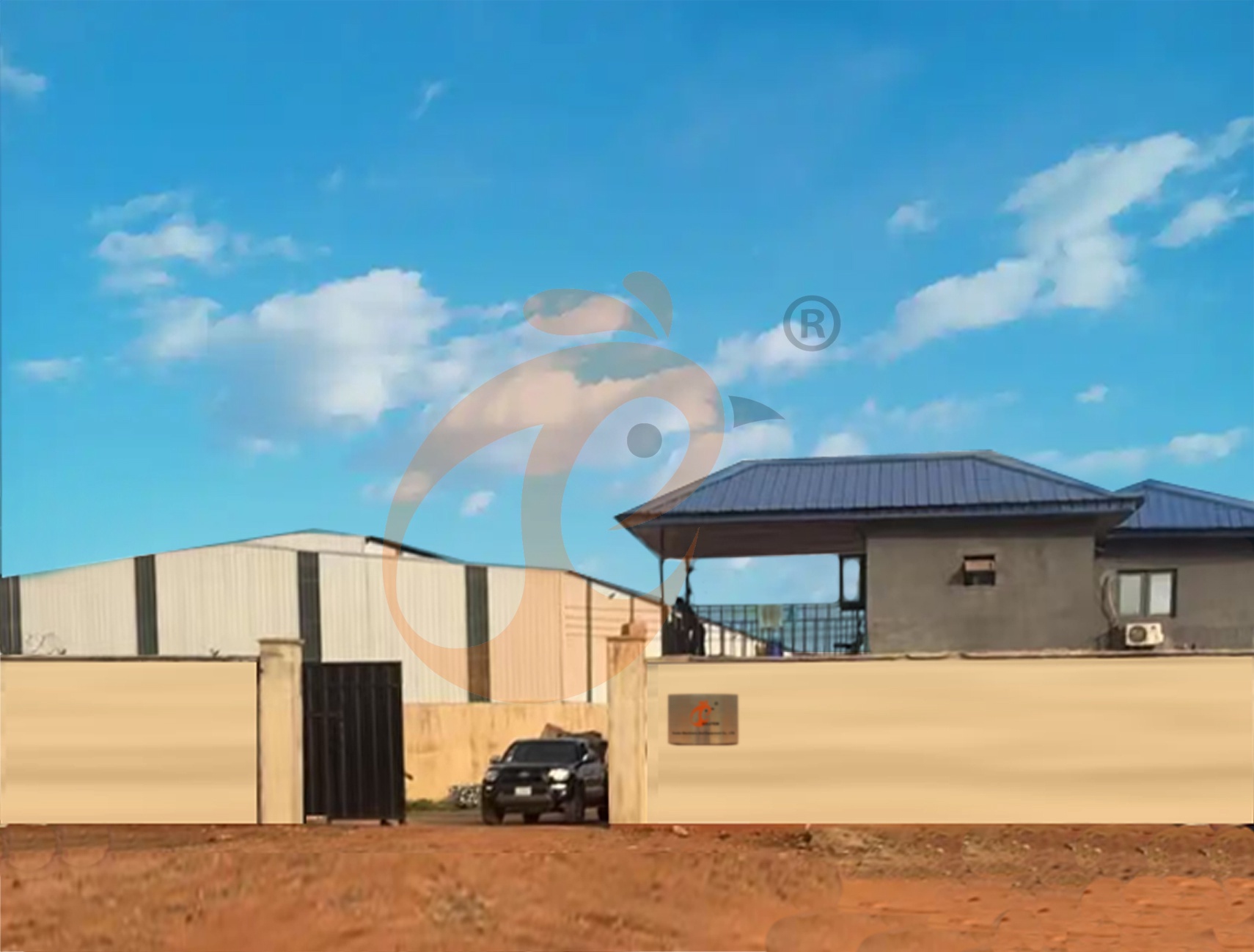
Nigeria Vanke Machinery And Equipment CO., LTD
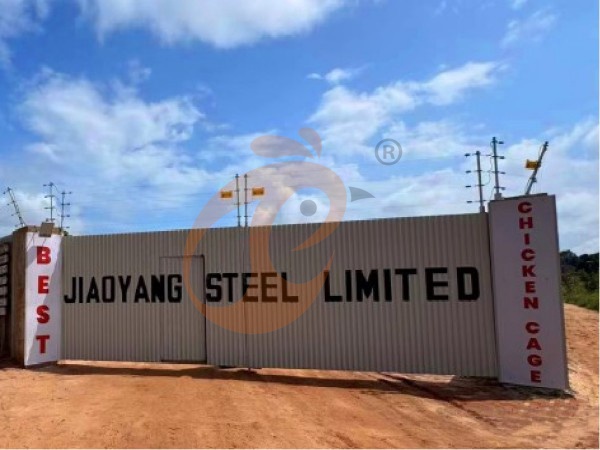
Tanzania Best Machinery And Equipment CO., LTD
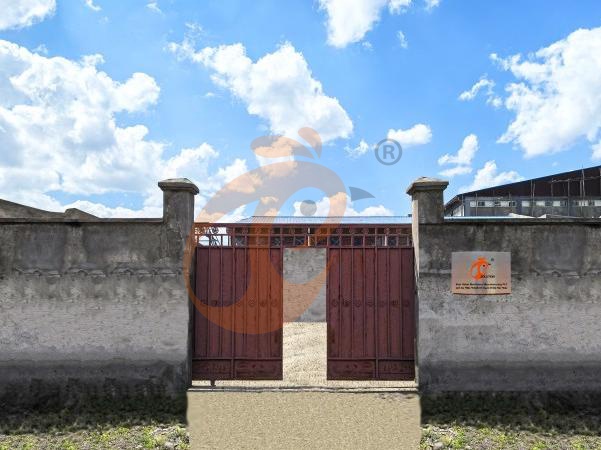
Ethiopia Best Hebei Machinery Manufacturing PLC
Reception /24 WhatsApp NO. : +8618830120193
FAQ
What Feeding System Integration Is Used In Broiler Chicken Cage Systems For Poultry Chicken Farms?
Automatic feeding lines operate at 3–6 kg per meter feed delivery capacity.
Feed distribution cycle time is controlled within 4–6 minutes per full house line.
What Environmental Control Standards Are Required For Broiler Chicken Cage Systems In Poultry Chicken Houses?
Relative humidity is maintained at 50–65% to prevent respiratory stress.
Ammonia concentration is kept below 10 ppm to ensure respiratory health stability.
What Are The Cage Layer Height And Structural Design Standards In Broiler Chicken Cage Systems For Poultry Chicken Production?
Structural load capacity per tier reaches 35–45 kg per square meter for live bird weight support.
Frame inclination angle is maintained at 6–8 degrees to facilitate manure removal efficiency.
- poultry farm
- chicken cage
- broiler cage
- poultry house
- poultry cage
- cage
- galvanized cage
- poultry farm construction
- poultry cage system
- broiler cage system
- chicken cage system
- poultry cage system supplier
- modern poultry cage system
- modern poultry cage
- chicken cage system supplier
- chicken cage system manufacturer
- poultry equipment
- broiler chicken cage
- chickencage
- automatic broiler cage
- bestchickencage
- cage system
- cage systems
- broiler chicken cage system
- automatic broiler cage system
- Nigeria
- LED poultry lighting
- poultry cage systems
- custom poultry cage
- poultry farm plan
- Ethiopia
Message
Products recommended
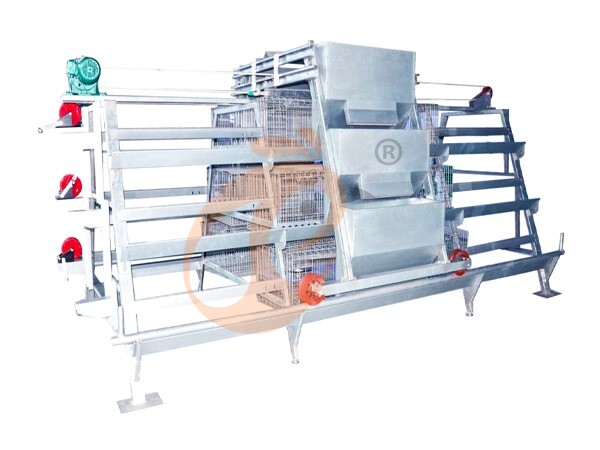
 >30,000 Pullets Automatic H Type Battery Cage1. More than 30,000 pullets a house, choose it.
2. It is designed to rearing older than 1 day old pullets to 12 to 16 weeks old chicken starting laying eggs.
3. Its lifespan is more than 25 years.
4. Its structure are Vcloud artificial intelligent fusion, electric control cabinet, automatic equipment of drinking, feeding, manure clean, manual harvesting.
5. Our 24 hour online reception What’sApp NO. is +8618830120193 <30,000 Pullets Automatic A Type Battery Cage1. 10,000 to 30,000 pullets a house, choose it.
2. It is designed to rearing older than 1 day old pullets to 12 to 16 weeks old chicken starting laying eggs.
3. Its lifespan is more than 25 years.
4. Its structure are Vcloud artificial intelligent fusion, electric control cabinet, automatic equipment of drinking, feeding, manure clean, manual harvesting.
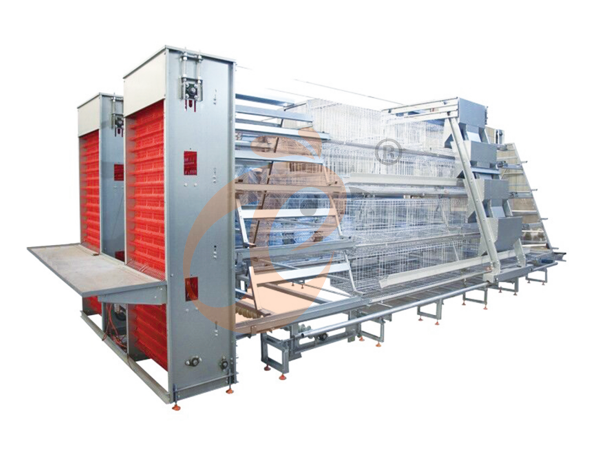
5. Our 24 hour online reception What’sApp NO. is +86 18830120193. >30,000 Broilers Semi-Automatic Harvest H Type Battery Cage1. More than 30,000 broilers a house, choose it.
2. It is designed to rearing 1 to 45 day old adult broiler ready for market.
3. Its lifespan is more than 20 years.
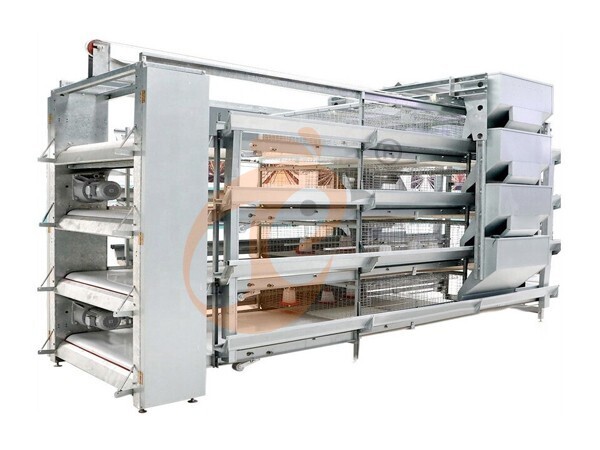
4. Our 24 hour online reception What’sApp NO. is +8618830120193, +234 8111199996. >30,000 Broilers Manual Harvest H Type Battery Cage1. More than 30,000 broilers a house, choose it.
2. It is designed to rearing 1 to 45 day old adult broiler ready for market.
3. Its lifespan is more than 20 years.
4. Its structure are Vcloud artificial intelligent fusion, electric control cabinet, automatic equipment of drinking, feeding and manure clean, manual harvesting.
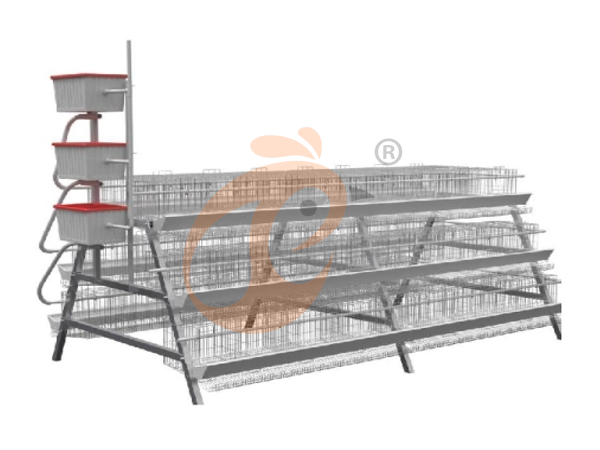
5. Our 24 hour online reception What’sApp NO. is +8618830120193, +234 8111199996. <30,000 Broilers Manual Harvest A Type Battery Cage1. Less 30,000 broilers a house, choose it.
2. It is designed to rearing 1 to 45 day old adult broiler ready for market.
3. Its lifespan is more than 20 years.
4. Its structure are Vcloud artificial intelligent fusion, electric control cabinet, automatic equipment of drinking, feeding and manure clean, manual harvesting.
5. Our 24 hour online reception What’sApp NO. is +8618830120193, +234 8111199996. HK Headquarter Offers EU-standard Poultry Farm Solutions, Manufacture Poultry Farm Equipment1. Continuous communication with the EU and the US
2. China, Nigeria, Ethiopia, Tanzania branch companies and factories
3. The products’ quality is customized for local poultry farms
4. Poultry cage and poultry farm equipment stock for sale
5. 24 online reception Whatsapp NO. : +8618830120193,contact us to get full information China Branch Offer Poultry Farm Business Plan, Manufacture Poultry Farm Equipment1. Address: Flat/RM 2416, 24/F, Runxing Building, Youyi Nan Street, Shijiazhuang City, Hebei Province, China
2. Poultry cage and poultry farm equipment factory and stock for sale
3. Customized for local poultry farms
4. Quality and design are based on Euro
5. 24 online reception Whatsapp NO. : +8618830120193 Nigeria Branch Offer Poultry Farm Business Plan, Manufacture Poultry Farm Equipment1. Address: After Sinoma Office, 200 Meters Near Danco Filling Station, Lagos/Ibadan Expressway, Lagos State, Nigeria
2. Poultry cage and poultry farm equipment factory and stock for sale
3. Customized for Nigerian poultry farms
4. Quality and design are based on Euro
5. 24 online reception Whatsapp NO. : +8618830120193 Ethiopia Branch Offer Poultry Farm Business Plan, Manufacture Poultry Farm Equipment1. Address: Gelan Gura, Akaki-kaliti Sub City, Addis Ababa, Ethiopia
2. Poultry cage and poultry farm equipment stock for sale
3. Customized for Ethiopian poultry farms
4. Quality and design are based on Euro
5. 24 online reception Whatsapp NO. : +8618830120193, contact us to get price list Tanzania Branch Offer Poultry Farm Business Plan, Manufacture Poultry Farm Equipment1. Address: No.8, Sova Road, Msufini, Mlandizi, Kibaha, Pwani, Tanzania
2. Poultry cage and poultry farm equipment factory and stock for sale
3. Customized for Tanzanian poultry farms
4. Quality and design are based on Euro
5. 24 online reception Whatsapp NO. : +8618830120193


Contact