


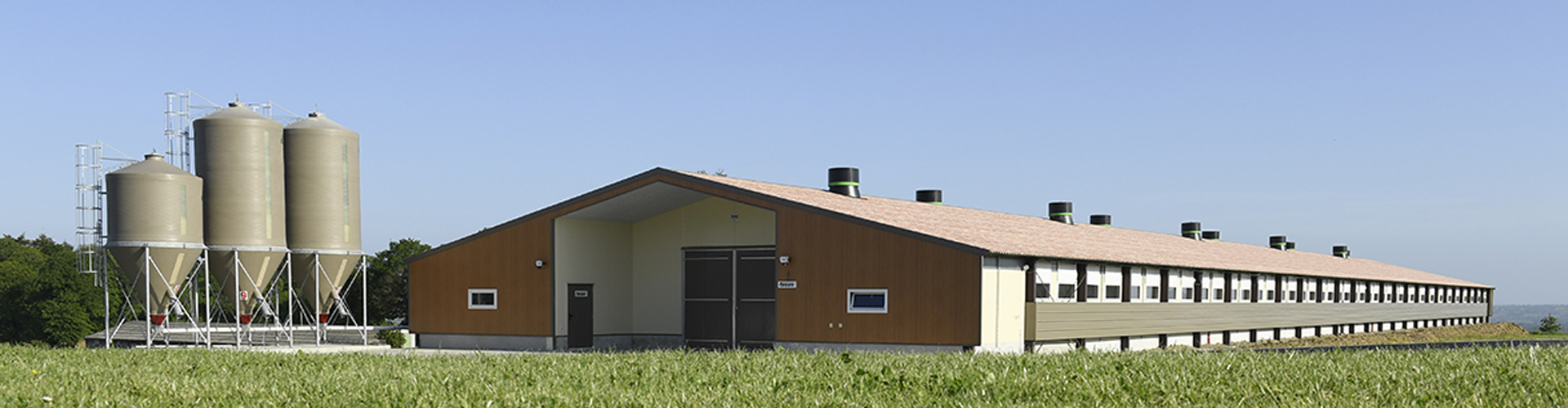
Blog
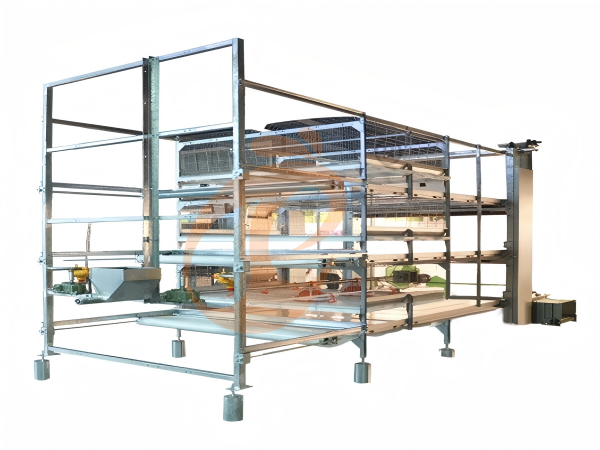
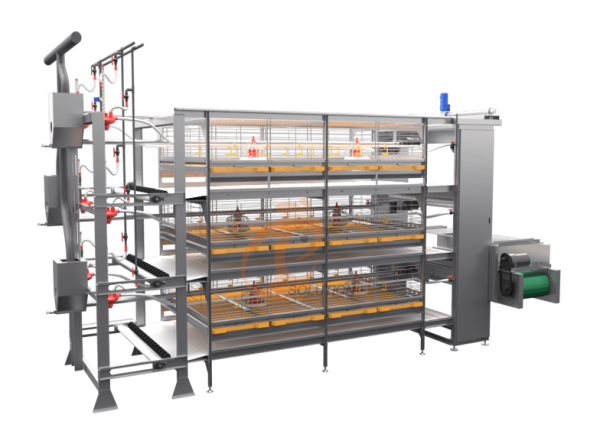
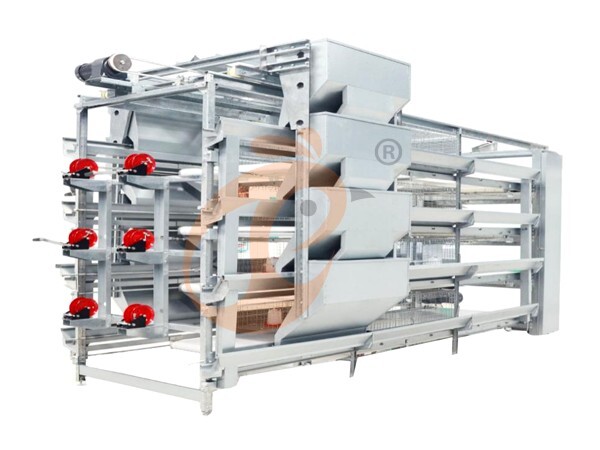
- Battery cage for layers supports efficient housing, feeding, watering, collection, and manure handling across commercial layer farms with integrated equipment planning.
Layer chicken cage layouts balance building utilization, service access, ventilation, labor, and equipment coordination through measurable engineering specifications.
Automatic layer cage system design connects feeding, egg collection, manure removal, climate control, and electrical systems into one production workflow.
Poultry layer cage equipment selection also considers maintenance access, expansion capacity, operating reliability, and farm-scale automation requirements.
- Proper system engineering can improve workflow consistency while reducing avoidable bottlenecks across commercial egg-production facilities through coordinated equipment design.
Get professional poultry farm construction guidance, equipment selection solutions, and the latest price lists, whatsApp to +8618830120193, click to learn more:
The Real Question: Output Per Building, Not Birds Per Cage
When evaluating a battery cage for layers, productive building utilization matters more than cage capacity alone.
A layer chicken cage project should coordinate feeding, ventilation, egg collection, and manure handling around a 30–40 cm service walkway.
An automatic layer cage system can integrate multiple operations while maintaining approximately 90–95% planned equipment availability under suitable management.
Engineering Comparison: Cage Configuration
Data is for reference only.Swipe horizontally to view full table.
Commercial battery cage for layers engineering should match house geometry, flock management, and automation requirements rather than relying on capacity labels.
A poultry layer cage equipment package can be specified around 1.2–1.8 m structural bay spacing and approximately 2.4–3.0 m equipment-row length modules.
A Simple Decision Tree For Farm Owners
Maximum building utilization → select a battery cage for layers layout with appropriate vertical integration.
Simpler maintenance access → evaluate layer chicken cage configurations with practical operator clearance.
Limited labor → prioritize an automatic layer cage system with automated feeding, egg collection, and manure removal.
Commercial expansion → specify poultry layer cage equipment that allows modular extension without redesigning the entire production line.
A project can also reserve approximately 5–8% electrical capacity margin and 10–15% spare mechanical capacity for future equipment requirements.
Feeding System: Where Equipment Quality Becomes Production Efficiency
Data is for reference only.Swipe horizontally to view full table.
A battery cage for layers becomes commercially stronger when feeder operation remains synchronized with flock movement and daily production schedules.
A layer chicken cage installation can use approximately 8–12 scheduled feeding events daily and 15–30 minute inspection intervals for equipment monitoring.
The Equipment Chain: Five Machines Must Agree
Feed → Water → Eggs → Manure → Climate
A battery cage for layers performs as a complete production platform only when every equipment subsystem matches the others.
An automatic layer cage system should maintain coordinated control across motors, sensors, conveyors, and climate devices with approximately 2–4 inspection
checkpoints per production shift.
For water engineering, a poultry layer cage equipment project may include approximately 1.5–2.5 bar source-pressure design capability and 2–4 filtration stages,
subject to local water conditions.
Automatic Egg Collection: Protecting The Revenue Product
Data is for reference only.Swipe horizontally to view full table.
For a battery cage for layers, egg handling should minimize unnecessary transfers between cage rows and central collection equipment.
A layer chicken cage project can target approximately 20–35 mm transfer clearance and less than 1.5 m operator reach at routine collection points.
Manure Management: The Hidden Capacity Test
Data is for reference only.Swipe horizontally to view full table.
A battery cage for layers needs manure handling designed simultaneously with cage positioning, not added after installation.
A poultry layer cage equipment project can incorporate approximately 600–900 mm conveyor service clearance and 2–3 maintenance access points per
production line.
Climate-Control Equipment Must Follow The Cage Layout
Data is for reference only.Swipe horizontally to view full table.
A battery cage for layers changes internal airflow behavior, making climate planning inseparable from cage-row arrangement.
An automatic layer cage system can be paired with approximately 4–8 environmental sensors per house zone and 10–20 minute control-response cycles.
Automation Package: Compare The Whole System
Data is for reference only.Swipe horizontally to view full table.
A battery cage for layers delivers stronger commercial value when automation reduces repeated manual intervention across the production cycle.
A layer chicken cage installation can include approximately 3–6 independent alarm conditions and 1–2 emergency-stop circuits for operational protection.
The Buyer's Checklist: What A Serious Supplier Should Deliver
1. Layout verification: A battery cage for layers proposal should define approximately 2–4 major equipment zones before fabrication begins.
2. Equipment calculation: A poultry layer cage equipment supplier should coordinate feeder, water, conveyor, and electrical requirements around projected flock operation.
3. Ventilation planning: An automatic layer cage system should include approximately 15–25% controllable inlet reserve for seasonal adjustment.
4. Service planning: A battery cage for layers installation should identify approximately 1–2 dedicated maintenance routes for motors, belts, and control equipment.
5. Expansion planning: A layer chicken cage project should preserve approximately 10% layout flexibility where future capacity expansion is anticipated.
Return On Investment Test: Use This Formula Before Buying
Equipment productivity = saleable egg output ÷ building floor area ÷ annual equipment cost
For a battery cage for layers, economic evaluation should also consider labor reduction, maintenance intervals, energy consumption, and equipment utilization.
An automatic layer cage system can be assessed using approximately 4–6 labor-hours saved daily and a 12–24 month maintenance-planning horizon, depending on automation scope.
A poultry layer cage equipment supplier should therefore quote the complete engineering package rather than presenting cage steel cost as the primary
investment indicator.
Final Verdict: Choose Performance, Not A Density Label
Data is for reference only.Swipe horizontally to view full table.
A battery cage for layers should be selected according to complete system performance rather than a single housing-density figure.
A layer chicken cage solution becomes more commercially practical when feeding, watering, egg collection, manure removal, and climate systems are engineered together.
An automatic layer cage system can support approximately 95–98% planned process continuity when correctly sized, installed, maintained, and operated.
Frequently Asked Questions
Q1: Which battery cage for layers is better for commercial farms?
A complete battery cage for layers system is preferable when building utilization, automation, labor, ventilation, and manure handling are evaluated together rather than separately.
Q2: What equipment should accompany a battery cage for layers?
A commercial battery cage for layers normally requires feeding, nipple drinking, egg collection, manure removal, ventilation, lighting, and electrical control equipment, with approximately 5–8 integrated subsystems depending on project scope.
Q3: Does a larger cage system always provide better returns?
A battery cage for layers provides stronger returns only when supporting equipment matches production requirements, with approximately 10–15% spare engineering capacity useful for future operational adjustments.
Taiyu (HK) Group - One Of China Largest Battery Cage For Layers Manufacturer
Battery cage for layers systems integrate galvanized structural frames, automated feeding, egg collection, manure handling, and climate interfaces for commercial projects exceeding 30,000 layers per house.
Global factory-direct poultry equipment production supports standardized fabrication, engineering drawings, equipment matching, and international project coordination with approximately 220/380 V electrical compatibility.
Turn-key engineering covers house layout, cage installation, feeding systems, drinking systems, egg conveyors, manure systems, ventilation, control panels, and commissioning with project-based technical documentation.
Factory-direct supply supports overseas farms, distributors, integrators, and commercial poultry projects through equipment manufacturing, technical consultation, spare-parts planning, installation guidance, and after-sales coordination.
Battery cage for layers projects can be engineered around customer building dimensions, target flock capacity, automation requirements, climate conditions, and expansion plans with approximately 10% reserved layout flexibility
Contact Us To Received Your Customized Poultry Farm Plan
Headquarters And Branchs

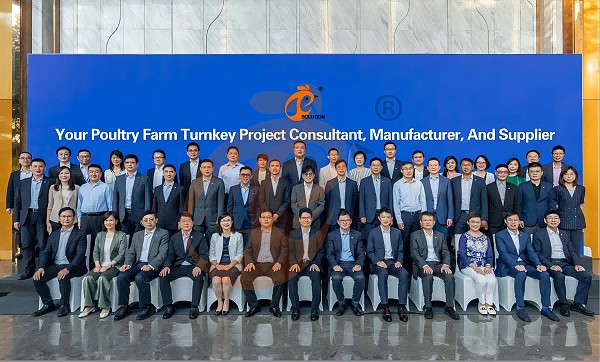
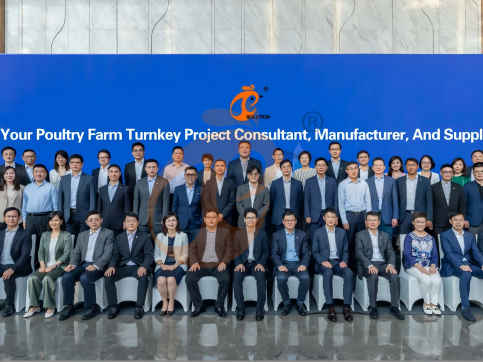
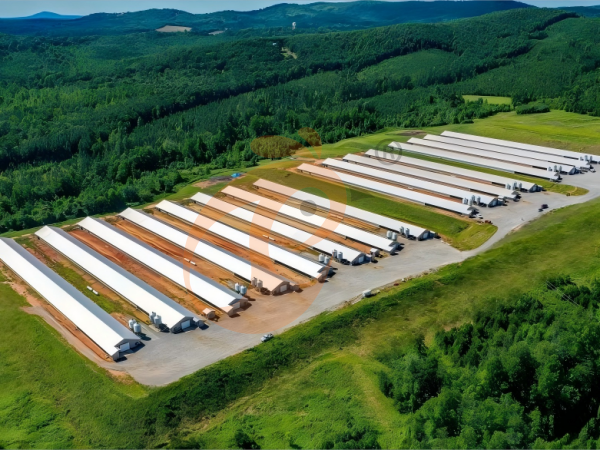
Hong Kong Headquarter Management Team
Hong Kong Headquarter Taiyu Industrial Group CO., LTD
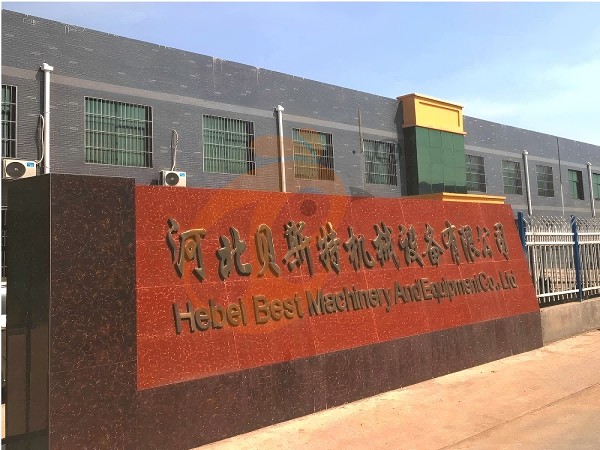
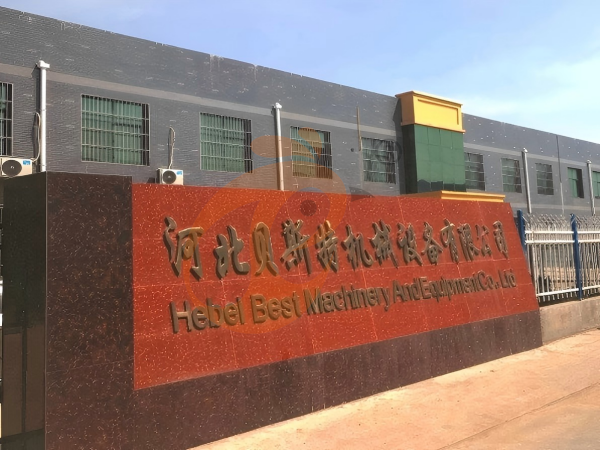
China Hebei Best Machinery And Equipment CO., LTD
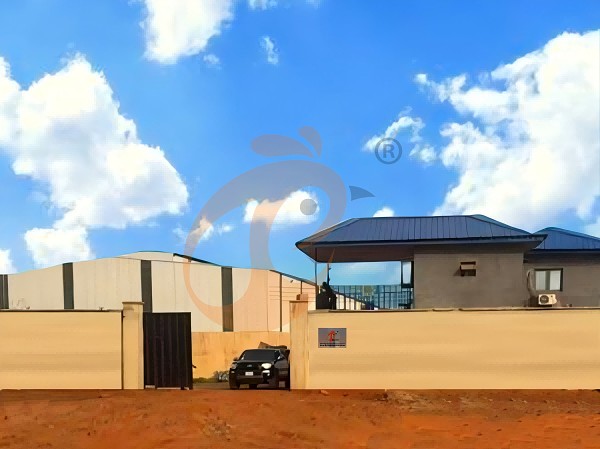
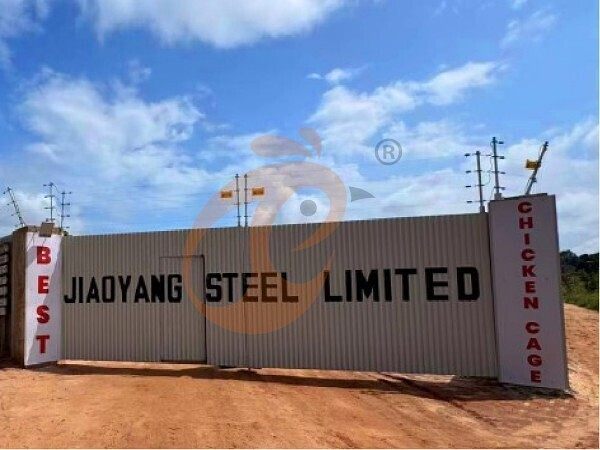
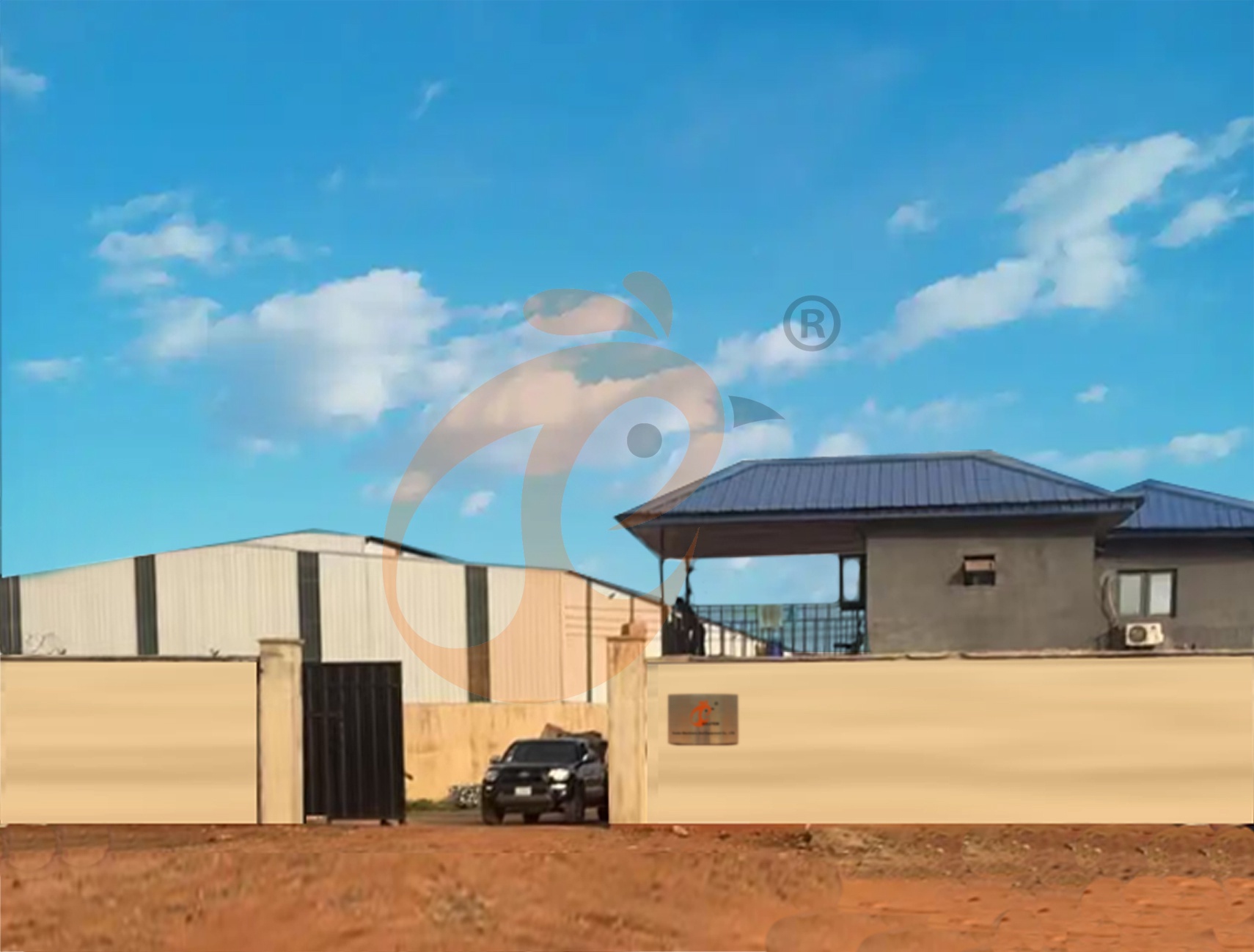
Nigeria Vanke Machinery And Equipment CO., LTD
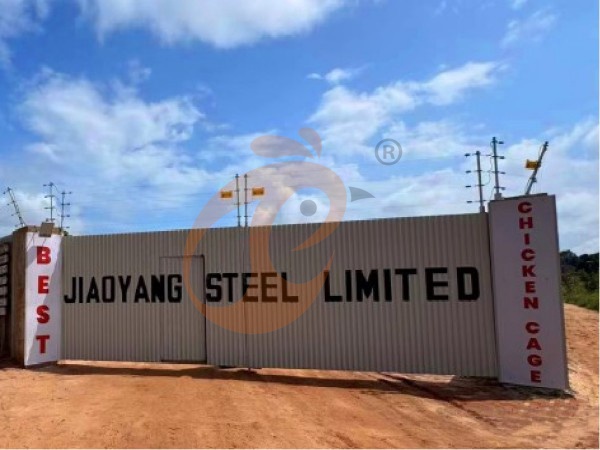
Tanzania Best Machinery And Equipment CO., LTD
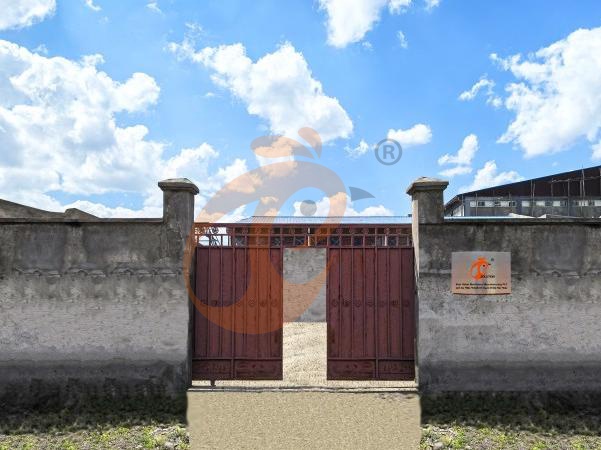
Ethiopia Best Hebei Machinery Manufacturing PLC
Reception /24 WhatsApp NO. : +8618830120193
FAQ
How To Select The Best Poultry Cage System For High-Density Egg Production?
Include automatic feeding, drinking, egg collection, and manure cleaning systems to boost egg production to 90–98%.
Regularly monitor feed efficiency and mortality; FCR maintained at 1.9–2.1.
What Are The Ultimate Tips For Temperature And Humidity Control In Chicken Cage Farms?
Use sensors to monitor each house and adjust airflow with ventilation fans.
Optimized temperature/humidity can increase egg production 2–3% and reduce mortality to 2–3%.
How To Reduce Egg Breakage In Advanced Battery Cage Systems?
Each belt can transport 4,000–6,000 eggs/hour, reducing manual handling.
Regularly clean belts; breakage rate can be maintained at 2–3%.
- battery cage
- battery cage for layers
- poultry farm
- chicken cage
- layer cage
- automatic layer cage
- poultry layer cage
- cage
- poultry farm construction
- layer cage system
- chicken cage layout
- layer cage system design
- battery cage for layers manufacturer
- commercial battery cage
- poultry equipment
- cage for layers
- automatic layer cage system
- chickencage
- bestchickencage
- cage system
- h cage
- layer chicken cage
- Nigeria
- layer farm
- chicken cage installation
- layer chicken cage layout
- layer cage equipment
- automatic egg collection
- chicken cage solution
- poultry farm plan
- Ethiopia
Message
Products recommended
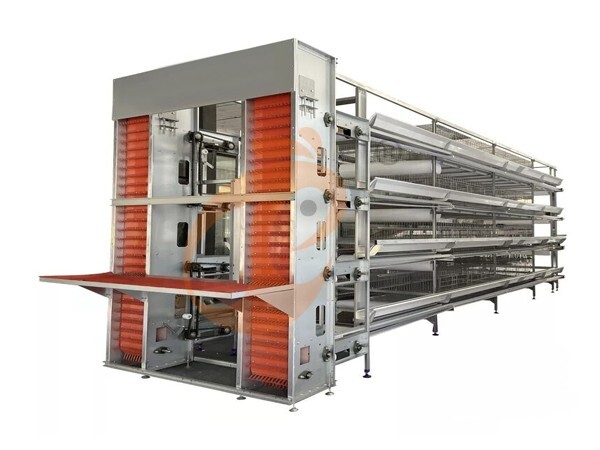
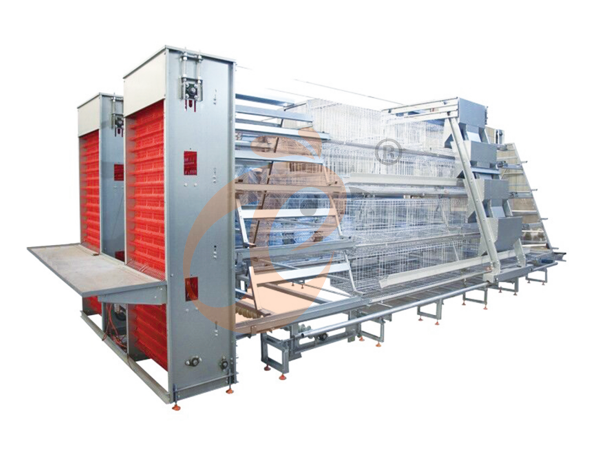
 >30,000 Pullets Automatic H Type Battery Cage1. More than 30,000 pullets a house, choose it.
2. It is designed to rearing older than 1 day old pullets to 12 to 16 weeks old chicken starting laying eggs.
3. Its lifespan is more than 25 years.
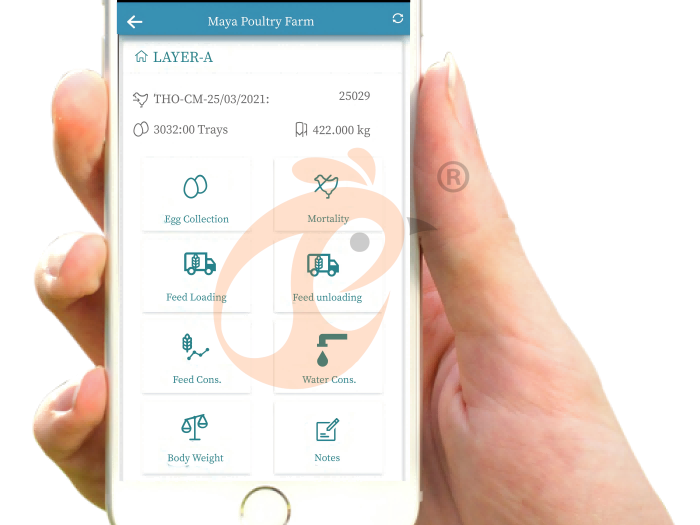
4. Its structure are Vcloud artificial intelligent fusion, electric control cabinet, automatic equipment of drinking, feeding, manure clean, manual harvesting.
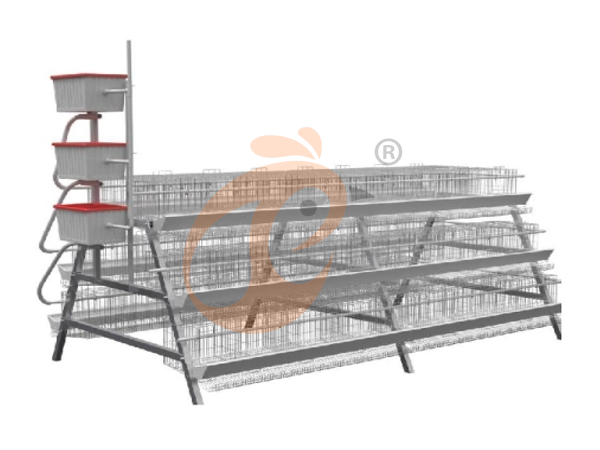
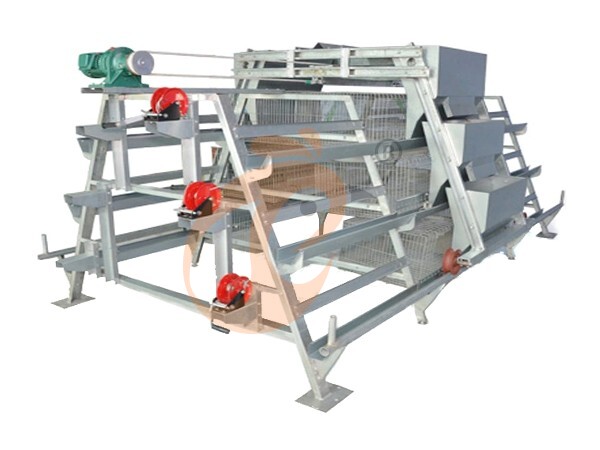
5. Our 24 hour online reception What’sApp NO. is +8618830120193 <30,000 Pullets Automatic A Type Battery Cage1. 10,000 to 30,000 pullets a house, choose it.
2. It is designed to rearing older than 1 day old pullets to 12 to 16 weeks old chicken starting laying eggs.
3. Its lifespan is more than 25 years.
4. Its structure are Vcloud artificial intelligent fusion, electric control cabinet, automatic equipment of drinking, feeding, manure clean, manual harvesting.
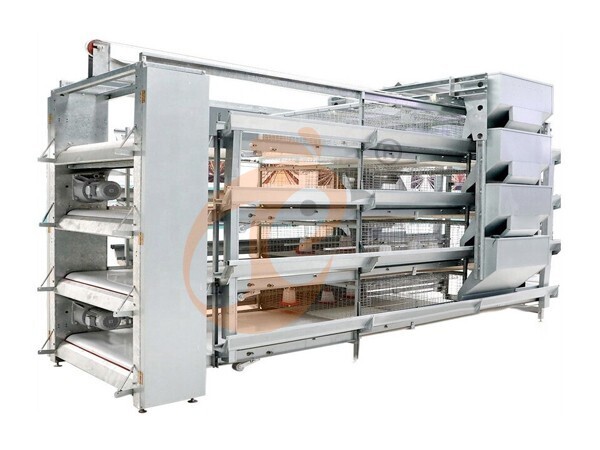
5. Our 24 hour online reception What’sApp NO. is +86 18830120193. >30,000 Broilers Semi-Automatic Harvest H Type Battery Cage1. More than 30,000 broilers a house, choose it.
2. It is designed to rearing 1 to 45 day old adult broiler ready for market.
3. Its lifespan is more than 20 years.
4. Our 24 hour online reception What’sApp NO. is +8618830120193, +234 8111199996. >30,000 Broilers Manual Harvest H Type Battery Cage1. More than 30,000 broilers a house, choose it.
2. It is designed to rearing 1 to 45 day old adult broiler ready for market.
3. Its lifespan is more than 20 years.
4. Its structure are Vcloud artificial intelligent fusion, electric control cabinet, automatic equipment of drinking, feeding and manure clean, manual harvesting.
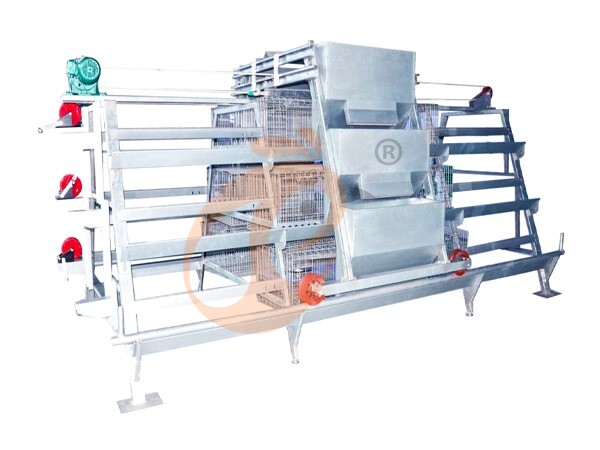
5. Our 24 hour online reception What’sApp NO. is +8618830120193, +234 8111199996. <30,000 Broilers Manual Harvest A Type Battery Cage1. Less 30,000 broilers a house, choose it.
2. It is designed to rearing 1 to 45 day old adult broiler ready for market.
3. Its lifespan is more than 20 years.
4. Its structure are Vcloud artificial intelligent fusion, electric control cabinet, automatic equipment of drinking, feeding and manure clean, manual harvesting.
5. Our 24 hour online reception What’sApp NO. is +8618830120193, +234 8111199996. HK Headquarter Offers EU-standard Poultry Farm Solutions, Manufacture Poultry Farm Equipment1. Continuous communication with the EU and the US
2. China, Nigeria, Ethiopia, Tanzania branch companies and factories
3. The products’ quality is customized for local poultry farms
4. Poultry cage and poultry farm equipment stock for sale
5. 24 online reception Whatsapp NO. : +8618830120193,contact us to get full information China Branch Offer Poultry Farm Business Plan, Manufacture Poultry Farm Equipment1. Address: Flat/RM 2416, 24/F, Runxing Building, Youyi Nan Street, Shijiazhuang City, Hebei Province, China
2. Poultry cage and poultry farm equipment factory and stock for sale
3. Customized for local poultry farms
4. Quality and design are based on Euro
5. 24 online reception Whatsapp NO. : +8618830120193 Nigeria Branch Offer Poultry Farm Business Plan, Manufacture Poultry Farm Equipment1. Address: After Sinoma Office, 200 Meters Near Danco Filling Station, Lagos/Ibadan Expressway, Lagos State, Nigeria
2. Poultry cage and poultry farm equipment factory and stock for sale
3. Customized for Nigerian poultry farms
4. Quality and design are based on Euro
5. 24 online reception Whatsapp NO. : +8618830120193 Ethiopia Branch Offer Poultry Farm Business Plan, Manufacture Poultry Farm Equipment1. Address: Gelan Gura, Akaki-kaliti Sub City, Addis Ababa, Ethiopia
2. Poultry cage and poultry farm equipment stock for sale
3. Customized for Ethiopian poultry farms
4. Quality and design are based on Euro
5. 24 online reception Whatsapp NO. : +8618830120193, contact us to get price list Tanzania Branch Offer Poultry Farm Business Plan, Manufacture Poultry Farm Equipment1. Address: No.8, Sova Road, Msufini, Mlandizi, Kibaha, Pwani, Tanzania
2. Poultry cage and poultry farm equipment factory and stock for sale
3. Customized for Tanzanian poultry farms
4. Quality and design are based on Euro
5. 24 online reception Whatsapp NO. : +8618830120193


Contact