


Blog
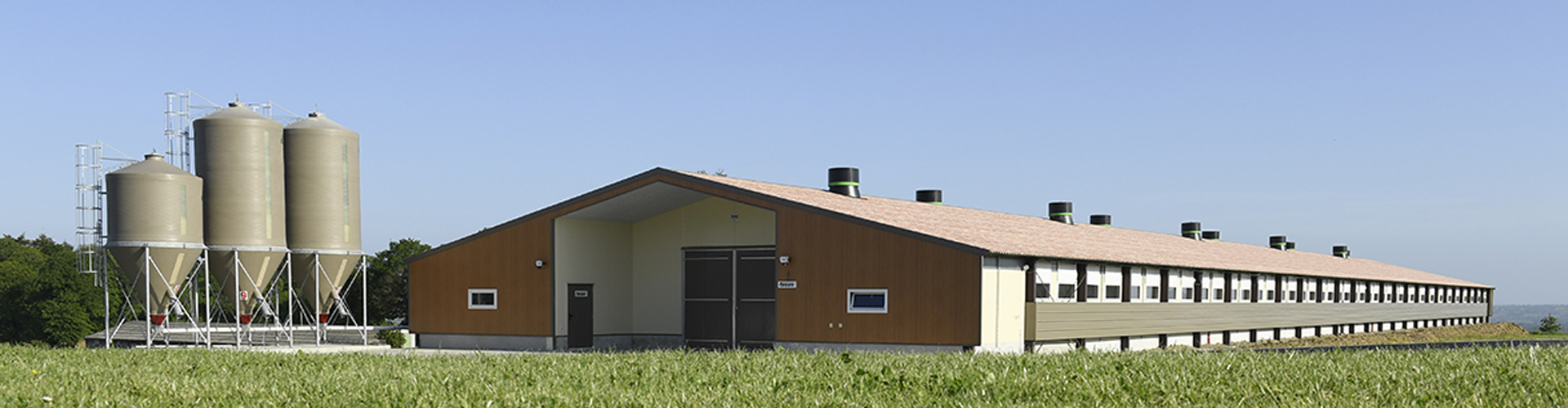
- Poultry equipment return on investment connects automated poultry feeding equipment with measurable production economics, linking 35–42 day cycles to practical investment decisions.
Automated poultry cage systems improve capacity planning through 1.6 kg market targets, integrated feeding, drinking, ventilation, cooling, and manure management.
Energy-focused poultry equipment analysis separates ventilation, pumping, lighting, and drive loads using 220/380 V supplies for clearer operating-cost calculations.
Lifecycle poultry equipment evaluation combines installation, maintenance, replacement planning, and service requirements across 12–15 year equipment periods.
- Turn-key poultry equipment projects align engineering design, automation, and farm expansion around measurable profitability, supporting 20,000-bird houses with coordinated system architecture.
Get professional poultry farm construction guidance, equipment selection solutions, and the latest price lists, whatsApp to +8618830120193, click to learn more:
Return On Investment Starts With The Production Model
A poultry equipment investment should be evaluated as a production system rather than a collection of machines.
A properly matched poultry equipment solution connects feeding, drinking, manure handling, ventilation, cooling, lighting, and environmental control so each subsystem supports the next.
For commercial planning, a 35–42 day broiler cycle and a 1.6 kg target market weight provide useful reference points for calculating equipment utilization and production turnover.
Data is for reference only.Swipe horizontally to view full table.
Tip #1 — Calculate The Five Money Levers
Feed commonly represents 60–70% of poultry operating cost, while energy can represent 8–18%, making automated poultry feeding equipment relevant to recurring expenditure rather than merely initial capital cost.
Data is for reference only.Swipe horizontally to view full table.
Tip #2 — Treat Automation As A Labor Asset
Record → Convert → Compare → Decide
Record current labor hours per flock and assign a verified hourly labor cost.
Convert automated poultry equipment savings into annual labor value while tracking 6 scheduled feeding events and 2 manure-removal cycles as operational reference points.
Compare eliminated labor against automation investment, then include reduced interruptions before selecting poultry equipment.
Data is for reference only.Swipe horizontally to view full table.
Tip #3 — Measure Energy By Function, Not By Total Bill
Separate → Measure → Multiply
Separate poultry equipment consumption into ventilation, heating, cooling, feeding, pumping, and lighting instead of evaluating one combined electricity figure.
Measure each operating profile through actual runtime and electrical loading, with 16-hour lighting schedules and 24-hour controller operation providing practical calculation references.
Multiply measured consumption by operating days and tariff to convert energy performance into commercial poultry equipment return on investment.
Data is for reference only.Swipe horizontally to view full table.
Profit check:
Annual energy saving = (Old kWh − New kWh) × operating days × electricity tariff.
For poultry equipment buyers, such calculation is more useful than a generic ''energy-saving'' claim because technical specifications become an annual cash figure.
Tip #4 — Protect Return On Investment Through Environmental Control
Environmental poultry equipment functions as a production-protection system.
Stable airflow, temperature, humidity, and air quality help prevent equipment underperformance from becoming a biological problem.
Commercial systems can combine exhaust fans, cooling pads, air inlets, sensors, and controllers, while 100–150 mm cooling pads and automatic environmental management provide practical design references.
Data is for reference only.Swipe horizontally to view full table.
Tip #5 — Compare Lifetime Cost, Not Purchase Price
The correct poultry equipment comparison is not Supplier A versus Supplier B based on quotation price.
Compare complete ownership costs covering purchase, installation, electricity, replacement components, downtime, maintenance, and expected service life.
Automatic poultry cage systems can use modular components, making expandability and spare-parts planning important commercial considerations.
European union standard reference only.
Data is for reference only.Swipe horizontally to view full table.
Technical Benchmark: Feeding Equipment
Feed distribution represents a direct poultry equipment control point because consistent delivery supports predictable flock management.
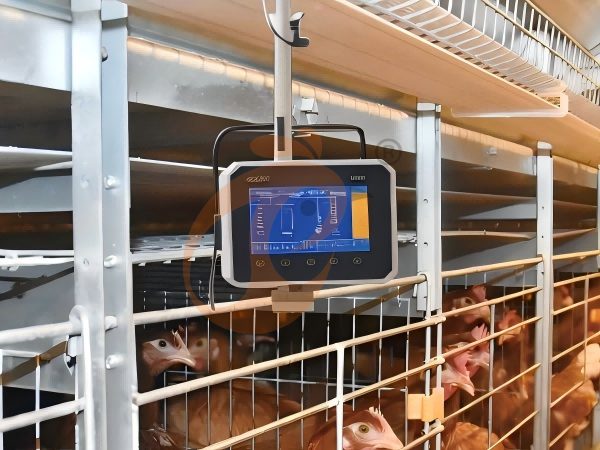
Automatic poultry feeding equipment can use feed sensors, adjustable delivery rates, and centralized hoppers to maintain supply throughout the house.
Published commercial specifications include feeder motors from 0.75–1.5 kW, while hopper configurations can be matched to project scale.
Data is for reference only.Swipe horizontally to view full table.
Technical Benchmark: Drinking And Manure Management
Water delivery and manure removal deserve independent poultry equipment return on investment calculations because both influence hygiene, labor, and daily management.
Nipple systems provide controlled water delivery, while manure belts mechanically transport waste away from birds.
Commercial poultry equipment configurations specify nipple flow rates around 60–120 ml/min and manure-belt thicknesses around 0.8–1.5 mm, depending on configuration.
Data is for reference only.Swipe horizontally to view full table.
Technical Benchmark: Ventilation And Cooling
Ventilation should be specified from airflow requirements rather than fan quantity alone.
A commercial poultry equipment tunnel system may use fans delivering approximately 30,000–44,000 m³/h, while cooling-pad selection must correspond to building dimensions and climate conditions.
Air movement analysis should also account for 0.3–2.5 m/s airflow velocity when engineering house-level poultry equipment integration.
Data is for reference only.Swipe horizontally to view full table.
Turn Return On Investment Into A Supplier Selection Scorecard
Before signing an equipment contract, score poultry equipment suppliers on engineering capability rather than quotation price alone.
Request equipment drawings, electrical loads, installation layouts, spare-parts schedules, commissioning procedures, and after-sales response standards with 24-hour alarm monitoring and 12-month service planning as practical evaluation references.
Buyer scorecard:
30% engineering design + 25% equipment performance + 20% lifecycle cost + 15% service capability + 10% customization.
This structure makes purchasing measurable and gives farm owners a defensible reason to select a complete poultry equipment solution.
Make Equipment Return On Investment A Production Strategy
The strongest poultry equipment investment is one that improves the economics of every flock after installation.
Automatic feeding, controlled drinking, mechanical manure handling, ventilation, cooling, and centralized environmental management should therefore be designed together rather than purchased as disconnected products.
Our approach starts with bird capacity, house dimensions, climate conditions, utility supply, and production targets, then configures poultry equipment around the operating model with 50 × 12 m house layouts and 4–5 tier configurations available as engineering references.
The result is not simply a poultry equipment package—it is an engineered production system designed to turn automation into measurable operating value.
When evaluating the next poultry house, calculate return on investment before choosing equipment.
The right poultry equipment system should demonstrate value through feed management, labor productivity, energy control, environmental stability, and long-term operating cost rather than merely quotation price.
Frequently Asked Questions
Q1: What determines poultry equipment return on investment most directly?
Feed utilization, labor productivity, energy consumption, maintenance cost, and production utilization provide the core calculation inputs, while 5-year cash-flow analysis helps validate investment timing.
Q2: How does automated poultry equipment reduce operating costs?
Automated feeding, drinking, manure handling, and environmental control replace repetitive manual operations and can be evaluated through measurable labor hours, with 2 daily manure cycles serving as a practical scheduling reference.
Q3: Should poultry equipment be purchased separately or as a complete system?
Integrated purchasing generally simplifies engineering coordination because feeding, ventilation, drinking, manure handling, and control architecture can be designed around the same house specification, including 220/380 V electrical integration.
Taiyu (HK) Group - One Of China Toppest Poultry Equipment Manufacturer
Poultry equipment integrates automatic feeding, drinking, manure removal, ventilation, cooling, and PLC control into coordinated production systems, with 20,000-bird project capacity and 4–5 tier cage configurations supporting commercial farm engineering.
Global factory-direct supply covers poultry equipment design, fabrication, electrical integration, installation documentation, commissioning support, and spare-parts coordination through controlled manufacturing procedures.
Turn-key poultry equipment engineering connects house layout, mechanical systems, environmental control, utility interfaces, and production requirements into one project implementation structure.
Project engineering supports new-build farms, existing-house upgrades, capacity expansion, and automated production conversion with equipment specifications matched to local electrical and climatic conditions.
International poultry equipment delivery combines factory manufacturing, technical documentation, installation guidance, commissioning coordination, and lifecycle support for commercial-scale agricultural projects.
Contact Us To Received Your Customized Poultry Farm Plan
Headquarters And Branchs

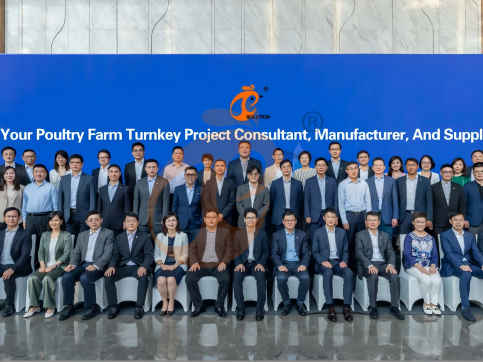
Hong Kong Headquarter Management Team
Hong Kong Headquarter Taiyu Industrial Group CO., LTD
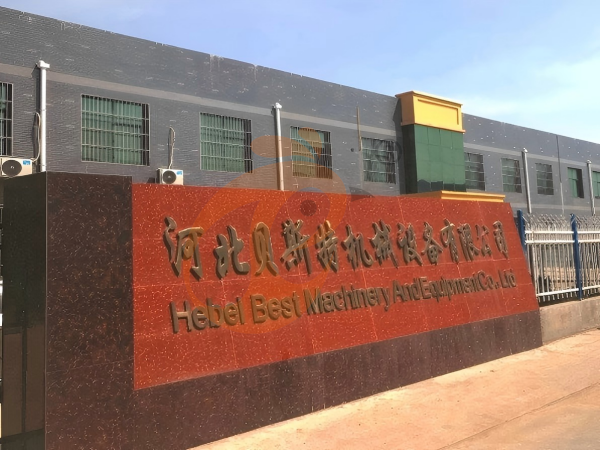
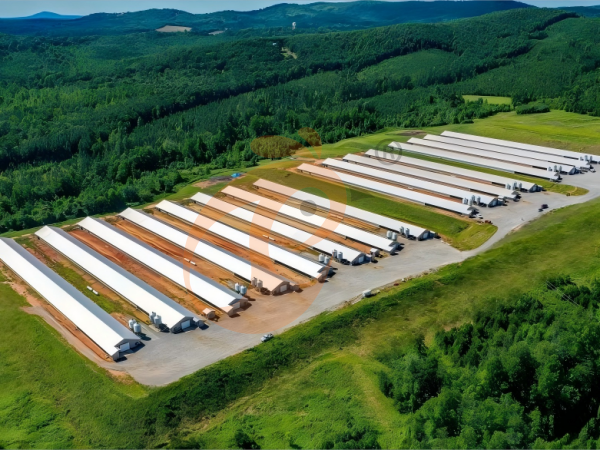
China Hebei Best Machinery And Equipment CO., LTD
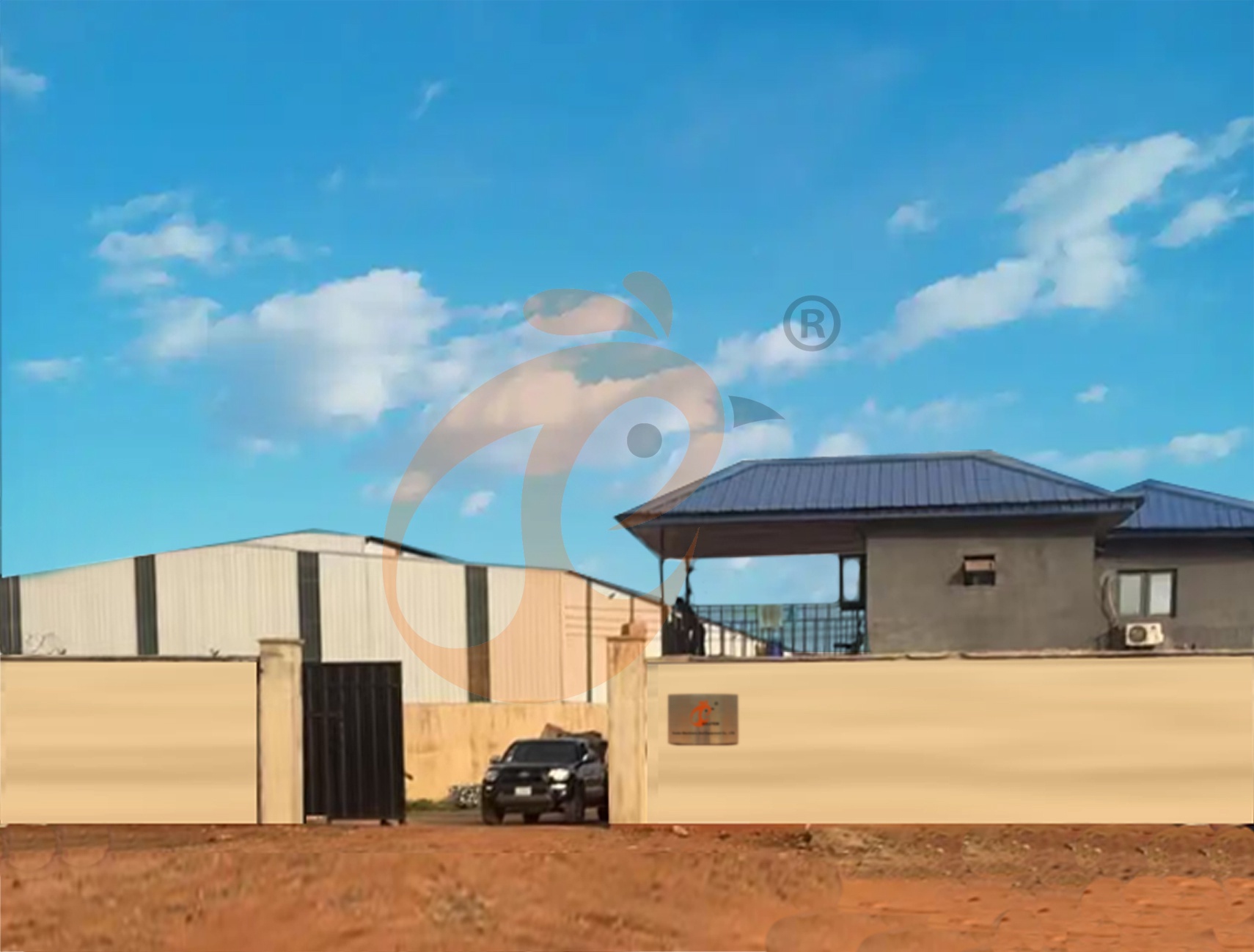
Nigeria Vanke Machinery And Equipment CO., LTD
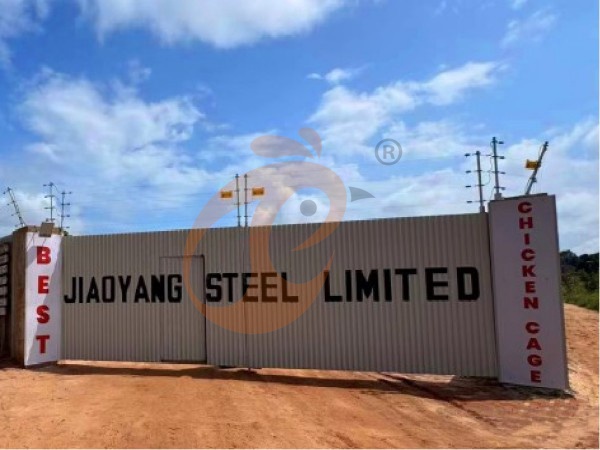
Tanzania Best Machinery And Equipment CO., LTD
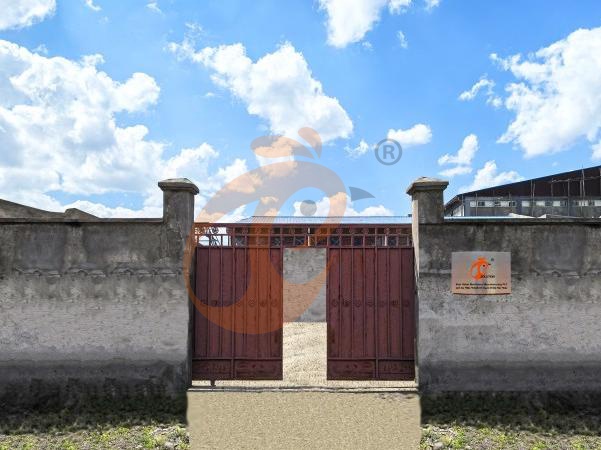
Ethiopia Best Hebei Machinery Manufacturing PLC




Reception /24 WhatsApp NO. : +8618830120193
FAQ
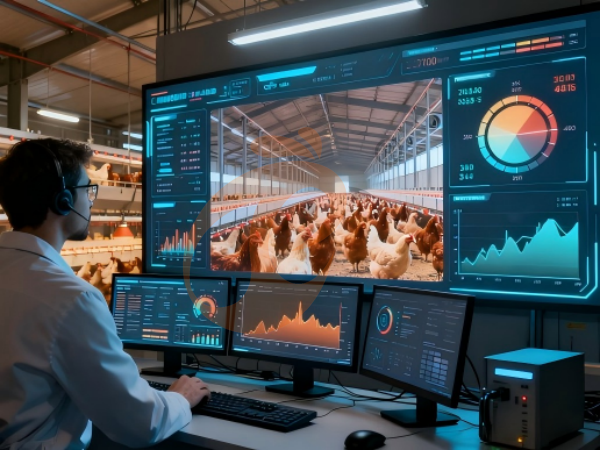
What Sensor Types Are Integrated In Smart Chicken House Equipment For Poultry Chicken Monitoring Systems?
Humidity sensors measure 0%–100% relative humidity for precise climate control.
Ammonia sensors detect 0–100 ppm gas concentration supporting air quality management.
How Does Camera Monitoring Work In Smart Chicken House Equipment For Poultry Chicken Farms?
Infrared night vision operates within 15–25 meters range for low-light monitoring.
Frame capture rate reaches 25–30 fps enabling real-time movement analysis.
What Environmental Monitoring Parameters Are Measured In Smart Chicken House Equipment For Poultry Chicken Systems?
Light intensity sensors detect 0–20000 lux for precise illumination control.
Airflow sensors measure 0–10 m/s supporting ventilation optimization performance.
- poultry farm
- poultry house
- poultry cage
- cage
- poultry farm construction
- poultry cage system
- automatic poultry cage system
- automatic poultry cage
- poultry feeding equipment
- automatic poultry feeding equipment
- poultry equipment
- chickencage
- bestchickencage
- cage system
- cage systems
- Nigeria
- poultry equipment supplier
- automated poultry equipment
- poultry equipment manufacturer
- poultry cage systems
- poultry farm plan
- automated poultry feeding
- automated poultry cage system
- poultry equipment suppliers
- poultry feed
- Ethiopia
Message
Products recommended
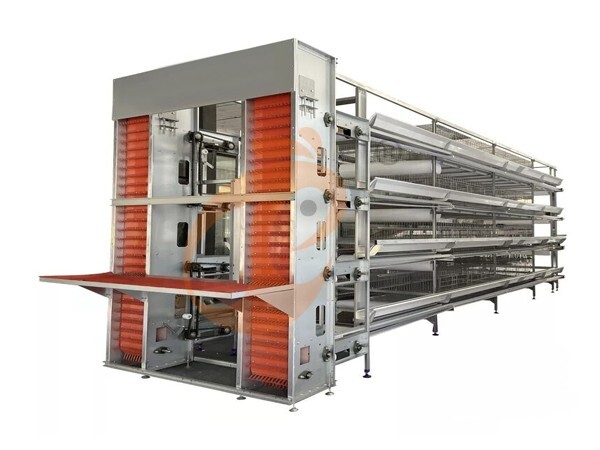
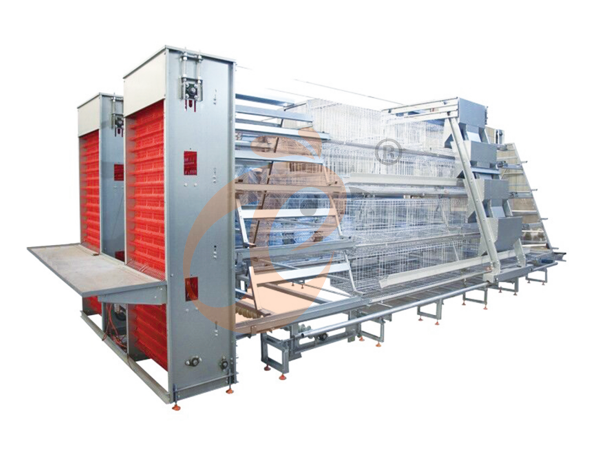
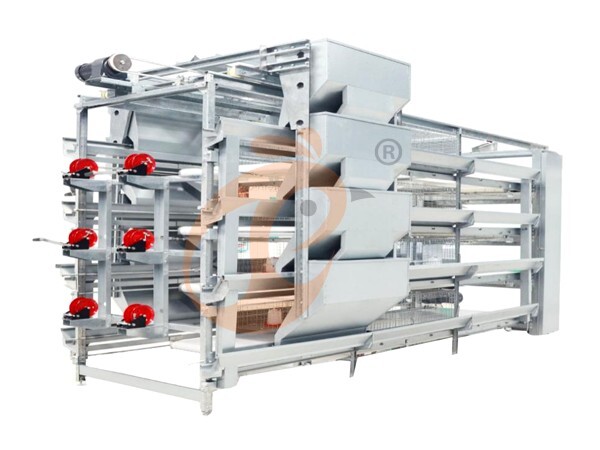
 >30,000 Pullets Automatic H Type Battery Cage1. More than 30,000 pullets a house, choose it.
2. It is designed to rearing older than 1 day old pullets to 12 to 16 weeks old chicken starting laying eggs.
3. Its lifespan is more than 25 years.
4. Its structure are Vcloud artificial intelligent fusion, electric control cabinet, automatic equipment of drinking, feeding, manure clean, manual harvesting.
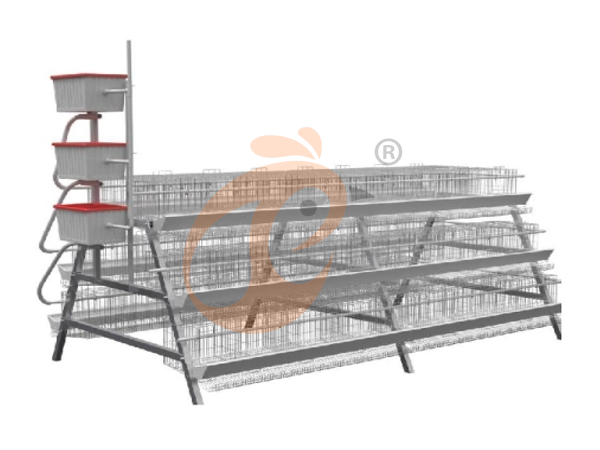
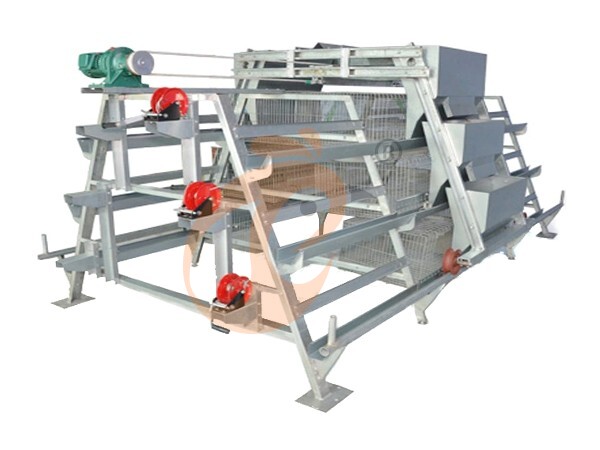
5. Our 24 hour online reception What’sApp NO. is +8618830120193 <30,000 Pullets Automatic A Type Battery Cage1. 10,000 to 30,000 pullets a house, choose it.
2. It is designed to rearing older than 1 day old pullets to 12 to 16 weeks old chicken starting laying eggs.
3. Its lifespan is more than 25 years.
4. Its structure are Vcloud artificial intelligent fusion, electric control cabinet, automatic equipment of drinking, feeding, manure clean, manual harvesting.
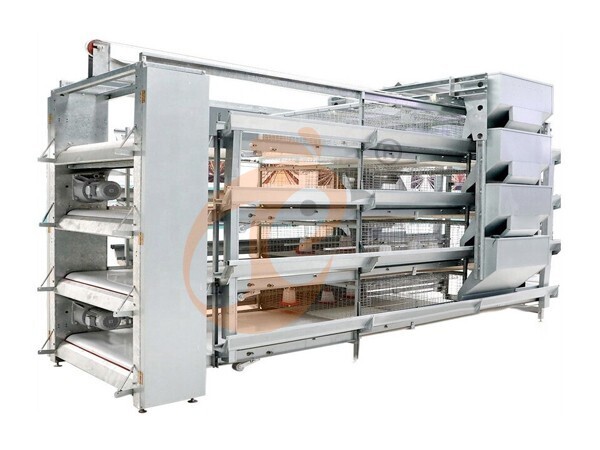
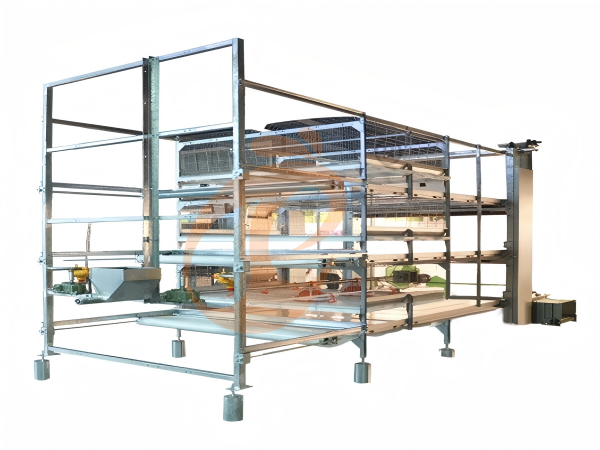
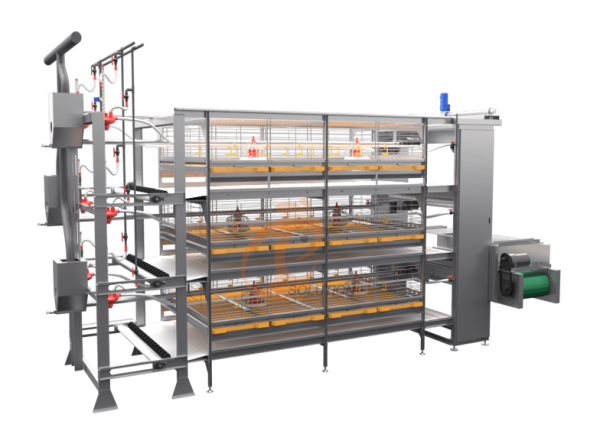
5. Our 24 hour online reception What’sApp NO. is +86 18830120193. >30,000 Broilers Semi-Automatic Harvest H Type Battery Cage1. More than 30,000 broilers a house, choose it.
2. It is designed to rearing 1 to 45 day old adult broiler ready for market.
3. Its lifespan is more than 20 years.
4. Our 24 hour online reception What’sApp NO. is +8618830120193, +234 8111199996. >30,000 Broilers Manual Harvest H Type Battery Cage1. More than 30,000 broilers a house, choose it.
2. It is designed to rearing 1 to 45 day old adult broiler ready for market.
3. Its lifespan is more than 20 years.
4. Its structure are Vcloud artificial intelligent fusion, electric control cabinet, automatic equipment of drinking, feeding and manure clean, manual harvesting.
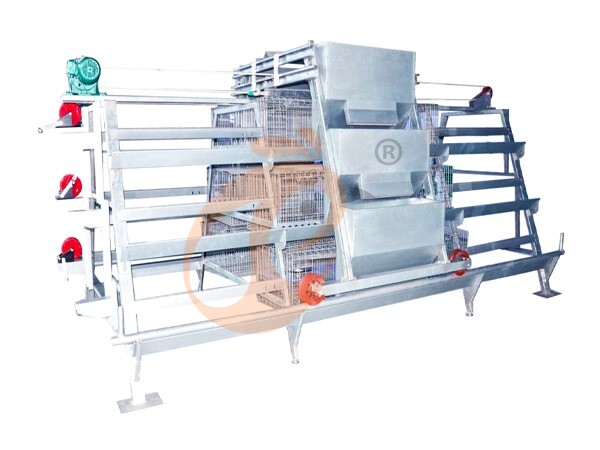
5. Our 24 hour online reception What’sApp NO. is +8618830120193, +234 8111199996. <30,000 Broilers Manual Harvest A Type Battery Cage1. Less 30,000 broilers a house, choose it.
2. It is designed to rearing 1 to 45 day old adult broiler ready for market.
3. Its lifespan is more than 20 years.
4. Its structure are Vcloud artificial intelligent fusion, electric control cabinet, automatic equipment of drinking, feeding and manure clean, manual harvesting.
5. Our 24 hour online reception What’sApp NO. is +8618830120193, +234 8111199996. HK Headquarter Offers EU-standard Poultry Farm Solutions, Manufacture Poultry Farm Equipment1. Continuous communication with the EU and the US
2. China, Nigeria, Ethiopia, Tanzania branch companies and factories
3. The products’ quality is customized for local poultry farms
4. Poultry cage and poultry farm equipment stock for sale
5. 24 online reception Whatsapp NO. : +8618830120193,contact us to get full information China Branch Offer Poultry Farm Business Plan, Manufacture Poultry Farm Equipment1. Address: Flat/RM 2416, 24/F, Runxing Building, Youyi Nan Street, Shijiazhuang City, Hebei Province, China
2. Poultry cage and poultry farm equipment factory and stock for sale
3. Customized for local poultry farms
4. Quality and design are based on Euro
5. 24 online reception Whatsapp NO. : +8618830120193 Nigeria Branch Offer Poultry Farm Business Plan, Manufacture Poultry Farm Equipment1. Address: After Sinoma Office, 200 Meters Near Danco Filling Station, Lagos/Ibadan Expressway, Lagos State, Nigeria
2. Poultry cage and poultry farm equipment factory and stock for sale
3. Customized for Nigerian poultry farms
4. Quality and design are based on Euro
5. 24 online reception Whatsapp NO. : +8618830120193 Ethiopia Branch Offer Poultry Farm Business Plan, Manufacture Poultry Farm Equipment1. Address: Gelan Gura, Akaki-kaliti Sub City, Addis Ababa, Ethiopia
2. Poultry cage and poultry farm equipment stock for sale
3. Customized for Ethiopian poultry farms
4. Quality and design are based on Euro
5. 24 online reception Whatsapp NO. : +8618830120193, contact us to get price list Tanzania Branch Offer Poultry Farm Business Plan, Manufacture Poultry Farm Equipment1. Address: No.8, Sova Road, Msufini, Mlandizi, Kibaha, Pwani, Tanzania
2. Poultry cage and poultry farm equipment factory and stock for sale
3. Customized for Tanzanian poultry farms
4. Quality and design are based on Euro
5. 24 online reception Whatsapp NO. : +8618830120193


Contact