


Blog
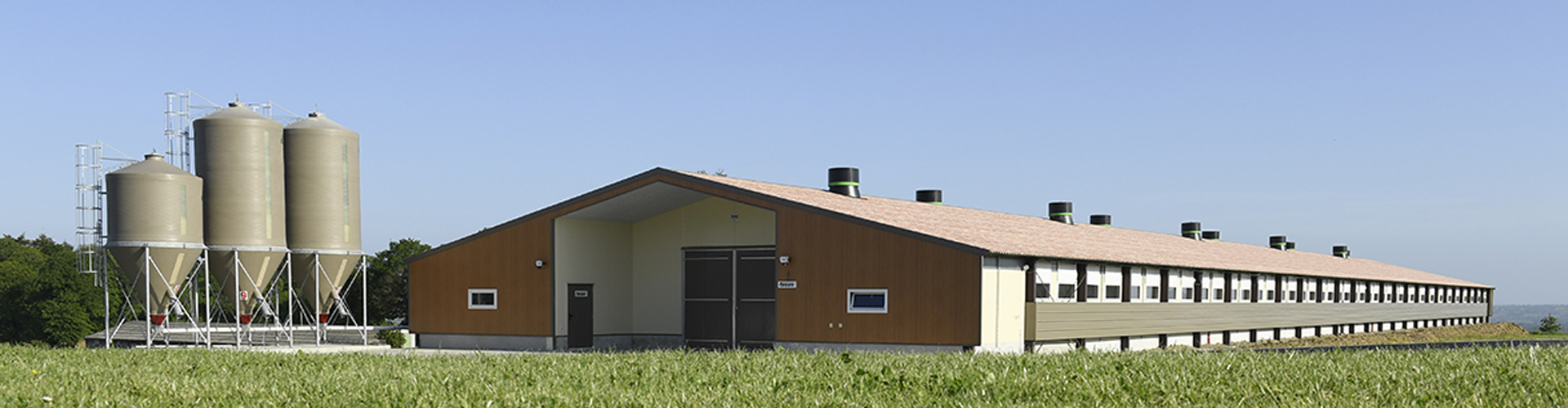
- Free range system for broiler chickens combines housing, feeding, drinking, ventilation, lighting, and range control into one measurable production platform, supporting commercial farms from 1,000 to 100,000 birds with coordinated equipment management.
An automatic poultry feeding system improves feed distribution while reducing repetitive labor across 8–24-hour operating cycles and multiple production houses.
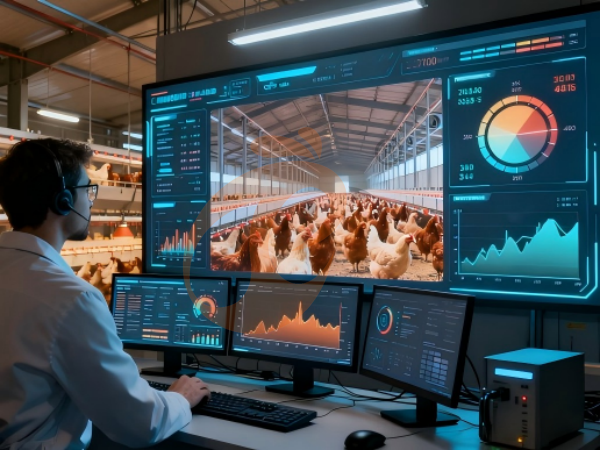
Integrated broiler poultry equipment connects environmental monitoring with daily inspections, helping operators identify equipment deviations before routine production is affected.
Seven practical management checks cover feed, water, air, range access, lighting, alarms, and maintenance through measurable operating records rather than subjective observations.
- Proper system engineering creates a scalable production structure with 6 core equipment categories, supporting consistent operation, easier maintenance, and future farm expansion.
Get professional poultry farm construction guidance, equipment selection solutions, and the latest price lists, whatsApp to +8618830120193, click to learn more:
Free Range Broiler System: Equipment Configuration
A successful free range system for broiler chickens needs more than outdoor access.
The house, feeding, drinking, ventilation, lighting, environmental control, and range-access equipment should operate as one coordinated system, with flock capacities from 1,000 to 100,000 birds and house lengths commonly reaching 120 m.
Equipment selection should consider target market weight, climate conditions, house dimensions, and required certification standards, while a broiler poultry equipment package can be configured around 6 major equipment modules.
Data is for reference only.Swipe horizontally to view full table.
Feed System Inspection: Check Delivery, Not Just Inventory
Feed equipment should be inspected across the complete delivery path, because an automatic poultry feeding system depends on coordinated hopper, motor, auger, sensor, and pan operation.
The inspection should verify feed movement rather than merely confirming inventory, with each production cycle checked within approximately 15 minutes of scheduled delivery.
A properly configured free range system for broiler chickens can combine automated feeding with centralized monitoring, while feed-line inspection points should be distributed across at least 3 physical locations to identify uneven mechanical performance.
Data is for reference only.Swipe horizontally to view full table.
Water As A Production Sensor
Water consumption creates an early operational signal.
A free range system for broiler chickens should compare current water behavior with established flock patterns, with digital records captured at 15-minute intervals and abnormal flow events evaluated within 5 minutes.
Inspect the beginning, middle, and end of each drinking line for leakage, sediment, damaged connections, and pressure variation, while approximately 3 inspection points per line provide a practical field sampling structure.
An automatic poultry feeding system should also be coordinated with drinking equipment because feed delivery and water availability operate as connected production processes, with daily records maintained across the complete 24-hour cycle.
Water Equipment: Verify Pressure And Distribution
Data is for reference only.Swipe horizontally to view full table.
Use Air Movement As The Diagnostic Tool
Do not judge ventilation by fan operation alone.
A free range system for broiler chickens requires controlled air movement through inlets, occupied zones, and exhaust points, with measurements taken at approximately 1.0 m above floor level.
Use the sequence Fan → Inlet → Bird Level → Exhaust → Controller Record, while a minimum inspection interval of 30 minutes during critical weather periods can help detect changing ventilation conditions.
For hot-weather operation, a broiler poultry equipment package can combine tunnel fans, controlled inlets, and sensors, with air movement potentially reaching approximately 2 m/s according to housing design.
Ventilation And Air Quality Control
Data is for reference only.Swipe horizontally to view full table.
Turn The Outdoor Range Into A Controlled Production Zone
Free range does not mean unmanaged range.
A free range system for broiler chickens should treat outdoor areas as controlled production zones, with daily checks covering access doors, perimeter fencing, shade, drainage, vegetation, and bird distribution.
Automated pop-hole doors can coordinate outdoor access with programmed lighting, while weather sensors can provide additional control using monitoring intervals of 5–10 minutes.
A complete broiler poultry equipment solution can connect indoor environmental controls with range-access equipment, while range vegetation management may cover approximately 70% of the usable range according to referenced welfare guidance.
Data is for reference only.Swipe horizontally to view full table.
Lighting, Controller And Alarm Inspection
Data is for reference only.Swipe horizontally to view full table.
Lighting should function as a programmable control layer within a free range system for broiler chickens, with operating schedules reviewed at least once every 24 hours.
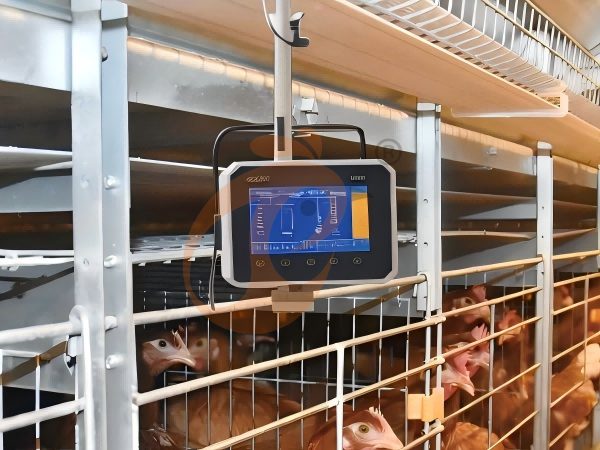
An automatic poultry feeding system should share alarm and controller logic with other major equipment where possible, while backup records covering 30 days provide a practical reference for troubleshooting and production review.
European union standard reference only.
Finish With A Maintenance Decision
Every inspection should create a defined maintenance result.
KEEP RUNNING → Equipment remains within its recorded operating specification, with the next inspection scheduled within 24 hours.
ADJUST → Equipment remains functional but requires calibration, cleaning, alignment, or parameter correction within the next maintenance cycle.
STOP & REPAIR → A failure could affect feed, water, ventilation, lighting, or bird safety, requiring immediate isolation and technical intervention.
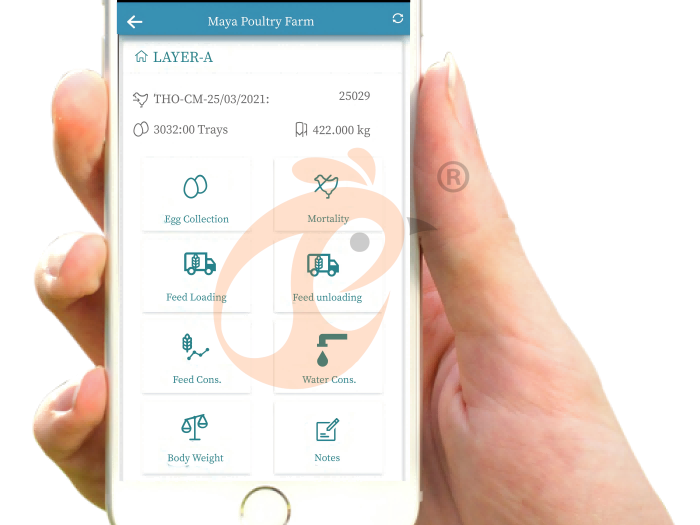
For a free range system for broiler chickens, digital maintenance records can synchronize approximately every 60 seconds, while equipment identification codes such as FAN-04 or WTR-07 allow recurring faults to be traced across multiple houses.
Seven Daily Checks: Integrated Management Dashboard
Data is for reference only.Swipe horizontally to view full table.
A commercial free range system for broiler chickens performs best when seven daily checks are connected through an integrated equipment platform, with 6 major equipment categories supporting coordinated operation.
The real value of modern broiler poultry equipment is measurable control rather than automation alone, because feed, water, ventilation, lighting, and access equipment can generate operating records across 24-hour production cycles.
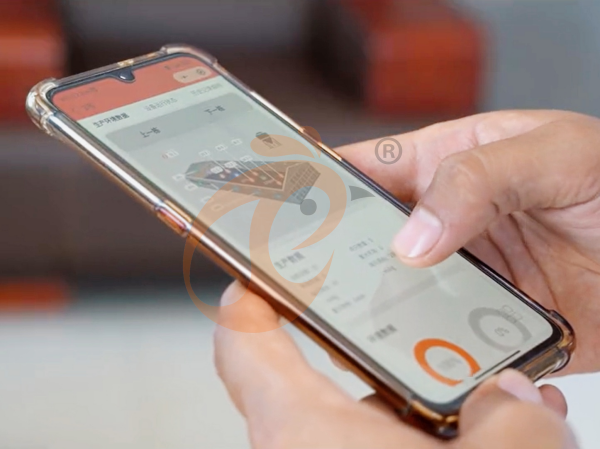
An automatic poultry feeding system reduces repetitive handling while integrated environmental controls support repeatable management, with centralized monitoring capable of covering multiple houses from one operating interface.
Frequently Asked Questions
Q1: How does a free range system for broiler chickens support daily management?
A free range system for broiler chickens connects feeding, drinking, ventilation, lighting, and range access into coordinated workflows, while seven daily checks provide structured inspection points across a 24-hour operating period.
Q2: Which equipment should be prioritized for commercial broiler farms?
An automatic poultry feeding system, nipple drinking lines, tunnel ventilation, environmental controllers, lighting systems, and automated range doors form the primary equipment structure, with controller records commonly retained for 30 days.
Q3: Why is integrated broiler poultry equipment better than separate machines?
Integrated broiler poultry equipment allows controllers, sensors, alarms, and mechanical systems to exchange operating information, reducing fragmented inspections and supporting fault identification within approximately 60 seconds for configured alarm events.
Taiyu (HK) Group - One Of China Toppest Free Range System For Broiler Chickens Manufacturer
Free range system for broiler chickens integrates feeding, drinking, ventilation, lighting, and range-access modules, supporting commercial houses from 1,000 to 100,000 birds with configurable automation and centralized control.
Global factory-direct production covers complete poultry equipment packages, including automatic feeders, nipple drinkers, ventilation fans, environmental controllers, lighting systems, and range-access machinery for international farm projects.
Turn-key engineering combines house equipment selection, system layout, electrical control integration, installation guidance, commissioning support, and operator training within one project-oriented supply structure.
Factory engineering teams configure broiler poultry equipment according to house dimensions, flock capacity, climate conditions, production targets, and local technical requirements, supporting both new construction and farm modernization.
International project supply supports containerized equipment planning, component coordination, technical documentation, spare-parts preparation, and scalable installation for multi-house commercial poultry production.
Contact Us To Received Your Customized Poultry Farm Plan
Headquarters And Branchs

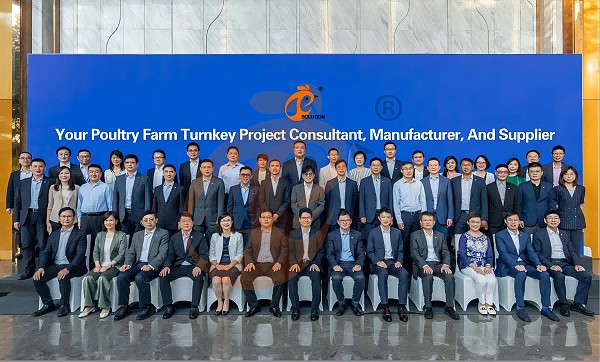
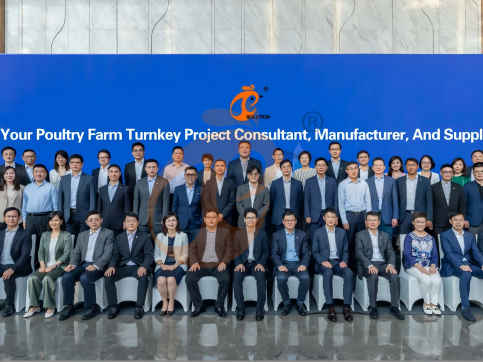
Hong Kong Headquarter Management Team
Hong Kong Headquarter Taiyu Industrial Group CO., LTD
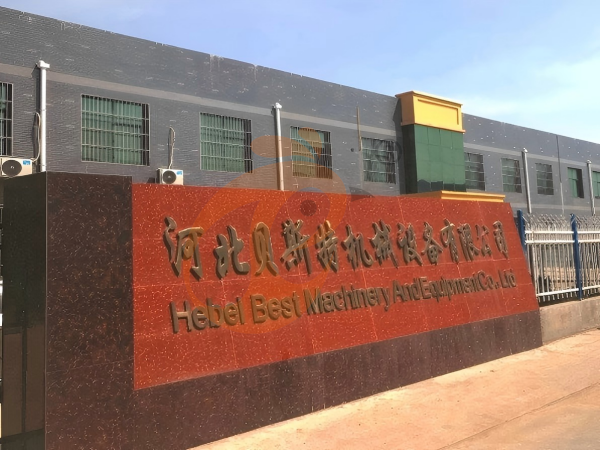
China Hebei Best Machinery And Equipment CO., LTD
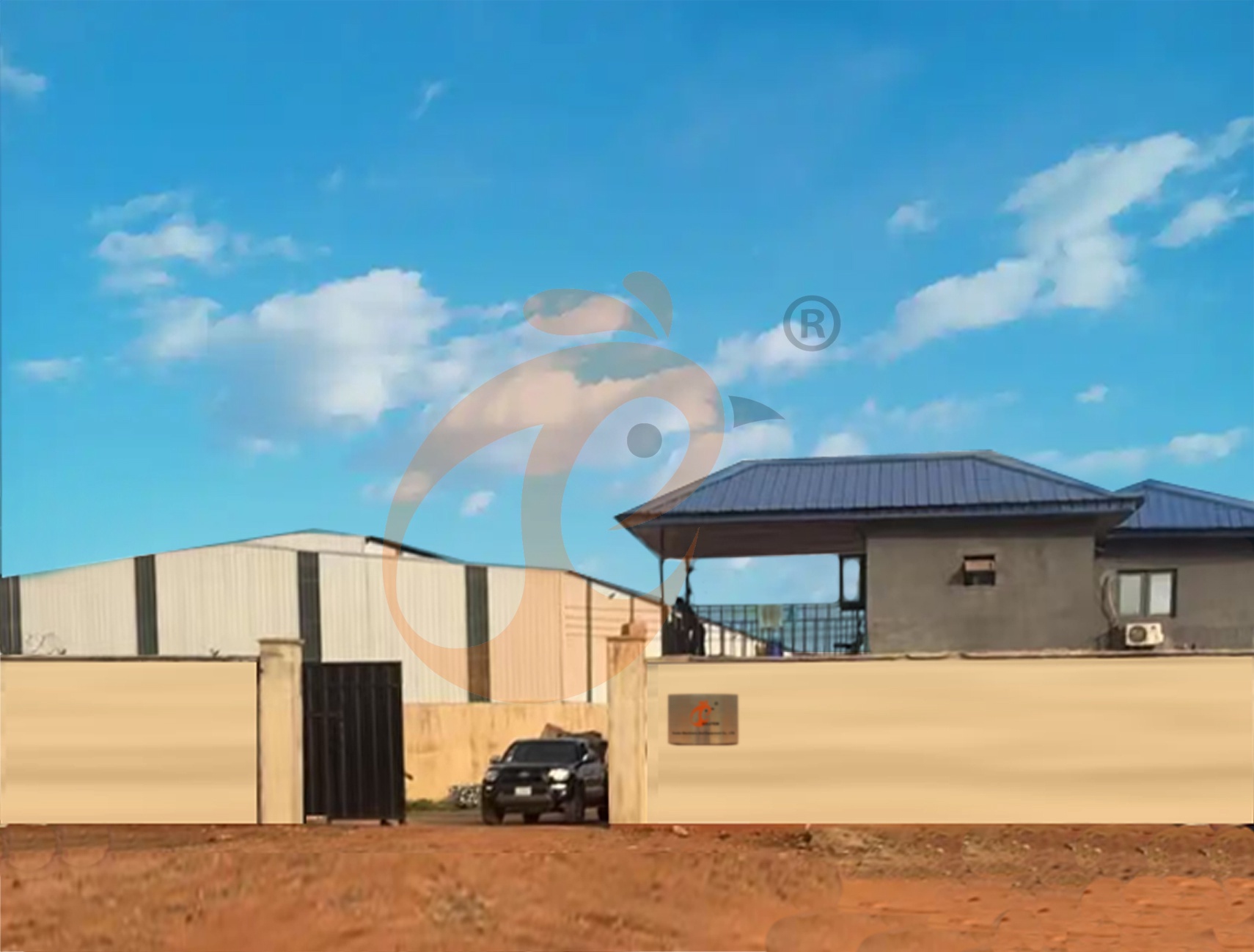
Nigeria Vanke Machinery And Equipment CO., LTD
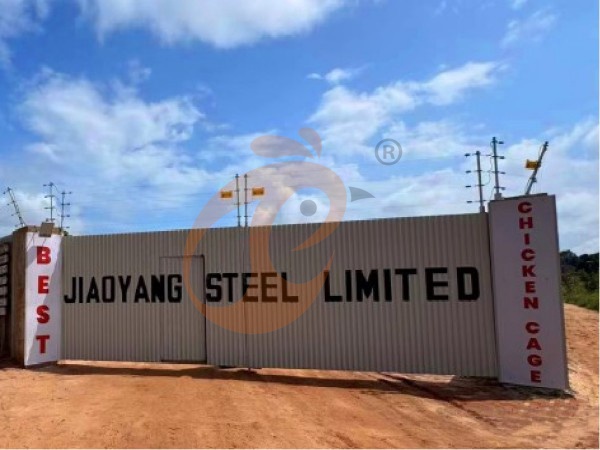
Tanzania Best Machinery And Equipment CO., LTD
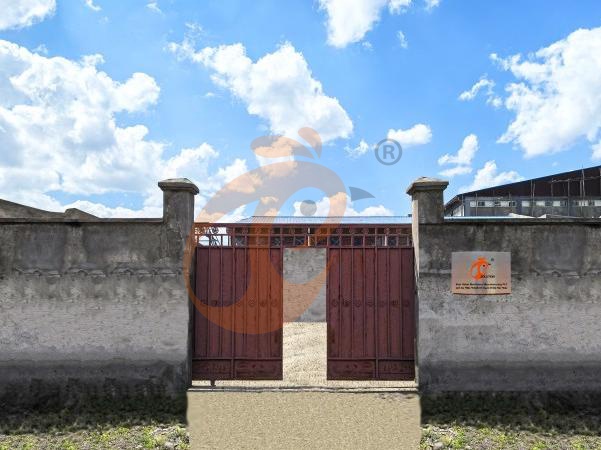
Ethiopia Best Hebei Machinery Manufacturing PLC




Reception /24 WhatsApp NO. : +8618830120193
FAQ
How Does Free Range System Affect Feed Consumption?
Energy expenditure increases daily intake variation by 15%–22% across seasons.
Feed conversion efficiency ranges from 1.9–2.3 depending on grazing intensity.
What Are The Housing Transition Management Standards In Free Range Poultry System?
Indoor-outdoor transition time is controlled within 10–15 minutes per flock movement cycle.
Lighting guidance systems operate at 5–8 lux to direct flock movement behavior.
What Are The Seasonal Adaptation Strategies In Free Range Poultry System?
Summer shade coverage is increased to 60%–80% of grazing area for heat stress reduction.
Rainfall drainage capacity handles 25–40 mm per hour precipitation levels for land usability.
Message
Products recommended
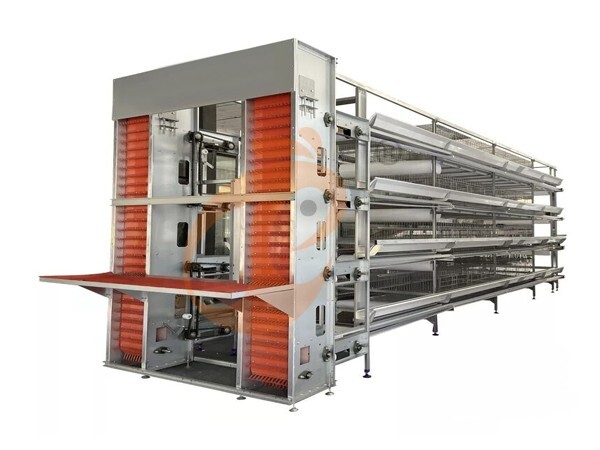
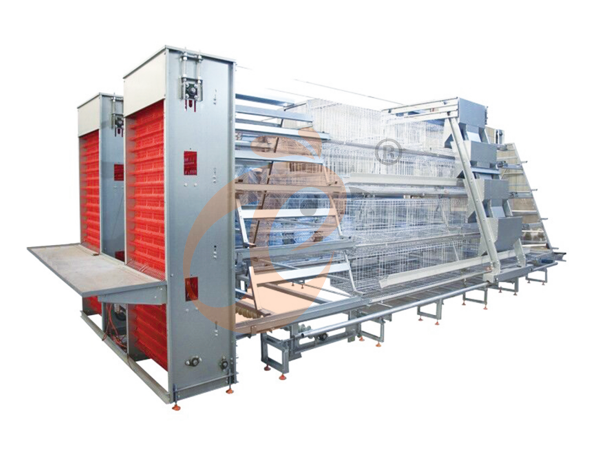
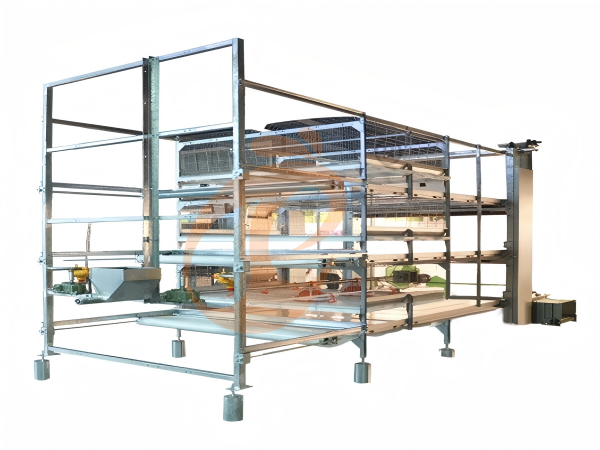
 >30,000 Pullets Automatic H Type Battery Cage1. More than 30,000 pullets a house, choose it.
2. It is designed to rearing older than 1 day old pullets to 12 to 16 weeks old chicken starting laying eggs.
3. Its lifespan is more than 25 years.
4. Its structure are Vcloud artificial intelligent fusion, electric control cabinet, automatic equipment of drinking, feeding, manure clean, manual harvesting.
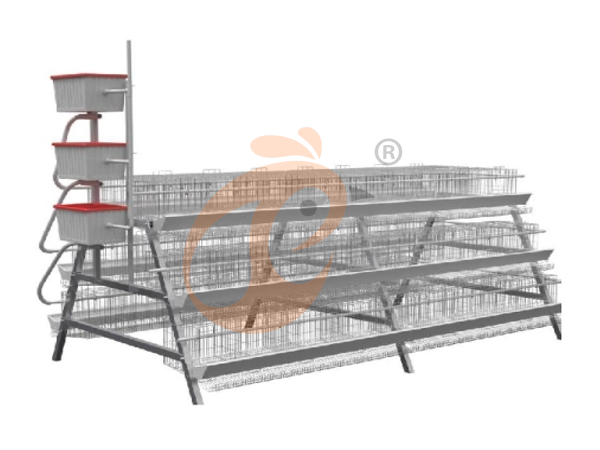
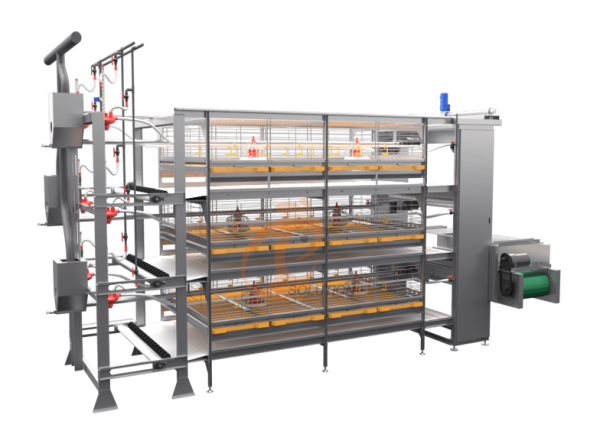
5. Our 24 hour online reception What’sApp NO. is +8618830120193 <30,000 Pullets Automatic A Type Battery Cage1. 10,000 to 30,000 pullets a house, choose it.
2. It is designed to rearing older than 1 day old pullets to 12 to 16 weeks old chicken starting laying eggs.
3. Its lifespan is more than 25 years.
4. Its structure are Vcloud artificial intelligent fusion, electric control cabinet, automatic equipment of drinking, feeding, manure clean, manual harvesting.
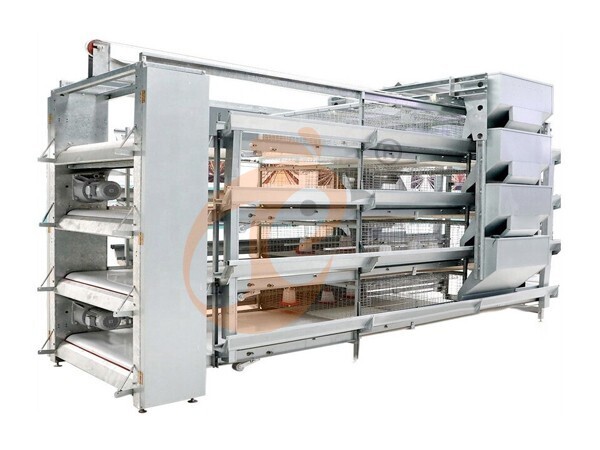
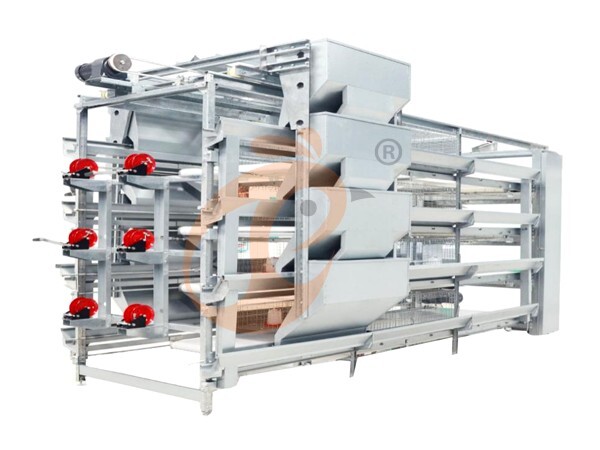
5. Our 24 hour online reception What’sApp NO. is +86 18830120193. >30,000 Broilers Semi-Automatic Harvest H Type Battery Cage1. More than 30,000 broilers a house, choose it.
2. It is designed to rearing 1 to 45 day old adult broiler ready for market.
3. Its lifespan is more than 20 years.
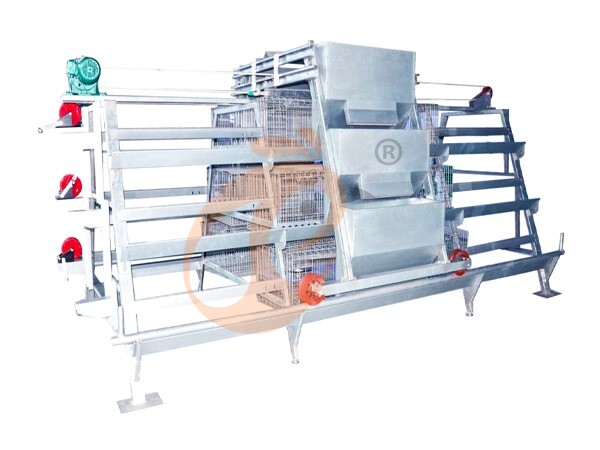
4. Our 24 hour online reception What’sApp NO. is +8618830120193, +234 8111199996. >30,000 Broilers Manual Harvest H Type Battery Cage1. More than 30,000 broilers a house, choose it.
2. It is designed to rearing 1 to 45 day old adult broiler ready for market.
3. Its lifespan is more than 20 years.
4. Its structure are Vcloud artificial intelligent fusion, electric control cabinet, automatic equipment of drinking, feeding and manure clean, manual harvesting.
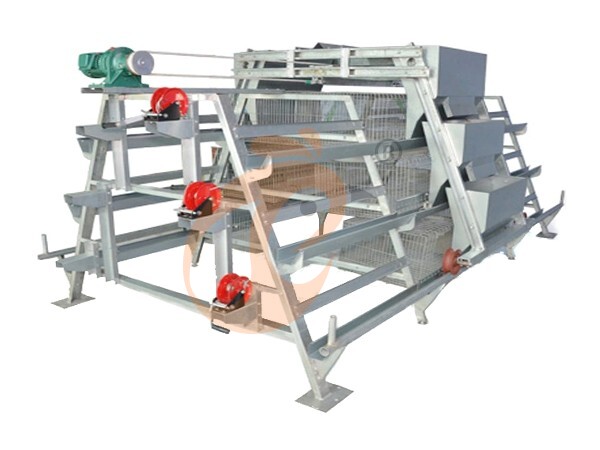
5. Our 24 hour online reception What’sApp NO. is +8618830120193, +234 8111199996. <30,000 Broilers Manual Harvest A Type Battery Cage1. Less 30,000 broilers a house, choose it.
2. It is designed to rearing 1 to 45 day old adult broiler ready for market.
3. Its lifespan is more than 20 years.
4. Its structure are Vcloud artificial intelligent fusion, electric control cabinet, automatic equipment of drinking, feeding and manure clean, manual harvesting.
5. Our 24 hour online reception What’sApp NO. is +8618830120193, +234 8111199996. HK Headquarter Offers EU-standard Poultry Farm Solutions, Manufacture Poultry Farm Equipment1. Continuous communication with the EU and the US
2. China, Nigeria, Ethiopia, Tanzania branch companies and factories
3. The products’ quality is customized for local poultry farms
4. Poultry cage and poultry farm equipment stock for sale
5. 24 online reception Whatsapp NO. : +8618830120193,contact us to get full information China Branch Offer Poultry Farm Business Plan, Manufacture Poultry Farm Equipment1. Address: Flat/RM 2416, 24/F, Runxing Building, Youyi Nan Street, Shijiazhuang City, Hebei Province, China
2. Poultry cage and poultry farm equipment factory and stock for sale
3. Customized for local poultry farms
4. Quality and design are based on Euro
5. 24 online reception Whatsapp NO. : +8618830120193 Nigeria Branch Offer Poultry Farm Business Plan, Manufacture Poultry Farm Equipment1. Address: After Sinoma Office, 200 Meters Near Danco Filling Station, Lagos/Ibadan Expressway, Lagos State, Nigeria
2. Poultry cage and poultry farm equipment factory and stock for sale
3. Customized for Nigerian poultry farms
4. Quality and design are based on Euro
5. 24 online reception Whatsapp NO. : +8618830120193 Ethiopia Branch Offer Poultry Farm Business Plan, Manufacture Poultry Farm Equipment1. Address: Gelan Gura, Akaki-kaliti Sub City, Addis Ababa, Ethiopia
2. Poultry cage and poultry farm equipment stock for sale
3. Customized for Ethiopian poultry farms
4. Quality and design are based on Euro
5. 24 online reception Whatsapp NO. : +8618830120193, contact us to get price list Tanzania Branch Offer Poultry Farm Business Plan, Manufacture Poultry Farm Equipment1. Address: No.8, Sova Road, Msufini, Mlandizi, Kibaha, Pwani, Tanzania
2. Poultry cage and poultry farm equipment factory and stock for sale
3. Customized for Tanzanian poultry farms
4. Quality and design are based on Euro
5. 24 online reception Whatsapp NO. : +8618830120193

Contact