


Blog
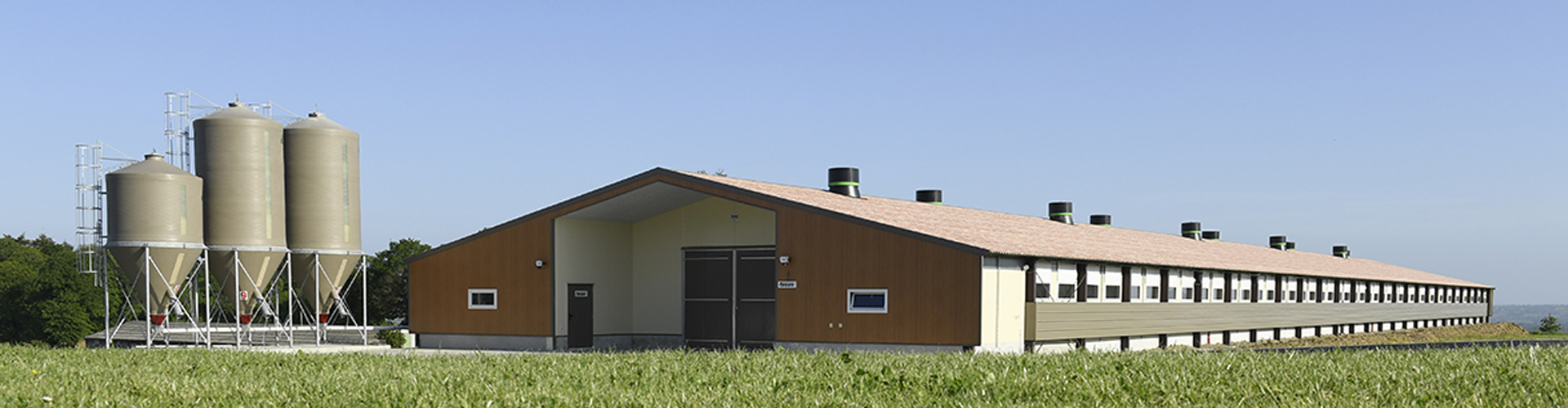
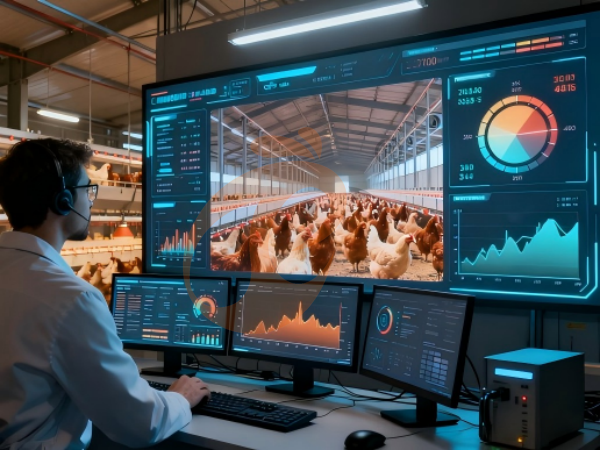
- Deep litter system for broiler chickens connects feeding, drinking, ventilation, heating, cooling, and climate control into one measurable production structure with 10-minute data recording.
Automatic broiler feeding system improves feed delivery consistency while equipment coordination reduces unnecessary manual intervention during daily flock management with 45-second cycle monitoring.
Broiler house ventilation system supports litter management by coordinating airflow, moisture removal, sensors, and controllers through structured daily inspection with 5 inspection zones.
Equipment integration creates stronger operational visibility, allowing water, feed, airflow, and bird distribution to be assessed through measurable equipment conditions with 24-hour trend records.
- A commercially engineered deep litter system for broiler chickens converts seven routine checks into a practical equipment-management loop designed around measurable production performance with 8 ventilation stages.
Get professional poultry farm construction guidance, equipment selection solutions, and the latest price lists, whatsApp to +8618830120193, click to learn more:
Seven Checks, One Equipment Management Loop
Data is for reference only.Swipe horizontally to view full table.
A deep litter system for broiler chickens works best when daily inspection connects equipment behavior with flock conditions rather than treating each component separately.
A broiler house ventilation system should therefore be evaluated alongside water and feeding equipment, while automatic broiler feeding system performance should be checked through operational records rather than appearance alone.
The Seven-Check Walk: A Seven-Stop Route
STOP 01 — Floor: Walk the complete litter surface before adjusting equipment, using 5 inspection zones to prevent repeated inspection of only convenient locations.
STOP 02 — Water: Inspect nipples, regulators, connections, and catch cups, because a leaking component can create localized litter deterioration within 24 hours.
STOP 03 — Air: Evaluate airflow distribution around the bird zone, checking inlet direction and exhaust response while maintaining 2 inspection points across representative house sections.
STOP 04 — Feed: Observe the feeding line during operation and record motor behavior, with a 45-second cycle deviation serving as a useful trigger for mechanical inspection.
STOP 05 — Birds: Treat bird distribution as an equipment-performance indicator, because clustering may reveal environmental or access problems before controller alarms appear.
STOP 06 — Controller: Compare current readings with previous records and avoid unnecessary simultaneous adjustments, allowing each equipment change to be evaluated over 15-minute observation periods.
STOP 07 — Record: Complete corrective-action records by identifying components, conditions, adjustments, and verification results, while maintaining a 24-hour trend window for recurring deviations.
A deep litter system for broiler chickens makes such inspection practical when the broiler house ventilation system and automatic broiler feeding system provide measurable operating information.
Litter Check: Diagnose The Source, Not The Symptom
Data is for reference only.Swipe horizontally to view full table.
A deep litter system for broiler chickens should diagnose wet litter through equipment relationships, with source tracing beginning from water delivery and environmental control rather than bedding replacement alone.
A broiler house ventilation system can support moisture removal while an automatic broiler feeding system helps maintain consistent bird distribution, creating a more controlled litter-management sequence across the production floor.
The Failure Chain: Read The Floor Backward
Wet patch under a nipple → inspect the nipple.
Wet patch extending along the house → inspect the water line and pressure regulation.
Wet litter throughout the house → investigate ventilation capacity and operating strategy.
Dry litter with excessive dust → review airflow distribution and litter handling.
Caked litter around heavily occupied areas → examine bird distribution and equipment accessibility.
When a deep litter system for broiler chickens shows repeated location-specific problems, equipment records should be reviewed before corrective bedding work, especially after 3 consecutive days of recurrence.
A broiler house ventilation system and automatic broiler feeding system should be assessed as connected causes because equipment interaction can produce floor conditions that appear unrelated at first inspection.
Water System Check: Protect The Litter From The Drinking Line
Data is for reference only.Swipe horizontally to view full table.
A deep litter system for broiler chickens depends on controlled drinking equipment because water management directly affects floor conditions, maintenance workload, and equipment reliability.
An automatic broiler feeding system should also maintain balanced access around drinking areas, while a broiler house ventilation system removes environmental moisture generated during daily flock activity.
Ventilation Check: Make Moisture Removal Measurable
Data is for reference only.Swipe horizontally to view full table.
A deep litter system for broiler chickens gains measurable moisture control when ventilation equipment responds to actual house conditions instead of fixed manual routines.
A broiler house ventilation system becomes commercially valuable when fan stages, inlets, sensors, and controllers operate as one coordinated network with 4 monitored environmental inputs.
Feeding Check: Consistency Starts At The Hopper
Data is for reference only.Swipe horizontally to view full table.
An automatic broiler feeding system strengthens a deep litter system for broiler chickens when feed distribution remains mechanically consistent, with motor behavior evaluated through 3 operating observations.
Equipment records can separate feed-demand changes from delivery faults, while controller-based operation allows 12 m/min transport performance to be reviewed against flock response without relying solely on visual inspection.
Bird Distribution Check: Let The Flock Test The System
Data is for reference only.Swipe horizontally to view full table.
Bird movement provides useful operational feedback for a deep litter system for broiler chickens, especially when uneven distribution appears around equipment interfaces during the same production period.
An automatic broiler feeding system should support balanced feed access, while a broiler house ventilation system should maintain uniform environmental conditions across approximately 20-meter observation intervals.
The Equipment Integration Test
Think of the deep litter system for broiler chickens as a closed operating loop:
Controller → Sensor → Equipment → House Environment → Bird Response → Sensor
Wet litter should lead inspection toward water delivery and ventilation, while bird clustering should extend investigation toward airflow, temperature, lighting, feed, and water accessibility.
For commercial projects, an automatic broiler feeding system and broiler house ventilation system should be specified as compatible equipment packages rather than unrelated machines, with 4 sensor-input groups supporting coordinated control.
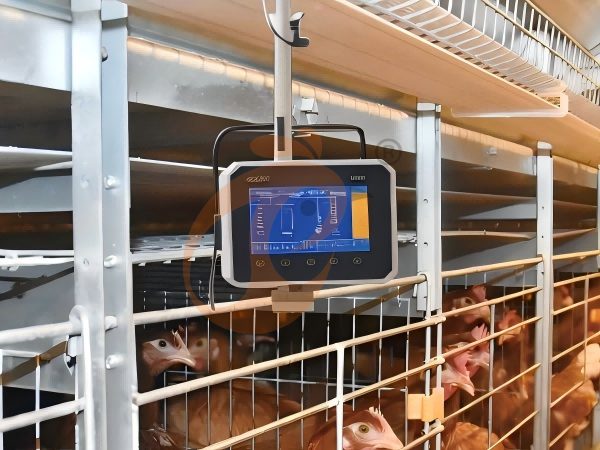
A controller supporting 8 independent ventilation stages and 4 temperature-sensor inputs provides a practical structure for equipment integration across different house operating conditions.
Turn Seven Checks Into A Sales Advantage
A deep litter system for broiler chickens should represent measurable control rather than a collection of independent machines, with equipment functions linked to daily production indicators.
Automatic feeder → controls feed distribution.
Nipple drinking system → limits unnecessary water exposure.
Tunnel ventilation → removes heat and moisture.
Cooling pads → support temperature management.
Environmental controller → converts measurements into equipment actions.
Sensors → provide continuous operating records.
Integrated control system → connects these components into one management platform.
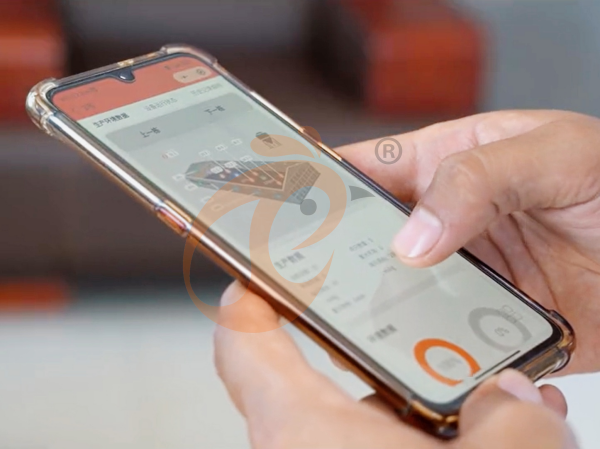
For equipment buyers, an integrated automatic broiler feeding system can reduce manual inspection requirements, while a broiler house ventilation system with remote alarm capability can issue notifications within 60 seconds when configured for connected monitoring.
Procurement Checklist: Specify The System, Not Just The Components
Data is for reference only.Swipe horizontally to view full table.
The strongest deep litter system for broiler chickens is an integrated equipment structure that allows operators to inspect, measure, adjust, and verify production conditions through repeatable procedures.
For commercial farms, an automatic broiler feeding system and broiler house ventilation system should be selected according to building dimensions, flock capacity, control architecture, and maintenance requirements rather than isolated component pricing.
Frequently Asked Questions
Q1: What equipment is essential for a deep litter system for broiler chickens?
A complete deep litter system for broiler chickens normally coordinates automatic feeding, nipple drinking, ventilation, cooling, heating, lighting, sensors, and environmental control, with daily inspection divided into 7 operational checks.
Q2: How does ventilation affect deep litter management?
A broiler house ventilation system removes moisture and controls air conditions, while properly coordinated airflow can support litter stability across different production stages using measurable airflow and environmental records.
Q3: Why integrate feeding and climate equipment?
An automatic broiler feeding system affects bird distribution, while ventilation affects environmental comfort, so integrated control helps identify equipment-related causes instead of treating symptoms separately with repeated manual adjustments.
Taiyu (HK) Group - One Of China Toppest Deep Litter System Manufacturer
Deep litter system for broiler chickens integrates automatic feeding, nipple drinking, ventilation, cooling, heating, lighting, and environmental control, supporting commercial houses with 8 independent ventilation stages and 4 temperature-sensor inputs.
Global factory-direct supply covers complete poultry equipment packages, with engineering coordination for equipment selection, layout design, manufacturing, inspection, and shipment from one technical source.
Turn-key engineering connects feeding, drinking, ventilation, cooling, heating, and control systems according to house dimensions, flock capacity, utility conditions, and project specifications.
International project support provides equipment configuration, technical documentation, installation guidance, commissioning procedures, and replacement-part planning for commercial poultry production facilities.
Factory engineering teams coordinate customized poultry equipment solutions for new-build and upgrading projects, maintaining component compatibility throughout system design, production, testing, and delivery.
Contact Us To Received Your Customized Poultry Farm Plan
Headquarters And Branchs

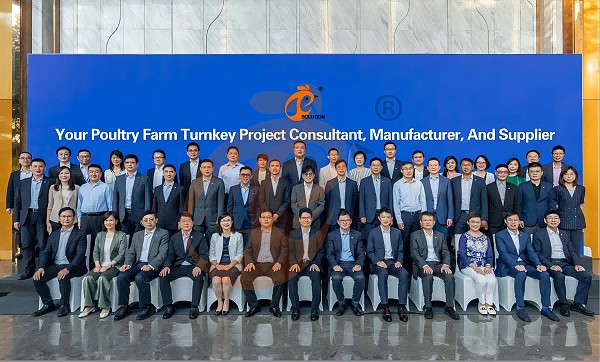
Hong Kong Headquarter Management Team
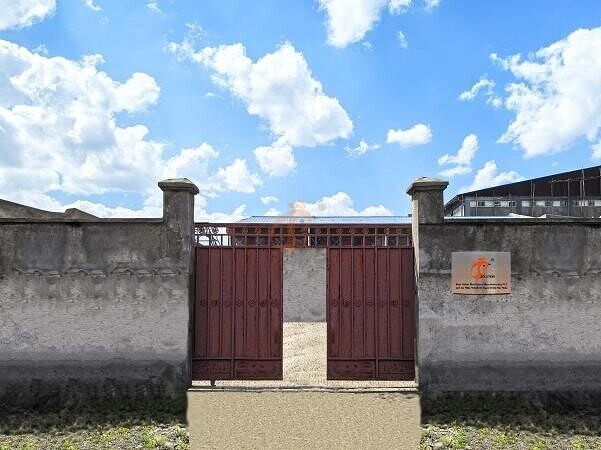
Hong Kong Headquarter Taiyu Industrial Group CO., LTD
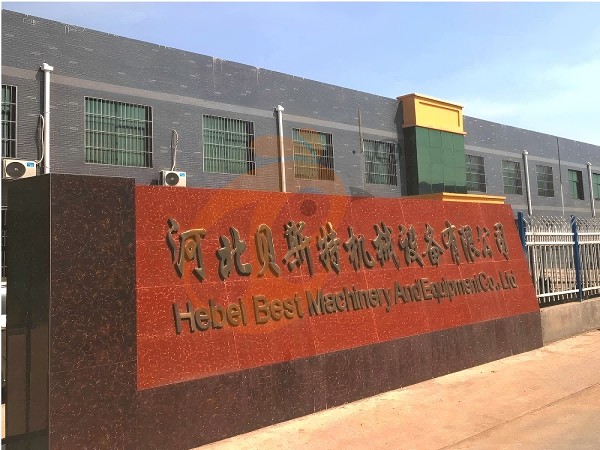
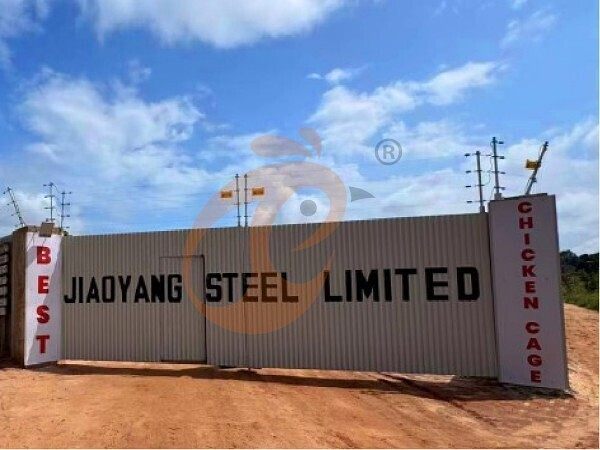
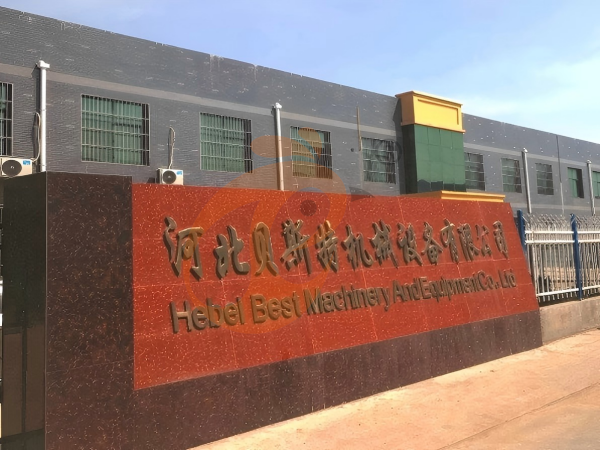
China Hebei Best Machinery And Equipment CO., LTD
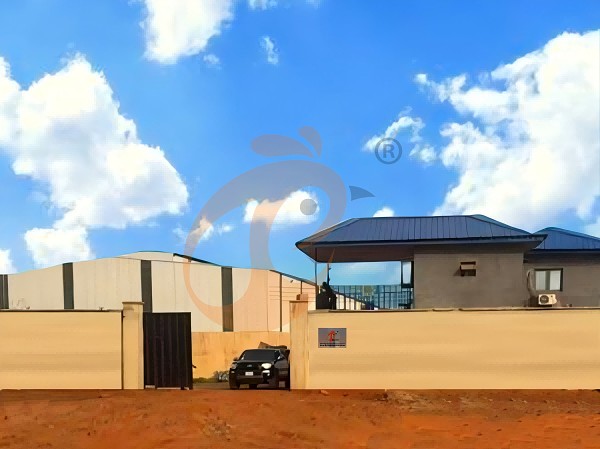
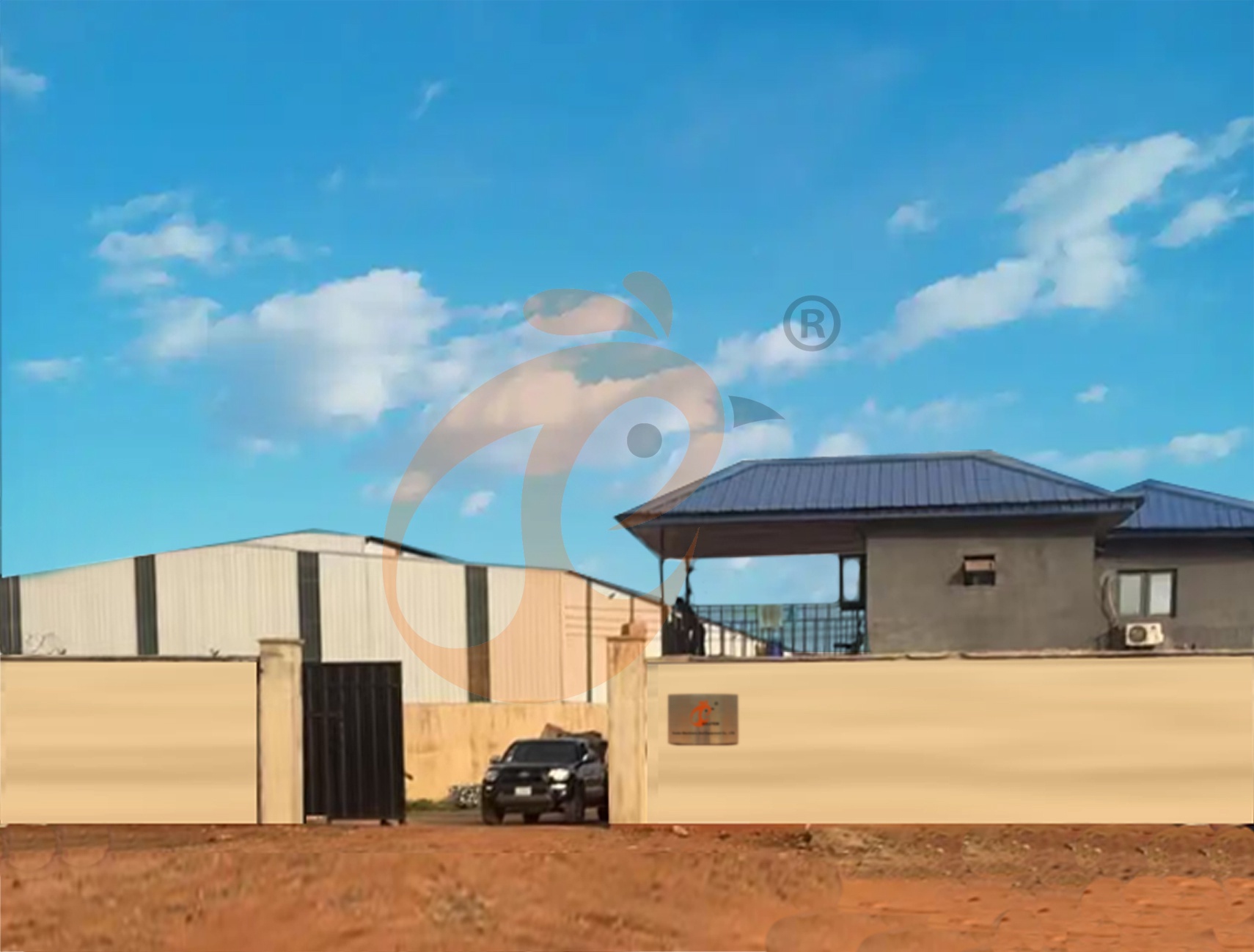
Nigeria Vanke Machinery And Equipment CO., LTD
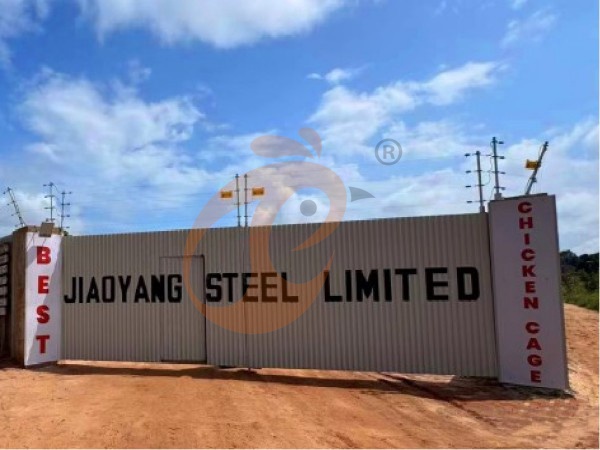
Tanzania Best Machinery And Equipment CO., LTD
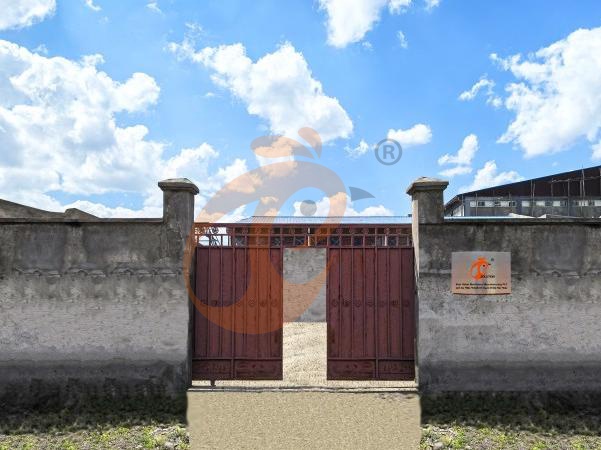
Ethiopia Best Hebei Machinery Manufacturing PLC
Reception /24 WhatsApp NO. : +8618830120193
FAQ
What Are The Growth Performance Benefits In Deep Litter Poultry System?
Feed conversion ratio improves to 1.55–1.78 due to thermal comfort and reduced stress.
Market uniformity rate exceeds 85%–92% within target slaughter weight range.
What Are The Litter Turning And Management Frequency Standards In Deep Litter Poultry System?
Surface leveling is maintained every 3–5 days to prevent compaction zones.
Full litter replacement cycle occurs every 2–3 production batches depending on load intensity.
What Are The Energy Efficiency And Cost Advantages In Deep Litter Poultry System?
Construction cost savings reach 25%–40% compared with fully caged housing systems.
Operational labor demand decreases by 30%–50% through simplified floor-based management.
Message
Products recommended
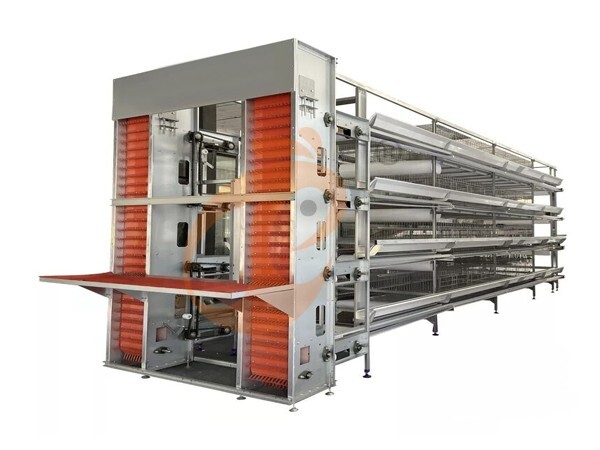
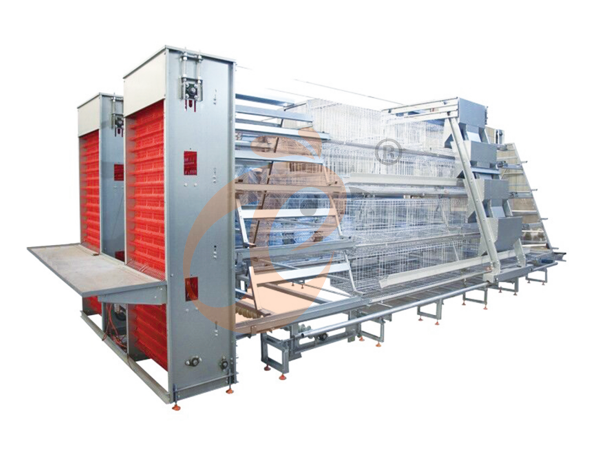
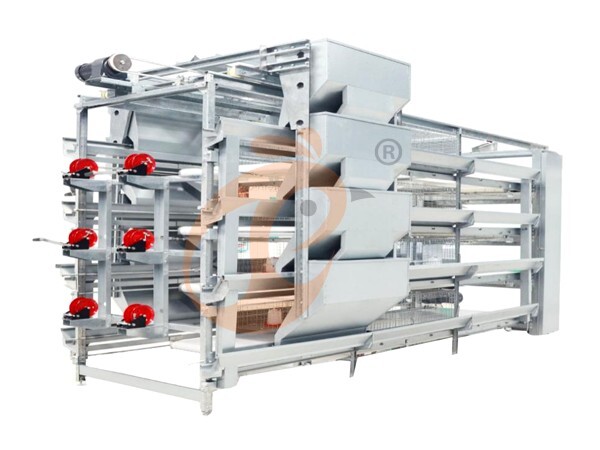
 >30,000 Pullets Automatic H Type Battery Cage1. More than 30,000 pullets a house, choose it.
2. It is designed to rearing older than 1 day old pullets to 12 to 16 weeks old chicken starting laying eggs.
3. Its lifespan is more than 25 years.
4. Its structure are Vcloud artificial intelligent fusion, electric control cabinet, automatic equipment of drinking, feeding, manure clean, manual harvesting.
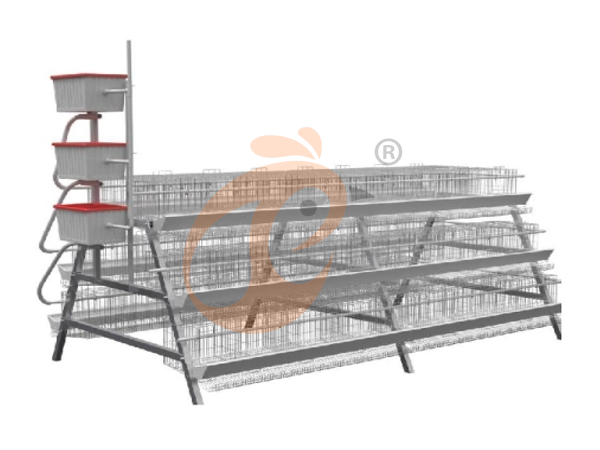
5. Our 24 hour online reception What’sApp NO. is +8618830120193 <30,000 Pullets Automatic A Type Battery Cage1. 10,000 to 30,000 pullets a house, choose it.
2. It is designed to rearing older than 1 day old pullets to 12 to 16 weeks old chicken starting laying eggs.
3. Its lifespan is more than 25 years.
4. Its structure are Vcloud artificial intelligent fusion, electric control cabinet, automatic equipment of drinking, feeding, manure clean, manual harvesting.
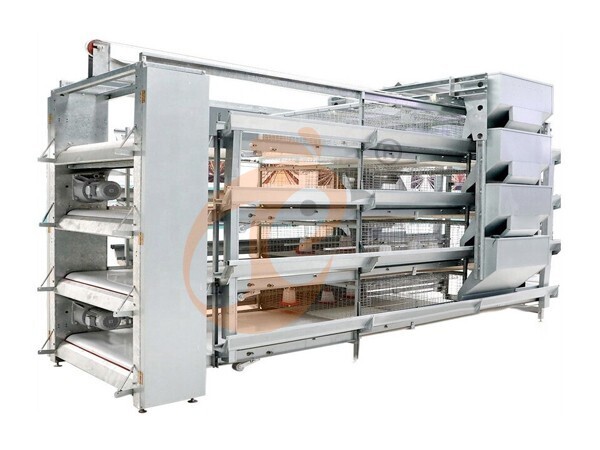
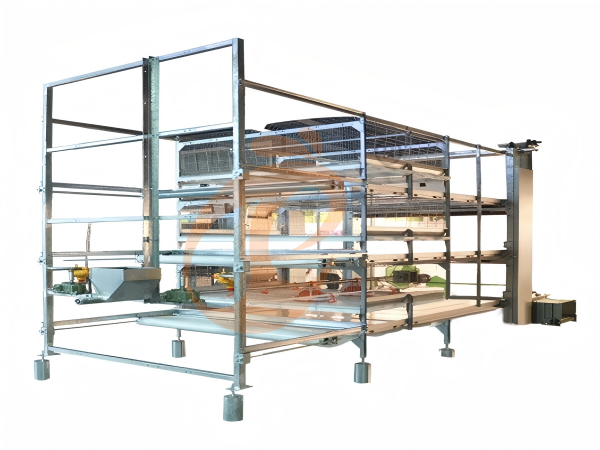
5. Our 24 hour online reception What’sApp NO. is +86 18830120193. >30,000 Broilers Semi-Automatic Harvest H Type Battery Cage1. More than 30,000 broilers a house, choose it.
2. It is designed to rearing 1 to 45 day old adult broiler ready for market.
3. Its lifespan is more than 20 years.
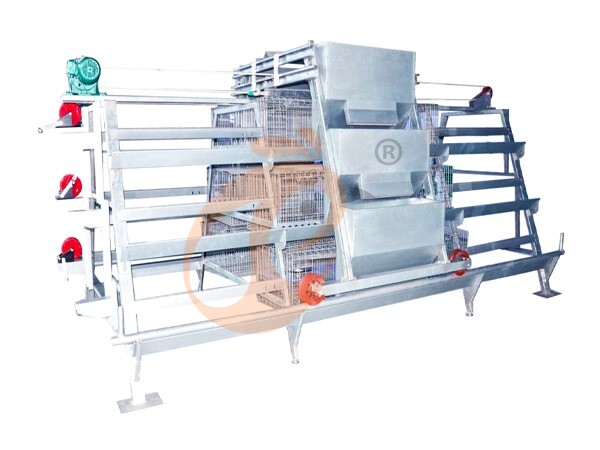
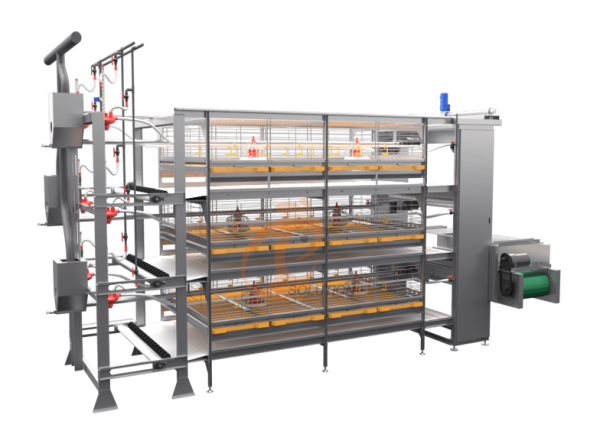
4. Our 24 hour online reception What’sApp NO. is +8618830120193, +234 8111199996. >30,000 Broilers Manual Harvest H Type Battery Cage1. More than 30,000 broilers a house, choose it.
2. It is designed to rearing 1 to 45 day old adult broiler ready for market.
3. Its lifespan is more than 20 years.
4. Its structure are Vcloud artificial intelligent fusion, electric control cabinet, automatic equipment of drinking, feeding and manure clean, manual harvesting.
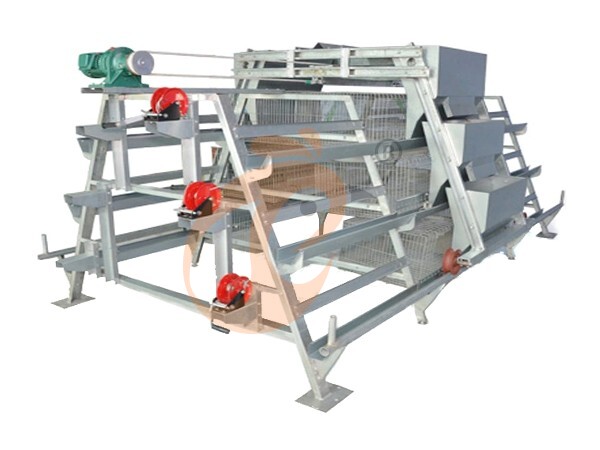
5. Our 24 hour online reception What’sApp NO. is +8618830120193, +234 8111199996. <30,000 Broilers Manual Harvest A Type Battery Cage1. Less 30,000 broilers a house, choose it.
2. It is designed to rearing 1 to 45 day old adult broiler ready for market.
3. Its lifespan is more than 20 years.
4. Its structure are Vcloud artificial intelligent fusion, electric control cabinet, automatic equipment of drinking, feeding and manure clean, manual harvesting.
5. Our 24 hour online reception What’sApp NO. is +8618830120193, +234 8111199996. HK Headquarter Offers EU-standard Poultry Farm Solutions, Manufacture Poultry Farm Equipment1. Continuous communication with the EU and the US
2. China, Nigeria, Ethiopia, Tanzania branch companies and factories
3. The products’ quality is customized for local poultry farms
4. Poultry cage and poultry farm equipment stock for sale
5. 24 online reception Whatsapp NO. : +8618830120193,contact us to get full information China Branch Offer Poultry Farm Business Plan, Manufacture Poultry Farm Equipment1. Address: Flat/RM 2416, 24/F, Runxing Building, Youyi Nan Street, Shijiazhuang City, Hebei Province, China
2. Poultry cage and poultry farm equipment factory and stock for sale
3. Customized for local poultry farms
4. Quality and design are based on Euro
5. 24 online reception Whatsapp NO. : +8618830120193 Nigeria Branch Offer Poultry Farm Business Plan, Manufacture Poultry Farm Equipment1. Address: After Sinoma Office, 200 Meters Near Danco Filling Station, Lagos/Ibadan Expressway, Lagos State, Nigeria
2. Poultry cage and poultry farm equipment factory and stock for sale
3. Customized for Nigerian poultry farms
4. Quality and design are based on Euro
5. 24 online reception Whatsapp NO. : +8618830120193 Ethiopia Branch Offer Poultry Farm Business Plan, Manufacture Poultry Farm Equipment1. Address: Gelan Gura, Akaki-kaliti Sub City, Addis Ababa, Ethiopia
2. Poultry cage and poultry farm equipment stock for sale
3. Customized for Ethiopian poultry farms
4. Quality and design are based on Euro
5. 24 online reception Whatsapp NO. : +8618830120193, contact us to get price list Tanzania Branch Offer Poultry Farm Business Plan, Manufacture Poultry Farm Equipment1. Address: No.8, Sova Road, Msufini, Mlandizi, Kibaha, Pwani, Tanzania
2. Poultry cage and poultry farm equipment factory and stock for sale
3. Customized for Tanzanian poultry farms
4. Quality and design are based on Euro
5. 24 online reception Whatsapp NO. : +8618830120193

Contact