


Blog
- Poultry nipple drinkers upgrade aging water lines through five measurable steps, connecting inspection, selection, cleaning, installation, and commissioning for commercial poultry houses.
Automatic chicken drinkers support controlled water delivery, cleaner litter, reduced leakage exposure, and simpler maintenance across 100–150 m production lines.
A poultry drinking system also requires filtration, pressure regulation, suspension, flushing, and compatible fittings, creating one coordinated equipment package.
Specifications covering 304 stainless steel, 20–25 mm piping, and 80–120 mesh filtration provide concrete purchasing references.
- Professional poultry equipment sourcing combines durable nipple drinkers with engineering support, scalable components, and turn-key project capability for dependable farm operation and efficiency.
Get professional poultry farm construction guidance, equipment selection solutions, and the latest price lists, whatsApp to +8618830120193, click to learn more:
Step 1 — Audit The Existing Water Line
Data is for reference only.Swipe horizontally to view full table.
A professional poultry drinking system assessment prevents unnecessary replacement of usable infrastructure.
For example, a house containing 100–150 m drinking lines may retain serviceable infrastructure while replacing worn components and selected fittings.
Step 2 — Choose The Right Nipple Drinker
Data is for reference only.Swipe horizontally to view full table.
Selecting poultry nipple drinkers should consider bird type, installation configuration, activation mechanism, and service requirements.
Stainless-steel components around 80–95 HRB hardness provide a practical reference for repeated mechanical contact during continuous operation.
Step 3 — Prepare The Line Like A Professional Installer
STOP → CLEAN → CONNECT → TEST
STOP: Shut off the water supply and drain the existing line completely.
Allow approximately 5–10 minutes for drainage before opening connection points, reducing residual water during replacement work.
CLEAN: Flush reusable pipework and remove accumulated deposits before fitting automatic chicken drinkers.
A circulation period of approximately 30–60 minutes provides a practical preparation benchmark before installation.
CONNECT: Install nipple assemblies, connectors, end components, and supporting hardware according to the selected configuration.
TEST: Restore water gradually and inspect each section before normal operation begins.
Nipple Drinker Technical Configuration
Data is for reference only.Swipe horizontally to view full table.
The nipple is the operating core of poultry nipple drinkers, with valve geometry, sealing structure, and housing quality affecting repeated activation.
A precision valve assembly can support consistent operation during production cycles exceeding 40 weeks, subject to water quality and maintenance.
Step 4 — Install The Drinking Line Correctly
Installation accuracy directly affects poultry drinking system performance, especially when long lines are suspended across large houses.
For a 150 m line, maintaining consistent mechanical alignment reduces unnecessary movement during daily height adjustment.
Install each connection without excessive mechanical force, and keep sealing surfaces clean during assembly.
Water-Line Pressure And Flow Parameters
Data is for reference only.Swipe horizontally to view full table.
Pressure management determines how automatic chicken drinkers respond under operating conditions.
For a commercial house, pressure should be checked at multiple positions, with measurements repeated after approximately 10 minutes of stabilized operation.
A Farm-Side Decision Test
Question 1: Are birds receiving water consistently?
Measure representative locations rather than judging the first drinker alone, particularly when a house contains 2,000 or more nipples.
Question 2: Are connections mechanically secure?
Inspect joints after pressurization and repeat the inspection after approximately 30 minutes of operation.
Question 3: Can workers service the system efficiently?
Accessible flushing and replacement points become increasingly valuable when one poultry house contains more than 20,000 birds.
Line Accessories For A Complete Upgrade
Data is for reference only.Swipe horizontally to view full table.
Replacing only the poultry nipple drinkers can leave aging accessories as the remaining maintenance risk.
An integrated equipment package can coordinate filtration, regulation, suspension, and flushing around production lines exceeding 100 m.
Step 5 — Flush, Test, And Commission
Water first. Flush every line until discharged water appears clean.
Pressure second. Open the supply gradually and allow approximately 10 minutes for stabilization.
Nipples third. Activate representative drinkers at the beginning, middle, and end.
Connections fourth. Inspect joints under normal operating conditions.
Final check last. Verify suspension, valves, regulators, and end assemblies before flock placement.
Old System Vs. Upgraded Nipple System
Data is for reference only.Swipe horizontally to view full table.
The main advantage of poultry drinking system modernization is improved process control rather than cosmetic equipment replacement.
Modern configurations can also connect with automated monitoring equipment and reduce routine inspection requirements across 24-hour production schedules.
Why Choose A Complete Poultry Equipment Supplier?
Data is for reference only.Swipe horizontally to view full table.
A complete poultry equipment supplier can coordinate poultry nipple drinkers with pipes, regulators, filters, connectors, and suspension components.
For projects involving 20,000–100,000 birds, coordinated engineering reduces procurement complexity and component mismatch.
Upgrade Your Water Line In 5 Steps
01 — INSPECT the existing infrastructure and identify components requiring replacement.
02 — SELECT poultry nipple drinkers according to flock type and system configuration.
03 — PREPARE the line through draining, cleaning, flushing, and damaged-section replacement.
04 — INSTALL the drinking system with compatible control and support components.
05 — COMMISSION through pressure testing, leakage inspection, activation testing, and final flushing.
A properly engineered poultry drinking system can modernize aging infrastructure without automatically rebuilding every component.
For commercial projects, equipment selection should consider house dimensions, flock capacity, water treatment, and installation requirements rather than relying on one universal configuration.
Frequently Asked Questions
Q1: What should be checked before installing poultry nipple drinkers?
Inspect pipes, fittings, filtration, suspension, and flushing arrangements before installation, while allowing approximately 30–60 minutes for cleaning preparation.
Q2: Can existing water lines be reused for automatic chicken drinkers?
Reusable lines can remain when structural condition and compatibility are acceptable, especially where 100–150 m sections show no cracking or permanent deformation.
Q3: Why is a complete poultry drinking system better than replacing nipples alone?
A complete system coordinates water treatment, pressure control, line support, and flushing, reducing compatibility risks across projects containing 2,000–
20,000+ drinking points.
Taiyu (HK) Group - One Of China Toppest Poultry Nipple Drinkers Manufacturer
Poultry nipple drinkers are engineered with SUS304 stainless-steel components, supporting ≥100,000 activations and commercial drinking-line integration.
Global factory direct sales provide coordinated poultry equipment sourcing, technical documentation, production inspection, and export packaging for international projects.
Turn-key engineering covers drinking lines, regulators, filters, suspension systems, flushing assemblies, and installation planning for complete poultry-house projects.
Project solutions support commercial capacities from 20,000 to 100,000 birds, with equipment configuration matched to house dimensions and water infrastructure.
Factory production enables direct technical communication, component customization, batch coordination, and international delivery for poultry equipment modernization projects
Contact Us To Received Your Customized Poultry Farm Plan
Headquarters And Branchs

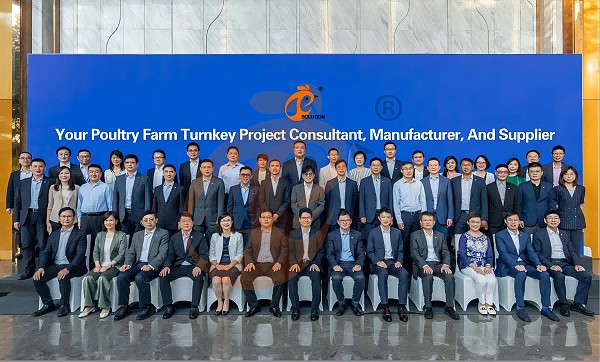
Hong Kong Headquarter Management Team
Hong Kong Headquarter Taiyu Industrial Group CO., LTD
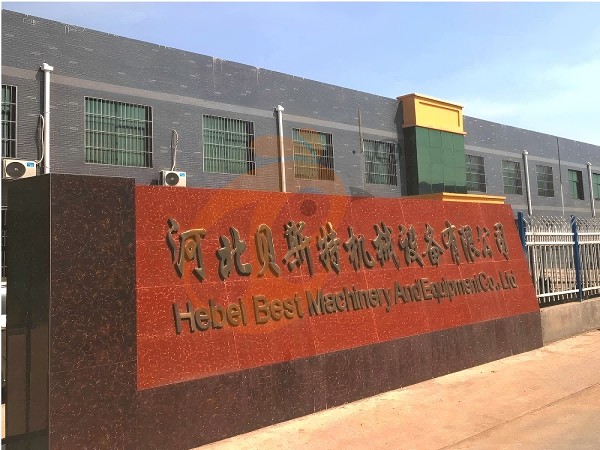
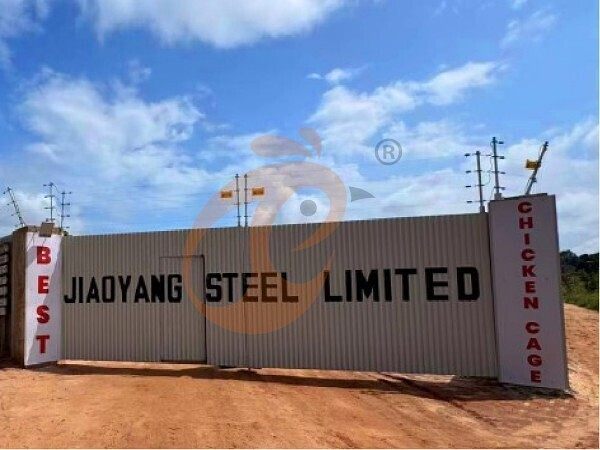
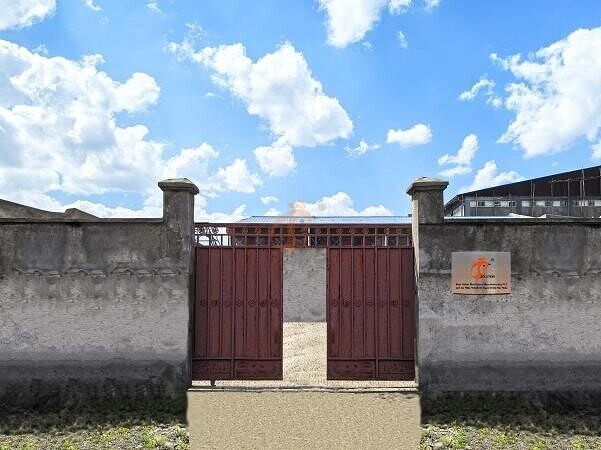
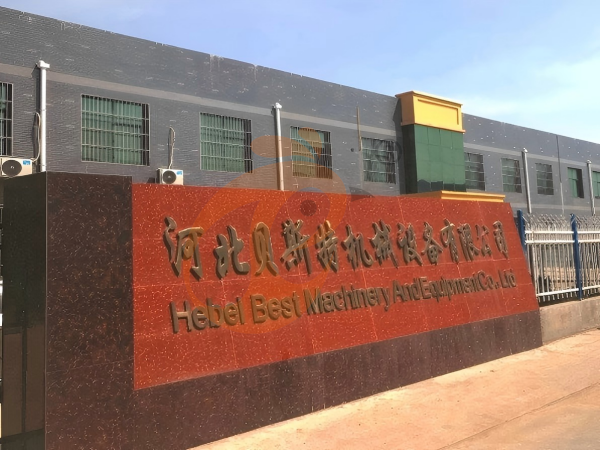
China Hebei Best Machinery And Equipment CO., LTD
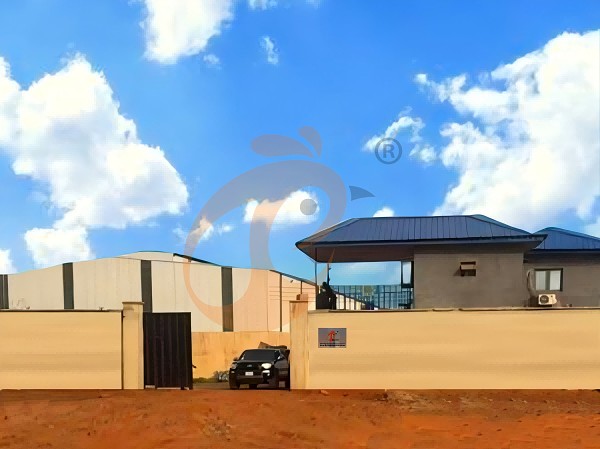
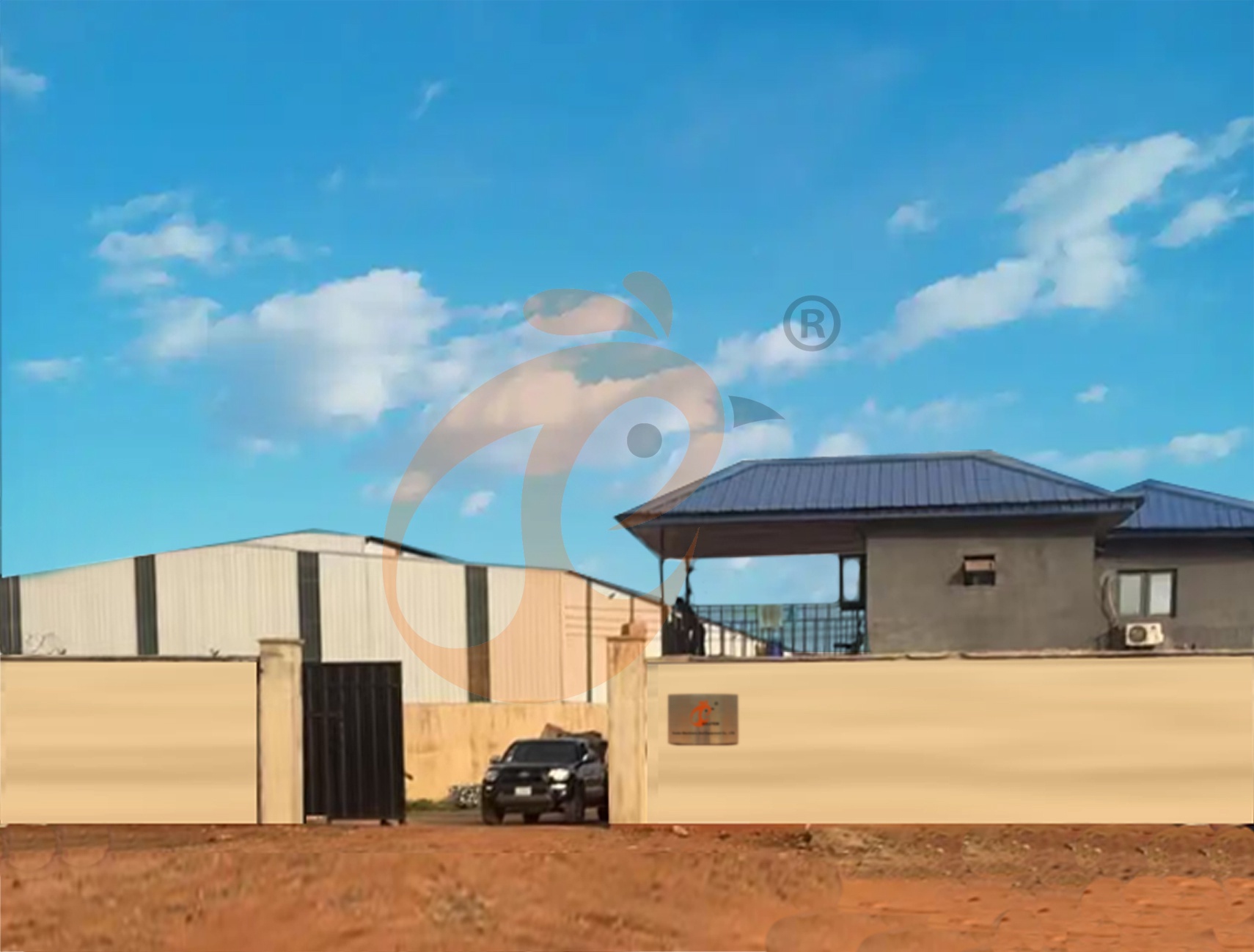
Nigeria Vanke Machinery And Equipment CO., LTD
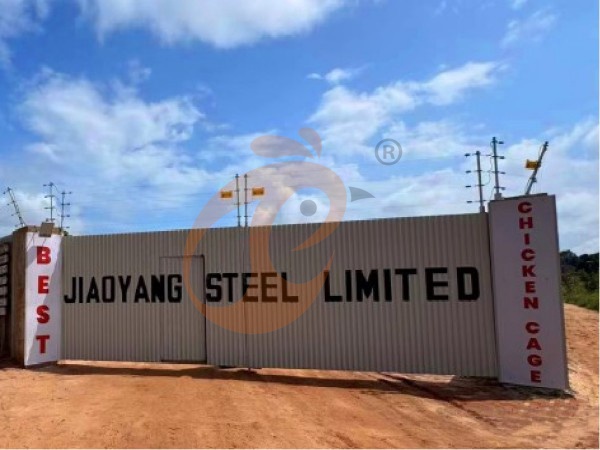
Tanzania Best Machinery And Equipment CO., LTD
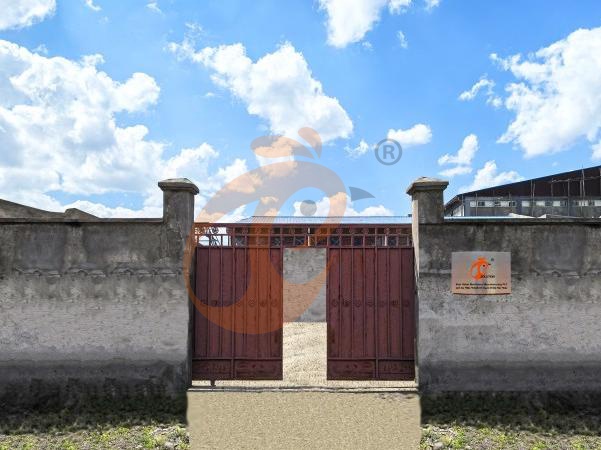
Ethiopia Best Hebei Machinery Manufacturing PLC
Reception /24 WhatsApp NO. : +8618830120193
FAQ
What Water Quality Requirements Are Necessary For Nipple Drinkers In Poultry Chicken Cage Systems?
Water hardness is maintained within 100–150 mg/L CaCO₃ equivalent for valve protection.
Microbial load is controlled under 100 CFU/mL for safe poultry consumption standards.
What Is The Recommended Stocking Ratio For Nipple Drinkers In Poultry Chicken Cage Systems?
Drinker spacing is typically set at 25–30 cm to reduce competition stress.
Water demand allocation is calculated at 180–220 ml per bird daily in intensive production.
How Is Water Flow Regulated In Nipple Drinkers For Poultry Chicken Cage Farming Systems?
Pressure stability is maintained within 0.18–0.22 MPa across drinking lines.
Drop formation interval is adjusted at 1–2 seconds per activation for efficient intake.
Message
Products recommended
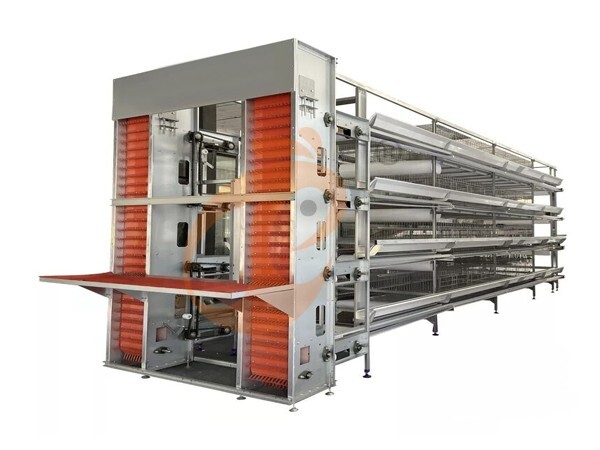
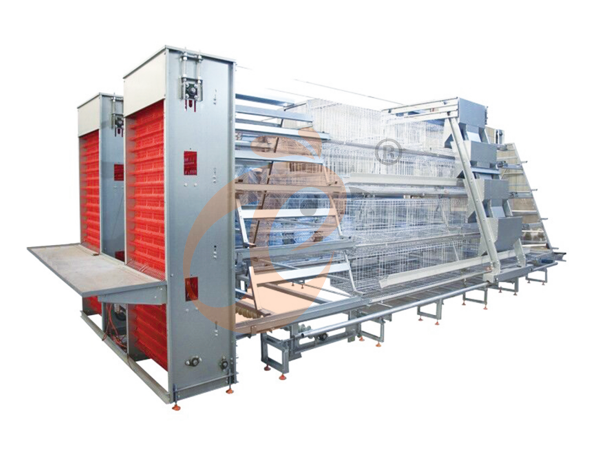
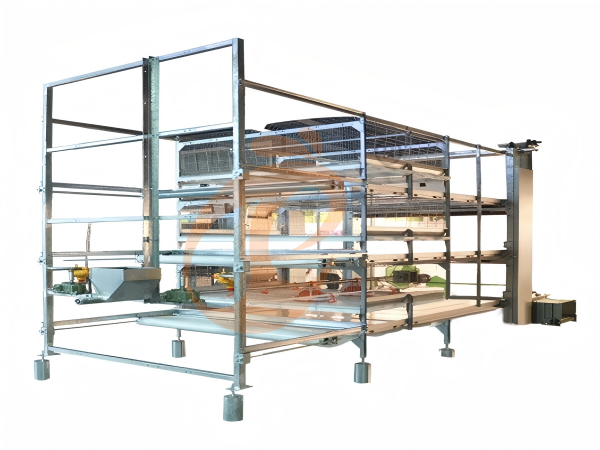
 >30,000 Pullets Automatic H Type Battery Cage1. More than 30,000 pullets a house, choose it.
2. It is designed to rearing older than 1 day old pullets to 12 to 16 weeks old chicken starting laying eggs.
3. Its lifespan is more than 25 years.
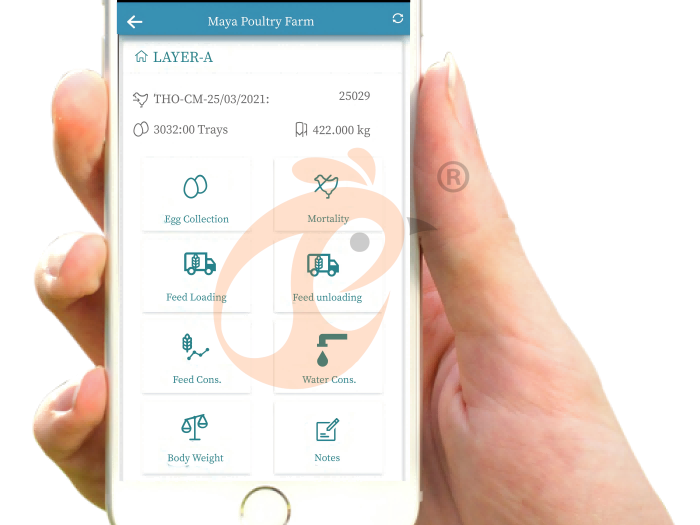
4. Its structure are Vcloud artificial intelligent fusion, electric control cabinet, automatic equipment of drinking, feeding, manure clean, manual harvesting.
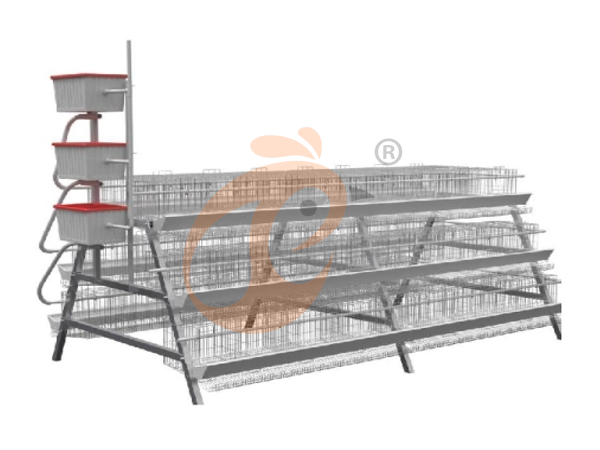
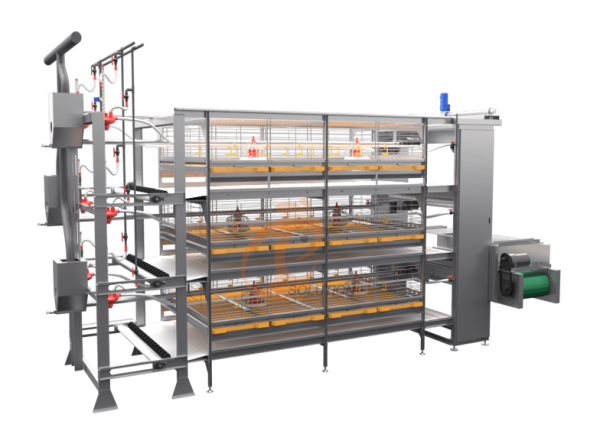
5. Our 24 hour online reception What’sApp NO. is +8618830120193 <30,000 Pullets Automatic A Type Battery Cage1. 10,000 to 30,000 pullets a house, choose it.
2. It is designed to rearing older than 1 day old pullets to 12 to 16 weeks old chicken starting laying eggs.
3. Its lifespan is more than 25 years.
4. Its structure are Vcloud artificial intelligent fusion, electric control cabinet, automatic equipment of drinking, feeding, manure clean, manual harvesting.
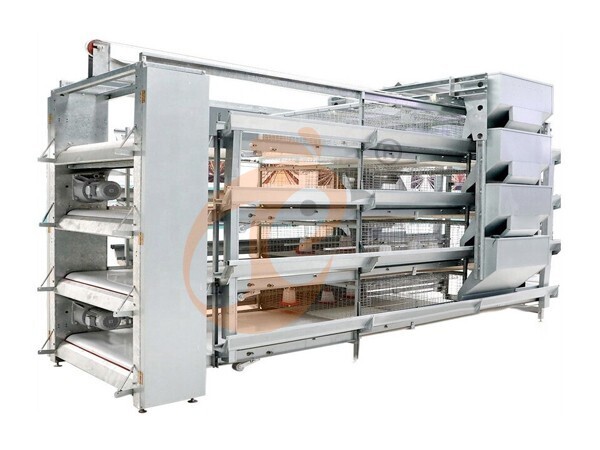
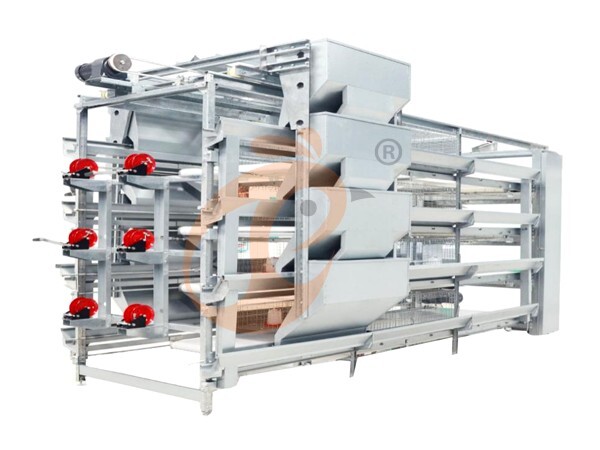
5. Our 24 hour online reception What’sApp NO. is +86 18830120193. >30,000 Broilers Semi-Automatic Harvest H Type Battery Cage1. More than 30,000 broilers a house, choose it.
2. It is designed to rearing 1 to 45 day old adult broiler ready for market.
3. Its lifespan is more than 20 years.
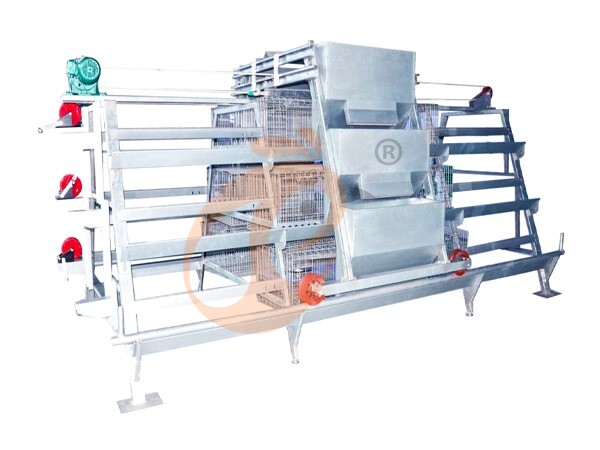
4. Our 24 hour online reception What’sApp NO. is +8618830120193, +234 8111199996. >30,000 Broilers Manual Harvest H Type Battery Cage1. More than 30,000 broilers a house, choose it.
2. It is designed to rearing 1 to 45 day old adult broiler ready for market.
3. Its lifespan is more than 20 years.
4. Its structure are Vcloud artificial intelligent fusion, electric control cabinet, automatic equipment of drinking, feeding and manure clean, manual harvesting.
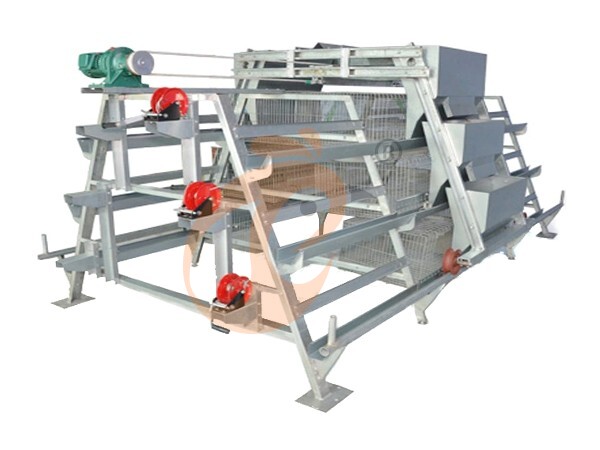
5. Our 24 hour online reception What’sApp NO. is +8618830120193, +234 8111199996. <30,000 Broilers Manual Harvest A Type Battery Cage1. Less 30,000 broilers a house, choose it.
2. It is designed to rearing 1 to 45 day old adult broiler ready for market.
3. Its lifespan is more than 20 years.
4. Its structure are Vcloud artificial intelligent fusion, electric control cabinet, automatic equipment of drinking, feeding and manure clean, manual harvesting.
5. Our 24 hour online reception What’sApp NO. is +8618830120193, +234 8111199996. HK Headquarter Offers EU-standard Poultry Farm Solutions, Manufacture Poultry Farm Equipment1. Continuous communication with the EU and the US
2. China, Nigeria, Ethiopia, Tanzania branch companies and factories
3. The products’ quality is customized for local poultry farms
4. Poultry cage and poultry farm equipment stock for sale
5. 24 online reception Whatsapp NO. : +8618830120193,contact us to get full information China Branch Offer Poultry Farm Business Plan, Manufacture Poultry Farm Equipment1. Address: Flat/RM 2416, 24/F, Runxing Building, Youyi Nan Street, Shijiazhuang City, Hebei Province, China
2. Poultry cage and poultry farm equipment factory and stock for sale
3. Customized for local poultry farms
4. Quality and design are based on Euro
5. 24 online reception Whatsapp NO. : +8618830120193 Nigeria Branch Offer Poultry Farm Business Plan, Manufacture Poultry Farm Equipment1. Address: After Sinoma Office, 200 Meters Near Danco Filling Station, Lagos/Ibadan Expressway, Lagos State, Nigeria
2. Poultry cage and poultry farm equipment factory and stock for sale
3. Customized for Nigerian poultry farms
4. Quality and design are based on Euro
5. 24 online reception Whatsapp NO. : +8618830120193 Ethiopia Branch Offer Poultry Farm Business Plan, Manufacture Poultry Farm Equipment1. Address: Gelan Gura, Akaki-kaliti Sub City, Addis Ababa, Ethiopia
2. Poultry cage and poultry farm equipment stock for sale
3. Customized for Ethiopian poultry farms
4. Quality and design are based on Euro
5. 24 online reception Whatsapp NO. : +8618830120193, contact us to get price list Tanzania Branch Offer Poultry Farm Business Plan, Manufacture Poultry Farm Equipment1. Address: No.8, Sova Road, Msufini, Mlandizi, Kibaha, Pwani, Tanzania
2. Poultry cage and poultry farm equipment factory and stock for sale
3. Customized for Tanzanian poultry farms
4. Quality and design are based on Euro
5. 24 online reception Whatsapp NO. : +8618830120193

Contact