


Blog
Broiler chicken cages balance capacity, automation, airflow, labor, maintenance, and long-term commercial returns across modern poultry houses.
Multi-tier structures can improve building utilization through engineered vertical layouts, with 6.5–8.0 meter house heights supporting efficient equipment planning.
Automatic feeding and drinking stabilize daily distribution across commercial cage rows, while programmed operation can reduce repetitive handling during routine flock management.
Manure removal and climate control support cleaner production cycles, with ventilation design responding to bird load, weather conditions, and facility geometry.
- Technical specifications help buyers compare systems, investment priorities, scalability, structural durability, equipment integration, service support, installation accuracy, and future expansion requirements.
Get professional poultry farm construction guidance, equipment selection solutions, and the latest price lists, whatsApp to +8618830120193, click to learn more:
Production Starts With Cage Engineering
Broiler chicken cages should be evaluated through structural engineering, ventilation, feeding, drinking, and manure-management capacity.
A cage system using 2.0–2.5 mm galvanized wire diameter provides a strong structural foundation, while 275 g/m² zinc coating can improve corrosion resistance in humid poultry-house environments.
The objective is not simply to increase bird numbers.
Broiler chicken cages should maintain stable operation throughout production while making better use of building structure.
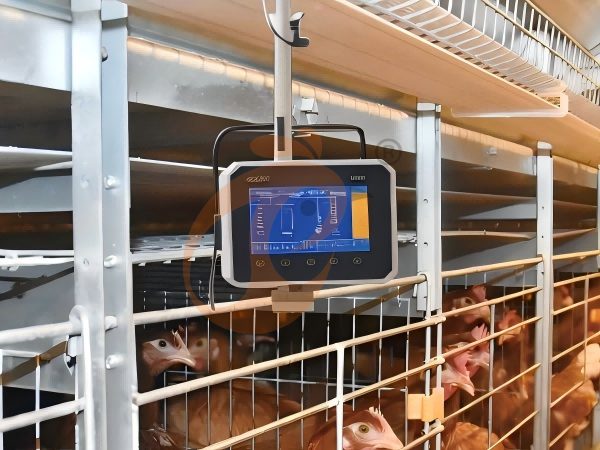
Properly configured equipment can also simplify daily management through centralized feeding and environmental-control systems.
Technical Comparison Of Cage Configurations
Data is for reference only.Swipe horizontally to view full table.
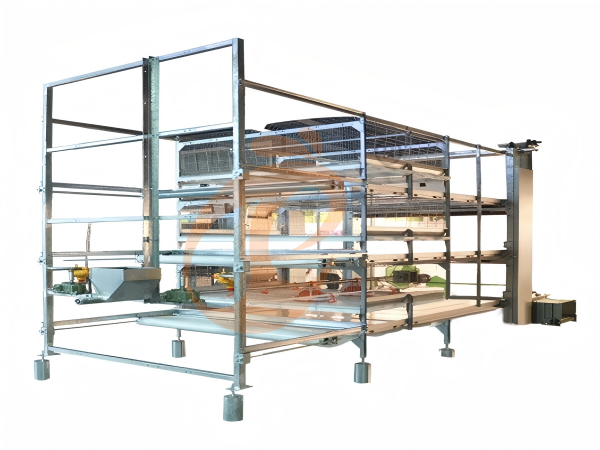
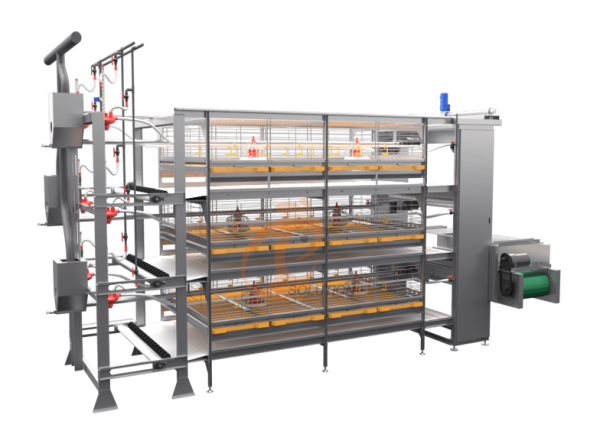
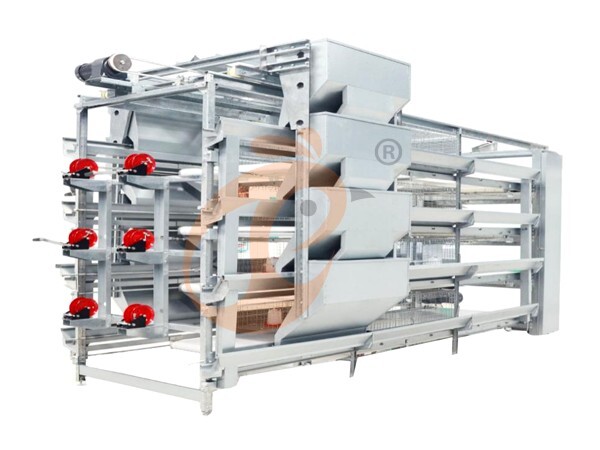
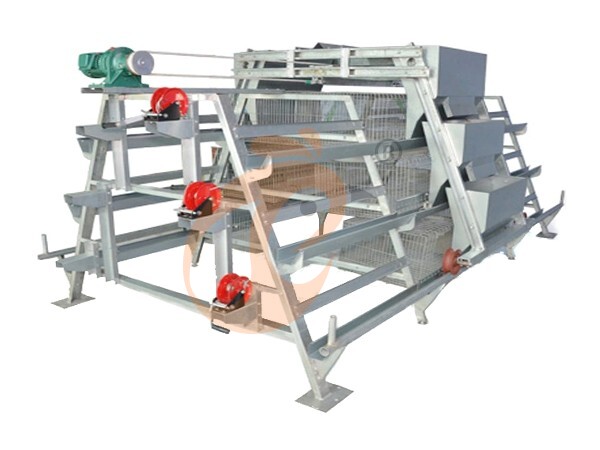
Broiler chicken cages with multi-tier arrangements utilize vertical building volume instead of depending entirely on floor-level expansion.
A 45–60 mm support-leg profile can provide additional structural stability, while engineered cross-bracing reduces vibration during automatic feeding and manure-belt operation.
For equipment buyers, broiler chicken cages should therefore be evaluated as part of a complete production system rather than isolated steel products.
Why Higher Capacity Can Improve Building Economics
Consider a poultry farm with a fixed building footprint.
Broiler chicken cages approach capacity expansion by converting unused vertical building volume into productive housing space.
A 6.5–8.0 m internal house height provides substantial vertical installation potential for multi-tier equipment.
When combined with automated feeding and manure handling, broiler chicken cages can centralize more production processes instead of adding equivalent manual stations.
The commercial principle remains straightforward:
Use the building intelligently → integrate equipment efficiently → increase productive value per facility.
Automatic Equipment Specifications
Data is for reference only.Swipe horizontally to view full table.
Broiler chicken cages benefit substantially from automatic feeding because properly sized feed motors can distribute feed without manual transport between
individual cage rows.
The drinking system should also be engineered around actual water demand.
A 25–40 cm nipple-line spacing helps distribute drinking points consistently, while calibrated regulation supports stable delivery between different broiler chicken
cages sections.
The Equipment Chain Determines The Result
Think of broiler chicken cages as a production chain rather than a collection of machines.
Feed arrives → feed is distributed → birds consume → water is supplied → manure is removed → air quality is controlled → data is monitored.
If one link is undersized, the entire installation can become inefficient.
A ventilation system operating below design requirements can undermine otherwise well-engineered broiler chicken cages.
A professional equipment supplier should calculate the complete system before production.
Typical control cabinets can support 380 V, 50 Hz three-phase power, while individual motors and sensors can be configured according to destination-market
electrical standards.
Structural And Installation Parameters
Data is for reference only.Swipe horizontally to view full table.
Broiler chicken cages require structural engineering that supports long-term commercial operation.
A 2.0 mm minimum cross-section on secondary steel components can provide a robust framework for demanding production environments.
Installation accuracy is equally important.
Maintaining approximately ±5 mm alignment tolerance across cage rows helps prevent interference between feeding lines, drinking lines, manure belts, and access doors.
Feeding Performance: Where Automation Creates Value
Data is for reference only.Swipe horizontally to view full table.
Broiler chicken cages require consistent feed delivery from hopper to every cage section.
Feed pans with approximately 330–360 mm diameter provide a practical feeding interface for commercial broiler production.
Motor and gearbox selection should support continuous agricultural operation.
An IP55-rated motor enclosure provides protection against dust and water exposure encountered during routine poultry-house cleaning.
A Simple Return On Investment Model
Instead of asking, ''Which cage is cheaper?'', calculate production economics through measurable operating relationships.
Annual production value = saleable output × average selling price.
Annual operating cost = feed + labor + electricity + maintenance + depreciation.
Broiler chicken cages become commercially attractive when additional production capacity and labor efficiency generate contribution exceeding added capital cost.
A properly designed system may also reduce routine manual workload.
For example, a 10–15 minute programmed manure-belt cycle can remove accumulated waste according to a farm management schedule without requiring workers to enter every cage row.
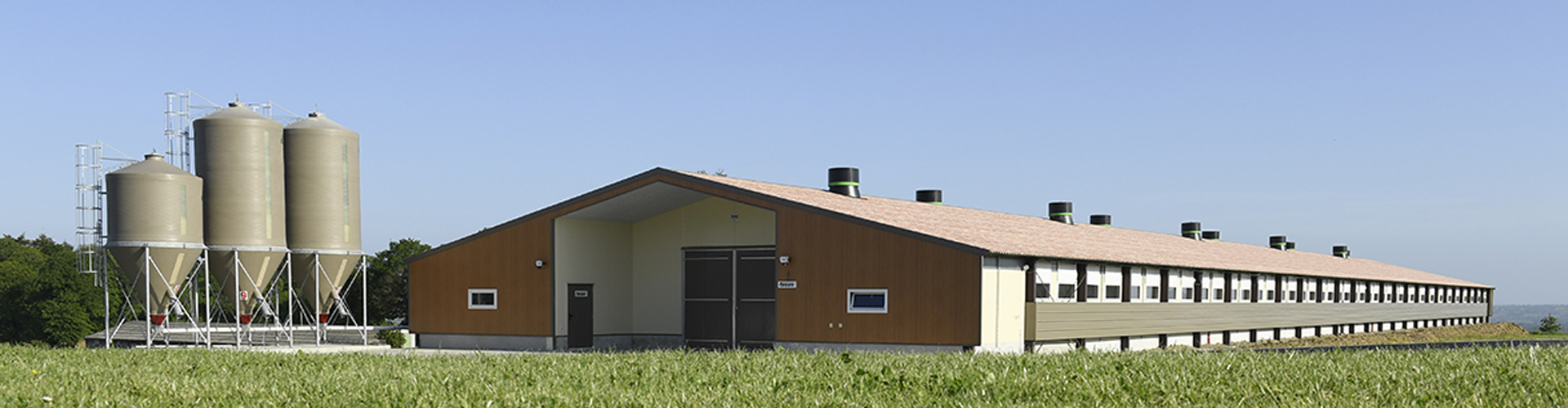
European union standard reference only.
Ventilation Must Match Cage Capacity
Data is for reference only.Swipe horizontally to view full table.
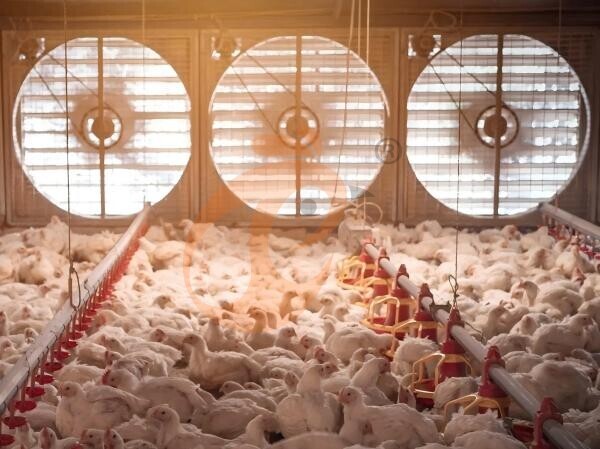
Broiler chicken cages require ventilation engineering matched to actual building conditions and flock requirements.
Tunnel fans should be selected according to calculated house air volume rather than simply choosing the largest available fan.
Environmental controllers with approximately ±0.5°C temperature measurement accuracy can provide precise climate management.
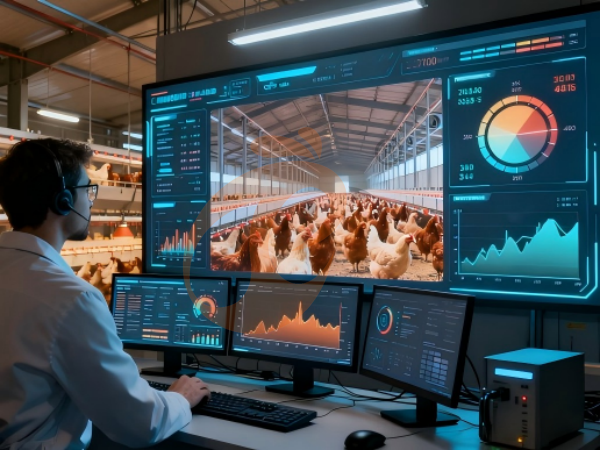
Combining temperature, humidity, and static-pressure sensors allows broiler chicken cages systems to respond automatically to changing house conditions.
Manure Management: The Productivity Multiplier
Broiler chicken cages should make manure handling part of the original equipment design rather than an afterthought.
Collection → transfer → discharge → storage.
Automatic manure belts can move waste from cage structures without repeated manual collection.
A belt with approximately 1.0–1.2 mm thickness provides a practical combination of flexibility and mechanical strength for continuous operation.
The discharge section can also integrate with a scraper or conveyor.
A 0.75–1.5 kW drive motor is generally suitable for many commercial transfer configurations, depending on conveyor length and manure load.
What Should Buyers Compare?
Data is for reference only.Swipe horizontally to view full table.
Broiler chicken cages should never be compared only through purchase price per cage section.
Buyers should evaluate steel specification, drive-system quality, automation architecture, installation standards, spare-parts availability, and technical support.
A manufacturer capable of supplying complete broiler chicken cages systems can reduce compatibility problems between individual components.
That approach becomes particularly important when projects include cage frames, feeding lines, drinking systems, ventilation, manure removal, and electrical controls.
Final Verdict: Which Cage System Performs Better?
Data is for reference only.Swipe horizontally to view full table.
Broiler chicken cages do not have one universal configuration for every farm.
The correct solution depends on house dimensions, climate, breed, production targets, local regulations, and management strategy.
For commercial producers seeking better value from existing buildings, engineered multi-tier broiler chicken cages can combine space utilization, automated operation, environmental control, and scalable production.
Frequently Asked Questions
Q1: What factors should determine broiler chicken cages density?
Broiler chicken cages density should consider house dimensions, breed requirements, ventilation capacity, feeding access, drinking availability, and applicable welfare regulations.
A practical design should also maintain approximately 25–40 cm nipple-line spacing and sufficient airflow for the planned bird population.
Q2: Can automatic equipment improve broiler chicken cages efficiency?
Yes.
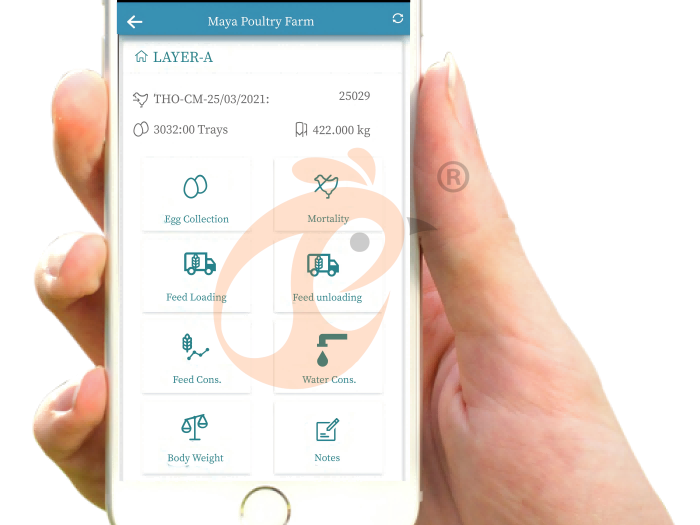
Integrated feeding, drinking, manure removal, and environmental control can reduce repetitive labor while improving operational consistency.
A 10–15 minute programmed manure-belt cycle can also support scheduled waste removal.
Q3: Should buyers choose three-tier or four-tier broiler chicken cages?
Selection depends on building geometry, structural loading, ventilation design, and production objectives.
A 6.5 m house height may support one configuration, while an 8.0 m structure can accommodate a taller multi-tier arrangement when engineering conditions
permit.
Taiyu (HK) Group - One Of China Toppest Broiler Chicken Cages Manufacturer
Broiler chicken cages provide engineered multi-tier housing with 2.0–2.5 mm galvanized wire and integrated commercial automation.
Global factory-direct supply covers poultry equipment packages, technical drawings, component matching, and production coordination.
Turn-key engineering integrates broiler chicken cages, feeding, drinking, ventilation, manure handling, electrical control, installation, and commissioning.
Project engineering supports commercial poultry houses through equipment calculation, layout optimization, manufacturing, logistics, installation guidance, and after-sales service.
Factory production enables direct equipment sourcing with configurable specifications for international poultry projects and expansion requirements.
Contact Us To Received Your Customized Poultry Farm Plan
Headquarters And Branchs

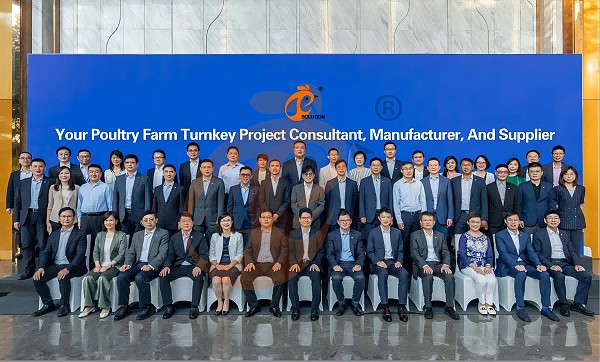
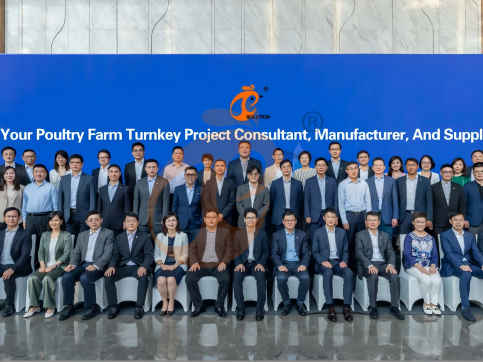
Hong Kong Headquarter Management Team
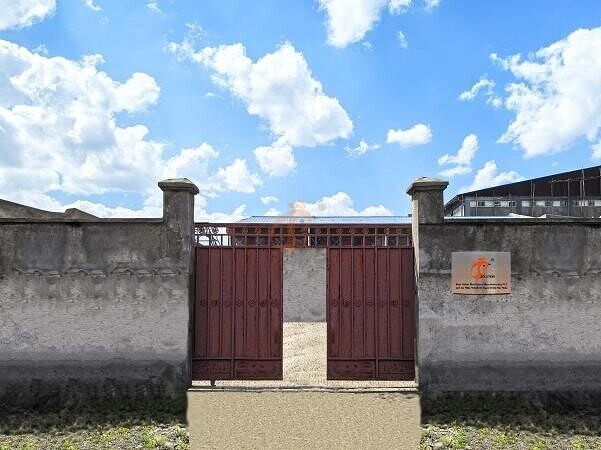
Hong Kong Headquarter Taiyu Industrial Group CO., LTD
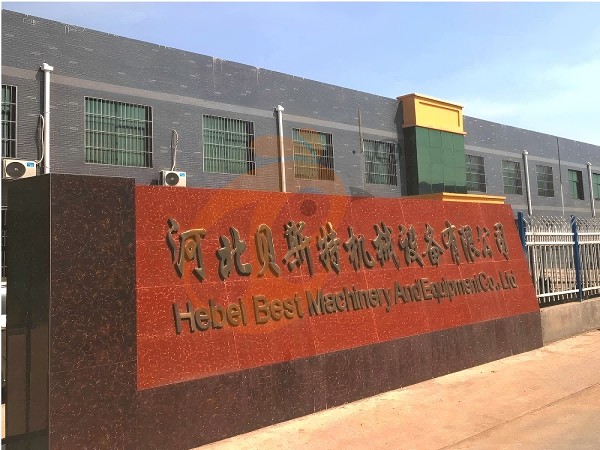
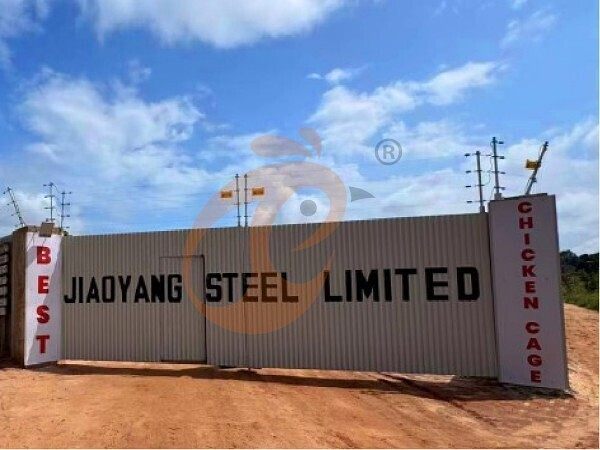
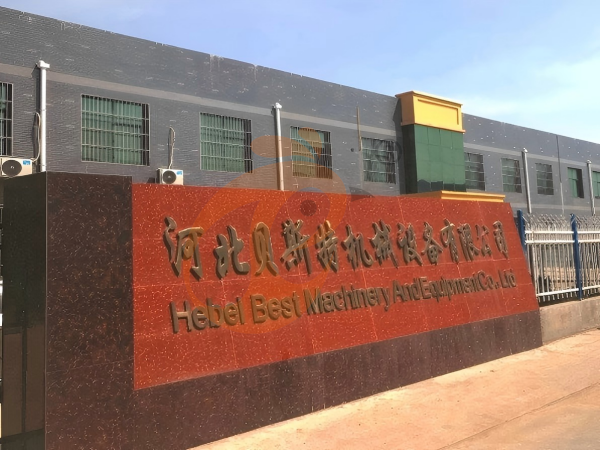
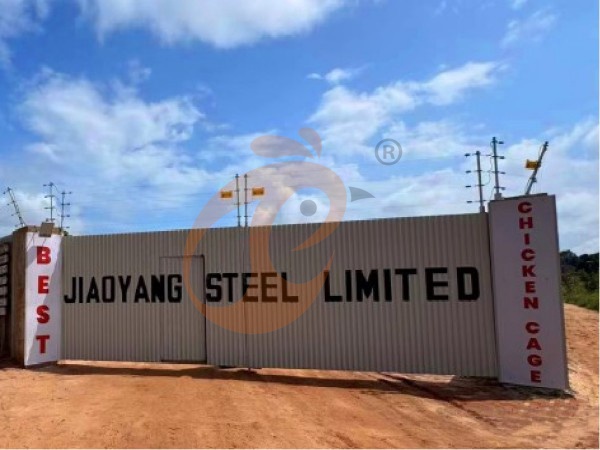
China Hebei Best Machinery And Equipment CO., LTD
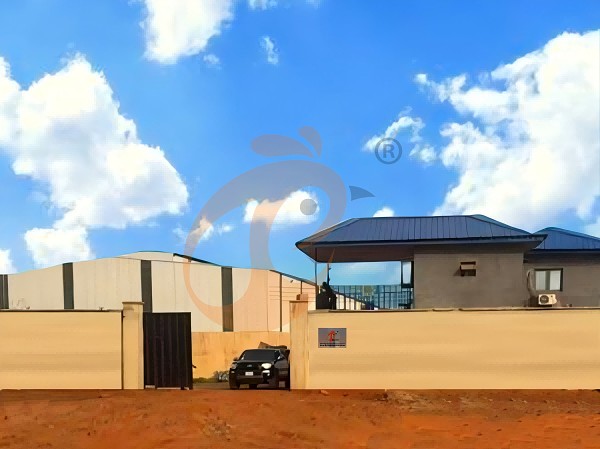
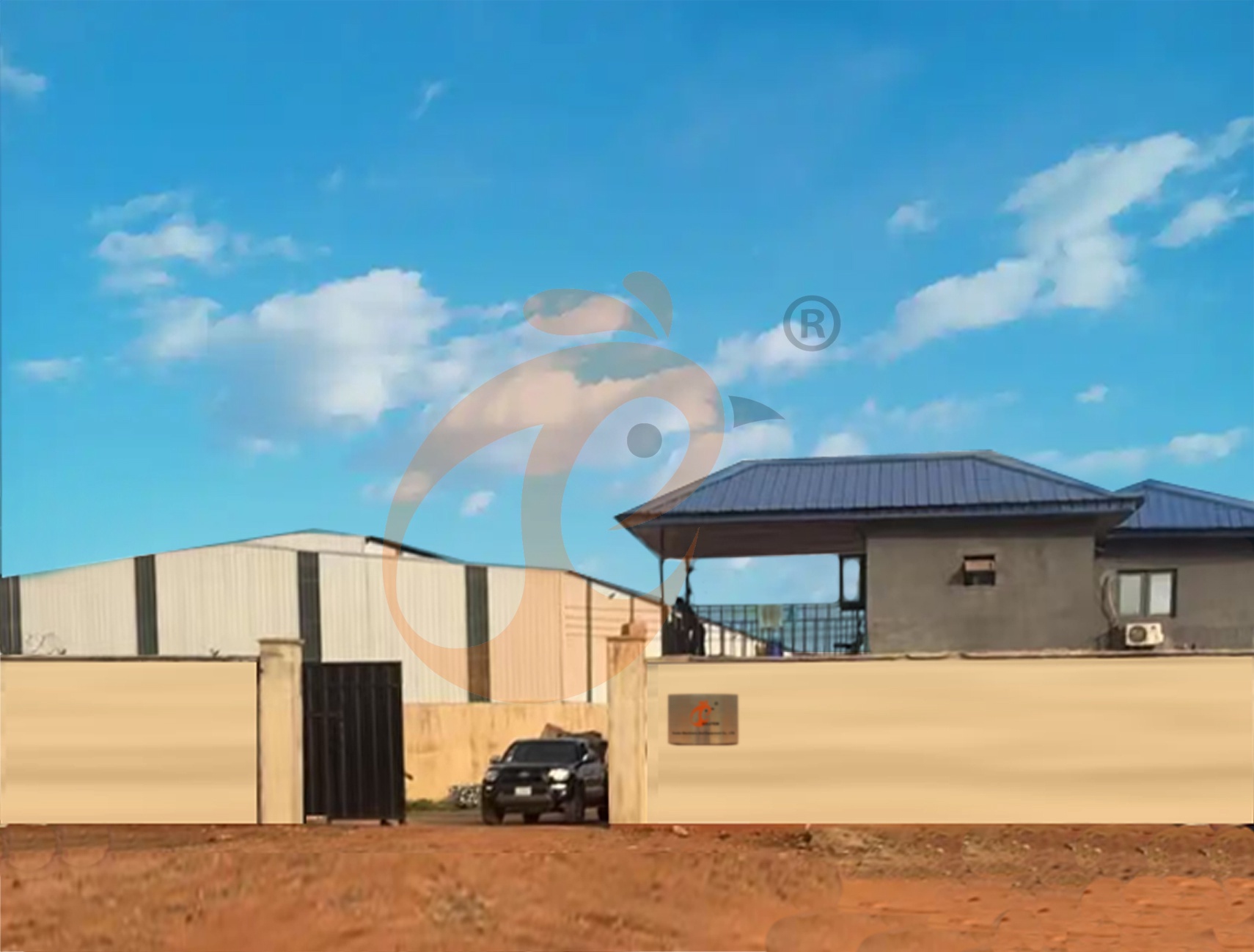
Nigeria Vanke Machinery And Equipment CO., LTD
Tanzania Best Machinery And Equipment CO., LTD
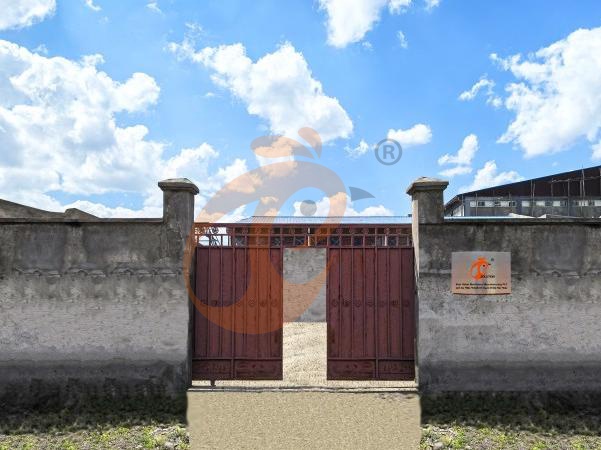
Ethiopia Best Hebei Machinery Manufacturing PLC
Reception /24 WhatsApp NO. : +8618830120193
FAQ
What Cage Structure Options Are Available For Broiler Chicken Cage Systems?
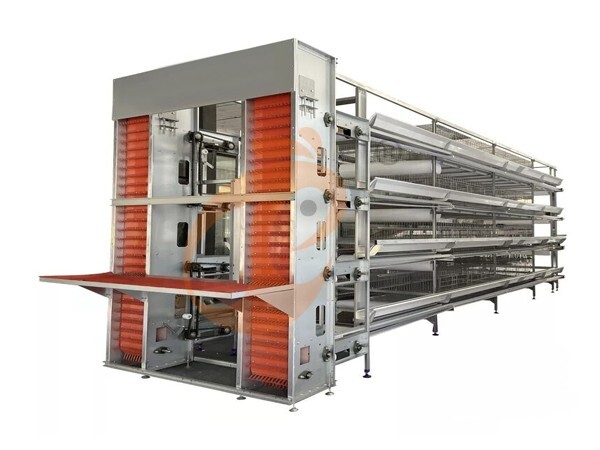
H-type cage systems are configured in 3–12 tiers accommodating 360–1440 birds per set for intensive farming operations.
Structural height ranges from 1.75–10.11 meters maximizing vertical space utilization and housing efficiency.
How Does Stocking Density Affect Broiler Chicken Cage Performance?
H-type systems maintain 500 cm² allocation per bird optimizing housing density and production output.
Bird distribution is balanced at 8 birds per compartment in partitioned cage configurations reducing competition.
Which Cage Dimensions Are Commonly Used In Broiler Chicken Cage Systems?
H-type cage modules measure 3.3 × 1.82 meters providing larger continuous housing sections.
Internal compartment height varies from 40–55 cm ensuring adequate bird activity and ventilation circulation.
Message
Products recommended
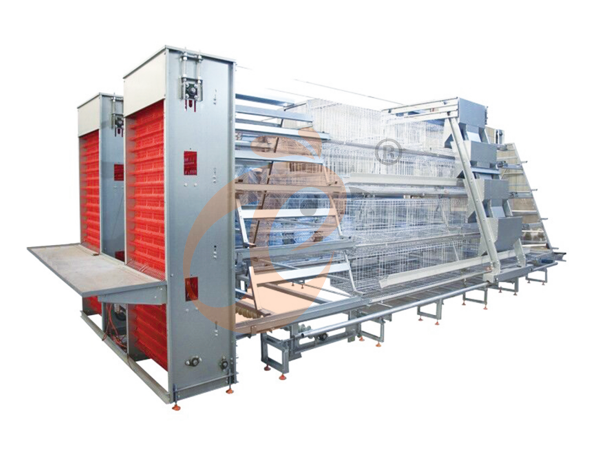
 >30,000 Pullets Automatic H Type Battery Cage1. More than 30,000 pullets a house, choose it.
2. It is designed to rearing older than 1 day old pullets to 12 to 16 weeks old chicken starting laying eggs.
3. Its lifespan is more than 25 years.
4. Its structure are Vcloud artificial intelligent fusion, electric control cabinet, automatic equipment of drinking, feeding, manure clean, manual harvesting.
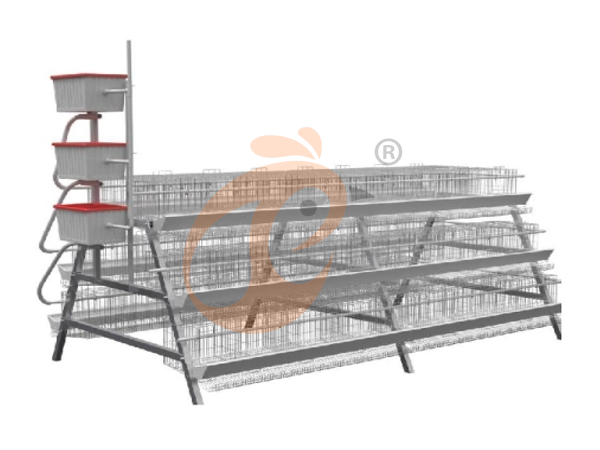
5. Our 24 hour online reception What’sApp NO. is +8618830120193 <30,000 Pullets Automatic A Type Battery Cage1. 10,000 to 30,000 pullets a house, choose it.
2. It is designed to rearing older than 1 day old pullets to 12 to 16 weeks old chicken starting laying eggs.
3. Its lifespan is more than 25 years.
4. Its structure are Vcloud artificial intelligent fusion, electric control cabinet, automatic equipment of drinking, feeding, manure clean, manual harvesting.
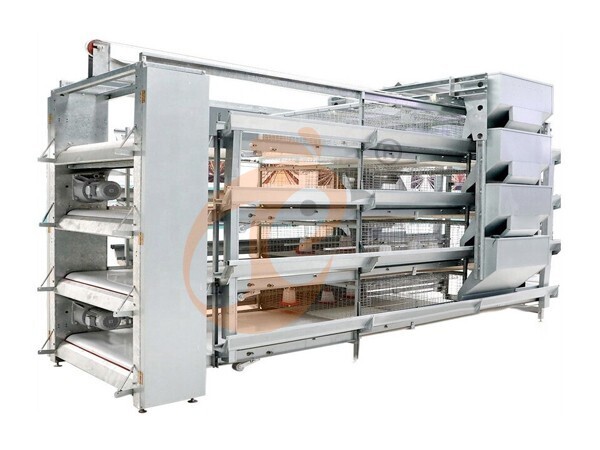
5. Our 24 hour online reception What’sApp NO. is +86 18830120193. >30,000 Broilers Semi-Automatic Harvest H Type Battery Cage1. More than 30,000 broilers a house, choose it.
2. It is designed to rearing 1 to 45 day old adult broiler ready for market.
3. Its lifespan is more than 20 years.
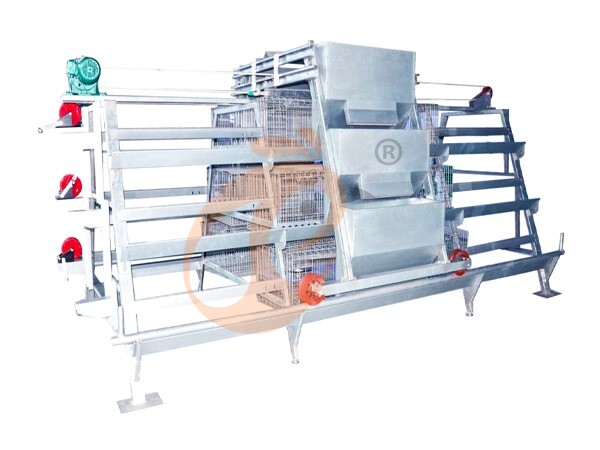
4. Our 24 hour online reception What’sApp NO. is +8618830120193, +234 8111199996. >30,000 Broilers Manual Harvest H Type Battery Cage1. More than 30,000 broilers a house, choose it.
2. It is designed to rearing 1 to 45 day old adult broiler ready for market.
3. Its lifespan is more than 20 years.
4. Its structure are Vcloud artificial intelligent fusion, electric control cabinet, automatic equipment of drinking, feeding and manure clean, manual harvesting.
5. Our 24 hour online reception What’sApp NO. is +8618830120193, +234 8111199996. <30,000 Broilers Manual Harvest A Type Battery Cage1. Less 30,000 broilers a house, choose it.
2. It is designed to rearing 1 to 45 day old adult broiler ready for market.
3. Its lifespan is more than 20 years.
4. Its structure are Vcloud artificial intelligent fusion, electric control cabinet, automatic equipment of drinking, feeding and manure clean, manual harvesting.
5. Our 24 hour online reception What’sApp NO. is +8618830120193, +234 8111199996. HK Headquarter Offers EU-standard Poultry Farm Solutions, Manufacture Poultry Farm Equipment1. Continuous communication with the EU and the US
2. China, Nigeria, Ethiopia, Tanzania branch companies and factories
3. The products’ quality is customized for local poultry farms
4. Poultry cage and poultry farm equipment stock for sale
5. 24 online reception Whatsapp NO. : +8618830120193,contact us to get full information China Branch Offer Poultry Farm Business Plan, Manufacture Poultry Farm Equipment1. Address: Flat/RM 2416, 24/F, Runxing Building, Youyi Nan Street, Shijiazhuang City, Hebei Province, China
2. Poultry cage and poultry farm equipment factory and stock for sale
3. Customized for local poultry farms
4. Quality and design are based on Euro
5. 24 online reception Whatsapp NO. : +8618830120193 Nigeria Branch Offer Poultry Farm Business Plan, Manufacture Poultry Farm Equipment1. Address: After Sinoma Office, 200 Meters Near Danco Filling Station, Lagos/Ibadan Expressway, Lagos State, Nigeria
2. Poultry cage and poultry farm equipment factory and stock for sale
3. Customized for Nigerian poultry farms
4. Quality and design are based on Euro
5. 24 online reception Whatsapp NO. : +8618830120193 Ethiopia Branch Offer Poultry Farm Business Plan, Manufacture Poultry Farm Equipment1. Address: Gelan Gura, Akaki-kaliti Sub City, Addis Ababa, Ethiopia
2. Poultry cage and poultry farm equipment stock for sale
3. Customized for Ethiopian poultry farms
4. Quality and design are based on Euro
5. 24 online reception Whatsapp NO. : +8618830120193, contact us to get price list Tanzania Branch Offer Poultry Farm Business Plan, Manufacture Poultry Farm Equipment1. Address: No.8, Sova Road, Msufini, Mlandizi, Kibaha, Pwani, Tanzania
2. Poultry cage and poultry farm equipment factory and stock for sale
3. Customized for Tanzanian poultry farms
4. Quality and design are based on Euro
5. 24 online reception Whatsapp NO. : +8618830120193


Contact