


Blog
- Hot-dip galvanized battery cage selection determines structural durability, corrosion control, and long-term layer-house investment value, with commercial systems commonly supporting 3–5 hens per compartment.
Layer battery cage configuration connects cage capacity, feeding access, drinking arrangements, manure handling, and egg collection into one coordinated production system.
Poultry battery cage system performance depends on steel quality, surface treatment, fabrication accuracy, ventilation, humidity management, and daily operating conditions.
Galvanized protection becomes especially valuable where humidity reaches 70–85%, while proper airflow and manure management help maintain stable equipment conditions.
- Comparing coating technology, lifecycle cost, cage engineering, automation compatibility, and maintenance requirements provides a practical basis for selecting durable commercial layer equipment.
Get professional poultry farm construction guidance, equipment selection solutions, and the latest price lists, whatsApp to +8618830120193, click to learn more:
Material & Surface Protection: A Technical Comparison
Hot-dip galvanized battery cage systems use zinc protection bonded to steel during the galvanizing process.
A galvanized layer cage can integrate with feeding equipment carrying approximately 40–50 kg per hopper, creating a coordinated poultry battery cage system for
continuous commercial operation.
Data is for reference only.Swipe horizontally to view full table.
The fundamental difference is how the protective layer interacts with steel.
Hot-dip galvanized battery cage production creates zinc-iron alloy layers during molten-zinc immersion, while a layer battery cage with paint depends mainly on
surface-film integrity.
Why Layer Houses Are Hard On Steel Equipment
A commercial poultry house creates several simultaneous environmental stresses around every poultry battery cage system.
Relative humidity may reach 70–85% in poorly controlled areas, especially around drinking lines and manure zones.
Ammonia from manure decomposition adds chemical stress, while inadequate air movement can accelerate surface deterioration.
A commercial layer battery cage installation may operate with 6–12 air exchanges per hour, depending on climate, stocking density, and house configuration.
Corrosion Resistance: Where The Difference Becomes Visible
Data is for reference only.Swipe horizontally to view full table.
Hot-dip galvanized battery cage construction provides barrier protection together with sacrificial zinc action when localized steel exposure occurs.
A poultry battery cage system also experiences repeated movement and vibration when connected with automatic egg collection equipment operating at
approximately 2.5–3.5 m/min.
Initial Price Vs Lifetime Value
Purchase Price → Maintenance → Production Continuity
A painted layer battery cage can reduce initial expenditure, but coating damage may create additional repair requirements during operation.
A galvanized poultry battery cage system normally requires greater initial processing input because steel passes through a dedicated protective treatment.
For projects containing 10,000–50,000 laying hens, maintenance requirements can multiply across cage rows, supports, doors, and integrated equipment.
The practical engineering calculation should therefore consider cost per production year instead of comparing supplier quotations alone.
Lifecycle Cost Comparison
Data is for reference only.Swipe horizontally to view full table.
The price index is an engineering comparison range rather than a fixed market quotation.
A 20,000-bird layer battery cage project can contain hundreds of compartments and multiple equipment lines, making access planning important during maintenance.
A poultry battery cage system installed across upper tiers may require temporary equipment shutdown during certain maintenance activities.
A professional layer battery cage supplier should therefore calculate cage configuration, feeding, drinking, manure removal, ventilation, and installation as one engineering package.
What About Cleaning And Farm Hygiene?
Data is for reference only.Swipe horizontally to view full table.
Cleaning procedures remain important even with galvanized layer battery cage equipment.
Washing at approximately 50–60°C can improve cleaning efficiency in suitable applications, while chemical concentration and pressure should remain within
manufacturer specifications.
A properly engineered manure-removal arrangement can reduce prolonged manure contact around cage supports and lower structural contamination pressure.
Strength Starts With More Than Galvanizing
Steel Quality
↓
Welding Accuracy
↓
Cage Geometry
↓
Surface Treatment
↓
Integrated Equipment
A durable hot-dip galvanized battery cage begins with appropriate steel wire, welding quality, structural geometry, and fabrication accuracy.
Commercial cage components may use steel with tensile strength around 500–700 MPa, depending on material specifications.
Cage geometry also affects bird movement and egg handling, with floor inclination commonly engineered around 7–10° according to cage design and production requirements.
Our poultry battery cage system approach therefore evaluates the complete structure rather than treating galvanizing as an isolated specification.
Feature-By-Feature Buying Checklist
Data is for reference only.Swipe horizontally to view full table.
These specifications provide engineering reference points for selecting a layer battery cage rather than fixed requirements for every poultry house.
A 50,000-layer project requires different cage quantities, feeding-line lengths, drinking arrangements, and manure capacity from a 5,000-layer installation.
Final poultry battery cage system dimensions should account for breed, local regulations, house width, stocking density, and automation configuration.
Which One Lasts Longer?
Data is for reference only.Swipe horizontally to view full table.
Actual intervals depend on humidity, ammonia concentration, cleaning chemicals, ventilation, manure management, steel quality, coating quality, and operating practices.
Under comparable commercial conditions, hot-dip galvanized battery cage equipment generally provides the longer service life.
Actual durability also depends on cage loading, installation accuracy, ventilation performance, and manure-handling efficiency.
Selecting a galvanized poultry battery cage system therefore requires evaluation of manufacturing quality together with farm operating conditions.
Why Choose A Professional Layer Cage Manufacturer?
Cage Structure
Our hot-dip galvanized battery cage systems can be engineered around 3–5 cage tiers and coordinated with commercial layer-house layouts.
Automation Integration
Our layer battery cage solutions can connect feeding, drinking, manure removal, and egg collection according to project-specific equipment drawings.
Project Engineering
Our poultry battery cage system planning considers house dimensions, bird capacity, equipment positioning, electrical requirements, and installation sequence.
Technical Support
Engineering documentation can define cage rows, equipment interfaces, access points, and commissioning requirements before factory production begins.
The Smart Investment For Long-Term Layer Production
Data is for reference only.Swipe horizontally to view full table.
Indicative comparison index only; actual quotations depend on material, cage model, automation configuration, order quantity, and project location.
For commercial layer production, a hot-dip galvanized battery cage should be evaluated through structural reliability, maintenance planning, and integration with automatic equipment.
A properly engineered layer battery cage can support continuous operation while maintaining compatibility with feeding, drinking, manure, and egg-handling equipment.
A complete poultry battery cage system also allows project owners to coordinate cage rows, equipment lines, house dimensions, and future capacity expansion from the planning stage.
Our technical configuration approach is designed for projects requiring coordinated cage manufacturing, equipment matching, layout development, and installation planning.
Frequently Asked Questions
Q1: What makes a hot-dip galvanized battery cage different from a painted cage?
Hot-dip galvanized battery cage steel receives zinc protection during manufacturing, while painted cages depend on an external coating film.
Q2: How should buyers compare cage durability?
Compare coating specifications, steel properties, manufacturing quality, environmental conditions, maintenance intervals, and the planned operating period rather than comparing purchase price alone.
Q3: Can galvanized layer battery cage systems support automatic equipment?
Yes.
A poultry battery cage system can be configured with automatic feeding, nipple drinking, manure removal, and egg collection, with equipment dimensions determined by project capacity.
Taiyu (HK) Group - One Of China Toppest Battery Cage Manufacturer
Hot-dip galvanized battery cage systems use engineered steel components and can be configured across 3–5 tiers for commercial layer projects
Global factory direct supply covers poultry equipment, technical drawings, equipment matching, and international project coordination
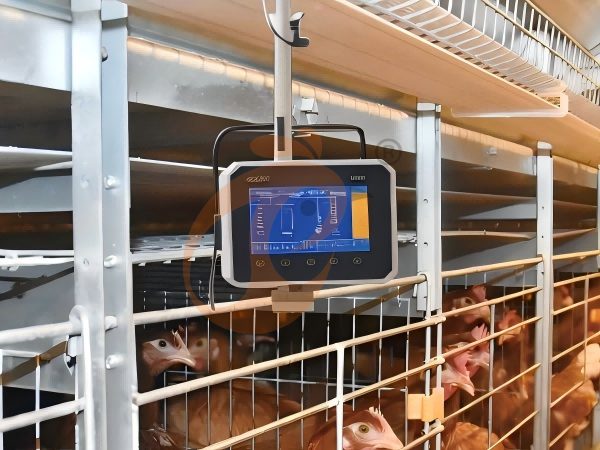
Turn-key engineering integrates layer battery cage structures with feeding, drinking, manure removal, egg collection, ventilation, and environmental systems
Project execution supports farm capacities from 5,000 to 100,000+ layers with configuration based on house dimensions and production targets
Factory manufacturing, quality inspection, loading coordination, installation guidance, and commissioning support create a structured poultry equipment delivery process
Contact Us To Received Your Customized Poultry Farm Plan
Headquarters And Branchs

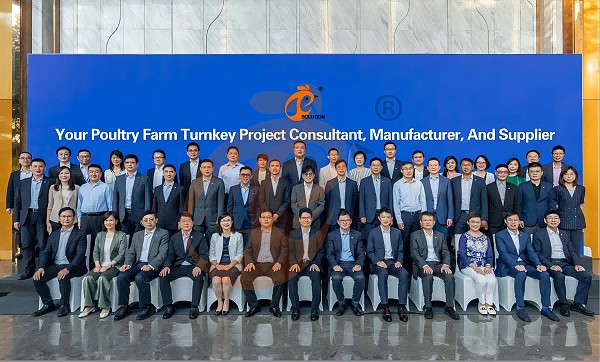
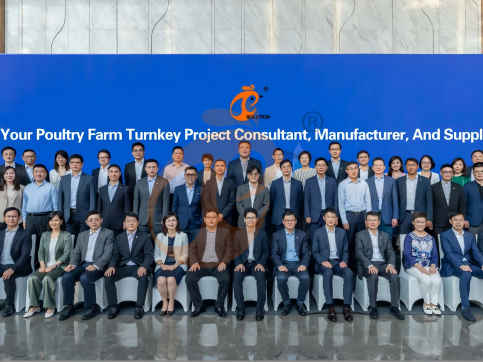
Hong Kong Headquarter Management Team
Hong Kong Headquarter Taiyu Industrial Group CO., LTD
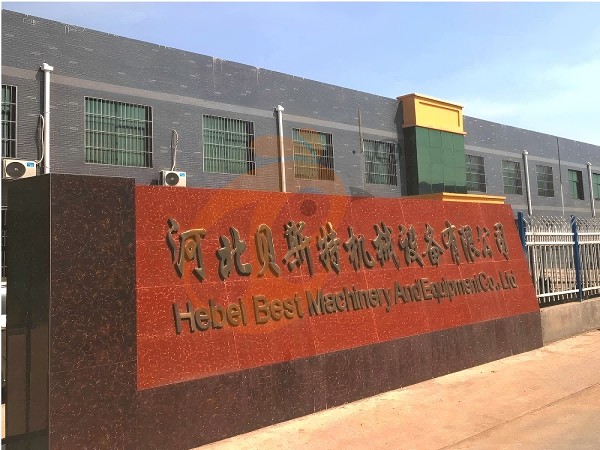
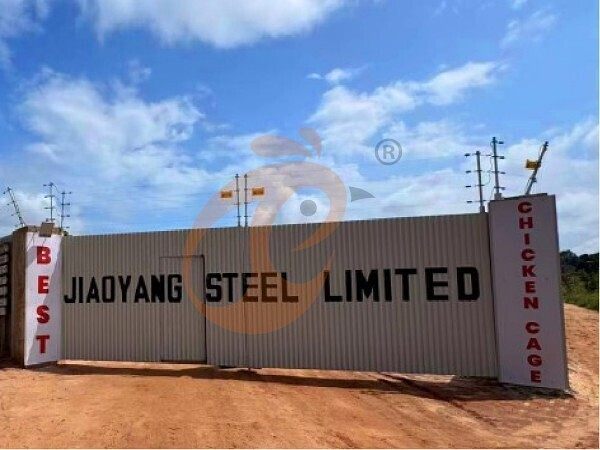
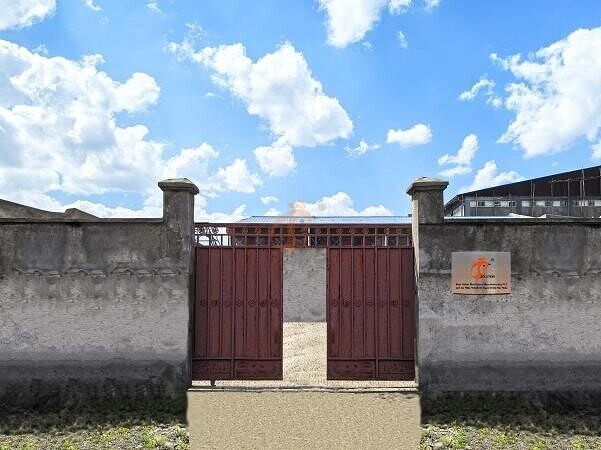
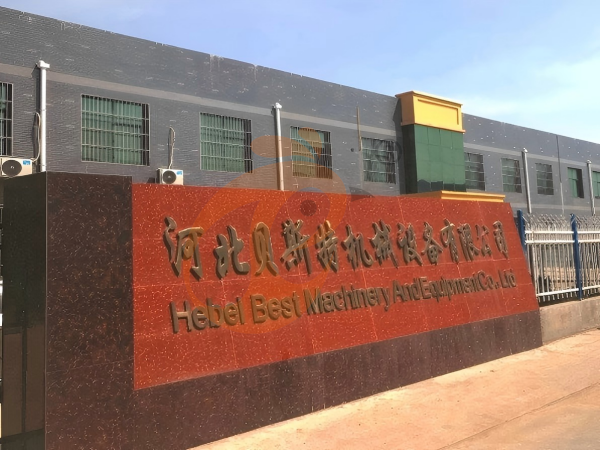
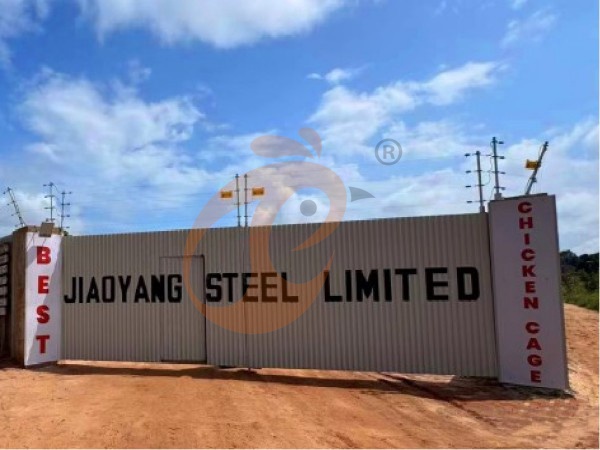
China Hebei Best Machinery And Equipment CO., LTD
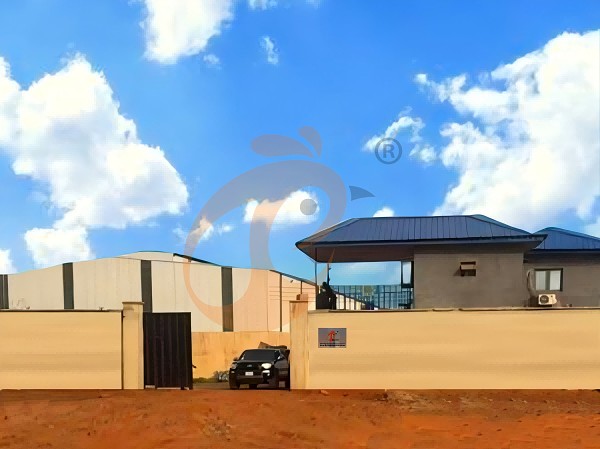
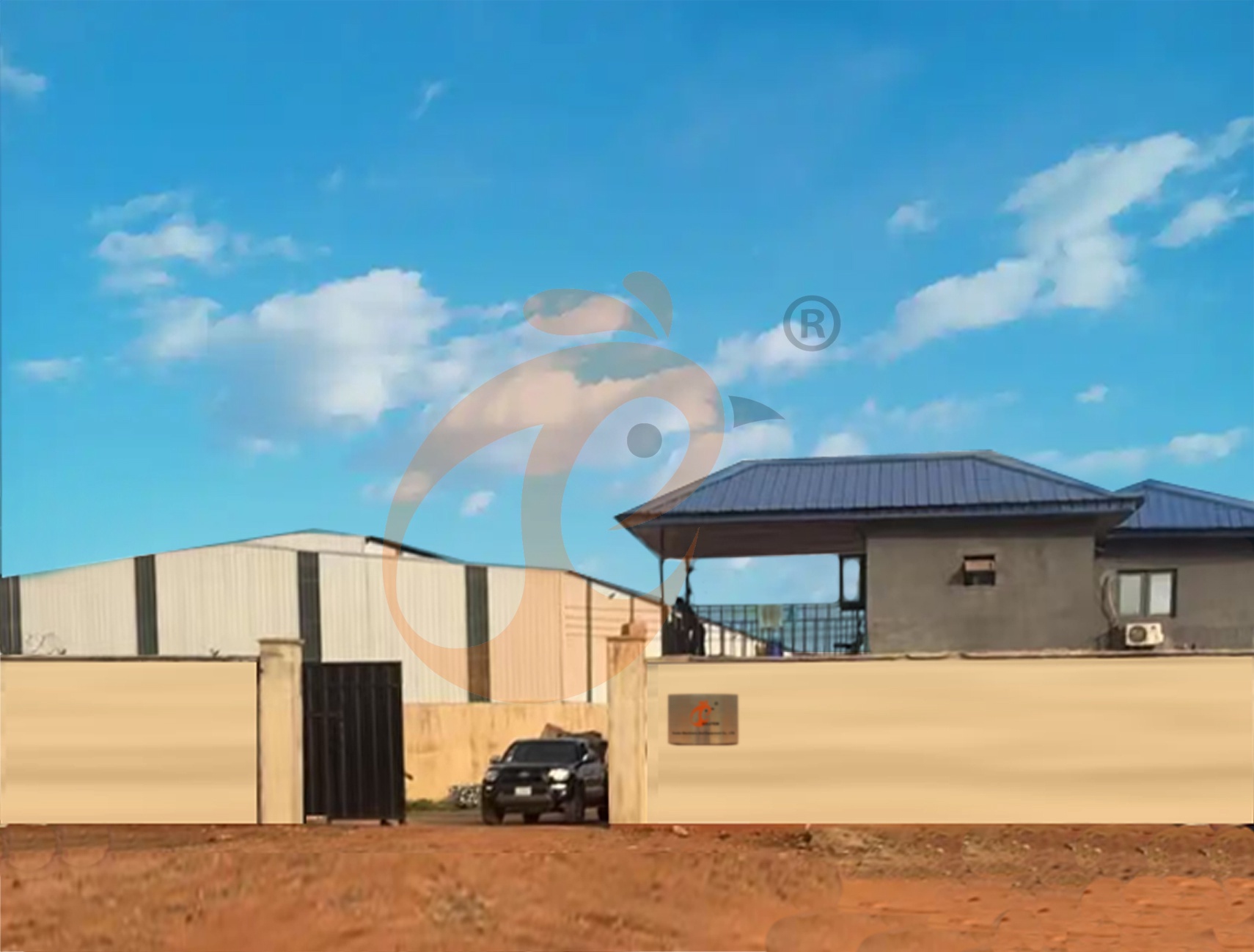
Nigeria Vanke Machinery And Equipment CO., LTD
Tanzania Best Machinery And Equipment CO., LTD
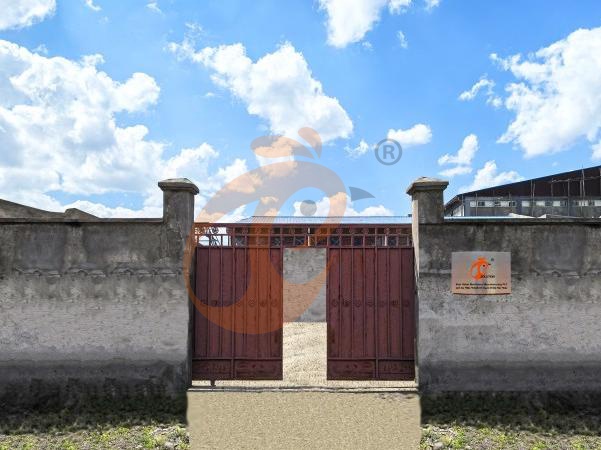
Ethiopia Best Hebei Machinery Manufacturing PLC
Reception /24 WhatsApp NO. : +8618830120193
FAQ
How To Maximize Egg Collection Efficiency Using Automated Layer Cage Systems?
Each belt can transport 4,000–6,000 eggs/hour, reducing manual handling.
Inspect belts regularly, breakage rate 2–3%.
What Are The Top Professional Strategies For Controlling Stress In Poultry Cage Farms?
Ensure good ventilation, temperature 18–25℃, lighting 16h/day.
Automatic feeding and drinking systems ensure birds access feed and water, reducing stress-induced egg drop.
What Are The Advanced Techniques For Reducing Feed Waste In Battery Cage Farms?
Zoned feeding reduces competition and waste, cutting feed loss by 5–10%.
Combined with temperature/humidity control, FCR 1.9–2.1, egg production 90–98%.
- battery cage
- battery cage system
- poultry battery cage
- poultry farm
- layer cage
- poultry house
- cage
- galvanized cage
- poultry farm construction
- battery cage manufacturer
- battery cage supplier
- battery cage equipment
- battery cage installation
- galvanized battery cage
- battery cage construction
- layer battery cage
- layer cage manufacturer
- poultry battery cage system
- layer battery cage system
- battery cage system dimensions
- battery cage project
- poultry equipment
- egg collection equipment
- automatic egg collection equipment
- chickencage
- bestchickencage
- cage system
- poultry battery
- cage systems
- Nigeria
- layer equipment
- commercial layer equipment
- galvanized layer cage
- cage design
- cage manufacturer
- cage supplier
- automatic egg collection
- poultry farm plan
- Ethiopia
Message
Products recommended
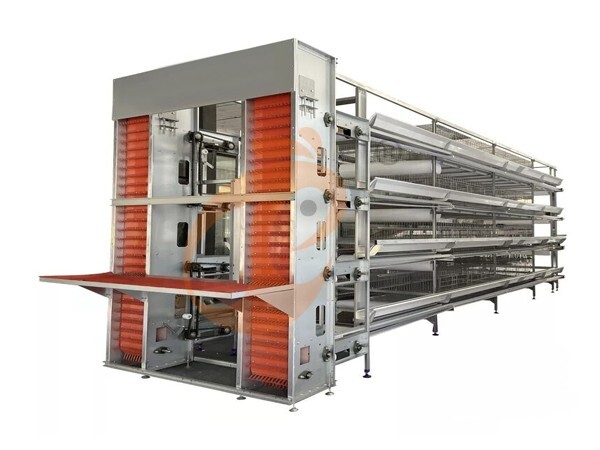
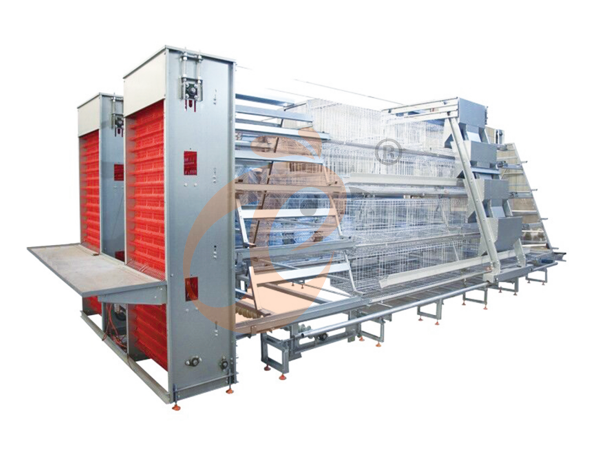
 >30,000 Pullets Automatic H Type Battery Cage1. More than 30,000 pullets a house, choose it.
2. It is designed to rearing older than 1 day old pullets to 12 to 16 weeks old chicken starting laying eggs.
3. Its lifespan is more than 25 years.
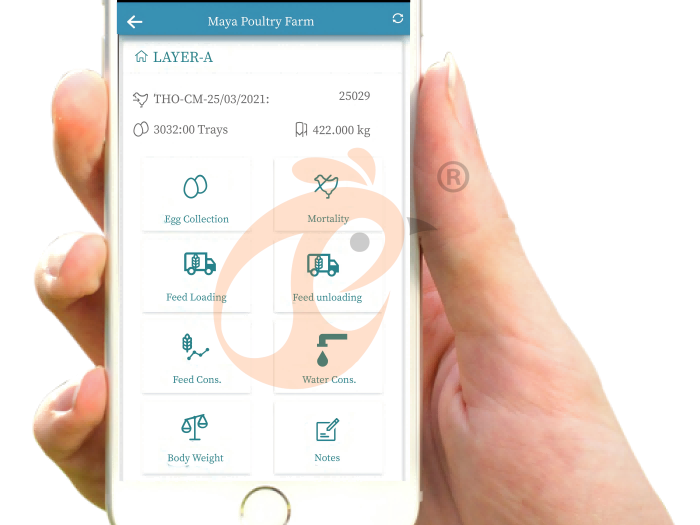
4. Its structure are Vcloud artificial intelligent fusion, electric control cabinet, automatic equipment of drinking, feeding, manure clean, manual harvesting.
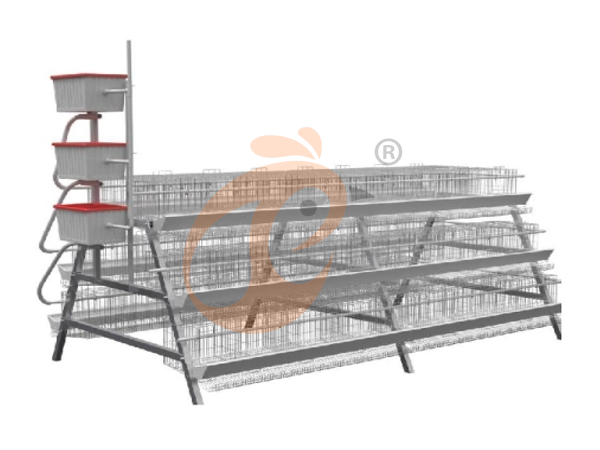
5. Our 24 hour online reception What’sApp NO. is +8618830120193 <30,000 Pullets Automatic A Type Battery Cage1. 10,000 to 30,000 pullets a house, choose it.
2. It is designed to rearing older than 1 day old pullets to 12 to 16 weeks old chicken starting laying eggs.
3. Its lifespan is more than 25 years.
4. Its structure are Vcloud artificial intelligent fusion, electric control cabinet, automatic equipment of drinking, feeding, manure clean, manual harvesting.
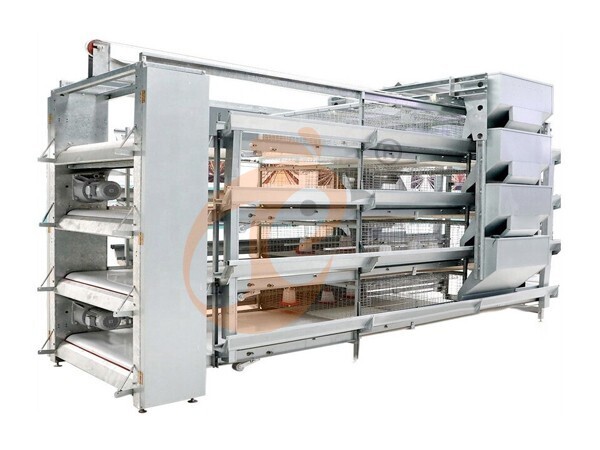
5. Our 24 hour online reception What’sApp NO. is +86 18830120193. >30,000 Broilers Semi-Automatic Harvest H Type Battery Cage1. More than 30,000 broilers a house, choose it.
2. It is designed to rearing 1 to 45 day old adult broiler ready for market.
3. Its lifespan is more than 20 years.
4. Our 24 hour online reception What’sApp NO. is +8618830120193, +234 8111199996. >30,000 Broilers Manual Harvest H Type Battery Cage1. More than 30,000 broilers a house, choose it.
2. It is designed to rearing 1 to 45 day old adult broiler ready for market.
3. Its lifespan is more than 20 years.
4. Its structure are Vcloud artificial intelligent fusion, electric control cabinet, automatic equipment of drinking, feeding and manure clean, manual harvesting.
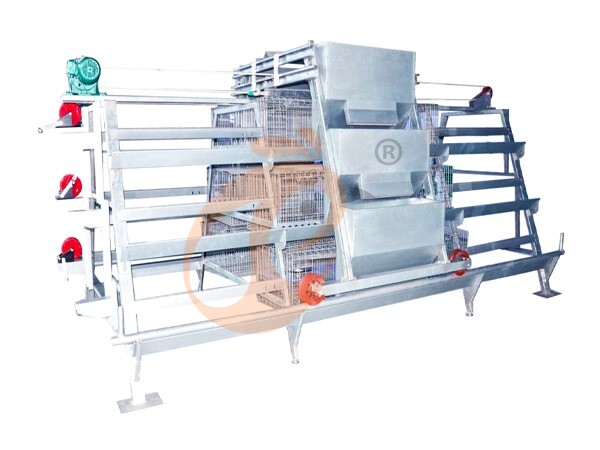
5. Our 24 hour online reception What’sApp NO. is +8618830120193, +234 8111199996. <30,000 Broilers Manual Harvest A Type Battery Cage1. Less 30,000 broilers a house, choose it.
2. It is designed to rearing 1 to 45 day old adult broiler ready for market.
3. Its lifespan is more than 20 years.
4. Its structure are Vcloud artificial intelligent fusion, electric control cabinet, automatic equipment of drinking, feeding and manure clean, manual harvesting.
5. Our 24 hour online reception What’sApp NO. is +8618830120193, +234 8111199996. HK Headquarter Offers EU-standard Poultry Farm Solutions, Manufacture Poultry Farm Equipment1. Continuous communication with the EU and the US
2. China, Nigeria, Ethiopia, Tanzania branch companies and factories
3. The products’ quality is customized for local poultry farms
4. Poultry cage and poultry farm equipment stock for sale
5. 24 online reception Whatsapp NO. : +8618830120193,contact us to get full information China Branch Offer Poultry Farm Business Plan, Manufacture Poultry Farm Equipment1. Address: Flat/RM 2416, 24/F, Runxing Building, Youyi Nan Street, Shijiazhuang City, Hebei Province, China
2. Poultry cage and poultry farm equipment factory and stock for sale
3. Customized for local poultry farms
4. Quality and design are based on Euro
5. 24 online reception Whatsapp NO. : +8618830120193 Nigeria Branch Offer Poultry Farm Business Plan, Manufacture Poultry Farm Equipment1. Address: After Sinoma Office, 200 Meters Near Danco Filling Station, Lagos/Ibadan Expressway, Lagos State, Nigeria
2. Poultry cage and poultry farm equipment factory and stock for sale
3. Customized for Nigerian poultry farms
4. Quality and design are based on Euro
5. 24 online reception Whatsapp NO. : +8618830120193 Ethiopia Branch Offer Poultry Farm Business Plan, Manufacture Poultry Farm Equipment1. Address: Gelan Gura, Akaki-kaliti Sub City, Addis Ababa, Ethiopia
2. Poultry cage and poultry farm equipment stock for sale
3. Customized for Ethiopian poultry farms
4. Quality and design are based on Euro
5. 24 online reception Whatsapp NO. : +8618830120193, contact us to get price list Tanzania Branch Offer Poultry Farm Business Plan, Manufacture Poultry Farm Equipment1. Address: No.8, Sova Road, Msufini, Mlandizi, Kibaha, Pwani, Tanzania
2. Poultry cage and poultry farm equipment factory and stock for sale
3. Customized for Tanzanian poultry farms
4. Quality and design are based on Euro
5. 24 online reception Whatsapp NO. : +8618830120193



Contact