


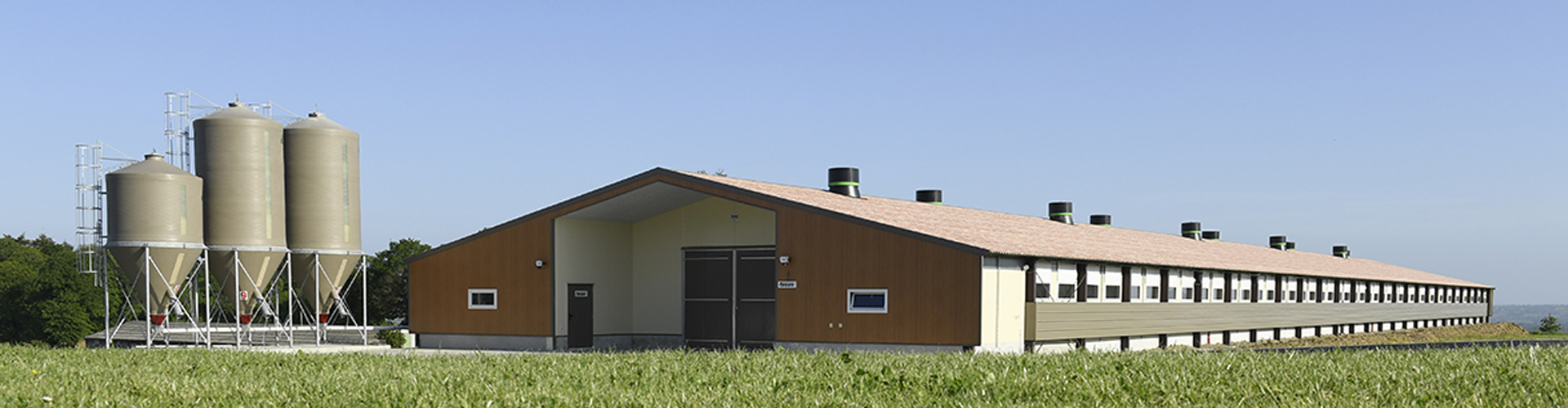
Blog
- Poultry farm equipment investment determines production efficiency, labor control, and long-term farm profitability across modern commercial operations.
Automatic poultry feeding systems can stabilize daily feed delivery while supporting production cycles exceeding 300 days.
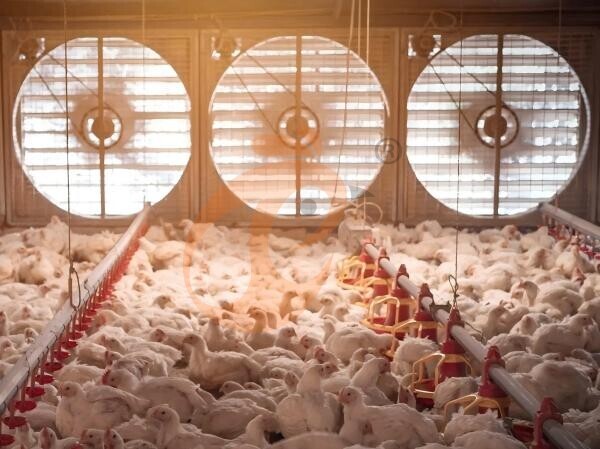
Poultry house ventilation systems regulate airflow, temperature, and humidity through coordinated mechanical control and sensor-based management.
Equipment quality, farm scale, climate conditions, resource consumption, and technical service jointly shape five-year investment performance.
- Proper system integration converts equipment spending into measurable operating value through durable construction, automation, and engineering support.
Get professional poultry farm construction guidance, equipment selection solutions, and the latest price lists, whatsApp to +8618830120193, click to learn more:
Poultry Farm Equipment Cost At A Glance
Poultry farm equipment cost depends on production architecture, house configuration, automation design, and equipment specification.
For commercial projects, complete equipment packages can represent a substantial building investment, while automation can reduce repetitive daily operations to scheduled inspections.
Data is for reference only.Swipe horizontally to view full table.
Indicative equipment-only ranges; actual quotations depend on configuration, materials, automation, installation, and local logistics.
Poultry farm equipment should be matched with house dimensions before pricing begins.
For example, a 15 m × 120 m building requires different airflow planning from a 12 m × 80 m structure.
Currency references use USD, with European union standard reference only.
Farm Size And Production Capacity
Start With Capacity.
Poultry farm equipment quantity increases directly with bird population, house length, and production architecture.
A commercial project may use multiple feeding circuits, while large layer facilities integrate cage, egg collection, feeding, drinking, ventilation, and manure systems.
Data is for reference only.Swipe horizontally to view full table.
Poultry farm equipment becomes more economical when engineering design matches production density and house geometry.
A balanced feeding circuit can support approximately 120–150 m of house length while reducing unnecessary transfer points.
Level Of Automation
Manual → Semi-Automatic → Fully Automatic.
Poultry farm equipment automation replaces repetitive feeding, watering, ventilation, heating, lighting, cooling, and alarm operations with programmed control.
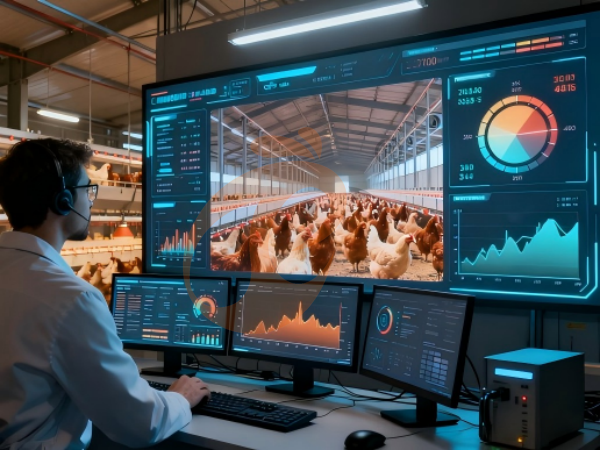
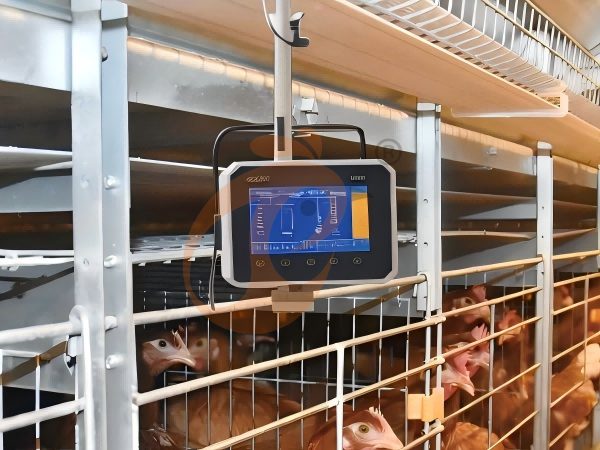
Modern systems can coordinate multiple production functions through centralized logic while operators monitor abnormal conditions from one control interface.
Data is for reference only.Swipe horizontally to view full table.
Poultry farm equipment automation becomes especially valuable where labor availability changes between shifts.
A 50,000-bird operation can reduce repeated manual inspection workload by programming equipment sequences around production stages.
Equipment Quality And Material Selection
Check Before You Buy
Poultry farm equipment operates under moisture, dust, disinfectants, and ammonia exposure, making material engineering critical for long-term reliability.
Galvanized structures, corrosion-resistant fasteners, sealed electrical components, and food-grade water-contact materials can improve service durability under demanding conditions.
Quality assessment should include coating specification, component compatibility, replacement intervals, and expected operating life.
For example, galvanized components around 275 g/m² coating weight provide a defined corrosion-resistance benchmark for equipment exposed to humid poultry-house conditions.
Mechanical reliability also depends on motor design and transmission matching.
A gear motor using approximately 1,500–1,800 rpm input speed with an appropriate reduction ratio can provide stable drive performance for continuous equipment operation.
Climate And Environmental Control
Environment First
Poultry farm equipment must convert house dimensions and climatic conditions into calculated ventilation demand rather than relying on fan quantity alone.
A 3.0 m internal house height creates a different air-volume requirement from a 2.5 m structure, even when floor area remains unchanged.
Data is for reference only.Swipe horizontally to view full table.
Poultry farm equipment ventilation design should also consider seasonal air exchange and target bird comfort.
Tunnel airflow around 2.0–3.0 m/s can support heat removal during hot-weather operation when house sealing and inlet positioning are correctly engineered.
Feed And Water Efficiency
Profit Follows Precision
Poultry farm equipment for feeding and drinking directly affects resource utilization because feed and water are consumed continuously throughout production.
An automatic system can maintain consistent delivery while minimizing unnecessary manual adjustment during a 24-hour operating cycle.
Data is for reference only.Swipe horizontally to view full table.
Poultry farm equipment water management can also reveal abnormal operating conditions before visible production losses occur.
A daily consumption deviation of approximately 10–15% can justify inspection of leakage, pressure stability, environmental changes, or equipment operation.
Installation, Service And After-Sales Support
Design → Install → Commission → Train → Maintain.
Poultry farm equipment performance depends heavily on installation accuracy, commissioning procedures, operator training, and spare-parts planning.
Professional project support should connect layout drawings with mechanical installation, electrical commissioning, and production-stage programming.
Data is for reference only.Swipe horizontally to view full table.
Poultry farm equipment support should be treated as part of the investment rather than an optional service.
A commercial farm operating 365 days annually can face significant production exposure when critical mechanical systems remain unavailable during peak
periods.
Total Cost Of Ownership
Do Not Compare Quotations Alone
Poultry farm equipment should be evaluated through total cost of ownership rather than purchase price alone.
A system with 95% mechanical availability can produce a materially different operating result from equipment requiring frequent intervention.
TCO = Purchase Cost + Installation + Energy + Labor + Maintenance + Replacement Cost
A five-year model provides a practical framework for comparing equipment configurations.
Energy consumption, maintenance frequency, replacement timing, and labor requirements should all be converted into annual financial values before final procurement.
Equipment Investment And Return On Investment
Poultry farm equipment creates stronger return on investment when individual systems operate as one coordinated production platform.
Feeding, drinking, ventilation, monitoring, and manure management can share control logic, reducing operational inconsistency across production cycles.
Data is for reference only.Swipe horizontally to view full table.
Poultry farm equipment return on investment should be calculated from measurable operating changes rather than generic efficiency claims.
For example, eliminating two hours of daily manual work creates a directly calculable annual labor value based on local wage rates.
Equipment Selection Decision Path
Start → Measure → Calculate → Configure → Compare → Verify → Invest.
Poultry farm equipment selection should begin with house measurements, bird capacity, climate data, production type, and labor structure.
A building with 1,800 m² floor area requires a different system configuration from a 1,200 m² house even when both facilities use similar production technology.
The supplier should convert engineering inputs into feeding, drinking, ventilation, environmental, and manure-management configurations.
Five-year TCO should then be compared against expected operating savings before procurement approval.
Integrated Poultry Equipment
Data is for reference only.Swipe horizontally to view full table.
Poultry farm equipment integration reduces compatibility risks between independent equipment brands.
Unified control architecture allows fans, sensors, feeding motors, water systems, and alarms to operate according to coordinated production logic.
For multi-house projects, centralized monitoring can compare operating conditions across houses through a common management structure.
Frequently Asked Questions
Q1: What determines poultry farm equipment cost?
Poultry farm equipment cost is mainly influenced by capacity, automation architecture, house dimensions, and material specification.
A five-year TCO model can reveal whether a higher initial investment produces lower operating expenditure.
Q2: How can poultry farm equipment improve return on investment?
Poultry farm equipment improves return on investment by reducing repetitive labor, stabilizing resource delivery, and coordinating environmental management.
For example, automation can operate continuously across a 24-hour production schedule while operators focus on supervision and maintenance.
Q3: Should farms choose the cheapest equipment?
The lowest quotation does not always represent the lowest lifecycle cost.
Comparing maintenance requirements, component durability, service response, and expected operating availability over five years provides a more reliable
procurement decision.
Taiyu (HK) Group - One Of China Toppest Poultry Farm Equipment Manufacturer
Poultry farm equipment integrates feeding, drinking, ventilation, environmental control, and manure systems, with project configurations supporting houses up to 150 m in length.
Global factory-direct supply covers poultry equipment engineering, component manufacturing, quality inspection, and international shipment coordination for commercial farm projects.
Turn-key engineering combines layout design, equipment selection, installation guidance, commissioning, operator training, and technical documentation within one project structure.
Poultry equipment solutions support broiler and layer projects through scalable configurations, centralized control architecture, and coordinated mechanical system design.
International project delivery follows application-specific specifications, production schedules, spare-parts planning, and technical support requirements for multi-house installations.
Contact Us To Received Your Customized Poultry Farm Plan
Headquarters And Branchs

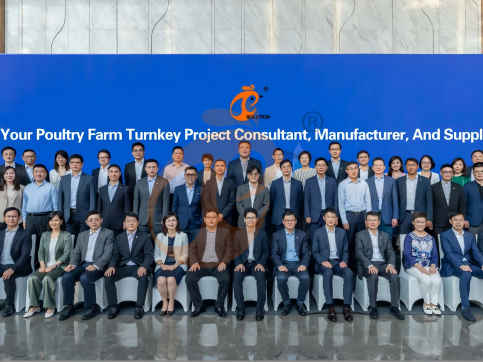
Hong Kong Headquarter Management Team
Hong Kong Headquarter Taiyu Industrial Group CO., LTD
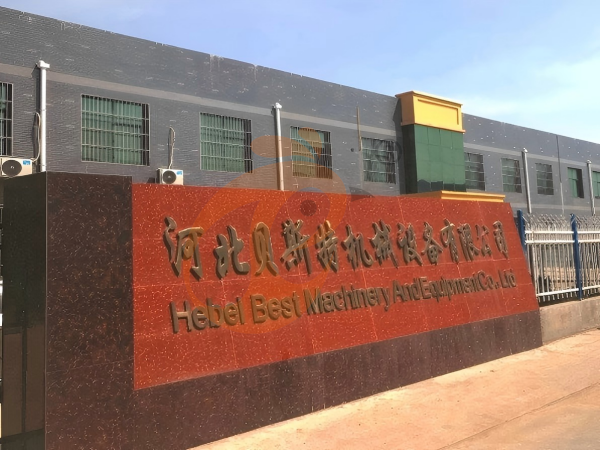
China Hebei Best Machinery And Equipment CO., LTD
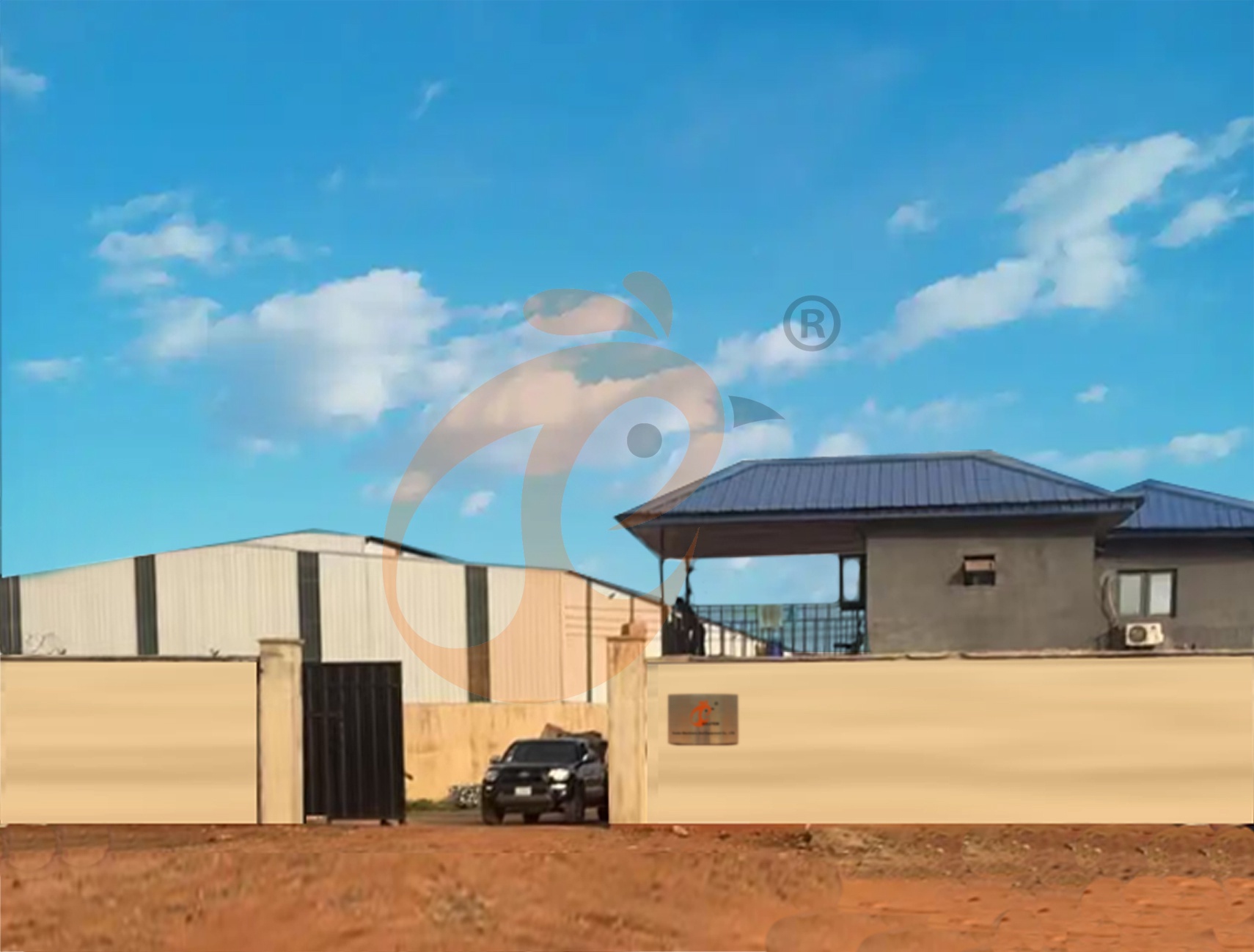
Nigeria Vanke Machinery And Equipment CO., LTD
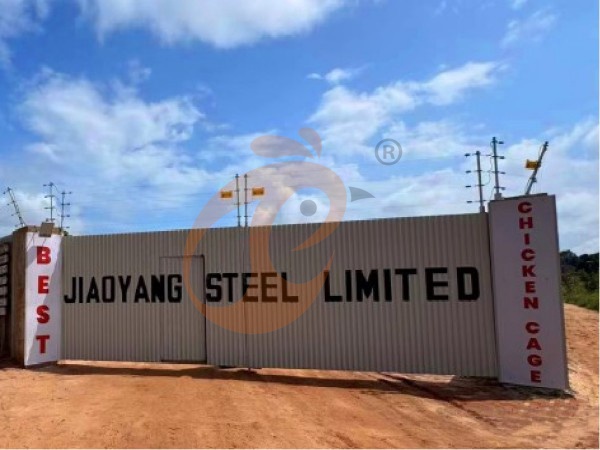
Tanzania Best Machinery And Equipment CO., LTD
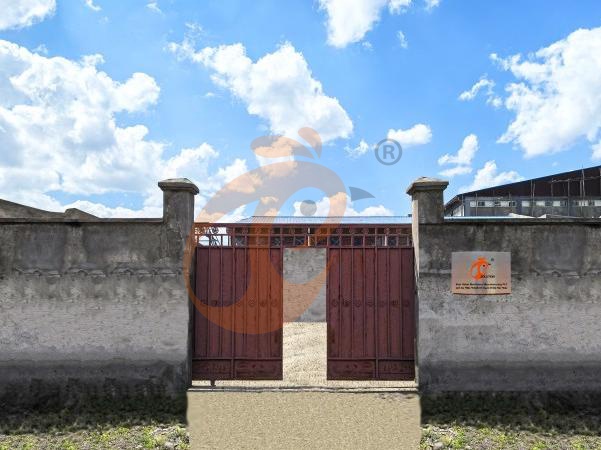
Ethiopia Best Hebei Machinery Manufacturing PLC




Reception /24 WhatsApp NO. : +8618830120193
FAQ
What Equipment Modules Are Included In Automatic Chicken Cage Poultry Equipment For Poultry Chicken Cage Systems?
Watering modules integrate pipelines rated for 16–20 mm diameter supporting stable distribution.
Manure belts utilize 1.0–1.2 mm thickness materials for continuous waste removal durability.
Which Structural Equipment Specifications Define Automatic Chicken Cage Poultry Equipment In Poultry Chicken Cage Systems?
Wire mesh spacing is maintained at 20–25 mm to support bird stability and waste separation.
Galvanization coating reaches 90–130 g/m² for corrosion resistance in high humidity environments.
What Drive System Equipment Parameters Are Used In Automatic Chicken Cage Poultry Equipment For Poultry Chicken Cage Farms?
Gear reducer ratio is configured between 1:20–1:40 for controlled mechanical output speed.
Transmission efficiency reaches 85%–92% minimizing energy loss during continuous operation.
- poultry farm
- layer cage
- poultry house
- cage
- poultry farm equipment
- poultry farm construction
- layer cage system
- poultry house ventilation
- poultry feeding system
- poultry house ventilation system
- automatic poultry feeding system
- poultry equipment
- chickencage
- bestchickencage
- cage system
- Nigeria
- poultry farm equipment manufacturer
- poultry farm equipment cost
- broiler house equipment
- poultry farm plan
- poultry feed
- Ethiopia
Message
Products recommended
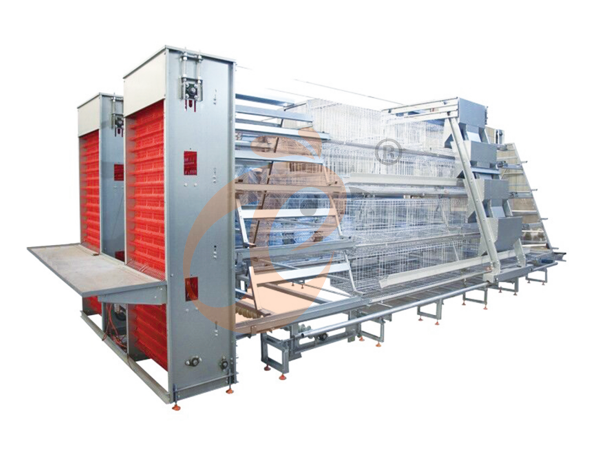
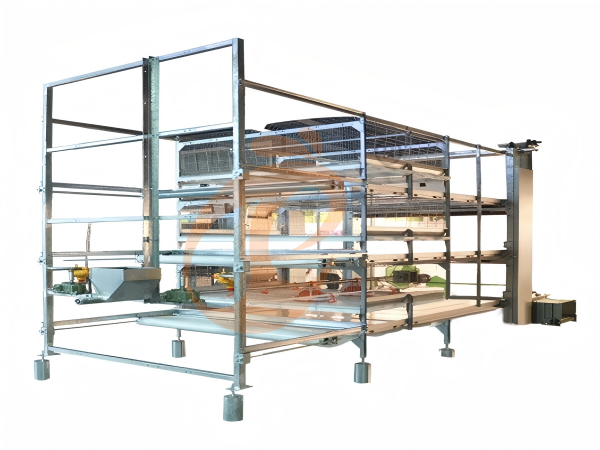
 >30,000 Pullets Automatic H Type Battery Cage1. More than 30,000 pullets a house, choose it.
2. It is designed to rearing older than 1 day old pullets to 12 to 16 weeks old chicken starting laying eggs.
3. Its lifespan is more than 25 years.
4. Its structure are Vcloud artificial intelligent fusion, electric control cabinet, automatic equipment of drinking, feeding, manure clean, manual harvesting.
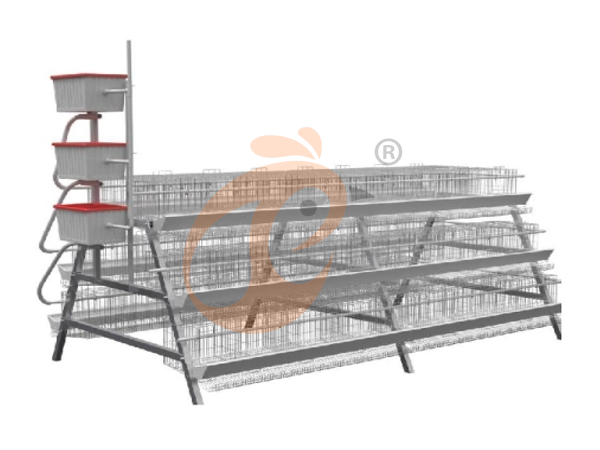
5. Our 24 hour online reception What’sApp NO. is +8618830120193 <30,000 Pullets Automatic A Type Battery Cage1. 10,000 to 30,000 pullets a house, choose it.
2. It is designed to rearing older than 1 day old pullets to 12 to 16 weeks old chicken starting laying eggs.
3. Its lifespan is more than 25 years.
4. Its structure are Vcloud artificial intelligent fusion, electric control cabinet, automatic equipment of drinking, feeding, manure clean, manual harvesting.
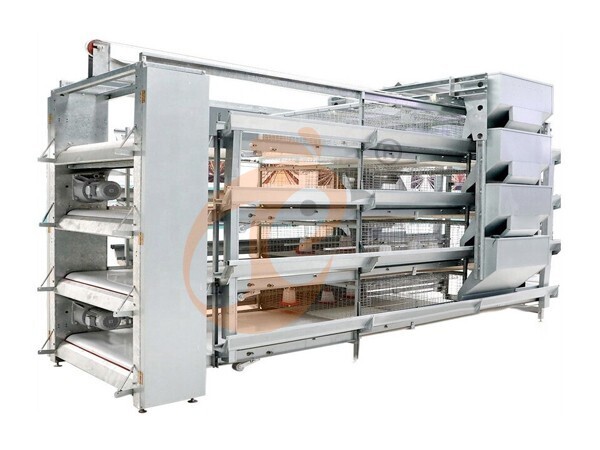
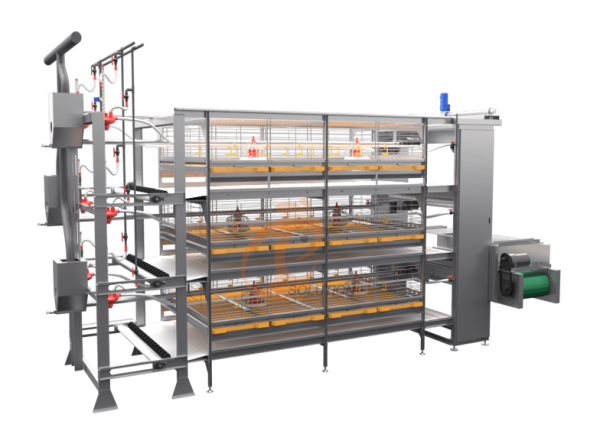
5. Our 24 hour online reception What’sApp NO. is +86 18830120193. >30,000 Broilers Semi-Automatic Harvest H Type Battery Cage1. More than 30,000 broilers a house, choose it.
2. It is designed to rearing 1 to 45 day old adult broiler ready for market.
3. Its lifespan is more than 20 years.
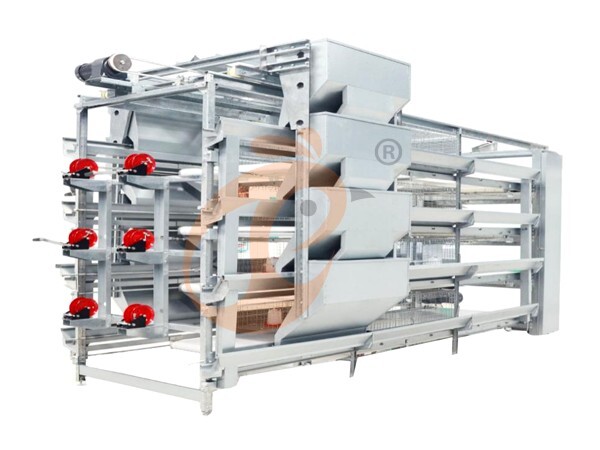
4. Our 24 hour online reception What’sApp NO. is +8618830120193, +234 8111199996. >30,000 Broilers Manual Harvest H Type Battery Cage1. More than 30,000 broilers a house, choose it.
2. It is designed to rearing 1 to 45 day old adult broiler ready for market.
3. Its lifespan is more than 20 years.
4. Its structure are Vcloud artificial intelligent fusion, electric control cabinet, automatic equipment of drinking, feeding and manure clean, manual harvesting.
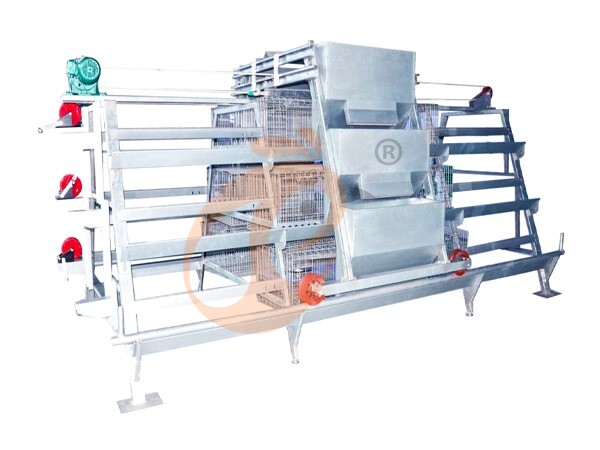
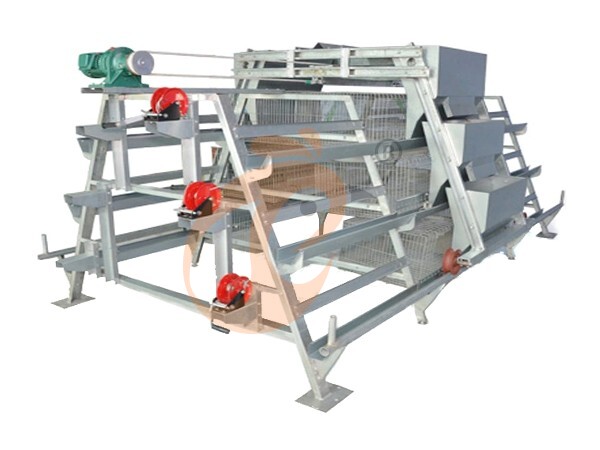
5. Our 24 hour online reception What’sApp NO. is +8618830120193, +234 8111199996. <30,000 Broilers Manual Harvest A Type Battery Cage1. Less 30,000 broilers a house, choose it.
2. It is designed to rearing 1 to 45 day old adult broiler ready for market.
3. Its lifespan is more than 20 years.
4. Its structure are Vcloud artificial intelligent fusion, electric control cabinet, automatic equipment of drinking, feeding and manure clean, manual harvesting.
5. Our 24 hour online reception What’sApp NO. is +8618830120193, +234 8111199996. HK Headquarter Offers EU-standard Poultry Farm Solutions, Manufacture Poultry Farm Equipment1. Continuous communication with the EU and the US
2. China, Nigeria, Ethiopia, Tanzania branch companies and factories
3. The products’ quality is customized for local poultry farms
4. Poultry cage and poultry farm equipment stock for sale
5. 24 online reception Whatsapp NO. : +8618830120193,contact us to get full information China Branch Offer Poultry Farm Business Plan, Manufacture Poultry Farm Equipment1. Address: Flat/RM 2416, 24/F, Runxing Building, Youyi Nan Street, Shijiazhuang City, Hebei Province, China
2. Poultry cage and poultry farm equipment factory and stock for sale
3. Customized for local poultry farms
4. Quality and design are based on Euro
5. 24 online reception Whatsapp NO. : +8618830120193 Nigeria Branch Offer Poultry Farm Business Plan, Manufacture Poultry Farm Equipment1. Address: After Sinoma Office, 200 Meters Near Danco Filling Station, Lagos/Ibadan Expressway, Lagos State, Nigeria
2. Poultry cage and poultry farm equipment factory and stock for sale
3. Customized for Nigerian poultry farms
4. Quality and design are based on Euro
5. 24 online reception Whatsapp NO. : +8618830120193 Ethiopia Branch Offer Poultry Farm Business Plan, Manufacture Poultry Farm Equipment1. Address: Gelan Gura, Akaki-kaliti Sub City, Addis Ababa, Ethiopia
2. Poultry cage and poultry farm equipment stock for sale
3. Customized for Ethiopian poultry farms
4. Quality and design are based on Euro
5. 24 online reception Whatsapp NO. : +8618830120193, contact us to get price list Tanzania Branch Offer Poultry Farm Business Plan, Manufacture Poultry Farm Equipment1. Address: No.8, Sova Road, Msufini, Mlandizi, Kibaha, Pwani, Tanzania
2. Poultry cage and poultry farm equipment factory and stock for sale
3. Customized for Tanzanian poultry farms
4. Quality and design are based on Euro
5. 24 online reception Whatsapp NO. : +8618830120193


Contact