


Blog
A type poultry cage selection should balance capacity, durability, automation, and lifecycle cost within 10–18 m-wide houses.
A type chicken cage layouts require accurate dimensions, service aisles, feeding routes, ventilation clearance, and future expansion planning.
A type poultry cage manufacturer evaluation should cover steel specifications, production controls, engineering drawings, installation support, and spare-parts planning.
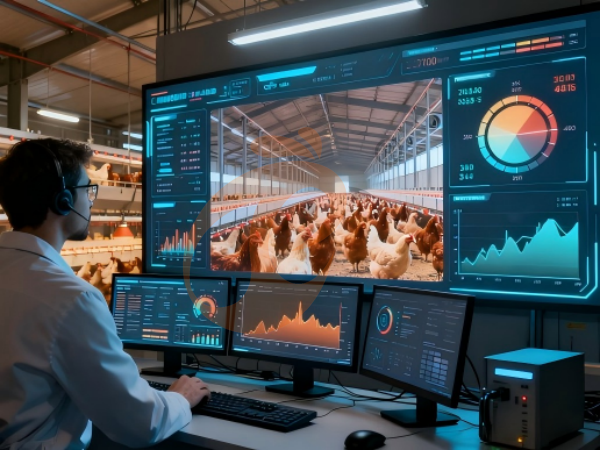
Integrated poultry equipment can coordinate feeding, drinking, manure handling, egg collection, and environmental management across 30,000–100,000 birds.
- Five purchasing checks expose hidden costs, unsuitable configurations, weak technical support, and inefficient equipment choices before commercial installation begins.
Get professional poultry farm construction guidance, equipment selection solutions, and the latest price lists, whatsApp to +8618830120193, click to learn more:
Buying Mistake #1 — Comparing Only The Unit Price
Data is for reference only.Swipe horizontally to view full table.
A quotation should be evaluated according to the complete A type poultry cage system, not one cage unit.
An A type chicken cage project may include 20–60 cage rows, while final investment also depends on feeding, drinking, manure handling, and electrical systems.
When comparing an A type poultry cage manufacturer, request a complete bill of materials and equipment layout to calculate investment per 1,000 birds.
Buying Mistake #2 — Ignoring Material And Manufacturing Quality
Data is for reference only.Swipe horizontally to view full table.
Material specifications should be confirmed before production begins for every A type poultry cage project.
An A type chicken cage supplier should document forming accuracy, welding procedures, and component traceability throughout manufacturing.
A professional A type poultry cage manufacturer should provide technical drawings, material specifications, production photographs, and inspection records.
For large projects, customers can request pre-shipment inspection based on 5–10% of manufactured components.
The 5-Question Supplier Test
Before signing an A type poultry cage purchase contract, run this five-question test:
1. Can you provide the complete cage drawing?
A professional A type chicken cage supplier should provide dimensional drawings with tolerances such as ±2 mm for relevant manufactured components.
2. Can you provide the equipment configuration?
Ask an A type poultry cage manufacturer for exact cage units, feeding lines, drinking lines, and manure-handling components.
3. Can you explain the installation procedure?
A structured A type poultry cage system installation sequence can reduce commissioning time to approximately 3–7 days, depending on project scale.
4. Can you provide spare parts?
Ask for recommended spare-part quantities covering the first 12 months of A type poultry cage operation.
5. Can you provide technical support after delivery?
For export projects, clarify whether the A type chicken cage supplier provides remote installation assistance and troubleshooting within 24–48 hours.
These questions reveal whether an A type poultry cage manufacturer has engineering capability or mainly handles equipment transactions.
Buying Mistake #3 — Forgetting The Complete Equipment System
Data is for reference only.Swipe horizontally to view full table.
An A type poultry cage should be planned as part of an integrated poultry equipment system.
A properly matched A type chicken cage feeding line can distribute feed across 50–120 m of house length, while the drinking system maintains pressure throughout the line.
An experienced A type poultry cage manufacturer can engineer cage, feeding, drinking, manure, and electrical systems as one project.
This integration avoids adapting unrelated components after installation and supports more consistent equipment coordination.
Before You Sign: Run The Space Test
Take the poultry house drawing and mark five dimensions
House length → house width → cage-row position → service aisle → equipment clearance.
For an A type poultry cage project, a house measuring 80 m × 15 m provides approximately 1,200 m² of gross floor area.
The A type chicken cage layout should be calculated according to usable area rather than building footprint alone.
Also check vertical clearance before ordering.
An A type poultry cage manufacturer should verify roof clearance for ventilation ducts, lighting, and maintenance access when equipment height reaches 1.85–2.8 m.
Customized CAD planning can identify installation conflicts before the equipment reaches the farm.
Buying Mistake #4 — Choosing Equipment Without Considering Labor
Data is for reference only.Swipe horizontally to view full table.
Labor efficiency should be evaluated across the entire daily workflow surrounding an A type poultry cage.
A farm with 30,000–50,000 layers can have different labor requirements depending on whether feeding, manure removal, and egg transport are manual or mechanized.
When selecting an A type chicken cage, calculate daily operations, operator walking distance, cleaning frequency, and equipment inspection points.
An A type poultry cage manufacturer can configure automation around actual labor conditions rather than selling an isolated cage structure.
Buying Mistake #5 — Forgetting After-Sales Support
Data is for reference only.Swipe horizontally to view full table.
An A type poultry cage is expected to operate through multiple production cycles, so technical support should enter the purchasing decision from the beginning.
A reliable A type chicken cage supplier should define installation guidance, operation manuals, electrical diagrams, and spare-parts recommendations before delivery.
An A type poultry cage manufacturer should also clarify shipping documents, packing specifications, installation instructions, and communication procedures at least 7 days before dispatch.
Written service responsibilities reduce uncertainty during commissioning and subsequent operation.
The Buyer's 60-Second Checklist
Data is for reference only.Swipe horizontally to view full table.
A weighted score above 85/100 indicates strong performance when evaluating an A type poultry cage supplier.
The scoring system prevents an A type chicken cage supplier from winning solely because its quotation is lower by 5–10%.
For an A type poultry cage manufacturer, measurable evaluation also provides a structured basis for comparing engineering and service capabilities.
The purpose is not complexity; the purpose is converting subjective purchasing into measurable equipment evaluation.
What A Reliable A Type Poultry Cage Should Deliver
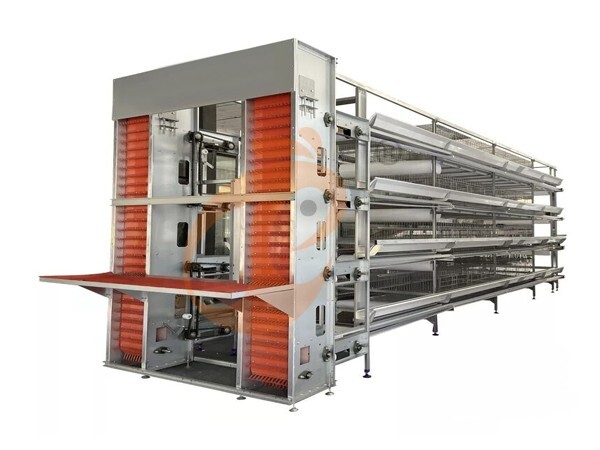
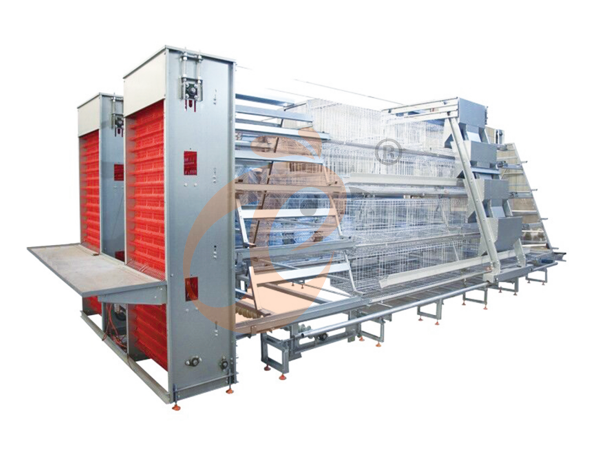
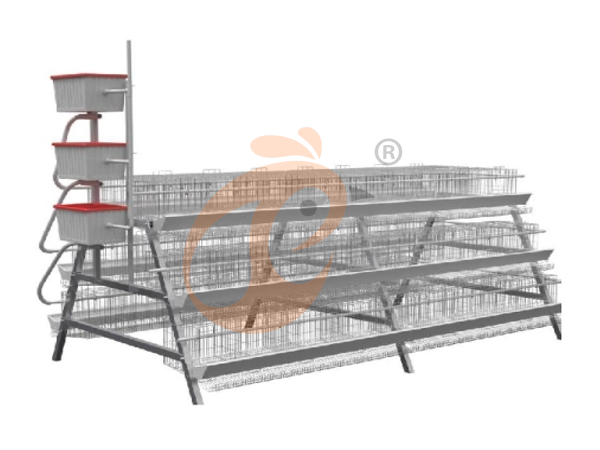
Think of the A type poultry cage as the structural platform of the poultry house.
A well-engineered A type chicken cage should support flock management while allowing automated equipment to operate consistently.
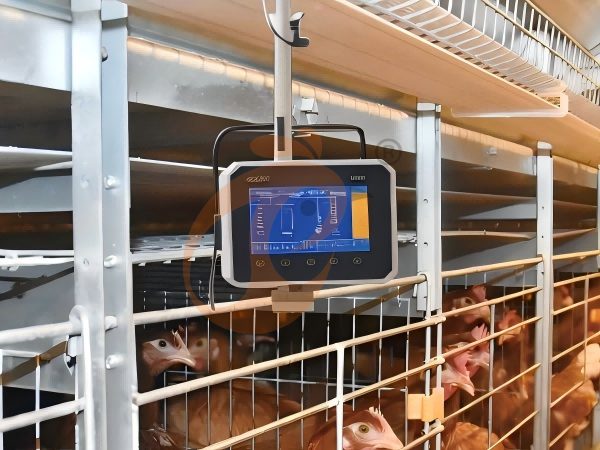
Depending on project design, the cage system can use 3–5 tiers, with dedicated feeding and drinking lines serving each level.
The A type poultry cage manufacturer should also provide practical access for inspection and maintenance.
For example, a service aisle of approximately 0.9–1.2 m can provide working space between cage rows, depending on house design.
Most importantly, the A type poultry cage system should be designed around the production target.
A manufacturer with engineering and production capability can adjust cage dimensions, equipment configuration, and house layout according to actual project requirements.
Make The Smart Purchase: Compare Value, Not Just Price
The right A type poultry cage should fit the farm's production plan, building dimensions, equipment requirements, and operating model.
Before signing the order, remember five smart tips:
Tip 1: Compare complete project investment rather than one cage-unit price.
Tip 2: Verify A type chicken cage manufacturing specifications through measurable technical data.
Tip 3: Select the cage together with compatible feeding, drinking, manure, and egg-handling equipment.
Tip 4: Evaluate labor efficiency across the entire production process.
Tip 5: Confirm A type poultry cage manufacturer technical service, spare parts, installation support, and warranty terms before payment.
For poultry farms planning 10,000, 30,000, 50,000, or 100,000+ birds, customized equipment planning can substantially improve the final project configuration.
An A type poultry cage system is not simply a metal structure.
A professional poultry equipment manufacturer can coordinate cage, automation equipment, house layout, and technical support within one engineering plan.
Choose specifications carefully, integrate compatible equipment, and build around measurable operating requirements rather than the lowest quotation.
Frequently Asked Questions
Q1: What should be checked before buying an A type poultry cage?
An A type poultry cage purchase should verify material specifications, cage configuration, house dimensions, automation compatibility, installation requirements, and after-sales support.
Project drawings should be reviewed before production, with dimensional tolerances commonly controlled around ±2 mm for relevant manufactured components.
Q2: How can an A type chicken cage reduce farm operating work?
An A type chicken cage can be integrated with automatic feeding, nipple drinking, manure handling, and egg collection systems.
A coordinated system can reduce repetitive manual tasks while supporting farms operating 30,000–50,000 layers or more.
Q3: How should buyers compare an A type poultry cage manufacturer?
An A type poultry cage manufacturer should be evaluated through engineering capability, production control, equipment integration, documentation, installation assistance, and spare-parts service.
A weighted supplier score above 85/100 provides a practical benchmark for comparing overall project capability.
Taiyu (HK) Group - One Of China Largest A Type Poultry Cage Manufacturer
A type poultry cage systems support commercial layer projects through modular cage structures, integrated equipment interfaces, and configurations reaching 3–5 tiers.
Global factory-direct supply connects cage production with complete poultry equipment, technical drawings, equipment configuration, export packing, and project coordination.
Turn-key engineering covers farm layout, A Type poultry cage configuration, automatic feeding, nipple drinking, manure handling, egg collection, and environmental-control integration.
International project execution supports farms from equipment selection through manufacturing, shipment, installation guidance, commissioning assistance, and spare-parts planning.
Engineering-based manufacturing combines production capacity, technical documentation, quality inspection, and project-specific configuration for commercial poultry operations worldwide
Contact Us To Received Your Customized Poultry Farm Plan
Headquarters And Branchs

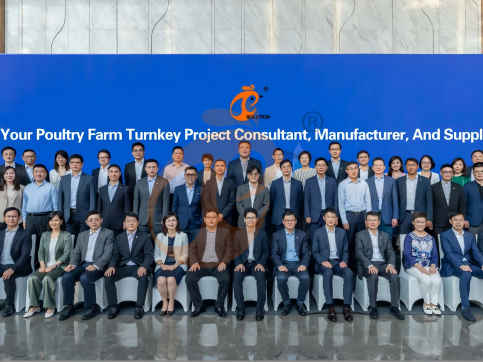
Hong Kong Headquarter Management Team
Hong Kong Headquarter Taiyu Industrial Group CO., LTD
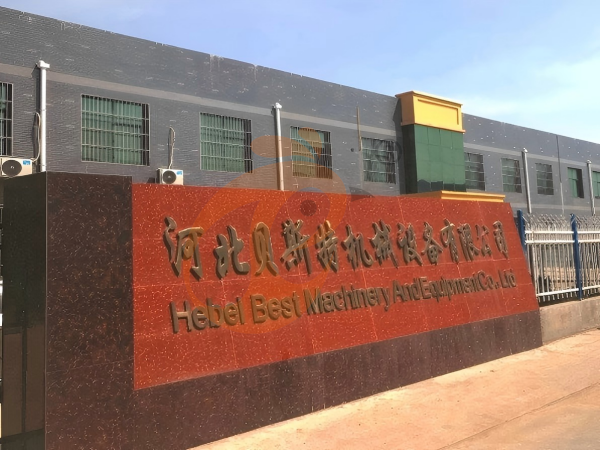
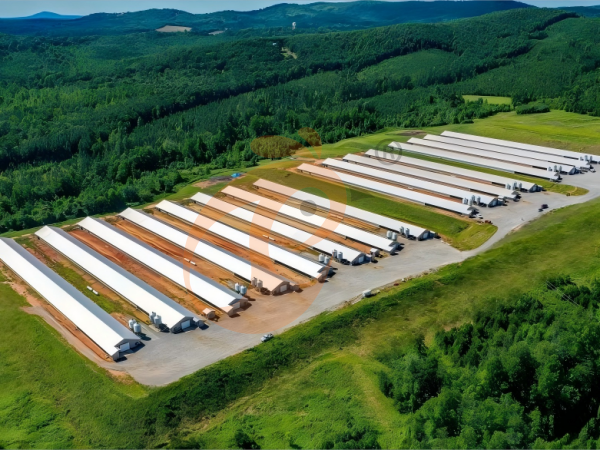
China Hebei Best Machinery And Equipment CO., LTD
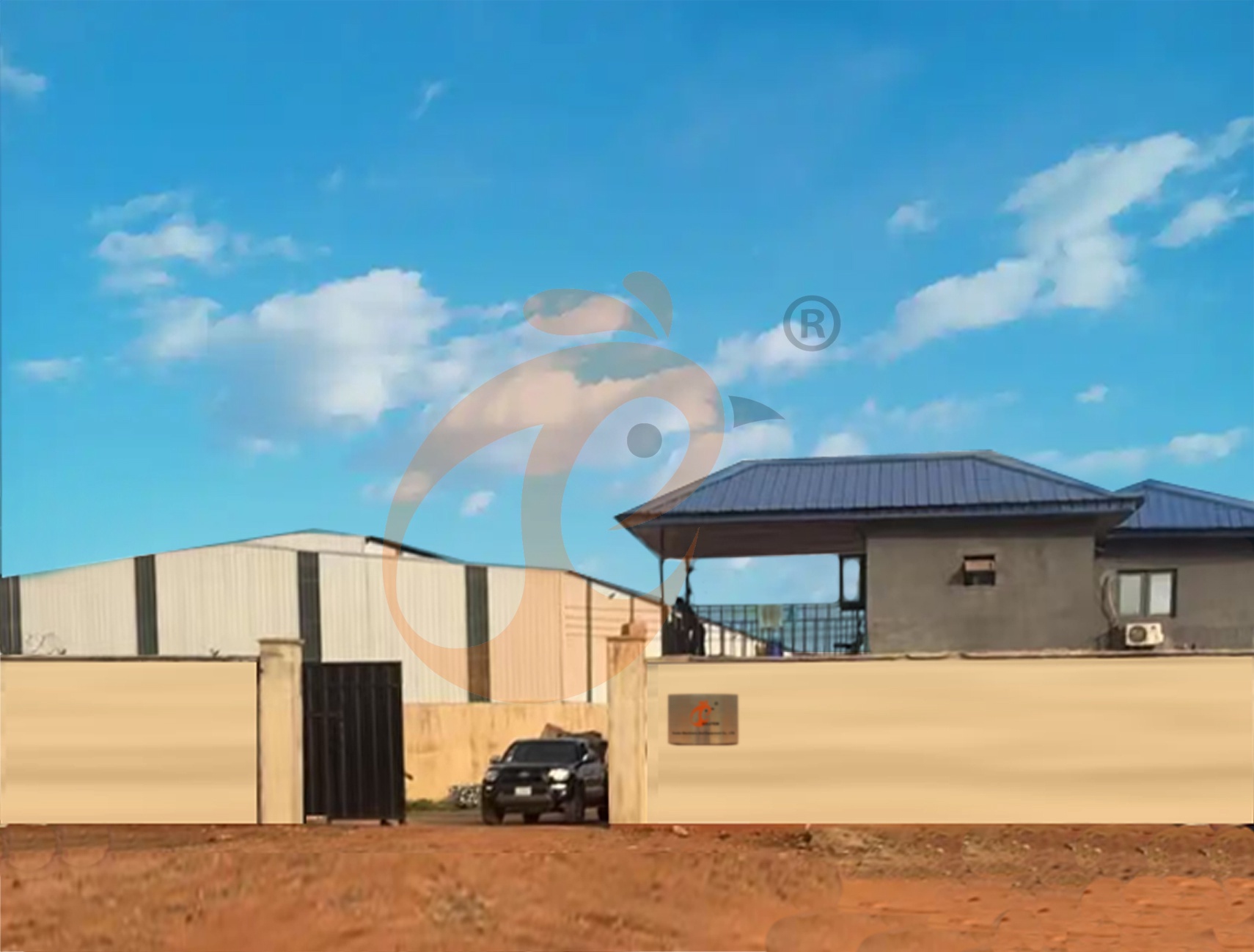
Nigeria Vanke Machinery And Equipment CO., LTD
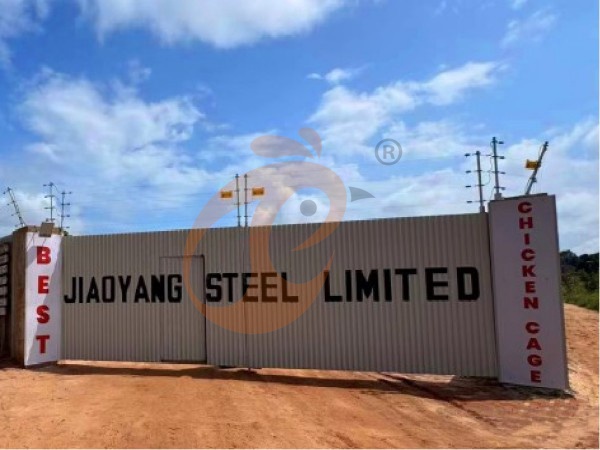
Tanzania Best Machinery And Equipment CO., LTD
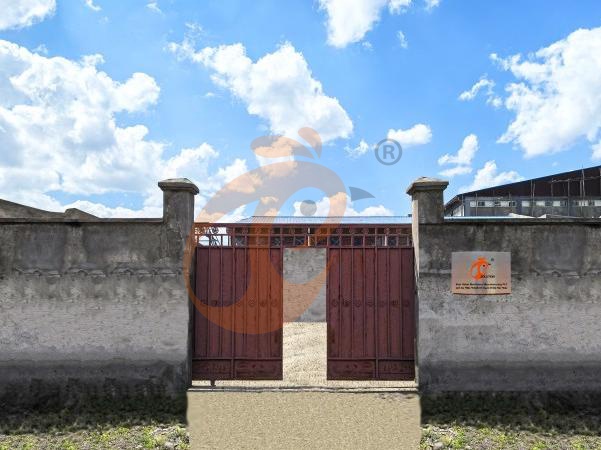
Ethiopia Best Hebei Machinery Manufacturing PLC




Reception /24 WhatsApp NO. : +8618830120193
FAQ
What Are The Recommended Cage Width And Height For A-Type Layer Cage?
Cage width: 2200–2400 mm
Cage depth: 400 mm
Birds per set: 120-200
Egg production rate: 90–96%
How To Improve Feed Efficiency In A-Type Poultry Cage System?
Reduce feed waste
FCR reduced to 1.9–2.2
Egg production rate: 90–96%
Feed waste reduced by 5–10%
How To Implement Egg Collection Automation In A-Type Layer Cage Farm?
Egg breakage rate <1%
Daily egg yield: 900–960 eggs/1,000 birds
Labor savings: 50–70%
Egg production rate: 90–96%
- poultry farm
- chicken cage
- poultry farms
- poultry house
- poultry cage
- cage
- poultry farm construction
- poultry cage manufacturer
- poultry cage supplier
- poultry cage system
- poultry cage cost
- poultry cage quotation
- chicken cage layout
- chicken cage system
- chicken cage supplier
- poultry cage system installation
- poultry cage project
- poultry equipment
- egg collection system
- chickencage
- a type poultry cage
- bestchickencage
- cage system
- a type chicken cage
- cage systems
- h cage
- Nigeria
- layer farm
- LED poultry lighting
- poultry equipment manufacturer
- poultry cage systems
- cage manufacturer
- cage supplier
- poultry farm plan
- Ethiopia
Message
Products recommended
 >30,000 Pullets Automatic H Type Battery Cage1. More than 30,000 pullets a house, choose it.
2. It is designed to rearing older than 1 day old pullets to 12 to 16 weeks old chicken starting laying eggs.
3. Its lifespan is more than 25 years.
4. Its structure are Vcloud artificial intelligent fusion, electric control cabinet, automatic equipment of drinking, feeding, manure clean, manual harvesting.
5. Our 24 hour online reception What’sApp NO. is +8618830120193 <30,000 Pullets Automatic A Type Battery Cage1. 10,000 to 30,000 pullets a house, choose it.
2. It is designed to rearing older than 1 day old pullets to 12 to 16 weeks old chicken starting laying eggs.
3. Its lifespan is more than 25 years.
4. Its structure are Vcloud artificial intelligent fusion, electric control cabinet, automatic equipment of drinking, feeding, manure clean, manual harvesting.
5. Our 24 hour online reception What’sApp NO. is +86 18830120193. >30,000 Broilers Semi-Automatic Harvest H Type Battery Cage1. More than 30,000 broilers a house, choose it.
2. It is designed to rearing 1 to 45 day old adult broiler ready for market.
3. Its lifespan is more than 20 years.
4. Our 24 hour online reception What’sApp NO. is +8618830120193, +234 8111199996. >30,000 Broilers Manual Harvest H Type Battery Cage1. More than 30,000 broilers a house, choose it.
2. It is designed to rearing 1 to 45 day old adult broiler ready for market.
3. Its lifespan is more than 20 years.
4. Its structure are Vcloud artificial intelligent fusion, electric control cabinet, automatic equipment of drinking, feeding and manure clean, manual harvesting.
5. Our 24 hour online reception What’sApp NO. is +8618830120193, +234 8111199996. <30,000 Broilers Manual Harvest A Type Battery Cage1. Less 30,000 broilers a house, choose it.
2. It is designed to rearing 1 to 45 day old adult broiler ready for market.
3. Its lifespan is more than 20 years.
4. Its structure are Vcloud artificial intelligent fusion, electric control cabinet, automatic equipment of drinking, feeding and manure clean, manual harvesting.
5. Our 24 hour online reception What’sApp NO. is +8618830120193, +234 8111199996. HK Headquarter Offers EU-standard Poultry Farm Solutions, Manufacture Poultry Farm Equipment1. Continuous communication with the EU and the US
2. China, Nigeria, Ethiopia, Tanzania branch companies and factories
3. The products’ quality is customized for local poultry farms
4. Poultry cage and poultry farm equipment stock for sale
5. 24 online reception Whatsapp NO. : +8618830120193,contact us to get full information China Branch Offer Poultry Farm Business Plan, Manufacture Poultry Farm Equipment1. Address: Flat/RM 2416, 24/F, Runxing Building, Youyi Nan Street, Shijiazhuang City, Hebei Province, China
2. Poultry cage and poultry farm equipment factory and stock for sale
3. Customized for local poultry farms
4. Quality and design are based on Euro
5. 24 online reception Whatsapp NO. : +8618830120193 Nigeria Branch Offer Poultry Farm Business Plan, Manufacture Poultry Farm Equipment1. Address: After Sinoma Office, 200 Meters Near Danco Filling Station, Lagos/Ibadan Expressway, Lagos State, Nigeria
2. Poultry cage and poultry farm equipment factory and stock for sale
3. Customized for Nigerian poultry farms
4. Quality and design are based on Euro
5. 24 online reception Whatsapp NO. : +8618830120193 Ethiopia Branch Offer Poultry Farm Business Plan, Manufacture Poultry Farm Equipment1. Address: Gelan Gura, Akaki-kaliti Sub City, Addis Ababa, Ethiopia
2. Poultry cage and poultry farm equipment stock for sale
3. Customized for Ethiopian poultry farms
4. Quality and design are based on Euro
5. 24 online reception Whatsapp NO. : +8618830120193, contact us to get price list Tanzania Branch Offer Poultry Farm Business Plan, Manufacture Poultry Farm Equipment1. Address: No.8, Sova Road, Msufini, Mlandizi, Kibaha, Pwani, Tanzania
2. Poultry cage and poultry farm equipment factory and stock for sale
3. Customized for Tanzanian poultry farms
4. Quality and design are based on Euro
5. 24 online reception Whatsapp NO. : +8618830120193


Contact