


Blog
- Automatic feed mill selection directly affects poultry production efficiency, labor organization, and scalable output across modern facilities with 10–100+ t/h capacity ranges.
Poultry feed pellet machine configuration determines grinding, conditioning, pelleting, cooling, and screening consistency across different feed formulas and pellet diameters.
A poultry feed production line connects material handling with controlled batching, mixing, conveying, packing, and centralized monitoring for smoother production.
Semi-automatic systems remain practical for smaller operations, while automatic systems become increasingly valuable when production reaches multiple shifts and recurring formulas.
- Correct equipment matching combines technical capacity, process continuity, expansion planning, and engineering integration into one commercially sustainable production strategy.
Get professional poultry farm construction guidance, equipment selection solutions, and the latest price lists, whatsApp to +8618830120193, click to learn more:
Seven Numbers That Define The Equipment Choice
Data is for reference only.Swipe horizontally to view full table.
These figures show why an automatic feed mill becomes valuable as production expands.
A poultry feed pellet machine can support approximately 1–20 t/h in selected configurations, while larger poultry feed production line projects can be engineered beyond that range.
Follow The Material, Not The Machine
RAW MATERIAL → CLEANING → GRINDING → BATCHING → MIXING → CONDITIONING → PELLETING → COOLING → SCREENING → PACKING
An automatic feed mill creates commercial value through synchronized material movement rather than isolated machine capacity.
A poultry feed production line can integrate approximately 7 controlled processing stages, while a poultry feed pellet machine remains the core forming unit within the complete process.
Centralized equipment coordination reduces operator-dependent transfer decisions and supports more stable production sequences.
Automation Pays When Labor Becomes The Bottleneck
Data is for reference only.Swipe horizontally to view full table.
Automatic batching strengthens an automatic feed mill because ingredient dosing can follow programmed production sequences.
One automatic dosing configuration specifies 1‰ static weighing accuracy and 3‰ dynamic weighing accuracy, providing precise formulation control for a poultry feed production line.
Capacity Comparison: Where Automation Becomes Commercially Attractive
Data is for reference only.Swipe horizontally to view full table.
A commercial automatic feed mill can scale through matched grinding, mixing, conveying, and pelleting equipment.
Published equipment ranges include SZLH420 pellet mills around 10–12 t/h and SZLH768 models around 38–40 t/h, illustrating scalable poultry feed pellet machine selection.
The Hidden Output Advantage: Process Synchronization
Think of an automatic feed mill as a relay race where every equipment station must pass material without unnecessary waiting.
If grinding finishes before mixing, or cooling cannot accept pellet discharge, the poultry feed production line must reduce upstream loading.
Sensors, feeders, gates, elevators, and variable-frequency drives coordinate material movement while reducing operator intervention.
A controlled feeder can use frequency-conversion regulation, helping maintain a more consistent material supply to the poultry feed pellet machine.
Pellet Quality Is Part Of Output
Data is for reference only.Swipe horizontally to view full table.
An automatic feed mill must consider finished-feed specifications as carefully as mechanical throughput.
A poultry feed pellet machine can produce approximately 1–12 mm pellets, while specific poultry applications may require 2.5–4 mm products.
Consistent downstream handling protects product quality after pelleting and supports repeatable poultry feed production line performance.
A Buyer's Decision Matrix
Choose SEMI-AUTOMATIC
→ Smaller production batches.
→ Available labor for material handling.
→ Limited expansion requirements.
Choose AUTOMATIC
→ Growing production demand.
→ Repeated multi-formula manufacturing.
→ Greater need for coordinated operation.
→ Planned capacity expansion.
A facility targeting 20,000 tonnes annually can benefit from evaluating an automatic feed mill against annual production requirements rather than only hourly machine ratings.
Automatic Equipment Creates A Stronger Sales Case
Data is for reference only.Swipe horizontally to view full table.
An automatic feed mill becomes more valuable when every major module is engineered as one production system.
A poultry feed production line can combine an 18.5 kW mixer with a 37 kW pellet mill drive in selected configurations.
Integrated equipment improves project-level coordination instead of optimizing one poultry feed pellet machine in isolation.
The Investment Equation
OUTPUT GROWTH = CAPACITY × OPERATING TIME × PROCESS CONTINUITY
An automatic feed mill should therefore be evaluated by usable production rather than purchase price alone.
Additional operators, manual transfers, waiting periods, and inconsistent batching can reduce effective utilization even when the poultry feed pellet machine has sufficient mechanical capacity.
Systems can be engineered across approximately 1–100 t/h, allowing poultry feed production line configuration to follow project requirements.
For expansion projects, modular interfaces can reserve future positions for grinding, pelleting, conveying, storage, or packing upgrades.
Final Verdict: Automation Wins When Output Is The Goal
Data is for reference only.Swipe horizontally to view full table.
The automatic feed mill provides the stronger output proposition when volume, formula frequency, labor organization, and expansion are evaluated together.
A poultry feed pellet machine remains essential, but commercial performance depends on its integration with the complete poultry feed production line.
For projects targeting scalable production, correctly matched grinding, batching, mixing, pelleting, cooling, screening, conveying, and packing equipment creates a more reliable engineering platform.
Frequently Asked Questions
Q1: Which system increases poultry feed output more effectively?
An automatic feed mill generally provides greater usable output because synchronized equipment reduces manual transfer and process waiting, especially around 10 t/h production targets.
Q2: Is a semi-automatic poultry feed pellet machine suitable for small farms?
Yes, semi-automatic equipment can suit smaller operations where manual handling remains manageable and production requirements stay within approximately 1–5 t/h.
Q3: What should buyers evaluate before selecting an automatic feed mill?
Buyers should compare target capacity, formulas, raw materials, workshop dimensions, automation requirements, future expansion, and the complete poultry feed production line rather than selecting only the pellet mill.
Taiyu (HK) Group - One Of China Toppest Automatic Feed Mill Manufacturer
Automatic feed mill systems integrate grinding, batching, mixing, pelleting, cooling, screening, and packing, with project capacities engineered from 1–100+ t/h according to production requirements
Global factory-direct supply covers complete poultry equipment, including feed machinery, conveyors, storage systems, electrical controls, and production-line integration for international projects
Turn-key engineering covers process design, equipment matching, workshop layout, installation guidance, commissioning support, and production-line coordination from project planning through operation
Project solutions support commercial farms, feed factories, integrated poultry enterprises, and expansion plants requiring coordinated equipment selection and scalable production architecture
Engineering specifications are matched to raw-material characteristics, feed formulations, target pellet dimensions, electrical standards, operating schedules, and planned future capacity
Contact Us To Received Your Customized Poultry Farm Plan
Headquarters And Branchs

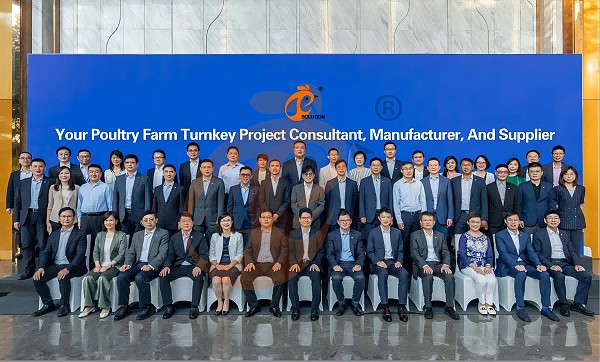
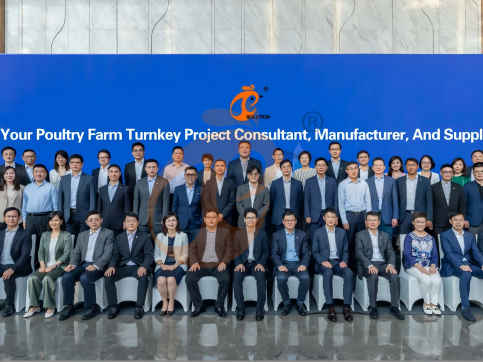
Hong Kong Headquarter Management Team
Hong Kong Headquarter Taiyu Industrial Group CO., LTD
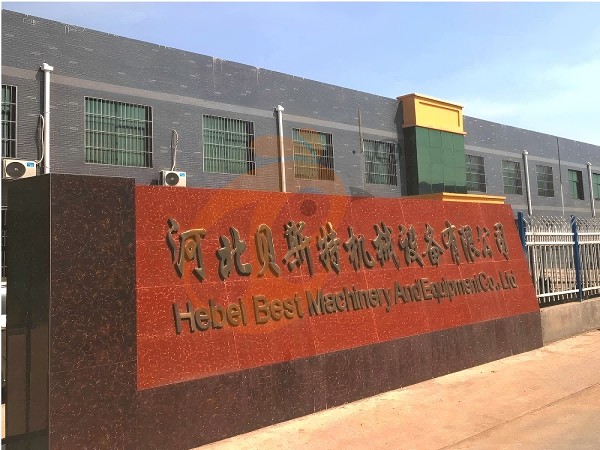
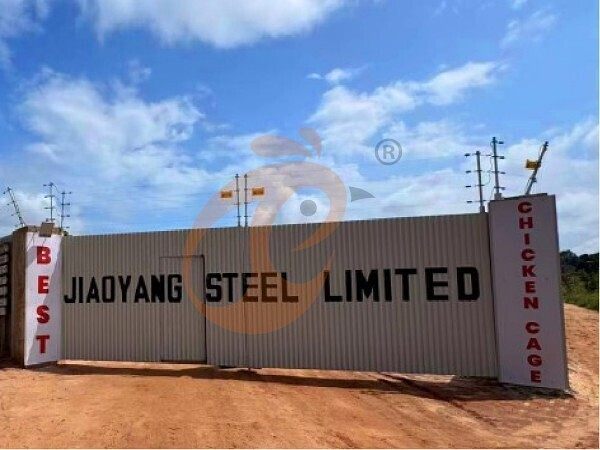
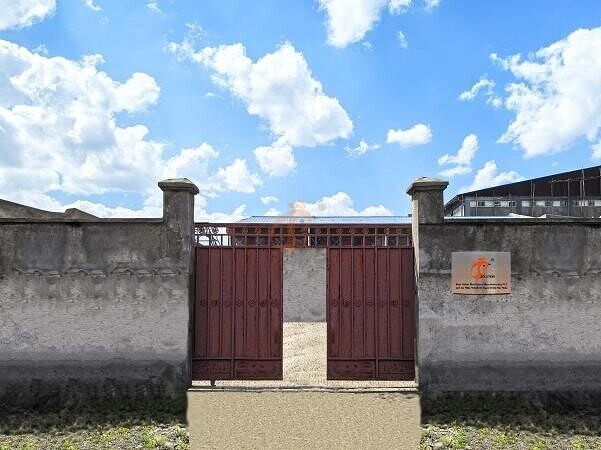
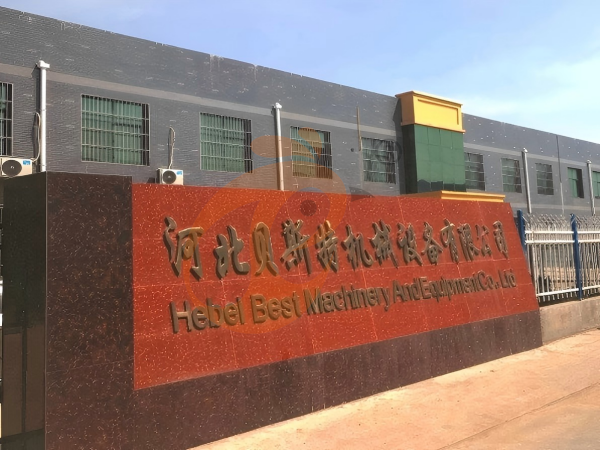
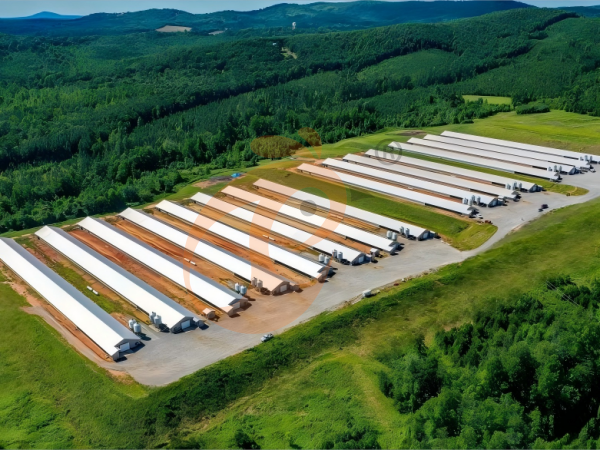
China Hebei Best Machinery And Equipment CO., LTD
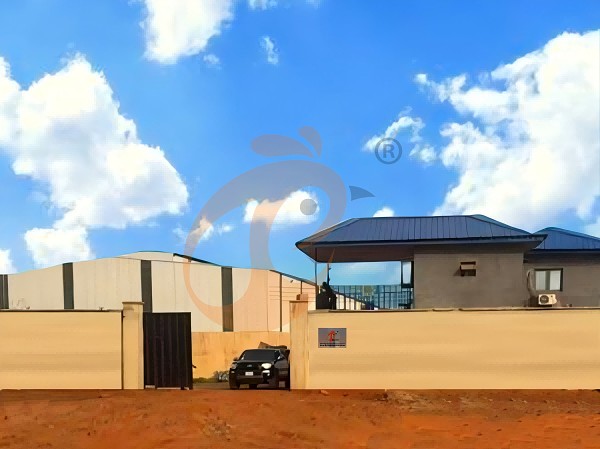
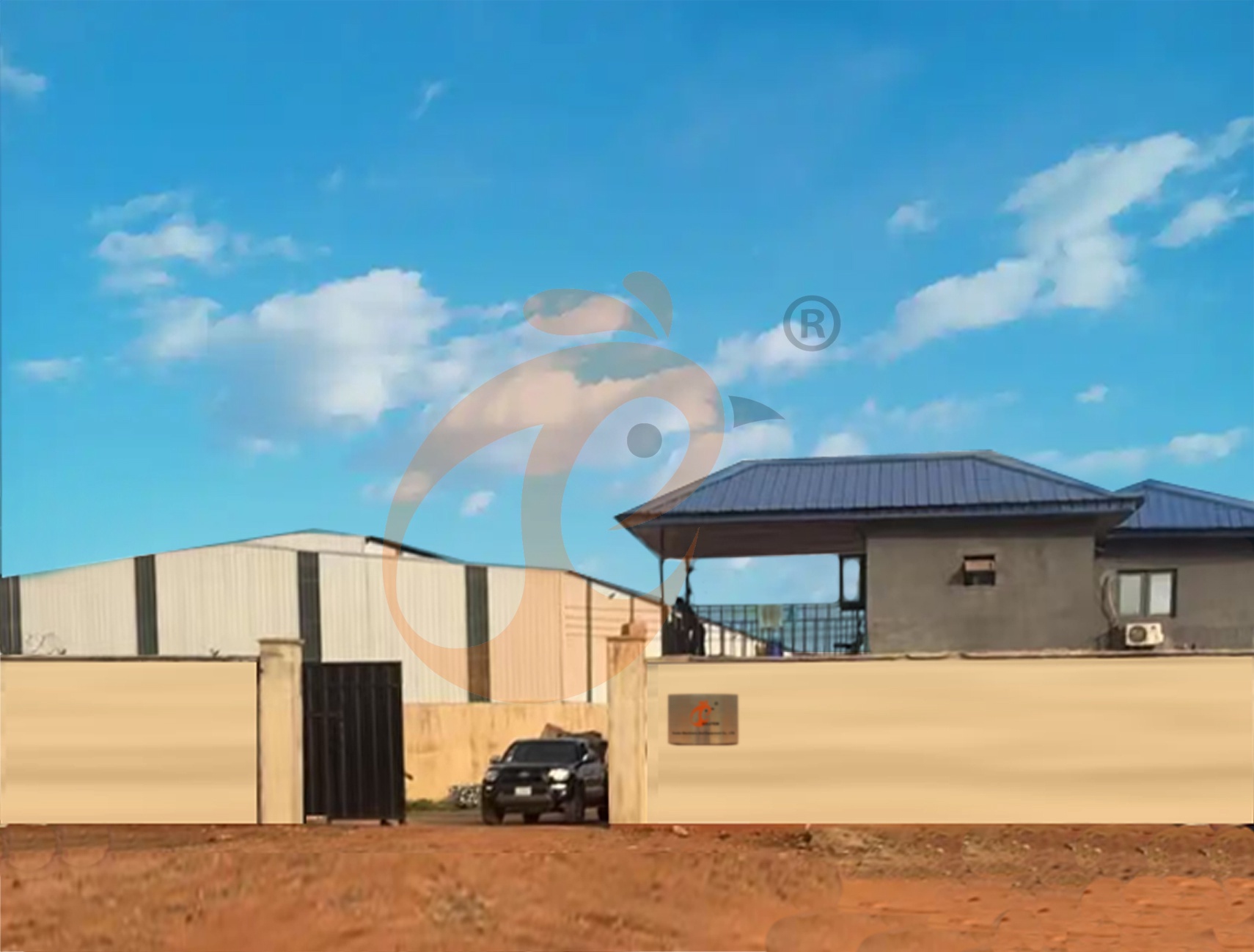
Nigeria Vanke Machinery And Equipment CO., LTD
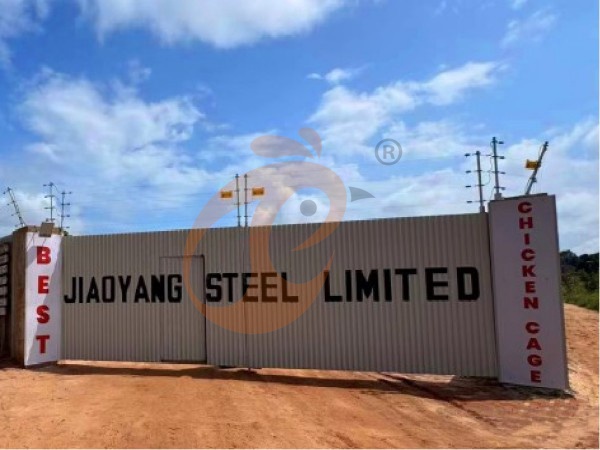
Tanzania Best Machinery And Equipment CO., LTD
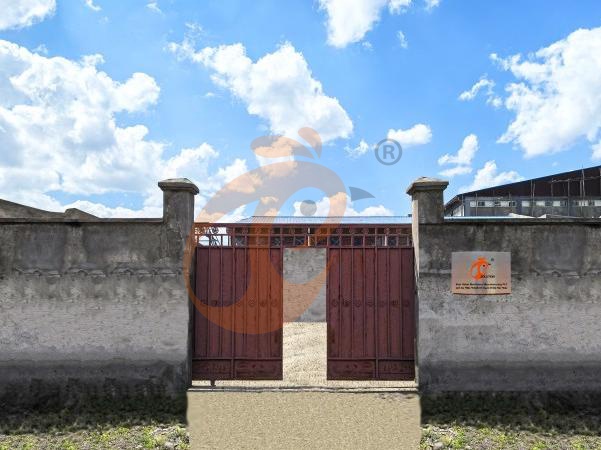
Ethiopia Best Hebei Machinery Manufacturing PLC
Reception /24 WhatsApp NO. : +8618830120193
FAQ
What Are The Main Equipment Components In Feed Mill And Feed Mixer Systems For Poultry Chicken Production?
Hammer mill units operate with rotor speeds of 2800–3600 rpm for efficient grain size reduction.
Twin-shaft mixers achieve batch capacities of 500–2000 kg per cycle for uniform poultry feed blending.
What Dust Control Requirements Are Needed In Feed Mill Operations For Poultry Chicken Farms?
Cyclone separators remove 85%–92% of airborne particles during grinding and conveying processes.
Negative pressure systems maintain airflow velocity between 0.8–1.2 m/s to prevent dust leakage.
What Temperature Parameters Are Used In Feed Mill Processing For Poultry Chicken Feed?
Conditioning temperature reaches 75–85°C to improve pellet durability and pathogen reduction.
Cooling stage reduces pellet temperature to within 5°C of ambient conditions for safe storage.
Message
Products recommended
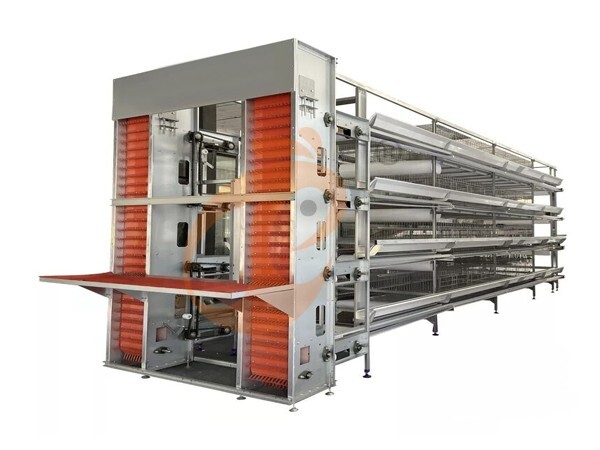
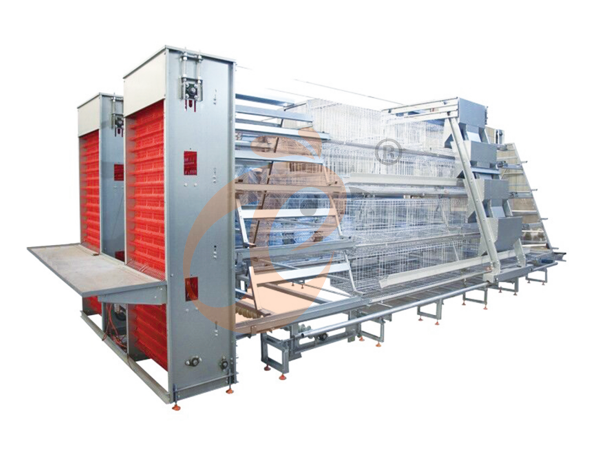
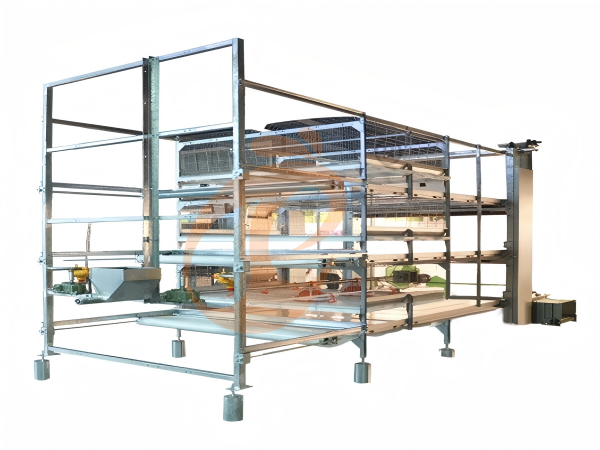
 >30,000 Pullets Automatic H Type Battery Cage1. More than 30,000 pullets a house, choose it.
2. It is designed to rearing older than 1 day old pullets to 12 to 16 weeks old chicken starting laying eggs.
3. Its lifespan is more than 25 years.
4. Its structure are Vcloud artificial intelligent fusion, electric control cabinet, automatic equipment of drinking, feeding, manure clean, manual harvesting.
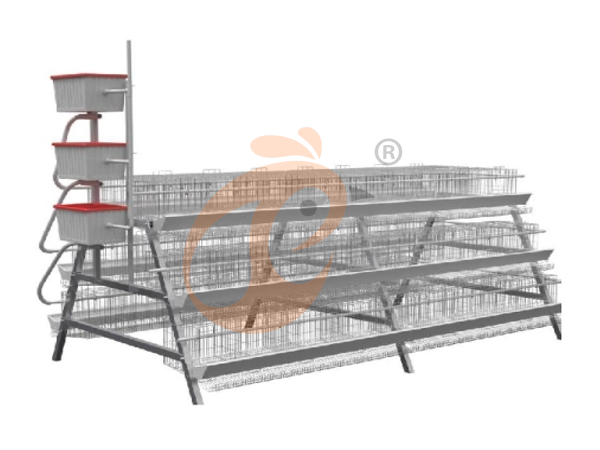
5. Our 24 hour online reception What’sApp NO. is +8618830120193 <30,000 Pullets Automatic A Type Battery Cage1. 10,000 to 30,000 pullets a house, choose it.
2. It is designed to rearing older than 1 day old pullets to 12 to 16 weeks old chicken starting laying eggs.
3. Its lifespan is more than 25 years.
4. Its structure are Vcloud artificial intelligent fusion, electric control cabinet, automatic equipment of drinking, feeding, manure clean, manual harvesting.
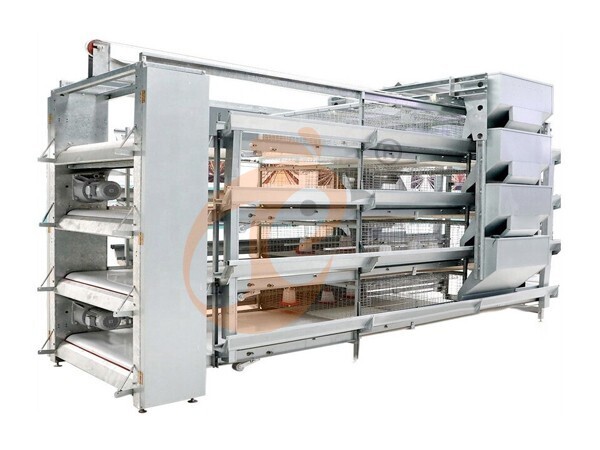
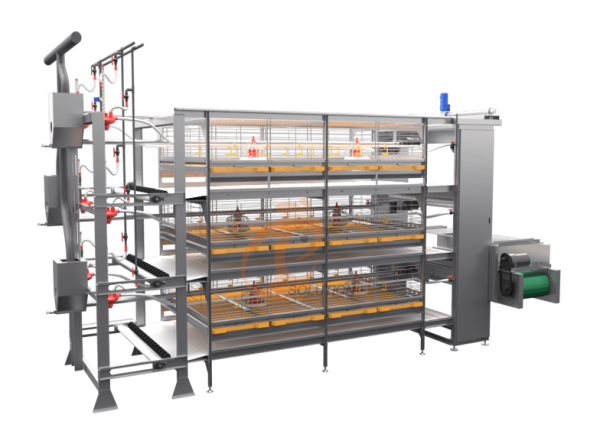
5. Our 24 hour online reception What’sApp NO. is +86 18830120193. >30,000 Broilers Semi-Automatic Harvest H Type Battery Cage1. More than 30,000 broilers a house, choose it.
2. It is designed to rearing 1 to 45 day old adult broiler ready for market.
3. Its lifespan is more than 20 years.
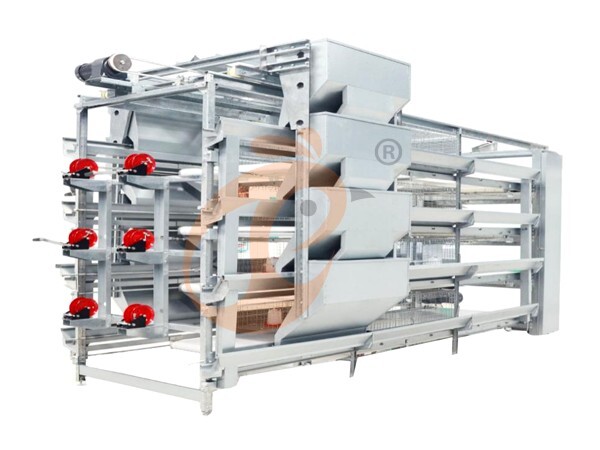
4. Our 24 hour online reception What’sApp NO. is +8618830120193, +234 8111199996. >30,000 Broilers Manual Harvest H Type Battery Cage1. More than 30,000 broilers a house, choose it.
2. It is designed to rearing 1 to 45 day old adult broiler ready for market.
3. Its lifespan is more than 20 years.
4. Its structure are Vcloud artificial intelligent fusion, electric control cabinet, automatic equipment of drinking, feeding and manure clean, manual harvesting.
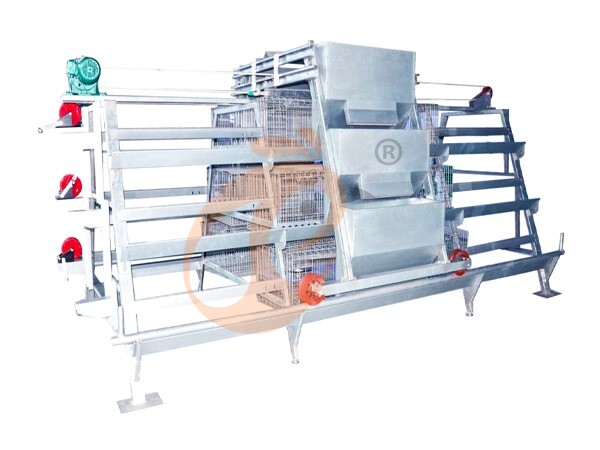
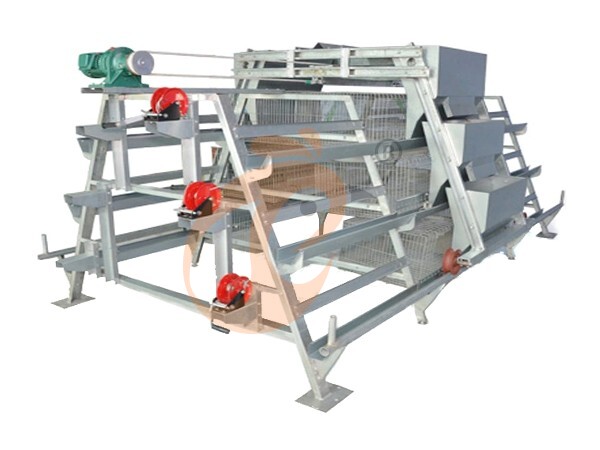
5. Our 24 hour online reception What’sApp NO. is +8618830120193, +234 8111199996. <30,000 Broilers Manual Harvest A Type Battery Cage1. Less 30,000 broilers a house, choose it.
2. It is designed to rearing 1 to 45 day old adult broiler ready for market.
3. Its lifespan is more than 20 years.
4. Its structure are Vcloud artificial intelligent fusion, electric control cabinet, automatic equipment of drinking, feeding and manure clean, manual harvesting.
5. Our 24 hour online reception What’sApp NO. is +8618830120193, +234 8111199996. HK Headquarter Offers EU-standard Poultry Farm Solutions, Manufacture Poultry Farm Equipment1. Continuous communication with the EU and the US
2. China, Nigeria, Ethiopia, Tanzania branch companies and factories
3. The products’ quality is customized for local poultry farms
4. Poultry cage and poultry farm equipment stock for sale
5. 24 online reception Whatsapp NO. : +8618830120193,contact us to get full information China Branch Offer Poultry Farm Business Plan, Manufacture Poultry Farm Equipment1. Address: Flat/RM 2416, 24/F, Runxing Building, Youyi Nan Street, Shijiazhuang City, Hebei Province, China
2. Poultry cage and poultry farm equipment factory and stock for sale
3. Customized for local poultry farms
4. Quality and design are based on Euro
5. 24 online reception Whatsapp NO. : +8618830120193 Nigeria Branch Offer Poultry Farm Business Plan, Manufacture Poultry Farm Equipment1. Address: After Sinoma Office, 200 Meters Near Danco Filling Station, Lagos/Ibadan Expressway, Lagos State, Nigeria
2. Poultry cage and poultry farm equipment factory and stock for sale
3. Customized for Nigerian poultry farms
4. Quality and design are based on Euro
5. 24 online reception Whatsapp NO. : +8618830120193 Ethiopia Branch Offer Poultry Farm Business Plan, Manufacture Poultry Farm Equipment1. Address: Gelan Gura, Akaki-kaliti Sub City, Addis Ababa, Ethiopia
2. Poultry cage and poultry farm equipment stock for sale
3. Customized for Ethiopian poultry farms
4. Quality and design are based on Euro
5. 24 online reception Whatsapp NO. : +8618830120193, contact us to get price list Tanzania Branch Offer Poultry Farm Business Plan, Manufacture Poultry Farm Equipment1. Address: No.8, Sova Road, Msufini, Mlandizi, Kibaha, Pwani, Tanzania
2. Poultry cage and poultry farm equipment factory and stock for sale
3. Customized for Tanzanian poultry farms
4. Quality and design are based on Euro
5. 24 online reception Whatsapp NO. : +8618830120193


Contact