


Blog
- Poultry cage budgeting starts with an economy poultry cage, where 8-hour labor planning and 24-hour monitoring expectations shape investment decisions.
Automatic poultry cage system planning connects feeding, drinking, egg handling, manure removal, controls, and future expansion through measurable engineering requirements.
Layer cage system selection depends on flock scale, house geometry, tier arrangement, electrical provision, and a 30–40% expansion reserve.
Operating economics become clearer when labor cycles, equipment integration, maintenance planning, and production workflow are evaluated beyond initial purchase price.
- Commercial equipment buyers can compare phased investment, automation scope, capacity planning, and turnkey engineering before selecting a poultry cage configuration.
Get professional poultry farm construction guidance, equipment selection solutions, and the latest price lists, whatsApp to +8618830120193, click to learn more:
The Budget Question Starts With The Farm, Not The Cage
Choosing between an economy poultry cage and a fully automatic poultry cage system is not simply a comparison between two purchase prices.
An economy configuration may suit a farm with 8 working hours/day available for manual operations, while an automated poultry cage system can be planned
around 24-hour system monitoring with scheduled mechanical operations.
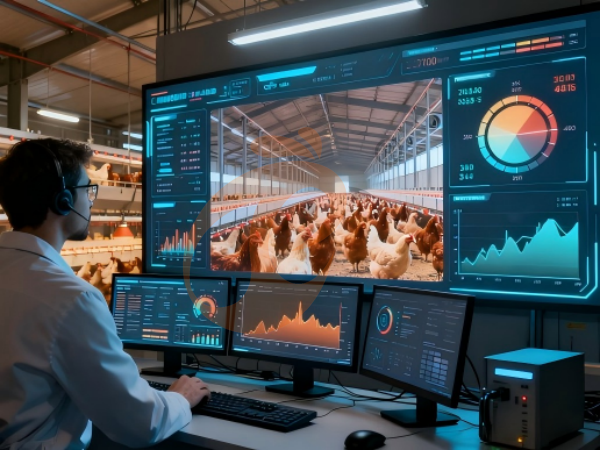
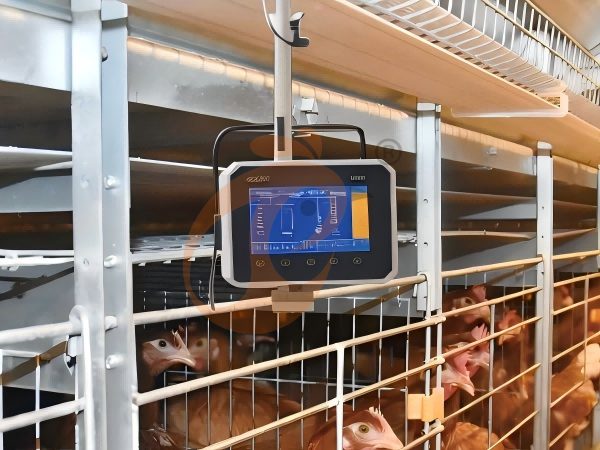
Modern layer cage system solutions can integrate feeding, drinking, egg collection, manure removal and environmental control into one production platform.
For equipment buyers, the more useful question is: How much production capacity can a poultry cage budget support without creating excessive recurring labor
and management costs?
Economy Cage Vs Automatic System: Initial Equipment Structure
Data is for reference only.Swipe horizontally to view full table.
The equipment structure determines where investment goes.
Automatic poultry cage system configurations add mechanical drives, conveyors and control components, while an economy poultry cage converts more
production tasks into manual workflows.
Published commercial systems commonly integrate feeding, drinking, manure removal and egg collection as a coordinated package.
A Better Way To Calculate Cost: Use The Production Equation
Total Ownership Cost = Equipment Investment + Installation + Energy + Maintenance + Labor − Production Gains
A poultry cage priced at a lower initial level cannot be evaluated only against an automatic poultry cage system with a larger equipment package.
A second configuration may change daily labor requirements, manure handling frequency and egg transportation, with scheduled operation extending across 365 production days/year.
For a commercial equipment supplier, customized engineering creates value because a layer cage system should match house geometry rather than operate as an isolated purchase.
Technical Comparison: Feeding And Drinking Equipment
Data is for reference only.Swipe horizontally to view full table.
Automatic poultry cage system feeding becomes particularly valuable as row length increases.
Commercial feeding equipment can deliver feed through chain or spiral mechanisms, with published configurations reaching 600–900 kg/hour transport capacity and distribution error below 5%.
An economy poultry cage remains practical where staff can maintain consistent feeding routines across 2 daily production shifts.
The Labor Test: What Happens Every Morning?
Farm A — Manual Workflow
Workers push feed, inspect water points, collect eggs, remove manure and transport materials.
A poultry cage operated through manual routines can require approximately 6 inspection checkpoints per production cycle, depending on house organization.
Farm B — Automated Workflow
Workers supervise feeding equipment, check water pressure, monitor egg conveyors and inspect the manure system.
An automatic poultry cage system changes human attention from repetitive transportation toward flock observation, sanitation and equipment verification, with inspections commonly organized around 15-minute maintenance windows.
The poultry cage remains the physical production foundation, while automation changes labor allocation around that foundation.
Manure Removal: Equipment Parameters That Affect Operating Cost
Data is for reference only.Swipe horizontally to view full table.
Belt systems collect manure directly below cage tiers and transport material toward a designated discharge point.
An automatic poultry cage system can incorporate cross conveyors and inclined conveyors according to building arrangement.
For an economy poultry cage project, manual handling can remain workable where manure access is positioned within approximately 3 m of the collection route.
Decision Tree: Which Investment Model Fits?
Choose an economy poultry cage when:
→ Your flock size is manageable with existing staff.
→ Manual egg collection is already integrated into daily routines.
→ The house layout makes mechanical conveyors difficult to install.
→ Initial capital availability is the dominant constraint.
Choose an automatic poultry cage system when:
→ Expansion is planned within 24–36 months.
→ Labor availability is becoming a production constraint.
→ The farm requires centralized operation.
→ Feeding, manure removal and egg collection need coordinated control.
The strongest purchasing decision is usually the configuration leaving room for expansion.
A modular layer cage system can be configured around building structure, with future row additions planned through approximately 30–40% reserved infrastructure capacity.
Cage Capacity And Space Utilization
Data is for reference only.Swipe horizontally to view full table.
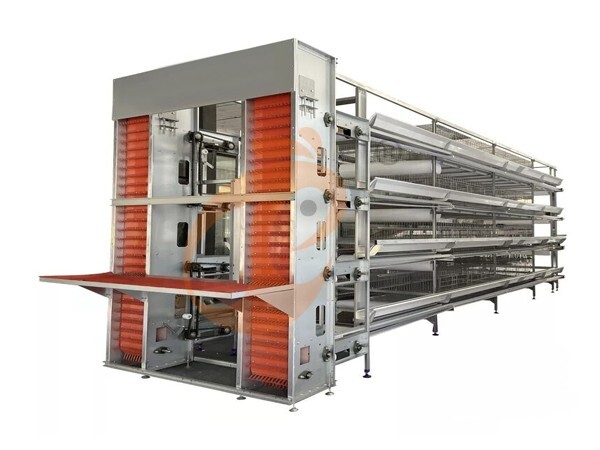
Commercial H-type layer cage system configurations are available across multiple tier arrangements.
A poultry cage project should consider house height, aisle design, ventilation and target flock capacity before final equipment selection.
For projects exceeding 100,000 birds, engineering coordination should also evaluate service access and structural loading before installation.
Automation Package: What Are You Actually Buying?
Data is for reference only.Swipe horizontally to view full table.
The commercial advantage of a complete poultry cage package is integration.
An automatic poultry cage system can coordinate cage rows, feeding, watering, manure removal, egg transfer and control architecture from the engineering stage.
A layer cage system can therefore function as an integrated production platform rather than a collection of independent machines.
Cost Planning By Farm Development Stage
Data is for reference only.Swipe horizontally to view full table.
A phased poultry cage investment can reduce the risk of purchasing equipment that does not match actual flock growth.
Electrical and structural provisions should be incorporated before construction, with approximately 30–40% spare circuit capacity often considered for future equipment additions.
An automatic poultry cage system can therefore support staged expansion without redesigning every production route.
The Supplier Advantage: Sell The Solution, Not Just The Cage
Farm Layout → Cage Configuration → Feeding System → Drinking System → Egg Collection → Manure Removal → Environmental Equipment →
Electrical/Control Integration
A professional poultry cage supplier should engineer equipment around house length, bird capacity, ventilation design and local operating conditions.
An economy poultry cage can serve as an entry configuration, while a layer cage system can be expanded through modular equipment architecture.
Project engineering should also define installation sequence, commissioning requirements and operator training before equipment shipment.
Final Budget Decision Matrix
Data is for reference only.Swipe horizontally to view full table.
The final choice should therefore be based on total ownership economics rather than equipment price alone.
An economy poultry cage can be an effective starting point when labor and flock size remain manageable.
An automatic poultry cage system becomes strategically stronger when feeding, egg handling, manure removal and production management require repeatable workflows.
For equipment-focused poultry businesses, the strongest offer combines poultry cage engineering with automation, capacity planning and future expansion.
Frequently Asked Questions
Q1: What is the main cost difference between an economy poultry cage and an automatic poultry cage system?
An economy poultry cage generally requires fewer mechanical modules, while an automatic poultry cage system adds conveyors, drives and control equipment.
Initial investment therefore rises as automation scope expands, while recurring labor requirements can change substantially.
Q2: When should a farm upgrade to a layer cage system with automation?
Expansion within 24–36 months can justify planning automation during the original poultry cage project.
Early provision for electrical routes, conveyor paths and structural interfaces can reduce later modification work.
Q3: Can automatic equipment be added after installing an economy poultry cage?
Some poultry cage layouts support staged upgrades, but compatibility depends on cage dimensions, row spacing, building structure and conveyor interfaces.
Engineering approximately 30% spare infrastructure capacity can provide useful room for future equipment additions.
Taiyu (HK) Group - One Of China Toppest Poultry Cage Exporter
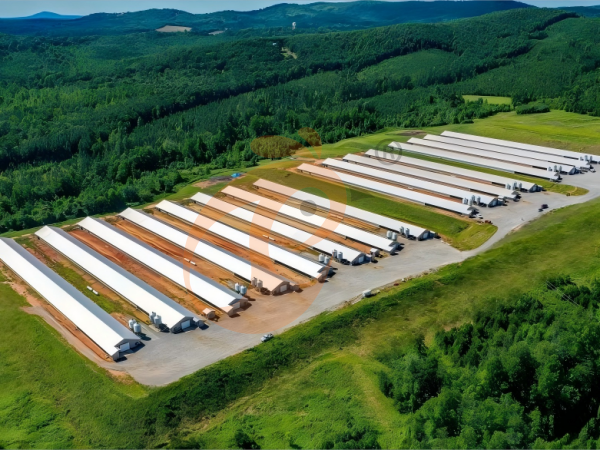
Poultry cage systems integrate galvanized structures with configurable automation architecture, supporting projects from 5,000 to 300,000 birds with engineered production workflows.
Global factory-direct supply covers poultry equipment, cage systems, feeding equipment, drinking lines, egg collection, manure removal and environmental-control components.
Turn-key engineering coordinates layout design, equipment configuration, electrical interfaces, installation guidance and commissioning requirements through one project structure.
Export-oriented production supports overseas poultry equipment projects with technical documentation, component coordination and application-specific equipment selection.
Commercial engineering emphasizes lifecycle planning, modular expansion and measurable equipment specifications rather than isolated poultry cage purchasing.
Contact Us To Received Your Customized Poultry Farm Plan
Headquarters And Branchs

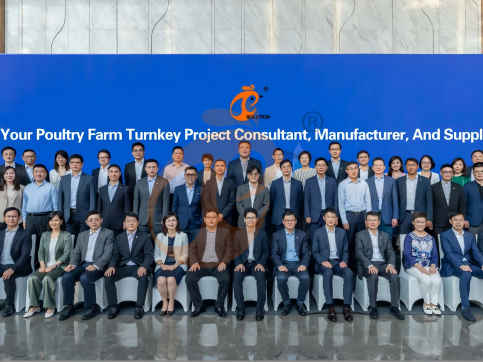
Hong Kong Headquarter Management Team
Hong Kong Headquarter Taiyu Industrial Group CO., LTD
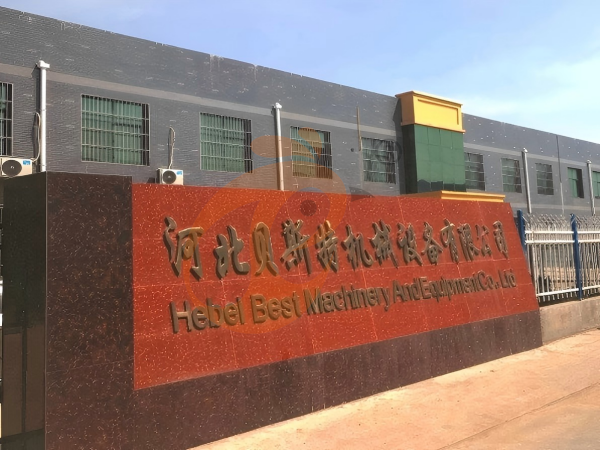
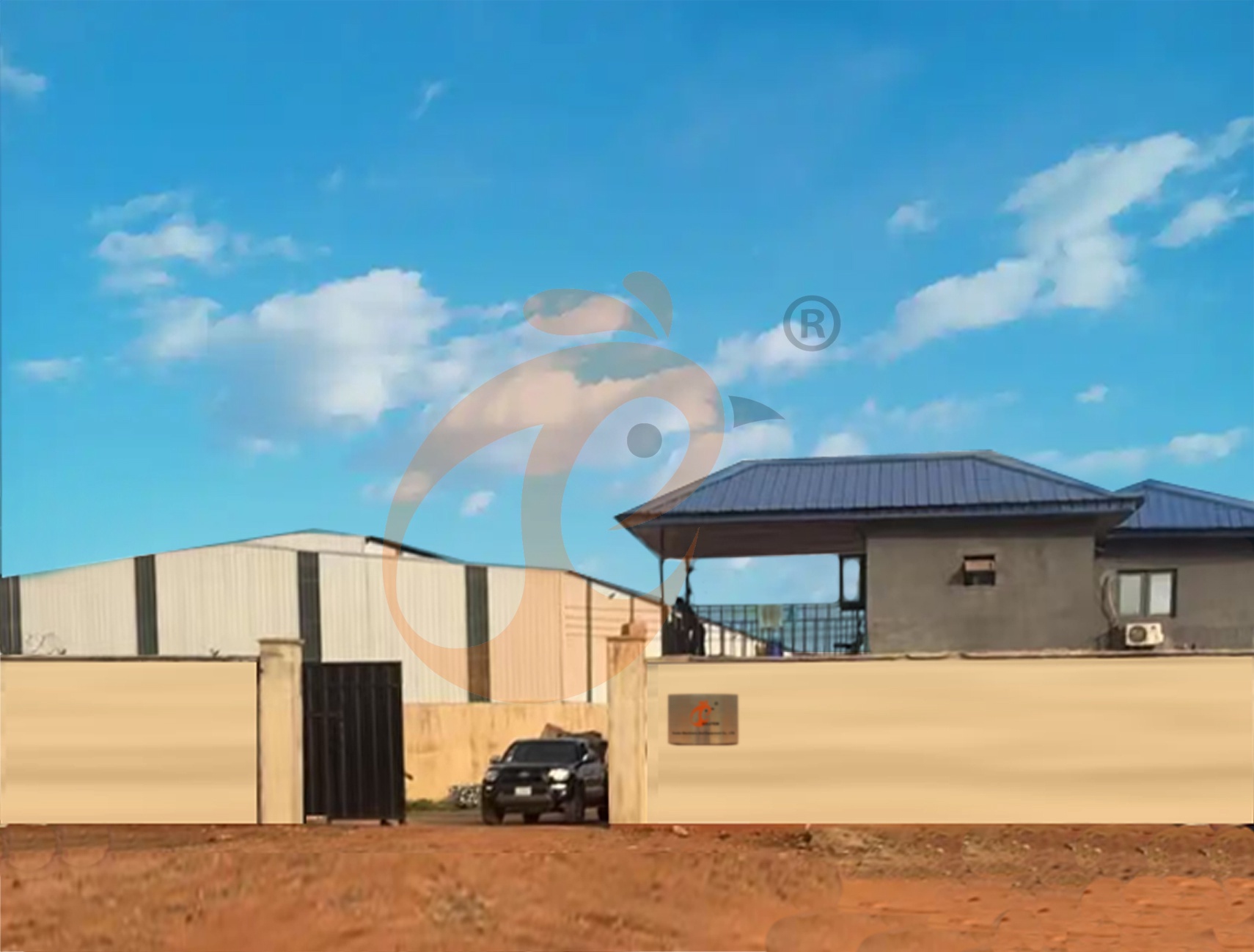
China Hebei Best Machinery And Equipment CO., LTD
Nigeria Vanke Machinery And Equipment CO., LTD
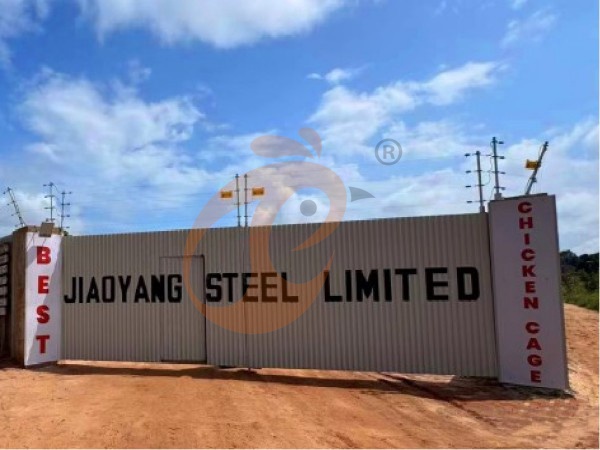
Tanzania Best Machinery And Equipment CO., LTD
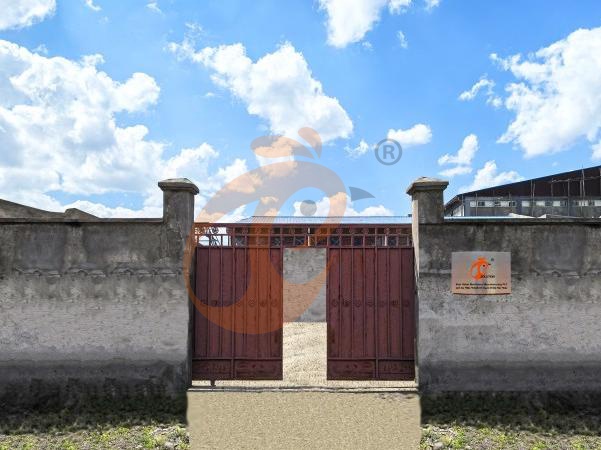
Ethiopia Best Hebei Machinery Manufacturing PLC




Reception /24 WhatsApp NO. : +8618830120193
FAQ
What Are The Top Recommendations For Egg Quality Management In Battery Cage Systems?
Keep conveyor belts clean to avoid breakage and contamination.
Egg production: 90–98%, breakage rate: 2–3%.
How To Optimize Lighting And Ventilation For Maximum Egg Production In Poultry Cages?
Combine roof exhaust and side-wall intake for ventilation, temperature 18–25℃, humidity 50–70%.
Egg production can reach 90–98%, breakage rate <3%.
How To Implement Advanced Manure Removal Systems In Layer Cage Farms?
Reduces manual labor by 50–70%, maintains house hygiene, and lowers disease risk.
- poultry farm
- layer cage
- poultry cage
- cage
- poultry farm construction
- layer cage system
- poultry cage supplier
- poultry cage exporter
- poultry cage layout
- poultry cage system
- poultry cage price
- automatic poultry cage system
- automatic poultry cage
- poultry cage project
- poultry cage expo
- poultry equipment
- chickencage
- bestchickencage
- cage system
- cage systems
- automatic cage
- Nigeria
- modular layer cage
- poultry cage systems
- cage supplier
- cage exporter
- poultry farm plan
- automated poultry cage system
- Ethiopia
Message
Products recommended
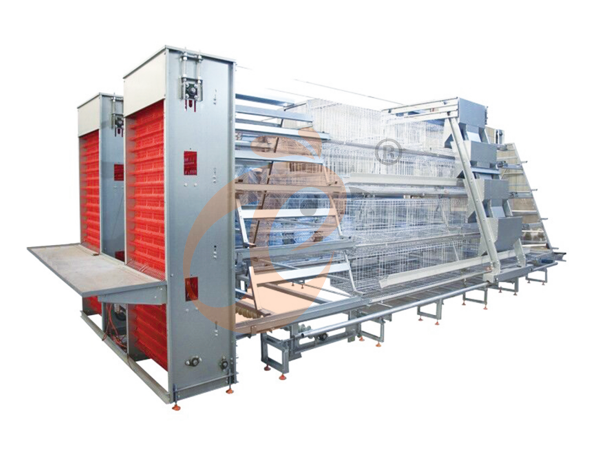
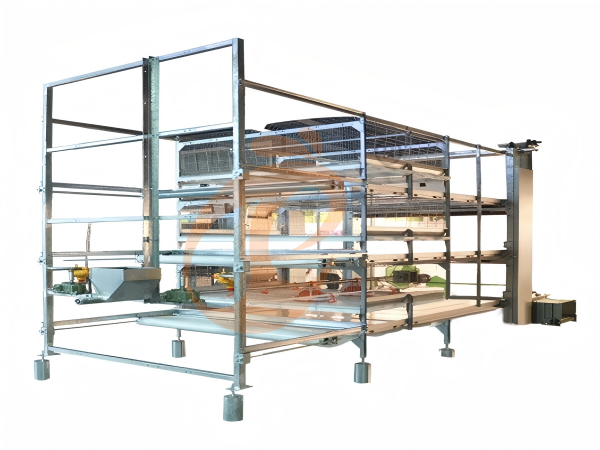
 >30,000 Pullets Automatic H Type Battery Cage1. More than 30,000 pullets a house, choose it.
2. It is designed to rearing older than 1 day old pullets to 12 to 16 weeks old chicken starting laying eggs.
3. Its lifespan is more than 25 years.
4. Its structure are Vcloud artificial intelligent fusion, electric control cabinet, automatic equipment of drinking, feeding, manure clean, manual harvesting.
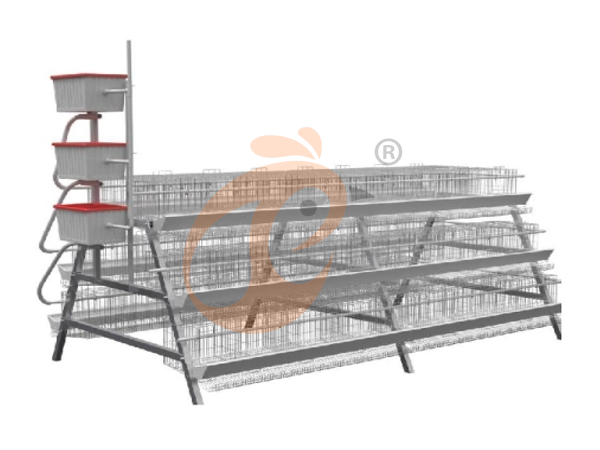
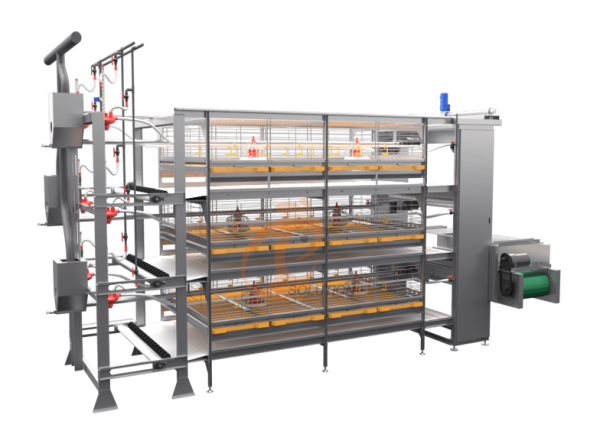
5. Our 24 hour online reception What’sApp NO. is +8618830120193 <30,000 Pullets Automatic A Type Battery Cage1. 10,000 to 30,000 pullets a house, choose it.
2. It is designed to rearing older than 1 day old pullets to 12 to 16 weeks old chicken starting laying eggs.
3. Its lifespan is more than 25 years.
4. Its structure are Vcloud artificial intelligent fusion, electric control cabinet, automatic equipment of drinking, feeding, manure clean, manual harvesting.
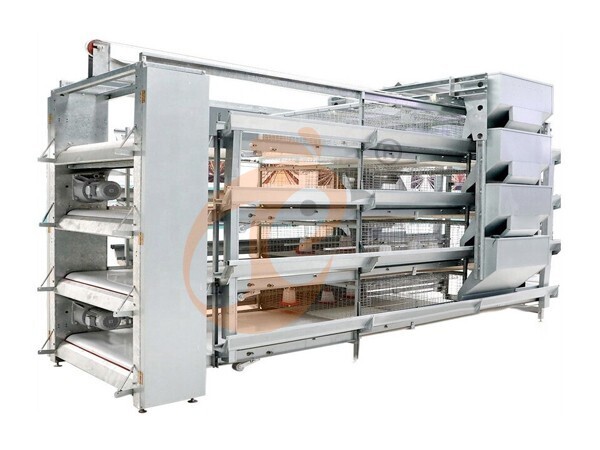
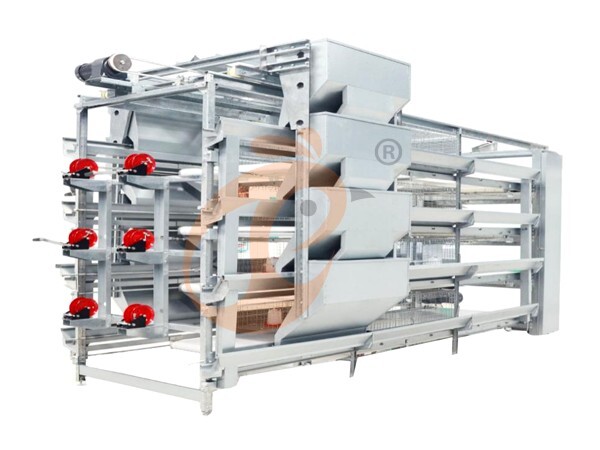
5. Our 24 hour online reception What’sApp NO. is +86 18830120193. >30,000 Broilers Semi-Automatic Harvest H Type Battery Cage1. More than 30,000 broilers a house, choose it.
2. It is designed to rearing 1 to 45 day old adult broiler ready for market.
3. Its lifespan is more than 20 years.
4. Our 24 hour online reception What’sApp NO. is +8618830120193, +234 8111199996. >30,000 Broilers Manual Harvest H Type Battery Cage1. More than 30,000 broilers a house, choose it.
2. It is designed to rearing 1 to 45 day old adult broiler ready for market.
3. Its lifespan is more than 20 years.
4. Its structure are Vcloud artificial intelligent fusion, electric control cabinet, automatic equipment of drinking, feeding and manure clean, manual harvesting.
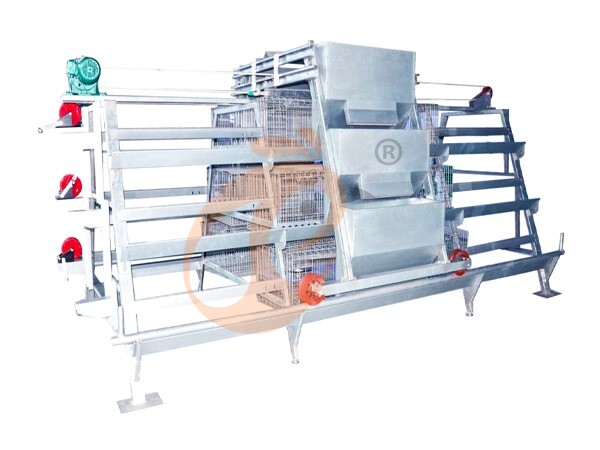
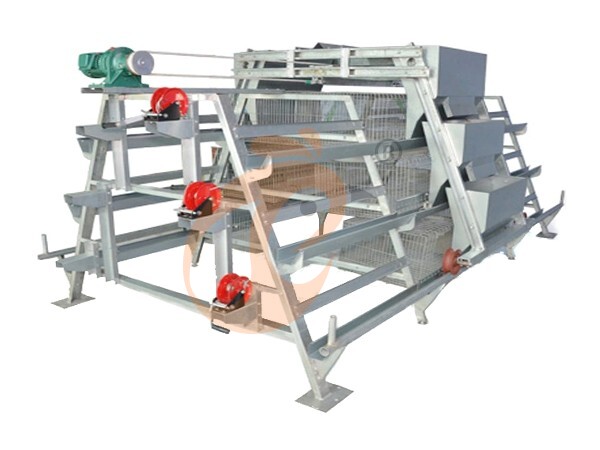
5. Our 24 hour online reception What’sApp NO. is +8618830120193, +234 8111199996. <30,000 Broilers Manual Harvest A Type Battery Cage1. Less 30,000 broilers a house, choose it.
2. It is designed to rearing 1 to 45 day old adult broiler ready for market.
3. Its lifespan is more than 20 years.
4. Its structure are Vcloud artificial intelligent fusion, electric control cabinet, automatic equipment of drinking, feeding and manure clean, manual harvesting.
5. Our 24 hour online reception What’sApp NO. is +8618830120193, +234 8111199996. HK Headquarter Offers EU-standard Poultry Farm Solutions, Manufacture Poultry Farm Equipment1. Continuous communication with the EU and the US
2. China, Nigeria, Ethiopia, Tanzania branch companies and factories
3. The products’ quality is customized for local poultry farms
4. Poultry cage and poultry farm equipment stock for sale
5. 24 online reception Whatsapp NO. : +8618830120193,contact us to get full information China Branch Offer Poultry Farm Business Plan, Manufacture Poultry Farm Equipment1. Address: Flat/RM 2416, 24/F, Runxing Building, Youyi Nan Street, Shijiazhuang City, Hebei Province, China
2. Poultry cage and poultry farm equipment factory and stock for sale
3. Customized for local poultry farms
4. Quality and design are based on Euro
5. 24 online reception Whatsapp NO. : +8618830120193 Nigeria Branch Offer Poultry Farm Business Plan, Manufacture Poultry Farm Equipment1. Address: After Sinoma Office, 200 Meters Near Danco Filling Station, Lagos/Ibadan Expressway, Lagos State, Nigeria
2. Poultry cage and poultry farm equipment factory and stock for sale
3. Customized for Nigerian poultry farms
4. Quality and design are based on Euro
5. 24 online reception Whatsapp NO. : +8618830120193 Ethiopia Branch Offer Poultry Farm Business Plan, Manufacture Poultry Farm Equipment1. Address: Gelan Gura, Akaki-kaliti Sub City, Addis Ababa, Ethiopia
2. Poultry cage and poultry farm equipment stock for sale
3. Customized for Ethiopian poultry farms
4. Quality and design are based on Euro
5. 24 online reception Whatsapp NO. : +8618830120193, contact us to get price list Tanzania Branch Offer Poultry Farm Business Plan, Manufacture Poultry Farm Equipment1. Address: No.8, Sova Road, Msufini, Mlandizi, Kibaha, Pwani, Tanzania
2. Poultry cage and poultry farm equipment factory and stock for sale
3. Customized for Tanzanian poultry farms
4. Quality and design are based on Euro
5. 24 online reception Whatsapp NO. : +8618830120193


Contact