


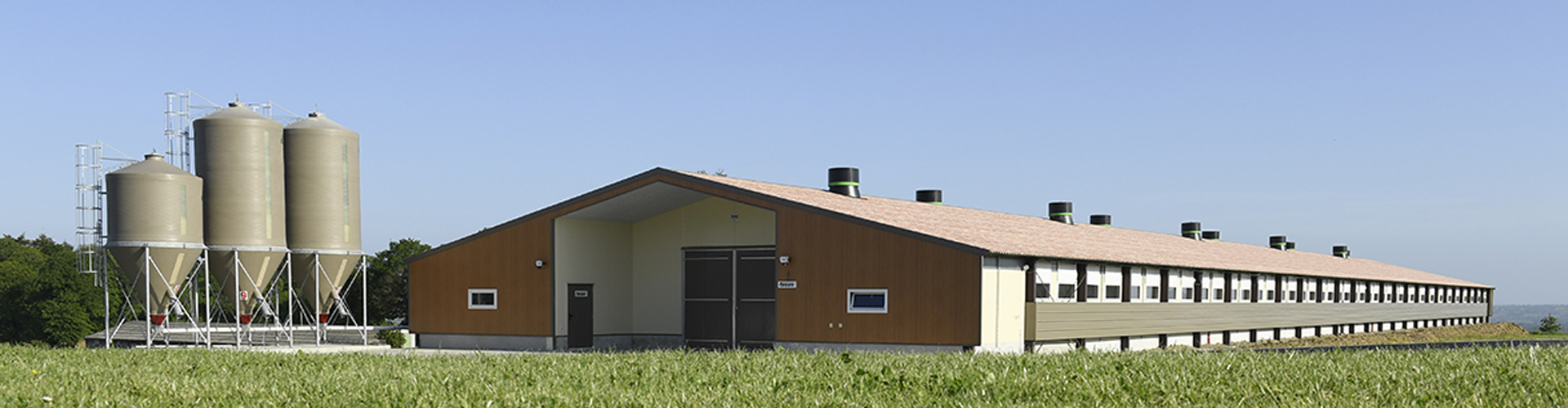
Blog
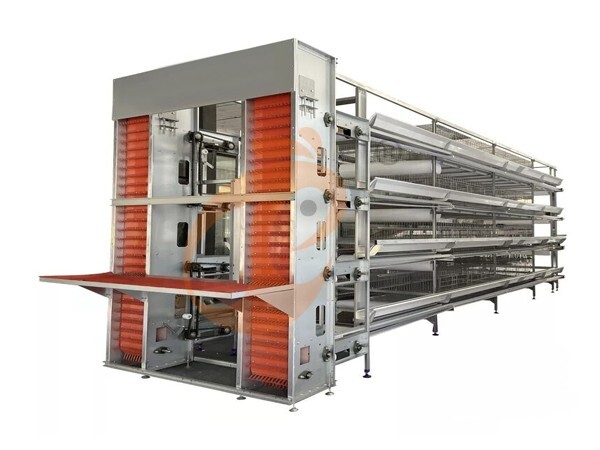
- H type chicken battery cages combine galvanized protection, automated feeding, and efficient housing for commercial layer production.
Galvanized layer cages support 10–15 years of planned operation under demanding poultry-house conditions and maintenance schedules.
Poultry cage systems connect feeding, drinking, manure handling, ventilation, and egg collection into coordinated production workflows.
Surface treatment affects maintenance exposure across 2–4 annual washing cycles and repeated ammonia contact inside commercial houses.
- Technical specifications, structural engineering, and turnkey poultry equipment planning create stronger long-term purchasing decisions for profitable farms.
Get professional poultry farm construction guidance, equipment selection solutions, and the latest price lists, whatsApp to +8618830120193, click to learn more:
Material Comparison At A Glance
Data is for reference only.Swipe horizontally to view full table.
For poultry equipment buyers, measurable specifications provide a stronger comparison than descriptions such as ''strong'' or ''premium''.
A coating system can be assessed through approximately ±10% production-sample uniformity, while H type chicken battery cages should also receive
documented factory inspection records.
Galvanized layer cages become particularly attractive when buyers evaluate surface treatment together with welding consistency and manufacturing tolerances.
Why Galvanization Has A Long-Term Advantage
Think of H type chicken battery cages as a structural production platform rather than a simple wire product.
Galvanized layer cages use zinc protection to separate steel from atmospheric exposure while providing electrochemical protection around minor surface damage.
A controlled galvanizing process can target approximately 4B adhesion performance under ASTM D3359 evaluation, providing measurable quality evidence.
Painted cages depend primarily on coating continuity, so poultry cage system buyers should verify substrate preparation before accepting a coating specification.
Professional surface preparation can reach Sa 2.5 cleanliness before painting, improving adhesion and reducing premature coating failure.
Corrosion Resistance: Where The Difference Becomes Visible
Data is for reference only.Swipe horizontally to view full table.
Poultry houses experience repeated cleaning rather than occasional exposure, making H type chicken battery cages part of a continuous sanitation environment.
Commercial farms may perform 2–4 complete cage-area washdowns annually, creating repeated mechanical and chemical exposure for poultry equipment surfaces.
Ventilation also influences galvanized layer cages because air exchange controls moisture accumulation and corrosive-gas concentration around structural components.
Typical ventilation demand may reach 0.3–0.8 m³/min per kilogram of live bird weight, depending on season and environmental-control strategy.
The Maintenance Test: Which Cage Saves More Work?
Imagine two commercial layer houses operating comparable flock capacities.
Both facilities use automatic feeding and nipple drinking, but H type chicken battery cages have different surface-treatment specifications.
During early production cycles, galvanized layer cages and painted cages can appear similar, while high-contact locations gradually reveal differences.
Cage doors, partitions, feeding interfaces, and manure-handling areas experience repeated contact, making coating durability increasingly important.
For a 12,000-bird project, one additional inspection point for every 2,000 cage positions can create six separate inspection zones.
Poultry cage system design can also influence cleaning conditions because faster manure removal reduces prolonged exposure beneath occupied cages.
Keeping manure onsite for an additional 24–48 hours can increase moisture and corrosive-gas exposure around equipment.
Service Life And Total Cost Of Ownership
Data is for reference only.Swipe horizontally to view full table.
Total ownership cost for H type chicken battery cages should include installation, spare parts, labor, repairs, maintenance, and production interruption.
For a 50,000-bird project, even modest annual maintenance differences can accumulate significantly across a decade of poultry equipment operation.
Galvanized layer cages can therefore provide stronger financial logic when investors evaluate replacement exposure alongside initial capital expenditure.
Why H Type Battery Cages Need More Than Good Coating
Data is for reference only.Swipe horizontally to view full table.
Coating cannot compensate for weak engineering, so H type chicken battery cages require coordinated structural design across frames, floors, doors, and support components.
Proper cage-floor geometry can maintain an egg-rolling distance around 80–120 mm, supporting consistent egg transfer toward collection areas.
Nipple drinking arrangements may operate around 60–80 birds per nipple, depending on breed, age, water demand, and installation layout.
A complete poultry cage system therefore needs mechanical coordination rather than isolated component purchasing.
Painted Cages Still Have Their Place
Data is for reference only.Swipe horizontally to view full table.
Painted H type chicken battery cages can remain commercially suitable when coating preparation, primer compatibility, curing, and environmental control are properly specified.
A professional coating process may require approximately 20–25°C curing conditions across a controlled production period, depending on coating chemistry.
Galvanized layer cages can offer another option for coastal projects where chloride exposure increases surface-protection requirements.
Annual rainfall around 800–1,500 mm can further influence building drainage, washing frequency, and poultry equipment maintenance planning.
Buyer Checklist: 7 Questions Before You Order
Data is for reference only.Swipe horizontally to view full table.
Never evaluate H type chicken battery cages from photographs or unit prices alone.
Ask every supplier for material certificates, production drawings, coating documentation, and equipment configuration before signing a purchase contract.
For a 100,000-layer project, poultry cage system configuration directly influences tier quantities, rows, feeding circuits, drive motors, and manure belts.
Professional poultry equipment manufacturers should calculate complete layouts according to building dimensions, bird capacity, automation requirements, and service access.
From Cage To Complete Poultry House
Data is for reference only.Swipe horizontally to view full table.
A modern H type chicken battery cages project should coordinate housing, feeding, drinking, manure removal, ventilation, cooling, and egg collection.
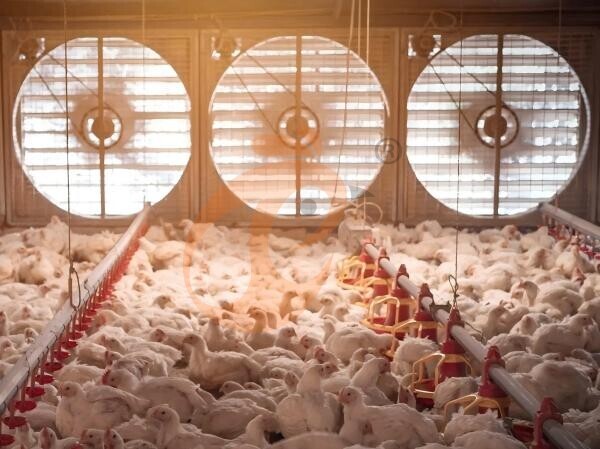
Ventilation fans around 1,400 mm in diameter can produce different airflow results depending on motor power, static pressure, shutter design, and installation conditions.
Poultry cage system planning therefore requires engineering coordination between mechanical equipment and building dimensions.
Turn-key poultry equipment projects can simplify procurement by connecting cage configuration with environmental-control and automation requirements.
The Practical Verdict
Data is for reference only.Swipe horizontally to view full table.
So, which lasts longer?
For demanding commercial environments, H type chicken battery cages manufactured with appropriate galvanizing technology generally offer stronger long-term equipment value.
Galvanized layer cages combine corrosion protection with structural engineering, while purchasing decisions should also consider installation access and replacement logistics.
A poultry cage system should ultimately be selected according to operating conditions, flock scale, automation strategy, and planned production duration.
Build For The Next Production Cycle, Not Just Today
Choosing H type chicken battery cages is a long-term capital decision because equipment remains inside production houses through multiple flock cycles.
A commercial installation can reach 50,000–100,000+ birds within one project, making equipment reliability directly relevant to production continuity.
Galvanized layer cages provide a practical combination of corrosion protection, structural performance, and compatibility with automated poultry equipment.
Complete poultry cage system planning should include cage rows, feeding lines, drinking systems, manure handling, ventilation, cooling, egg collection, and environmental control.
The strongest purchasing strategy is to compare steel quality, coating technology, engineering documentation, automation compatibility, service capability, and total ownership cost.
Frequently Asked Questions
Q1: Can galvanized H type chicken battery cages last longer than painted cages?
Yes, H type chicken battery cages with properly controlled galvanizing can provide longer planned service performance, particularly under repeated moisture and sanitation exposure.
Q2: Are painted H type chicken battery cages suitable for commercial farms?
Yes, painted H type chicken battery cages can work effectively when substrate preparation, coating thickness, curing, and cleaning conditions are properly controlled.
Q3: What should buyers compare beyond cage price?
Buyers should compare poultry cage system specifications, steel documentation, surface treatment, automation compatibility, installation support, spare parts, and project-level maintenance requirements.
Taiyu (HK) Group - One Of China Toppest H Type Chicken Battery Cages Manufacturer
H type chicken battery cages provide multi-tier commercial layer housing with 3–5 cage levels and integrated poultry equipment compatibility.
Global factory-direct production supports standardized poultry equipment manufacturing, technical documentation, component matching, and international project supply.
Turn-key engineering covers poultry cage system design, automatic feeding, nipple drinking, manure removal, ventilation, cooling, and egg collection.
Project engineering can support commercial farms from 10,000 to 100,000+ birds through layout planning, equipment configuration, and installation coordination.
Export-oriented manufacturing combines factory production, technical specifications, spare-parts planning, and after-sales engineering support for international poultry projects.
Contact Us To Received Your Customized Poultry Farm Plan
Headquarters And Branchs

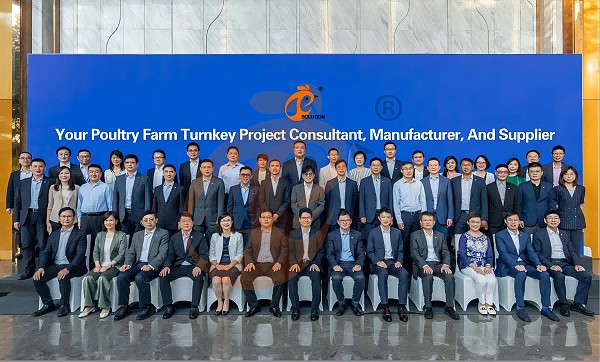
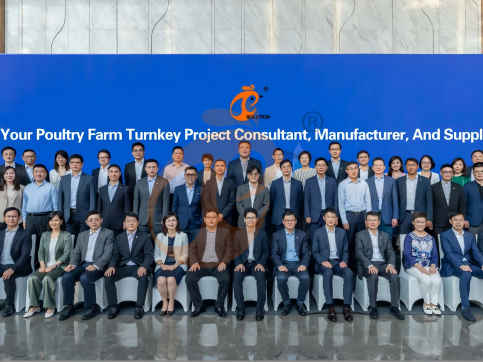
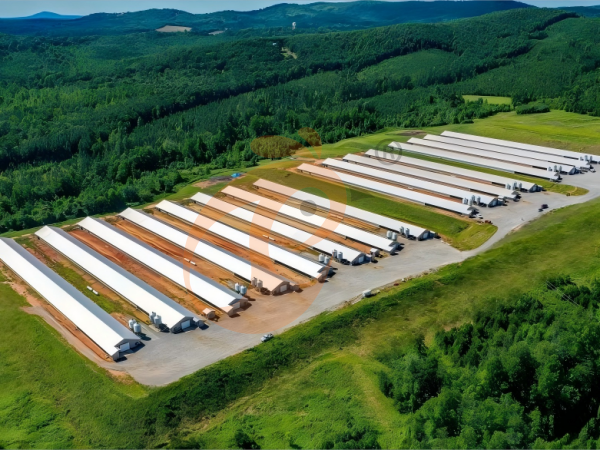
Hong Kong Headquarter Management Team
Hong Kong Headquarter Taiyu Industrial Group CO., LTD
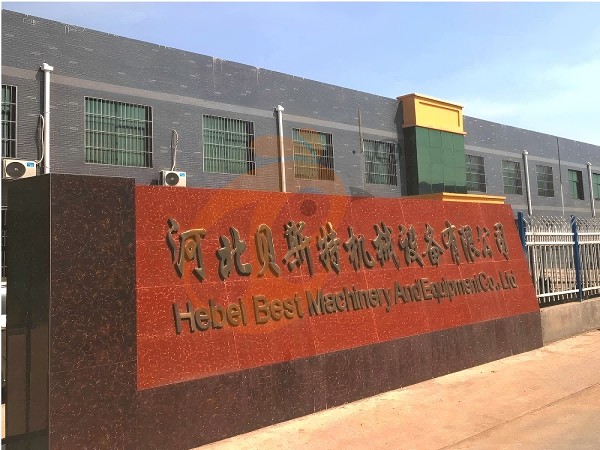
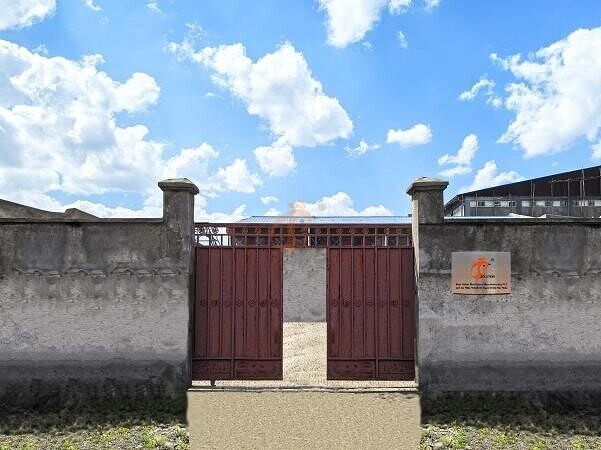
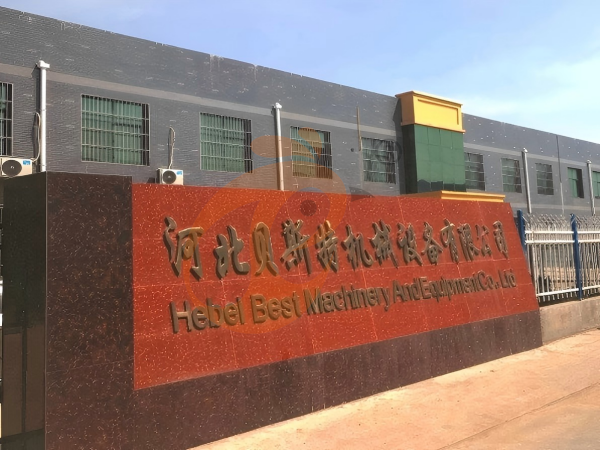
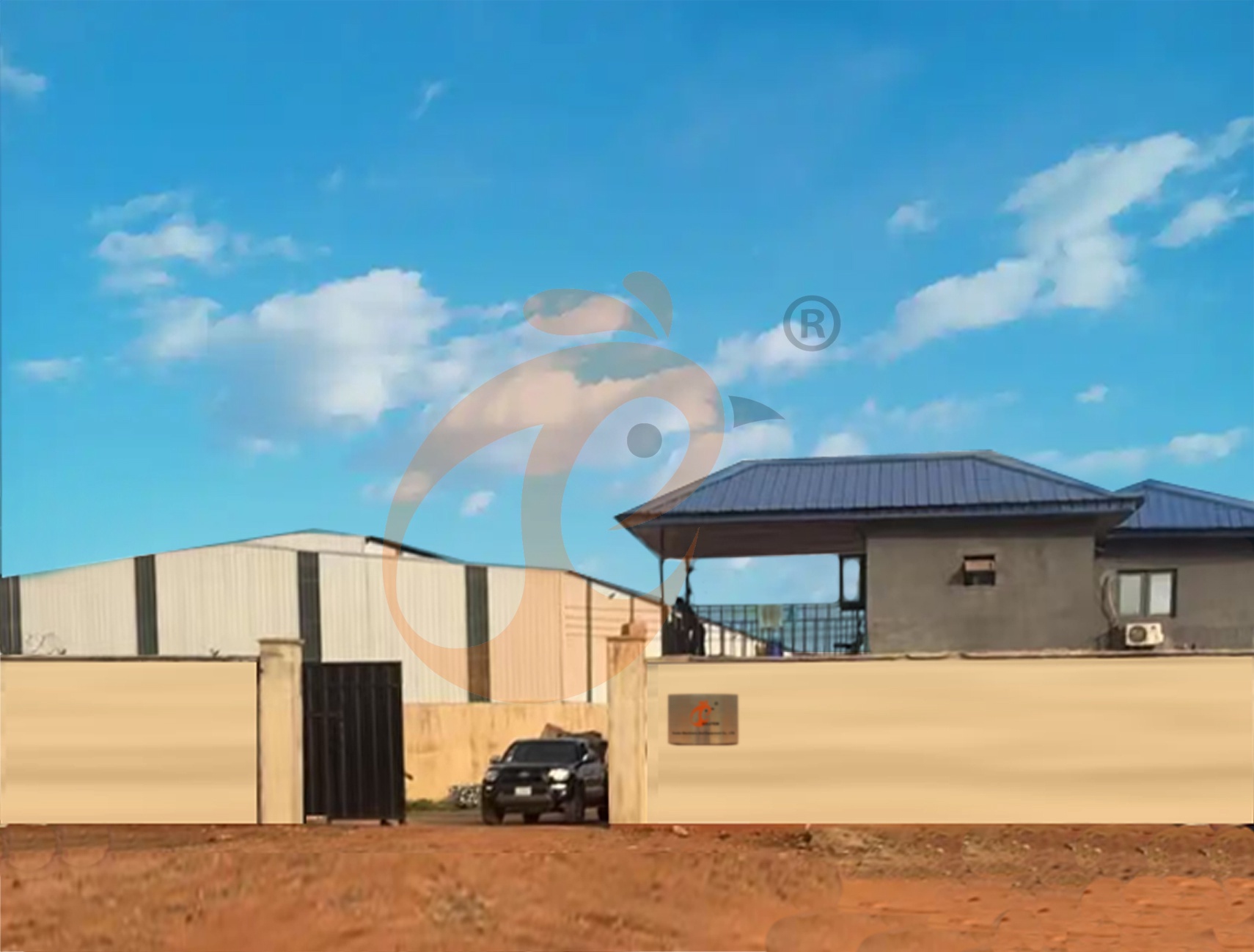
China Hebei Best Machinery And Equipment CO., LTD
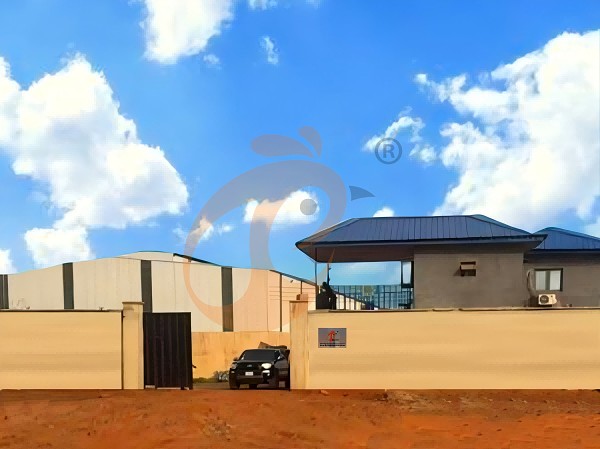
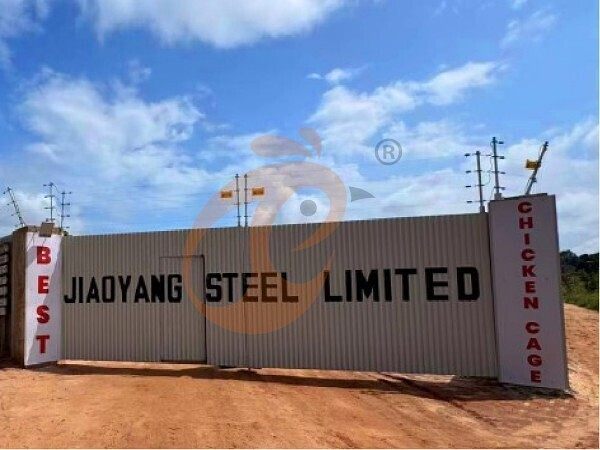
Nigeria Vanke Machinery And Equipment CO., LTD
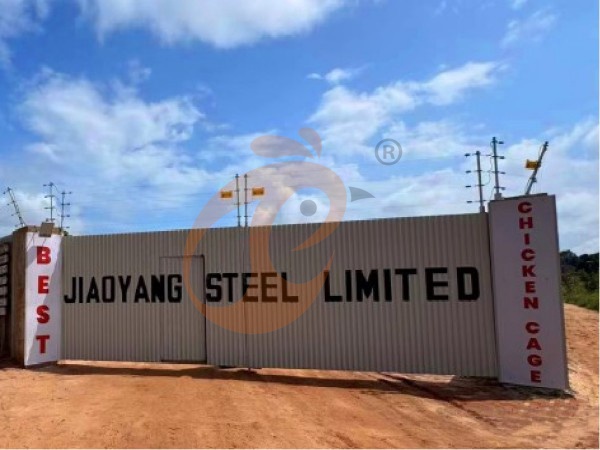
Tanzania Best Machinery And Equipment CO., LTD
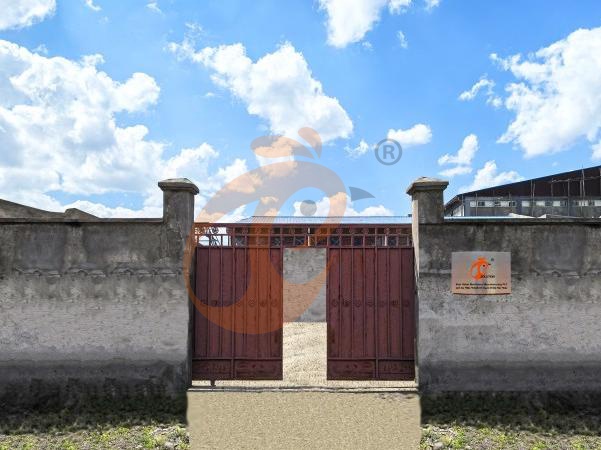
Ethiopia Best Hebei Machinery Manufacturing PLC
Reception /24 WhatsApp NO. : +8618830120193
FAQ
What Are The Recommended Cage Heights For H-Type Poultry Cage?
Multi-tier layout: 5–7 levels
Ensure comfort for feeding and movement
Egg production rate: 90-98%
FCR: 1.9–2.1
How To Reduce Energy Consumption In H-Type Layer Cage Farm?
Optimize ventilation and lighting layout
Reduce HVAC energy consumption by 10–15%
Egg production rate: 90-98%
FCR: 1.9–2.1
What Is The Maximum Capacity Of H-Type Layer Cage In A Single House?
Birds per tier: 90–120
Farm capacity per house: 30,000 - 100,000+0 birds
Floor space saved: 3–4 times
Labor savings: 70-90%
- battery cage
- poultry farm
- layer cages
- chicken battery cage
- layer cage
- poultry house
- poultry cage
- cage
- poultry farm construction
- poultry cage system
- poultry cage system design
- poultry equipment
- battery cages
- h type battery cages
- chickencage
- h type cage
- chicken battery
- bestchickencage
- cage system
- chicken battery cages
- h type
- cage systems
- h cage
- h type cages
- h type battery cage
- Nigeria
- layer farm
- automated poultry equipment
- galvanized layer cage
- poultry equipment manufacturer
- poultry cage systems
- poultry farm plan
- Ethiopia
Message
Products recommended
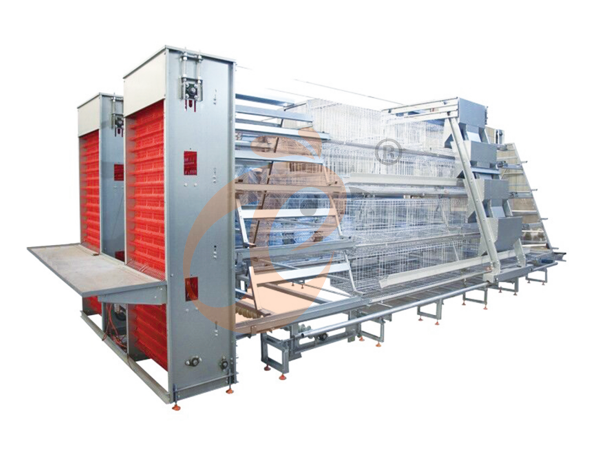
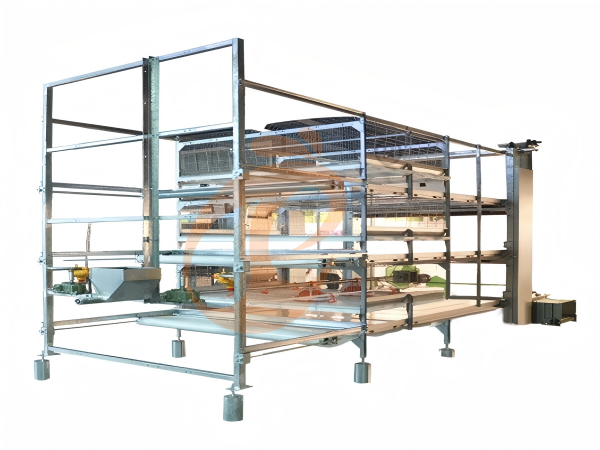
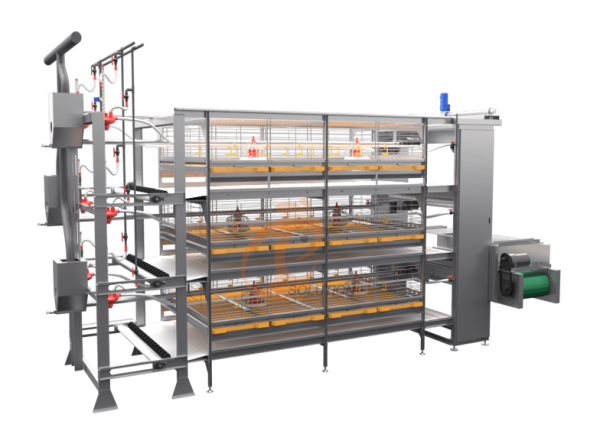
 >30,000 Pullets Automatic H Type Battery Cage1. More than 30,000 pullets a house, choose it.
2. It is designed to rearing older than 1 day old pullets to 12 to 16 weeks old chicken starting laying eggs.
3. Its lifespan is more than 25 years.
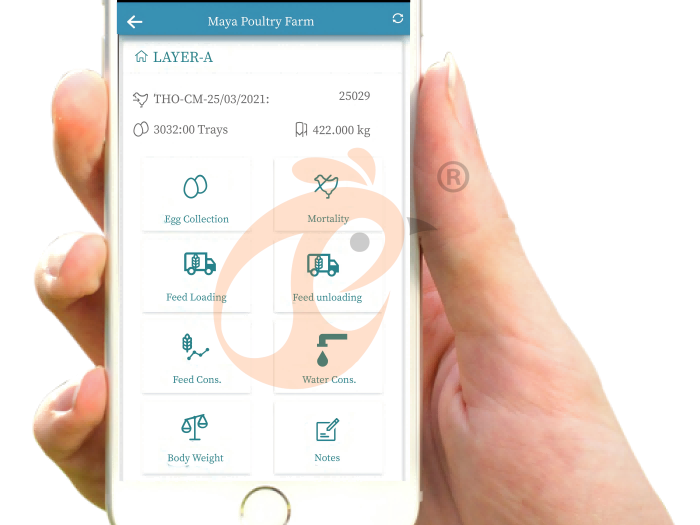
4. Its structure are Vcloud artificial intelligent fusion, electric control cabinet, automatic equipment of drinking, feeding, manure clean, manual harvesting.
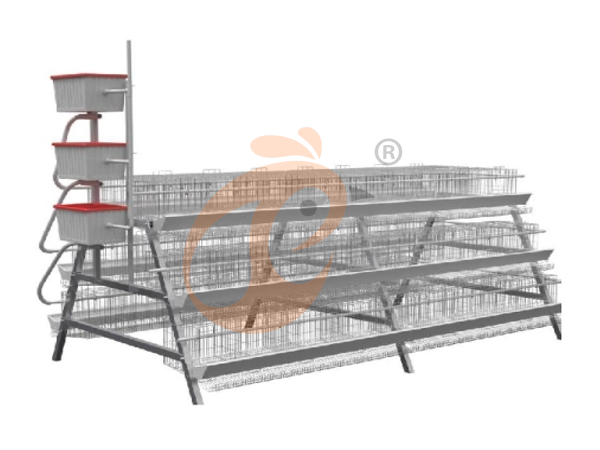
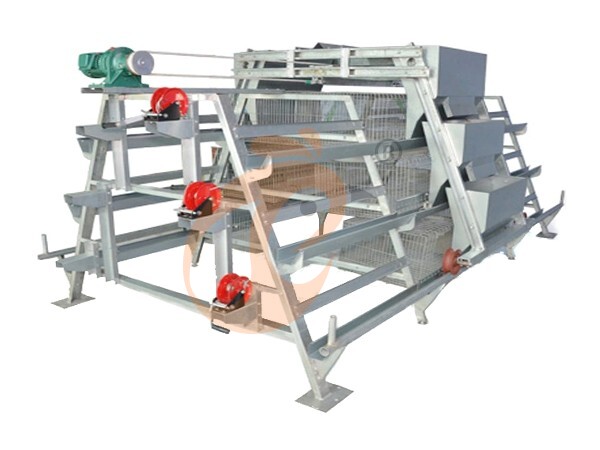
5. Our 24 hour online reception What’sApp NO. is +8618830120193 <30,000 Pullets Automatic A Type Battery Cage1. 10,000 to 30,000 pullets a house, choose it.
2. It is designed to rearing older than 1 day old pullets to 12 to 16 weeks old chicken starting laying eggs.
3. Its lifespan is more than 25 years.
4. Its structure are Vcloud artificial intelligent fusion, electric control cabinet, automatic equipment of drinking, feeding, manure clean, manual harvesting.
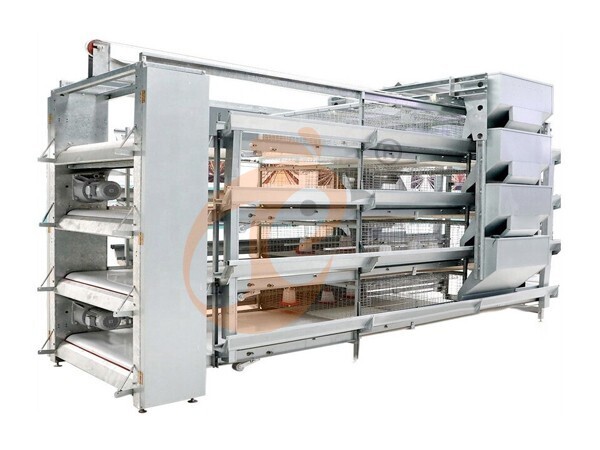
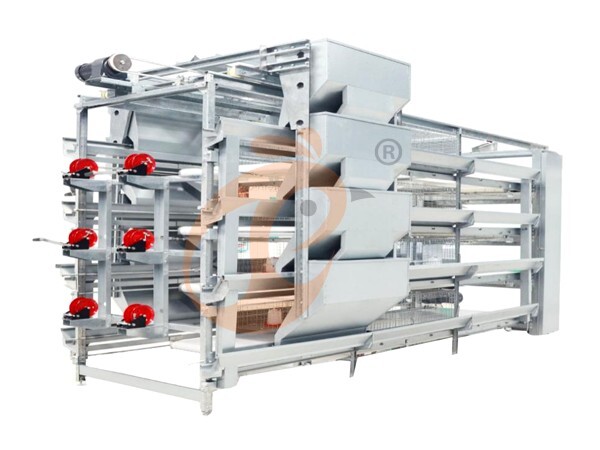
5. Our 24 hour online reception What’sApp NO. is +86 18830120193. >30,000 Broilers Semi-Automatic Harvest H Type Battery Cage1. More than 30,000 broilers a house, choose it.
2. It is designed to rearing 1 to 45 day old adult broiler ready for market.
3. Its lifespan is more than 20 years.
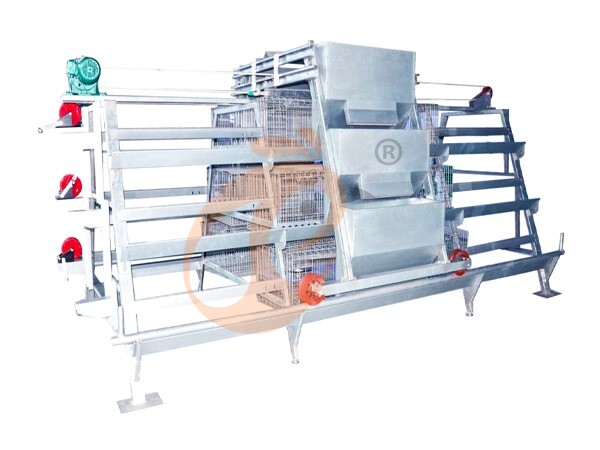
4. Our 24 hour online reception What’sApp NO. is +8618830120193, +234 8111199996. >30,000 Broilers Manual Harvest H Type Battery Cage1. More than 30,000 broilers a house, choose it.
2. It is designed to rearing 1 to 45 day old adult broiler ready for market.
3. Its lifespan is more than 20 years.
4. Its structure are Vcloud artificial intelligent fusion, electric control cabinet, automatic equipment of drinking, feeding and manure clean, manual harvesting.
5. Our 24 hour online reception What’sApp NO. is +8618830120193, +234 8111199996. <30,000 Broilers Manual Harvest A Type Battery Cage1. Less 30,000 broilers a house, choose it.
2. It is designed to rearing 1 to 45 day old adult broiler ready for market.
3. Its lifespan is more than 20 years.
4. Its structure are Vcloud artificial intelligent fusion, electric control cabinet, automatic equipment of drinking, feeding and manure clean, manual harvesting.
5. Our 24 hour online reception What’sApp NO. is +8618830120193, +234 8111199996. HK Headquarter Offers EU-standard Poultry Farm Solutions, Manufacture Poultry Farm Equipment1. Continuous communication with the EU and the US
2. China, Nigeria, Ethiopia, Tanzania branch companies and factories
3. The products’ quality is customized for local poultry farms
4. Poultry cage and poultry farm equipment stock for sale
5. 24 online reception Whatsapp NO. : +8618830120193,contact us to get full information China Branch Offer Poultry Farm Business Plan, Manufacture Poultry Farm Equipment1. Address: Flat/RM 2416, 24/F, Runxing Building, Youyi Nan Street, Shijiazhuang City, Hebei Province, China
2. Poultry cage and poultry farm equipment factory and stock for sale
3. Customized for local poultry farms
4. Quality and design are based on Euro
5. 24 online reception Whatsapp NO. : +8618830120193 Nigeria Branch Offer Poultry Farm Business Plan, Manufacture Poultry Farm Equipment1. Address: After Sinoma Office, 200 Meters Near Danco Filling Station, Lagos/Ibadan Expressway, Lagos State, Nigeria
2. Poultry cage and poultry farm equipment factory and stock for sale
3. Customized for Nigerian poultry farms
4. Quality and design are based on Euro
5. 24 online reception Whatsapp NO. : +8618830120193 Ethiopia Branch Offer Poultry Farm Business Plan, Manufacture Poultry Farm Equipment1. Address: Gelan Gura, Akaki-kaliti Sub City, Addis Ababa, Ethiopia
2. Poultry cage and poultry farm equipment stock for sale
3. Customized for Ethiopian poultry farms
4. Quality and design are based on Euro
5. 24 online reception Whatsapp NO. : +8618830120193, contact us to get price list Tanzania Branch Offer Poultry Farm Business Plan, Manufacture Poultry Farm Equipment1. Address: No.8, Sova Road, Msufini, Mlandizi, Kibaha, Pwani, Tanzania
2. Poultry cage and poultry farm equipment factory and stock for sale
3. Customized for Tanzanian poultry farms
4. Quality and design are based on Euro
5. 24 online reception Whatsapp NO. : +8618830120193


Contact