


Blog
Pralson feeders support commercial poultry feeding with engineered components, scheduled servicing, and controlled operation across systems running up to 8 hours per day.
Automatic poultry feeder design combines feed distribution, mechanical coordination, and maintenance planning for houses operating 365 days annually.
A poultry feeder system benefits from cleaning, inspection, operator training, replacement planning, and technical records covering multiple production cycles.
Chicken house feeding system engineering connects installation accuracy, spare-parts management, feed-flow control, and equipment documentation within projects exceeding 1,000 birds.
- Pralson feeders combine equipment engineering with service discipline, helping farms coordinate labor, maintenance timing, and feeding continuity across 12-month production programs.
Get professional poultry farm construction guidance, equipment selection solutions, and the latest price lists, whatsApp to +8618830120193, click to learn more:
Choose The Right Feeder Configuration From The Start
Maintenance savings begin before installation.
Pralson feeders should match house structure, flock capacity, feeding programs, and expected operating loads, while automatic poultry feeder planning can reduce modification work across systems exceeding 100 m.
Correct planning also limits alignment problems during commissioning, with installation work ideally completed within 2 hours per feeder line.
Data is for reference only.Swipe horizontally to view full table.
Selecting the correct pralson feeders configuration from the beginning can reduce unnecessary modifications, adjustment work, and premature component replacement.
A properly planned poultry feeder system also simplifies future expansion, with service access maintained at approximately 600 mm around critical maintenance points.
Prevent Problems With Scheduled Inspections
Waiting until pralson feeders fail usually creates higher maintenance pressure.
Automatic poultry feeder inspections can divide work into daily visual checks, weekly mechanical observations, and scheduled technical servicing, while baseline records should cover at least 7 consecutive operating days.
Recording observations during identical feeding cycles also improves comparison accuracy, especially when each inspection requires less than 15 minutes.
Data is for reference only.Swipe horizontally to view full table.
A structured inspection program helps maintenance teams detect deviations while Pralson feeders remain operational, allowing corrective work to be scheduled during planned service windows.
Inspection documentation can also include equipment identification numbers and technician initials for every completed service record.
Keep Feed Flow Clean And Consistent
Feed accumulation can gradually increase resistance inside pralson feeders.
Moisture, compacted material, and excessive dust can alter feed movement, while cleaning zones should generally require no more than 15 minutes each during routine servicing.
A poultry feeder system benefits from controlled cleaning because smooth feed movement can reduce unnecessary mechanical loading over extended operating periods.
Data is for reference only.Swipe horizontally to view full table.
Keeping the feed path clean helps maintain smooth operation of pralson feeders and prevents operators from confusing feed-flow problems with mechanical failures.
Routine cleaning can also be integrated into production rounds, with approximately 10 minutes allocated per 50 m inspection zone.
Train Operators To Recognize Early Warning Signs
Operators are often the first personnel to identify abnormal pralson feeders conditions.
Instead of waiting for equipment stoppage, staff should compare current operation against established baselines during a consistent 10-minute observation period.
Automatic poultry feeder management becomes more effective when abnormal sounds, movement, and feed distribution are recorded immediately.
Use The ''Listen–Look–Act'' Sequence
LISTEN: Identify changes in motor sound, gearbox noise, or vibration.
LOOK: Check whether feed is moving consistently and whether pans, lines, and suspension components remain correctly positioned.
ACT: Record the abnormal condition and initiate inspection before continued operation increases component stress.
Data is for reference only.Swipe horizontally to view full table.
Training operators to work with measurable thresholds turns routine observation into practical early-warning control for pralson feeders.
Operator records should include the observation time and house location, creating traceability across systems containing multiple feeding lines.
Replace Wear Parts Before They Cause Secondary Damage
Worn components can transfer stress into surrounding parts of pralson feeders.
Preventive replacement should therefore use measured wear, operating history, and inspection records, with technical reviews scheduled around every 500 operating hours.
A chicken house feeding system becomes easier to manage when component replacement is planned before secondary damage develops.
A Simple Decision Path
Normal measurement → continue operation and record the result.
Approaching service limit → schedule replacement during planned downtime.
Beyond service limit → remove the component from service and inspect related parts.
Secondary damage detected → inspect the complete drive or feeding assembly before restarting.
Data is for reference only.Swipe horizontally to view full table.
Replacing worn parts at controlled intervals keeps pralson feeders easier to service and reduces the possibility of mechanical wear spreading through connected assemblies.
Maintenance teams can also compare replacement history over 12 months to identify recurring component patterns.
Reduce Emergency Repairs With A Spare-Parts Strategy
Emergency maintenance becomes more complicated when pralson feeders require unavailable components.
A farm can establish inventory from historical consumption and equipment configuration, while reviewing spare-part usage every 90 days provides a practical
purchasing cycle.
Automatic poultry feeder systems benefit from organized parts storage because technicians can move directly from diagnosis to replacement.
Data is for reference only.Swipe horizontally to view full table.
A properly structured spare-parts program allows pralson feeders technicians to complete corrective work without turning a small component failure into prolonged equipment interruption.
Storage locations should be labeled by component type, with inventory reconciliation completed within approximately 30 minutes per review.
Use Preventive Maintenance To Lower Total Ownership Cost
Preventive maintenance for pralson feeders should control the relationship between operating hours, component condition, labor input, and repair expenditure.
Farms can compare maintenance records across four consecutive production cycles, creating enough history to identify ineffective service intervals.
A poultry feeder system becomes financially predictable when maintenance tasks are linked to measurable service schedules rather than emergency events.
Data is for reference only.Swipe horizontally to view full table.
A preventive strategy converts pralson feeders maintenance from an unpredictable expense into a planned operating activity.
Maintenance budgeting can then be reviewed against annual operating records, with labor consumption tracked to the nearest 0.25 hour.
Build A Maintenance Log That Actually Gets Used
A maintenance log becomes valuable when every pralson feeders entry contains measurable information instead of general comments.
Operators should record inspection dates, operating hours, observations, and corrective actions, while each entry can be completed within approximately 3 minutes.
The sequence remains simple:
Measure → Record → Compare → Schedule → Verify.
Over time, records reveal gradual changes that may remain invisible during individual inspections, especially across equipment operating beyond 6 months.
Match Maintenance To Real Farm Conditions
Different poultry houses create different demands for pralson feeders.
Dust concentration, humidity, operating duration, feed formulation, and flock density can influence equipment condition, while environmental records should be
reviewed at least once every 24 hours.
A chicken house feeding system should therefore use condition-based maintenance instead of applying identical servicing intervals to every installation.
Data is for reference only.Swipe horizontally to view full table.
Adapting maintenance procedures to actual operating conditions makes Pralson feeders maintenance more precise than applying one identical schedule to every poultry house.
Environmental records covering 30 consecutive days can also reveal recurring conditions that justify revised inspection frequencies.
Make Maintenance Part Of Your Daily Routine
A maintenance program becomes effective when responsibilities for pralson feeders are clearly assigned.
Rather than waiting for a technician, farm personnel can integrate simple checks into existing feeding rounds, with approximately 5 minutes reserved for visible-
condition inspection.
Four-Stage Maintenance Routine
Every Day:
Observe feed movement, motor operation, unusual vibration, and visible component damage.
Every Week:
Inspect mechanical connections, feed-line condition, and accumulation around critical areas.
Every Month:
Review operating measurements and perform scheduled mechanical adjustments.
Every Six Months:
Complete a broader technical inspection covering electrical, drive, suspension, and feeding components.
Automatic poultry feeder maintenance becomes easier to control when responsibilities are documented by house, line, and assigned technician.
A standardized checklist can contain 10–15 inspection points without creating excessive daily administrative work.
Think Beyond Repair Cost
The economic impact of pralson feeders maintenance extends beyond replacement components.
A feeder problem can affect labor allocation, feeding consistency, production scheduling, and troubleshooting time, while maintenance labor can be recorded in
0.25-hour increments.
A poultry feeder system should therefore be evaluated using total operating economics rather than individual repair invoices.
Data is for reference only.Swipe horizontally to view full table.
Currency values use European union standard reference only.
This broader approach allows farm managers to evaluate pralson feeders according to total operating economics rather than focusing only on individual repair invoices.
Annual maintenance expenditure can be compared against production-cycle records covering at least 12 months.
Choose A Feeder Partner That Supports Long-Term Operation
A feeder system should be evaluated by installation quality, serviceability, replacement support, and technical documentation.
Pralson feeders can be incorporated into projects requiring defined installation procedures, documented service intervals, and equipment records retained for at least 24 months.
Long-term poultry feeder system planning should include equipment selection, installation verification, operating controls, maintenance procedures, and technical support.
Data is for reference only.Swipe horizontally to view full table.
Pralson feeders become more valuable when equipment engineering and maintenance planning are treated as one integrated operating system.
A complete project can also maintain commissioning documentation, service records, and equipment references under one technical file.
FrequentlyAsked Questions
Q1: What is the most effective way to reduce pralson feeders maintenance costs?
Preventive inspection provides the strongest foundation because measurable checks can identify developing problems before emergency repairs occur, with 500 operating hours providing a useful reference for component review.
Q2: How often should pralson feeders be inspected?
Daily visual observation should be combined with weekly and monthly technical checks, while deeper component assessments can follow 90-day or 180-day service intervals.
Q3: Why are spare parts important for pralson feeders?
Available compatible components shorten corrective maintenance procedures and reduce waiting periods, particularly when critical drive or electrical parts require replacement during active production.
Taiyu (HK) Group - One Of China Biggest Pralson Feeders Manufacturer
Pralson feeders provide engineered poultry feeding equipment with structured feeder-line configurations, supporting commercial installations requiring controlled alignment within approximately ±5 mm and operating cycles of 4–8 hours daily.
Global factory-direct production integrates poultry equipment manufacturing, component coordination, quality inspection, and export preparation through centralized technical processes supporting projects above 1,000 birds.
Turn-key engineering covers system planning, equipment supply, installation coordination, commissioning procedures, and project documentation for complete poultry-house equipment packages with project schedules of 30–180 days.
Project execution supports commercial poultry facilities from individual houses to multi-house production sites, with technical specifications coordinated according to flock capacity and house dimensions ranging from 80–150 m.
Factory-based technical support connects feeder equipment selection, replacement-part planning, maintenance documentation, and after-sales engineering for international poultry production projects with 12-month operating reviews.
Contact Us To Received Your Customized Poultry Farm Plan
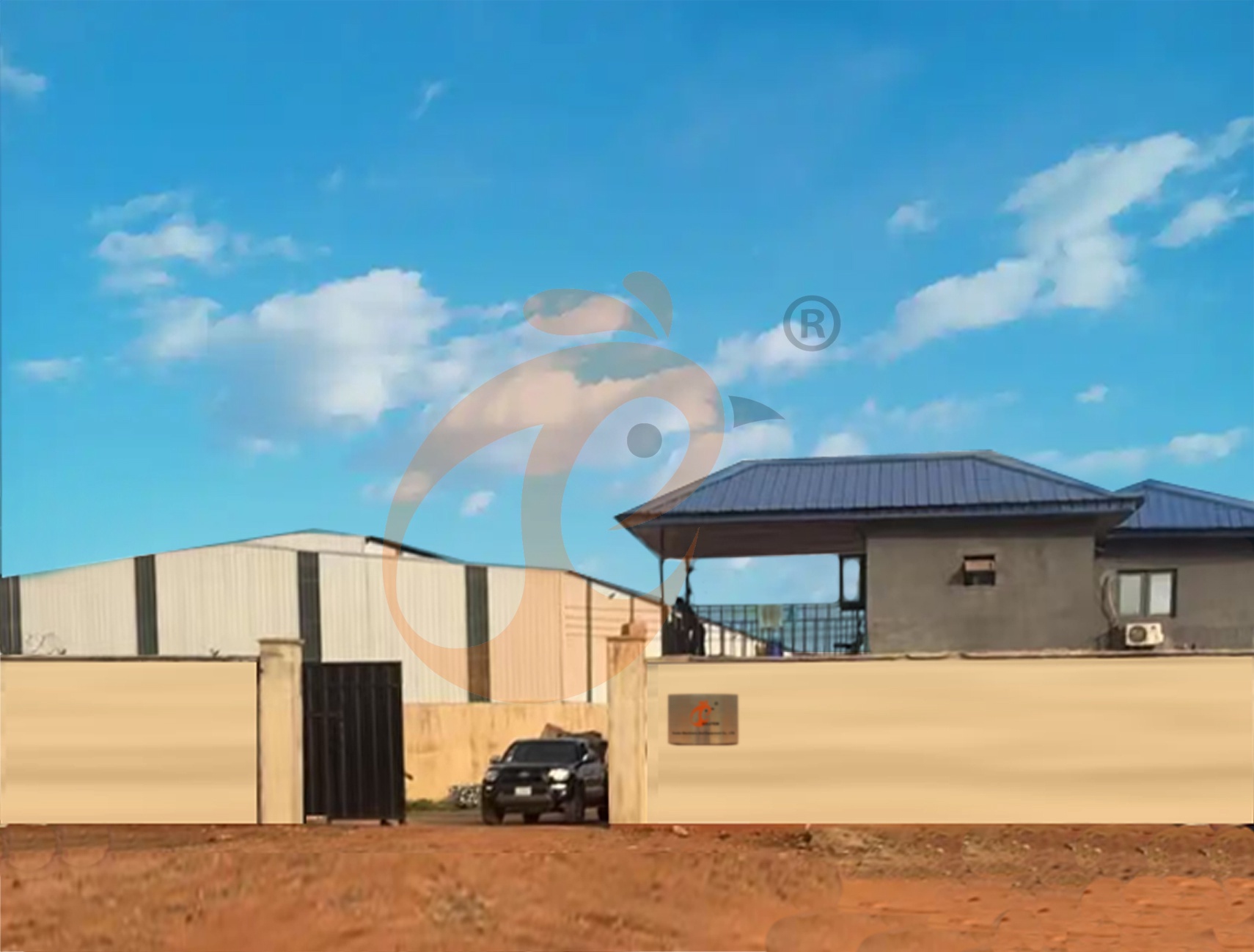
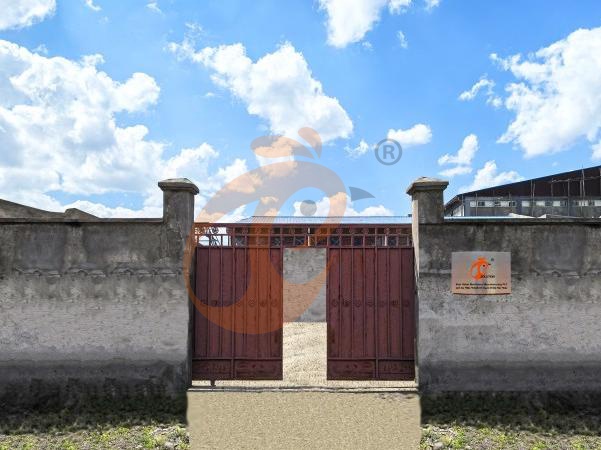
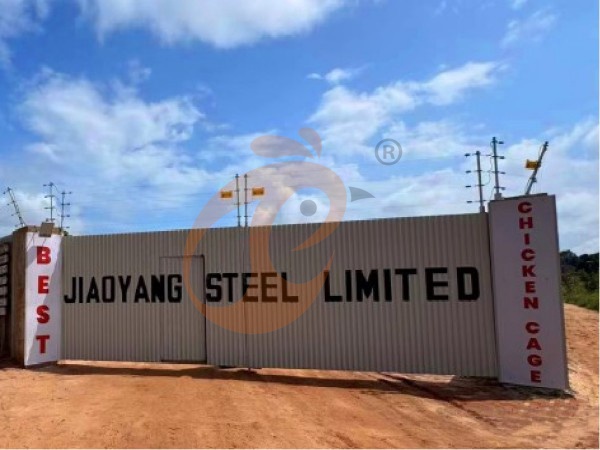
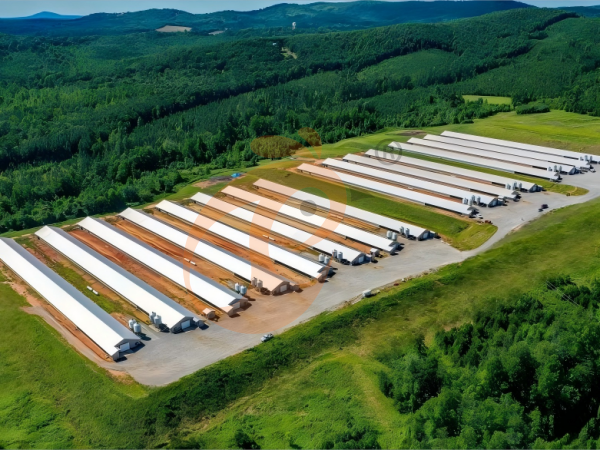
Headquarters And Branchs

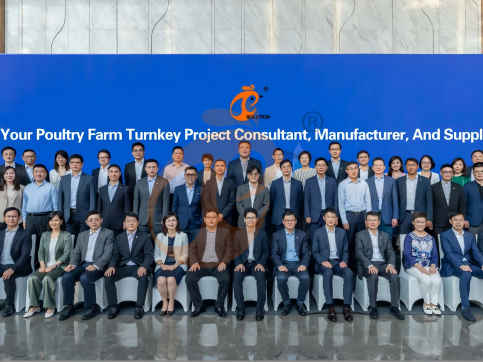
Hong Kong Headquarter Management Team
Hong Kong Headquarter Taiyu Industrial Group CO., LTD
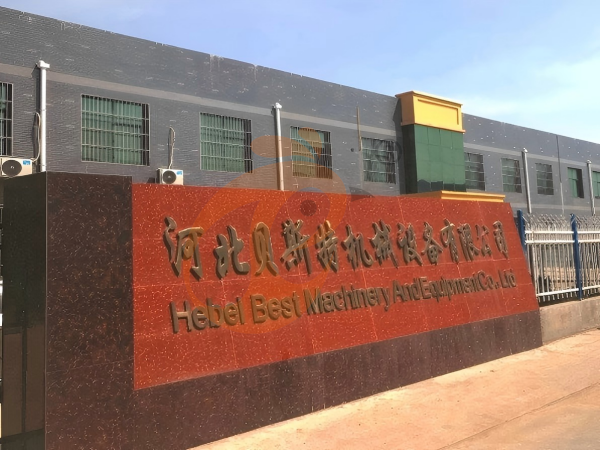
China Hebei Best Machinery And Equipment CO., LTD
Nigeria Vanke Machinery And Equipment CO., LTD
Tanzania Best Machinery And Equipment CO., LTD
Ethiopia Best Hebei Machinery Manufacturing PLC




Reception /24 WhatsApp NO. : +8618830120193
FAQ
What Are The Water Filtration Requirements For Plasson Poultry Equipment?
Suspended solid concentration is controlled below 40 mg per liter for system stability.
Backwash flow rate reaches 1.5–2.0 m³ per hour for effective filter regeneration.
What Are The Pipeline Dimension Standards In Plasson Poultry Equipment?
Branch lines operate with 16–20 mm diameter for balanced pressure across drinking points.
Maximum pipeline length per zone reaches 80–120 meters without pressure loss impact.
What Are The Bird Age Adaptation Settings In Plasson Poultry Equipment
Water flow sensitivity is adjusted to 60–100 ml per minute for different age groups.
Bird access spacing is optimized at 8–15 birds per nipple depending on growth phase.
Message
Products recommended
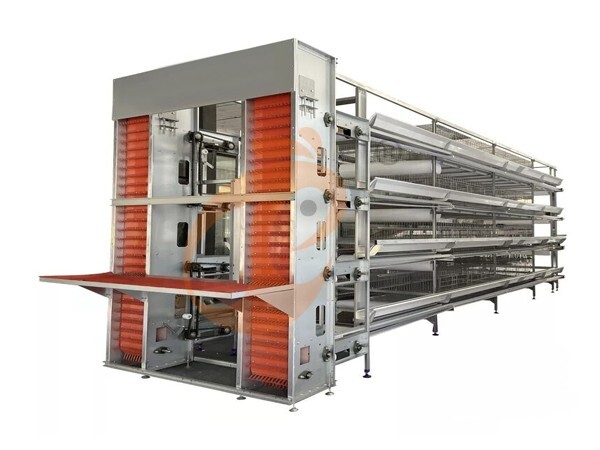
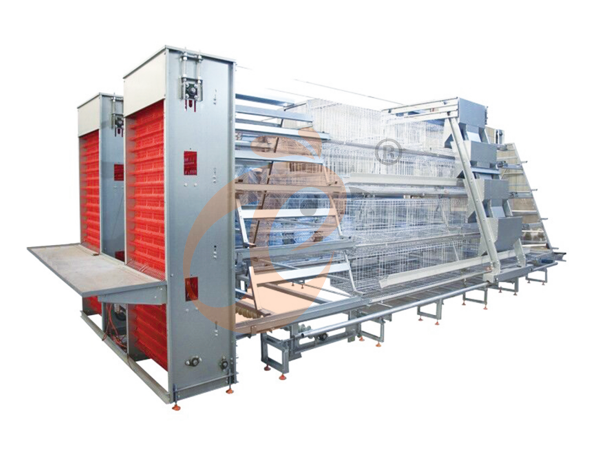
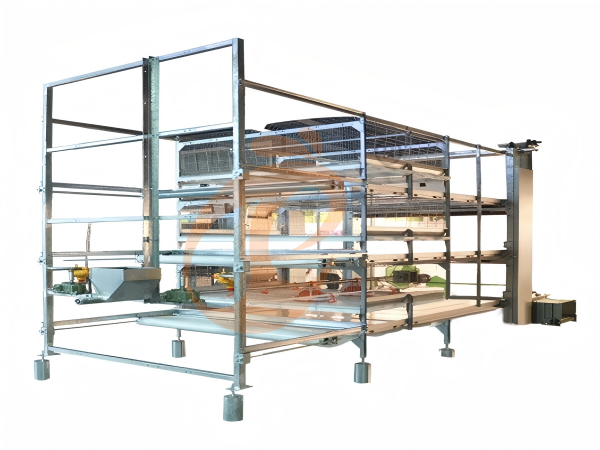
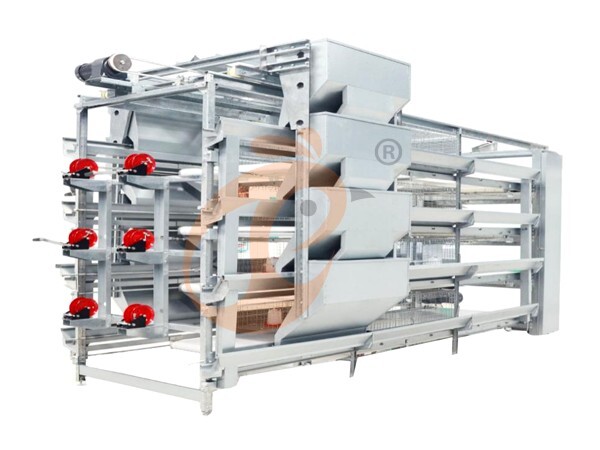
 >30,000 Pullets Automatic H Type Battery Cage1. More than 30,000 pullets a house, choose it.
2. It is designed to rearing older than 1 day old pullets to 12 to 16 weeks old chicken starting laying eggs.
3. Its lifespan is more than 25 years.
4. Its structure are Vcloud artificial intelligent fusion, electric control cabinet, automatic equipment of drinking, feeding, manure clean, manual harvesting.
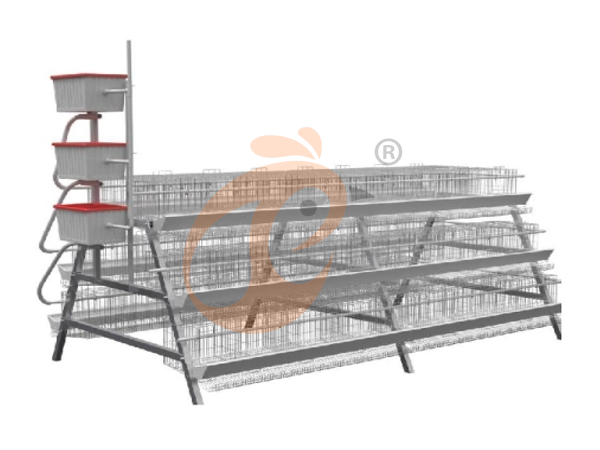
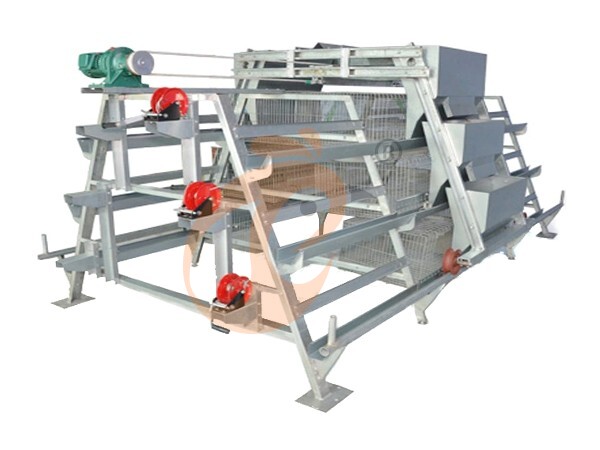
5. Our 24 hour online reception What’sApp NO. is +8618830120193 <30,000 Pullets Automatic A Type Battery Cage1. 10,000 to 30,000 pullets a house, choose it.
2. It is designed to rearing older than 1 day old pullets to 12 to 16 weeks old chicken starting laying eggs.
3. Its lifespan is more than 25 years.
4. Its structure are Vcloud artificial intelligent fusion, electric control cabinet, automatic equipment of drinking, feeding, manure clean, manual harvesting.
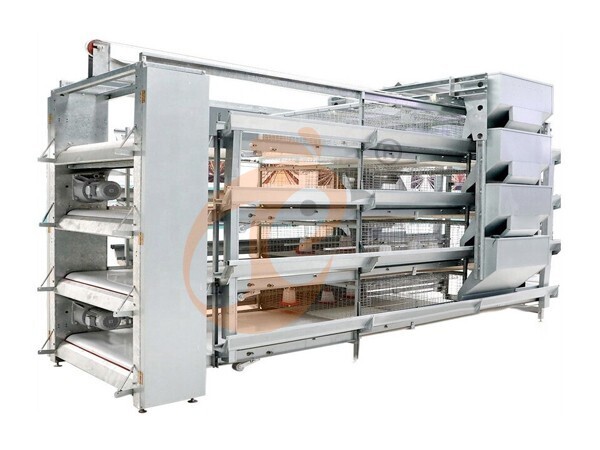
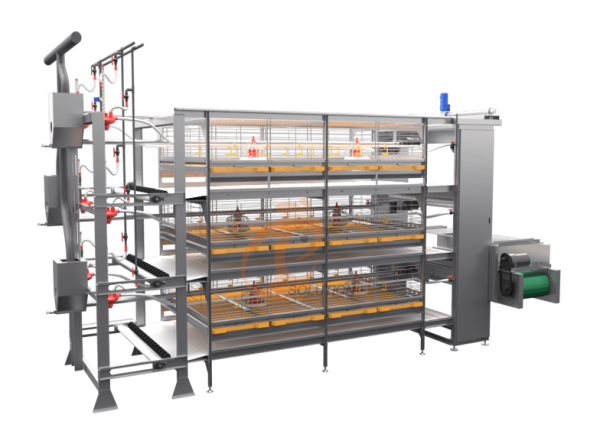
5. Our 24 hour online reception What’sApp NO. is +86 18830120193. >30,000 Broilers Semi-Automatic Harvest H Type Battery Cage1. More than 30,000 broilers a house, choose it.
2. It is designed to rearing 1 to 45 day old adult broiler ready for market.
3. Its lifespan is more than 20 years.
4. Our 24 hour online reception What’sApp NO. is +8618830120193, +234 8111199996. >30,000 Broilers Manual Harvest H Type Battery Cage1. More than 30,000 broilers a house, choose it.
2. It is designed to rearing 1 to 45 day old adult broiler ready for market.
3. Its lifespan is more than 20 years.
4. Its structure are Vcloud artificial intelligent fusion, electric control cabinet, automatic equipment of drinking, feeding and manure clean, manual harvesting.
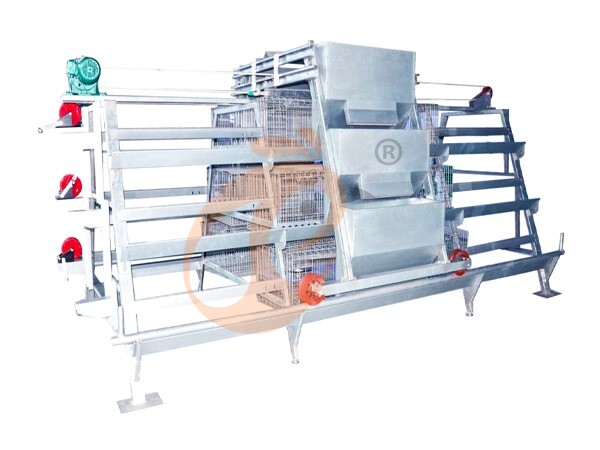
5. Our 24 hour online reception What’sApp NO. is +8618830120193, +234 8111199996. <30,000 Broilers Manual Harvest A Type Battery Cage1. Less 30,000 broilers a house, choose it.
2. It is designed to rearing 1 to 45 day old adult broiler ready for market.
3. Its lifespan is more than 20 years.
4. Its structure are Vcloud artificial intelligent fusion, electric control cabinet, automatic equipment of drinking, feeding and manure clean, manual harvesting.
5. Our 24 hour online reception What’sApp NO. is +8618830120193, +234 8111199996. HK Headquarter Offers EU-standard Poultry Farm Solutions, Manufacture Poultry Farm Equipment1. Continuous communication with the EU and the US
2. China, Nigeria, Ethiopia, Tanzania branch companies and factories
3. The products’ quality is customized for local poultry farms
4. Poultry cage and poultry farm equipment stock for sale
5. 24 online reception Whatsapp NO. : +8618830120193,contact us to get full information China Branch Offer Poultry Farm Business Plan, Manufacture Poultry Farm Equipment1. Address: Flat/RM 2416, 24/F, Runxing Building, Youyi Nan Street, Shijiazhuang City, Hebei Province, China
2. Poultry cage and poultry farm equipment factory and stock for sale
3. Customized for local poultry farms
4. Quality and design are based on Euro
5. 24 online reception Whatsapp NO. : +8618830120193 Nigeria Branch Offer Poultry Farm Business Plan, Manufacture Poultry Farm Equipment1. Address: After Sinoma Office, 200 Meters Near Danco Filling Station, Lagos/Ibadan Expressway, Lagos State, Nigeria
2. Poultry cage and poultry farm equipment factory and stock for sale
3. Customized for Nigerian poultry farms
4. Quality and design are based on Euro
5. 24 online reception Whatsapp NO. : +8618830120193 Ethiopia Branch Offer Poultry Farm Business Plan, Manufacture Poultry Farm Equipment1. Address: Gelan Gura, Akaki-kaliti Sub City, Addis Ababa, Ethiopia
2. Poultry cage and poultry farm equipment stock for sale
3. Customized for Ethiopian poultry farms
4. Quality and design are based on Euro
5. 24 online reception Whatsapp NO. : +8618830120193, contact us to get price list Tanzania Branch Offer Poultry Farm Business Plan, Manufacture Poultry Farm Equipment1. Address: No.8, Sova Road, Msufini, Mlandizi, Kibaha, Pwani, Tanzania
2. Poultry cage and poultry farm equipment factory and stock for sale
3. Customized for Tanzanian poultry farms
4. Quality and design are based on Euro
5. 24 online reception Whatsapp NO. : +8618830120193


Contact