


Blog
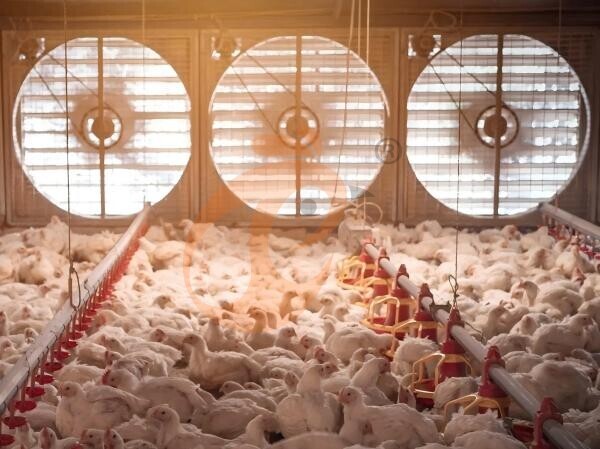
Nipple drinker system design starts with bird capacity, water demand, and a 120-meter house layout.
Poultry drinking system planning balances hygiene, accessibility, pressure stability, and 2.5-bar operating conditions.
Automatic chicken drinking system selection connects stainless-steel nipples, filtration, suspension, and 1.2-liter-per-minute flow targets.
Commercial equipment planning also considers 24-hour consumption monitoring, flushing access, service intervals, and 8-year component expectations.
Professional engineering converts individual drinkers into scalable poultry-house infrastructure, supporting installation efficiency, maintenance control, automation readiness, reliable production, expansion planning, practical commissioning, and long-term performance for broilers, layers, and breeders across farm sizes worldwide under varied climate conditions.
Get professional poultry farm construction guidance, equipment selection solutions, and the latest price lists, whatsApp to +8618830120193, click to learn more:
Planning Tip #1: Calculate The Drinking Line Before Buying Equipment
Start with one question: how many birds must the nipple drinker system serve?
Bird population, bird type, age, nipple flow rate, and house dimensions should determine the configuration, while a 120-meter house may require different engineering from a compact 60-meter facility.
A professional poultry drinking system supplier can calculate the layout according to actual farm conditions instead of offering a generic package.
Use a simple planning sequence: flock capacity → house dimensions → drinking-line layout → nipple quantity → water-pressure design → supporting equipment.
For commercial projects, an automatic chicken drinking system configured around actual demand can improve equipment utilization and reduce unnecessary installation complexity, with approximately 25 mm of drinking-pipe diameter serving as a common project reference.
Nipple Selection: Which Configuration Fits Your Flock
Data is for reference only.Swipe horizontally to view full table.
A nipple drinker system depends heavily on nipple precision, with stainless-steel construction and approximately 0.3-second activation response supporting reliable daily operation.
A poultry drinking system with properly selected components can reduce inconsistent activation across different production stages, while a 1.5 mm sealing interface can support repeatable valve closure.
Automatic chicken drinking system configurations should therefore consider material durability, sealing precision, and expected service life rather than purchase price alone.
Pressure Control: Build Stability Into The System
Data is for reference only.Swipe horizontally to view full table.
Picture a long poultry house.
A nipple drinker system extending across 100 meters can experience uneven delivery when pipe sizing, pressure regulation, or line leveling is poorly engineered.
A professional poultry drinking system combines filtration, regulation, distribution, and flushing into one coordinated network, with a 1.0-meter regulator assembly providing a practical installation reference for accessible servicing.
For an automatic chicken drinking system, pressure adjustment around 2.5 bar may be used as a project reference, but final settings should follow nipple specifications and actual water conditions.
Complete equipment integration gives farms one engineering solution rather than disconnected components from multiple suppliers.
Planning Tip #2: Adjust The Line To The Birds
Use the bird as the measurement reference.
A nipple drinker system should maintain an appropriate drinking position as birds grow, because young chicks and mature birds require different access heights.
Adjustable suspension allows drinking lines to move through different production stages, with approximately 5–15 cm of adjustment often useful during routine flock management.
A poultry drinking system designed around bird posture can help reduce unnecessary splashing and improve access, while a suspension wire length of approximately 2.0 meters can accommodate common poultry-house ceiling arrangements.
An automatic chicken drinking system becomes more practical when suspension, nipple height, and house management are engineered as one system.
Installation Checklist For A Professional Drinking System
Data is for reference only.Swipe horizontally to view full table.
A nipple drinker system performs best when installation accuracy is controlled from the first section to the final outlet.
A poultry drinking system should maintain line level differences within practical installation tolerances, while secure connections can help prevent leakage during continuous operation.
Automatic chicken drinking system projects also benefit from commissioning checks covering suspension tension, connection sealing, pressure response, and approximately 30-minute flushing procedures.
Water Management: Protect Birds And Equipment
Data is for reference only.Swipe horizontally to view full table.
Follow the water path from source to bird.
A nipple drinker system can remain more reliable when incoming water receives suitable filtration before reaching sensitive drinking components.
A poultry drinking system should be assessed according to sediment level, mineral content, and approximately 24-hour water-use patterns rather than relying on a universal treatment specification.
Automatic chicken drinking system equipment benefits from coordinated filtration, monitoring, and flushing because water management directly influences component protection and maintenance frequency, with 10–20 minutes providing a practical routine inspection window.
Planning Tip #3: Compare The Complete Watering Method
Think in operating results, not individual components.
A nipple drinker system provides a controlled drinking point compared with exposed watering equipment, helping farms pursue cleaner water delivery and more organized house management.
A modern poultry drinking system can also connect water meters and flushing equipment, creating a more measurable operating process, with approximately 30 seconds required for a standard consumption-recording check.
Automatic chicken drinking system designs are particularly suitable for farms targeting reduced manual intervention, with routine inspection potentially structured around 7-day maintenance cycles.
Traditional Watering Vs. Modern Nipple Drinking
Data is for reference only.Swipe horizontally to view full table.
A nipple drinker system can contribute to a more controlled poultry-house environment when correct height and flow are maintained.
A poultry drinking system also creates opportunities for water-consumption monitoring, helping managers compare daily demand against flock conditions.
Automatic chicken drinking system integration becomes increasingly valuable where farms operate multiple houses and need standardized equipment management across approximately 5–20 production buildings.
Planning Tip #4: Design Maintenance Before Installation
Run a maintenance audit before approving the equipment.
Ask four practical questions for the nipple drinker system: Can workers inspect the line, adjust pressure, flush pipelines, and replace worn nipples without unnecessary downtime?
A poultry drinking system should provide accessible filters, regulators, end flushing points, and serviceable connections.
Automatic chicken drinking system projects should also define inspection intervals, with monthly component reviews providing one practical reference for organized maintenance.
Good equipment does not eliminate maintenance; good engineering makes maintenance faster, clearer, and more predictable, with approximately 15 minutes allocated for a routine drinking-line inspection.
Supplier Capability: What Should You Expect?
Data is for reference only.Swipe horizontally to view full table.
A nipple drinker system supplier should understand house dimensions, flock capacity, water conditions, and equipment integration before issuing a commercial specification.
A poultry drinking system manufacturer with engineering capability can coordinate nipples, pipes, regulators, filters, suspension, and flushing equipment under one project package.
Automatic chicken drinking system projects also benefit from technical drawings, installation guidance, spare-parts planning, and commissioning support, especially for international projects with 30–90 day installation schedules.
Planning Tip #5: Buy A Complete Drinking Solution
Use a five-point purchasing formula.
1 — Nipple quality.
2 — Pipeline design.
3 — Pressure control.
4 — Filtration and flushing.
5 — Technical service.
A nipple drinker system becomes a stronger commercial investment when all five elements are engineered together.
A poultry drinking system should match the actual house, flock, water source, and management model, while project documentation can define equipment quantities and approximately 8-year expected service targets.
An automatic chicken drinking system should therefore be evaluated as complete poultry-house infrastructure rather than as a collection of individual nipples.
Frequently Asked Questions
Q1: How many birds can one nipple drinker serve?
A nipple drinker system commonly uses different bird-to-nipple ratios depending on bird type, age, and nipple flow rate.
A practical commercial design may use approximately 10–15 birds per nipple as an initial engineering reference, followed by adjustment according to actual flock performance.
Q2: Why is pressure control important in a nipple drinker system?
A nipple drinker system requires stable pressure to maintain predictable water delivery along the drinking line.
Poultry drinking system pressure should follow manufacturer specifications, with approximately 2.5 bar serving only as a reference point for preliminary project discussion.
Q3: What equipment should be included in a complete system?
An automatic chicken drinking system normally combines nipples, drinking pipes, filters, pressure regulators, suspension components, water meters, and flushing equipment.
Complete configuration helps improve compatibility and simplifies installation, commissioning, and long-term maintenance.
Taiyu (HK) Group - One Of China Largest Nipple Drinker System Manufacturer
Nipple drinker system solutions use precision stainless-steel nipples, adjustable lines, filtration, and pressure-control components for commercial poultry houses, with flow rates configurable around 1.2 liters per minute.
Global factory-direct sales provide integrated poultry equipment packages covering drinking systems, feeding systems, environmental controls, ventilation equipment, and house automation for international projects.
Turn-key engineering supports project planning, equipment configuration, production coordination, installation guidance, commissioning, and after-sales technical service under one commercial specification.
Poultry equipment packages can be customized for broiler, layer, breeder, and multi-house operations, with engineering documentation aligned to project capacity and building dimensions.
Export-oriented production supports global procurement, spare-parts planning, technical communication, and scalable equipment delivery for new construction and poultry-house upgrading projects.
Contact Us To Received Your Customized Poultry Farm Plan
Headquarters And Branchs

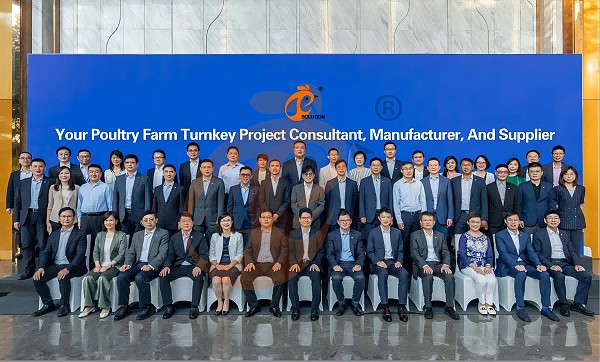
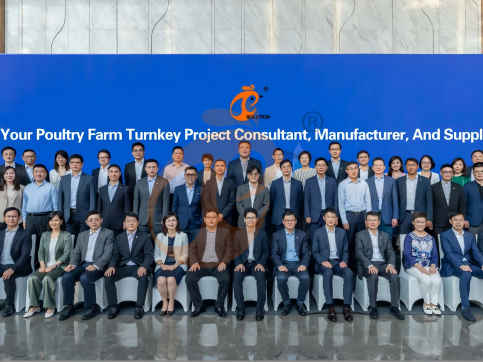
Hong Kong Headquarter Management Team
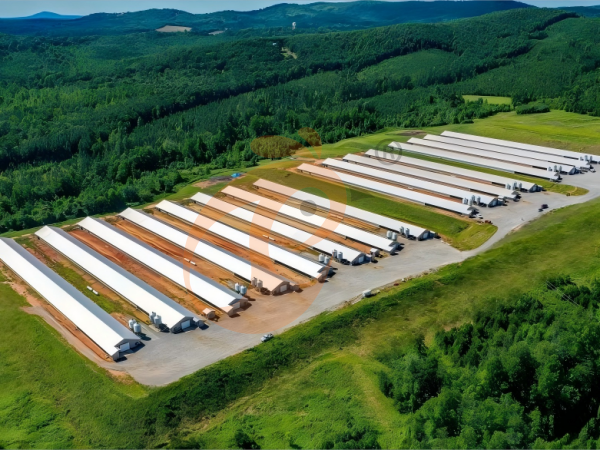
Hong Kong Headquarter Taiyu Industrial Group CO., LTD
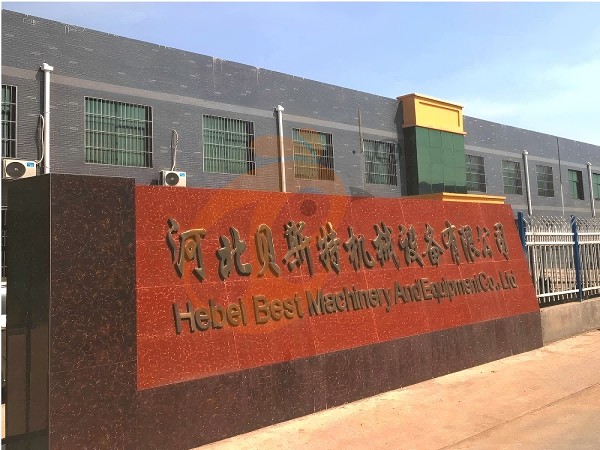
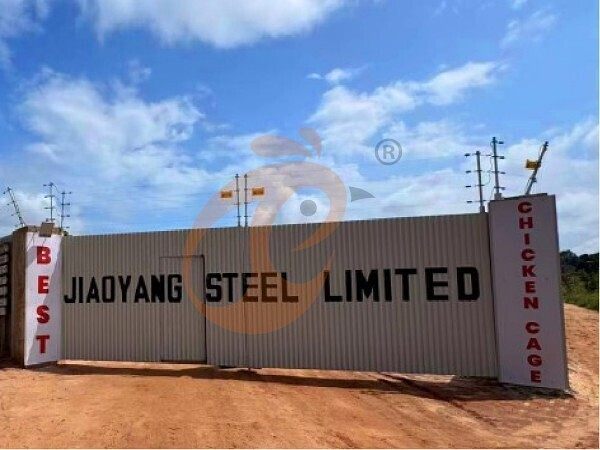
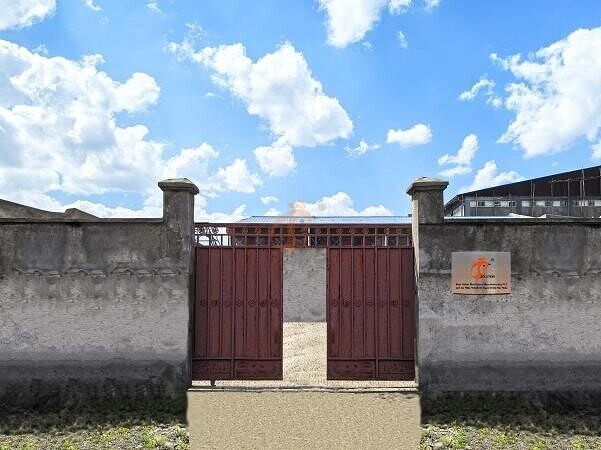
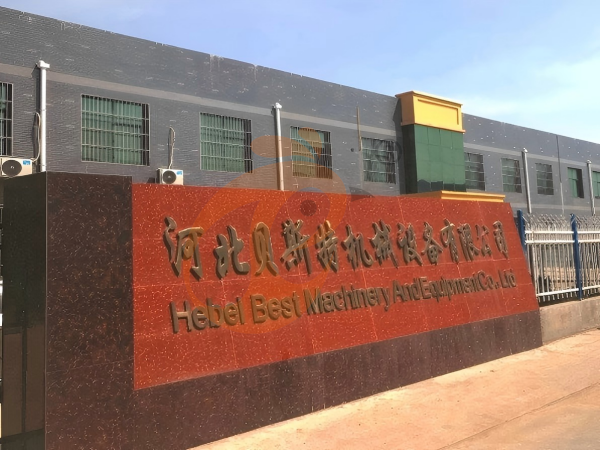
China Hebei Best Machinery And Equipment CO., LTD
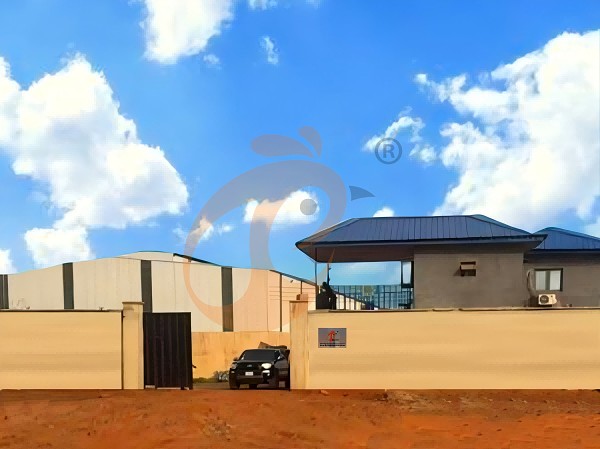
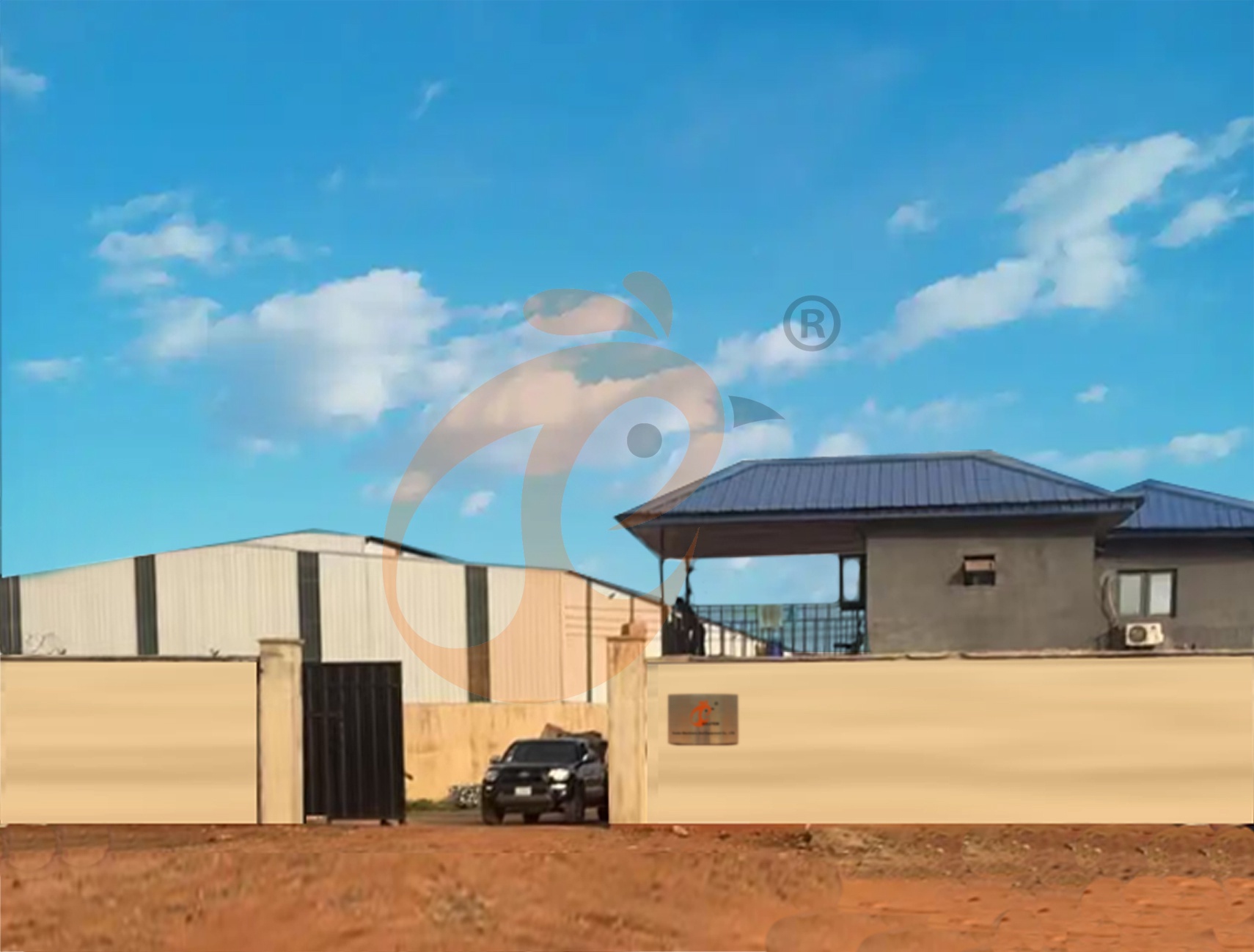
Nigeria Vanke Machinery And Equipment CO., LTD
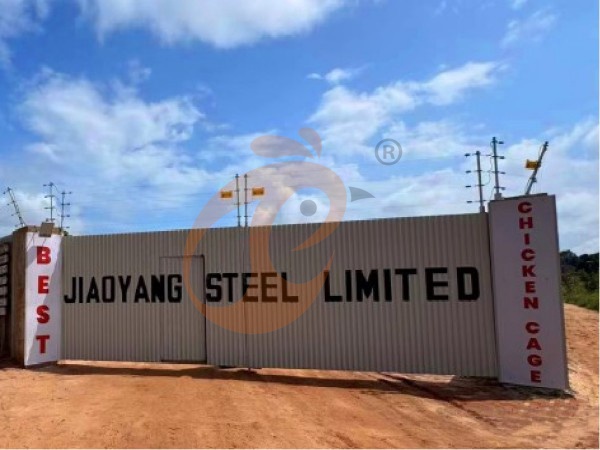
Tanzania Best Machinery And Equipment CO., LTD
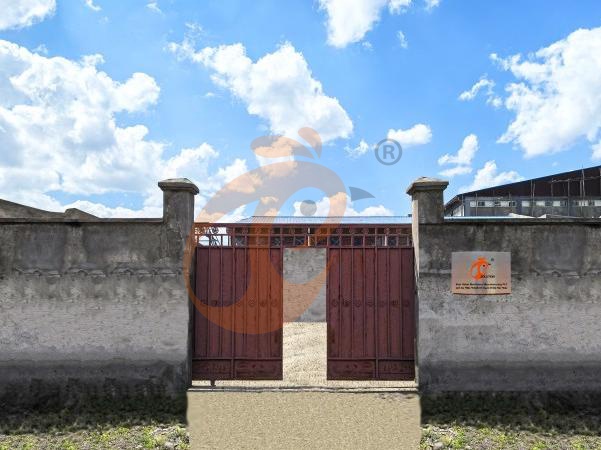
Ethiopia Best Hebei Machinery Manufacturing PLC
Reception /24 WhatsApp NO. : +8618830120193
FAQ
What Water Quality Requirements Are Necessary For Nipple Drinkers In Poultry Chicken Cage Systems?
Water hardness is maintained within 100–150 mg/L CaCO₃ equivalent for valve protection.
Microbial load is controlled under 100 CFU/mL for safe poultry consumption standards.
What Is The Recommended Stocking Ratio For Nipple Drinkers In Poultry Chicken Cage Systems?
Drinker spacing is typically set at 25–30 cm to reduce competition stress.
Water demand allocation is calculated at 180–220 ml per bird daily in intensive production.
How Is Water Flow Regulated In Nipple Drinkers For Poultry Chicken Cage Farming Systems?
Pressure stability is maintained within 0.18–0.22 MPa across drinking lines.
Drop formation interval is adjusted at 1–2 seconds per activation for efficient intake.
Message
Products recommended
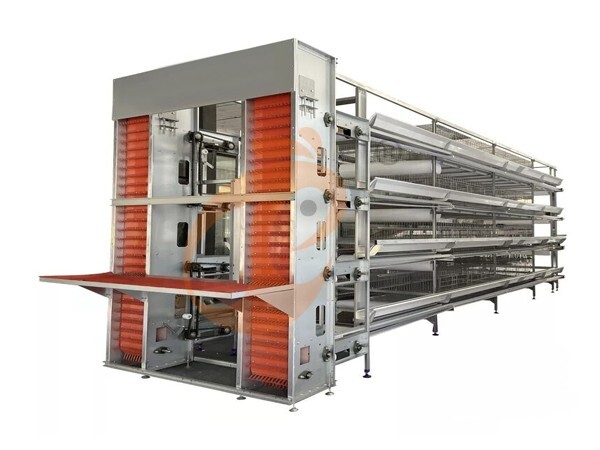
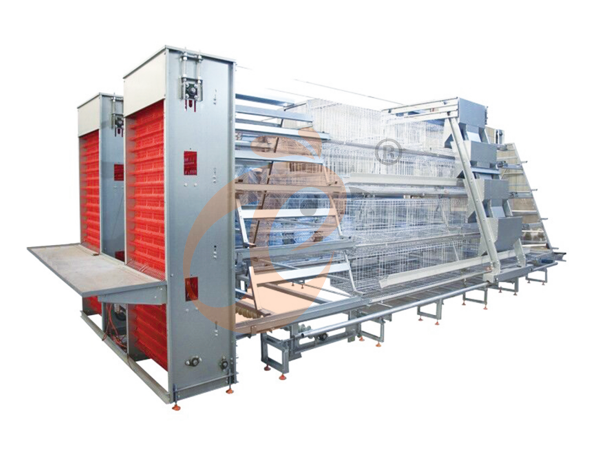
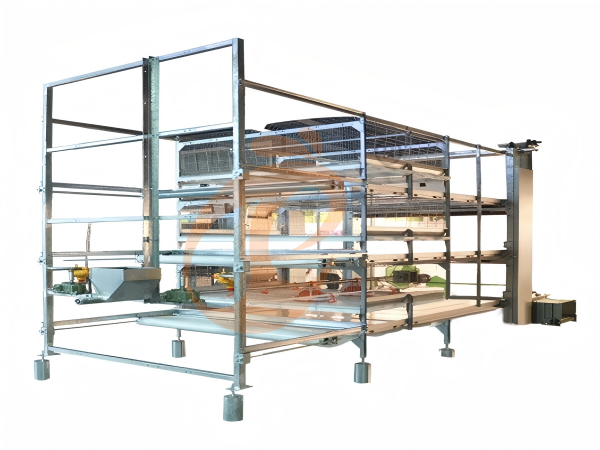
 >30,000 Pullets Automatic H Type Battery Cage1. More than 30,000 pullets a house, choose it.
2. It is designed to rearing older than 1 day old pullets to 12 to 16 weeks old chicken starting laying eggs.
3. Its lifespan is more than 25 years.
4. Its structure are Vcloud artificial intelligent fusion, electric control cabinet, automatic equipment of drinking, feeding, manure clean, manual harvesting.
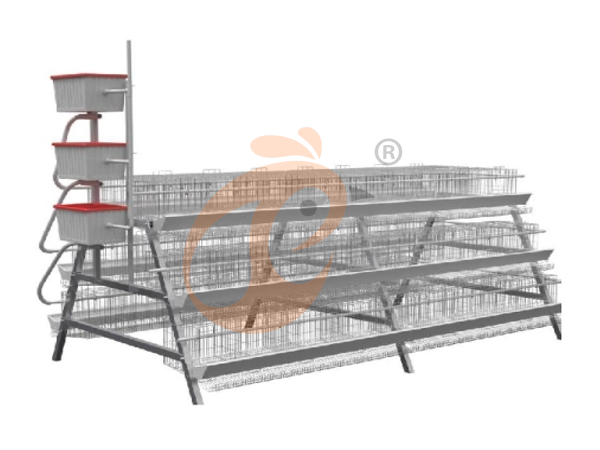
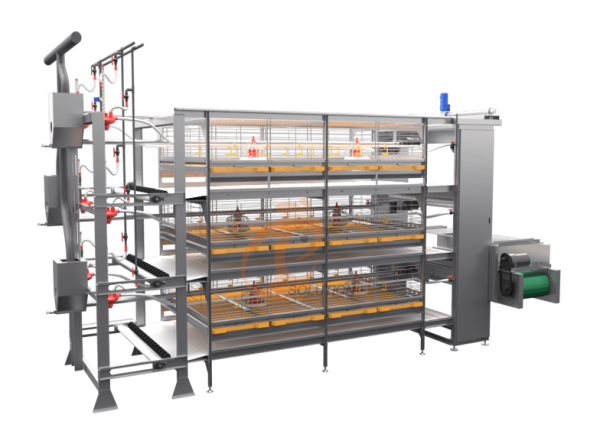
5. Our 24 hour online reception What’sApp NO. is +8618830120193 <30,000 Pullets Automatic A Type Battery Cage1. 10,000 to 30,000 pullets a house, choose it.
2. It is designed to rearing older than 1 day old pullets to 12 to 16 weeks old chicken starting laying eggs.
3. Its lifespan is more than 25 years.
4. Its structure are Vcloud artificial intelligent fusion, electric control cabinet, automatic equipment of drinking, feeding, manure clean, manual harvesting.
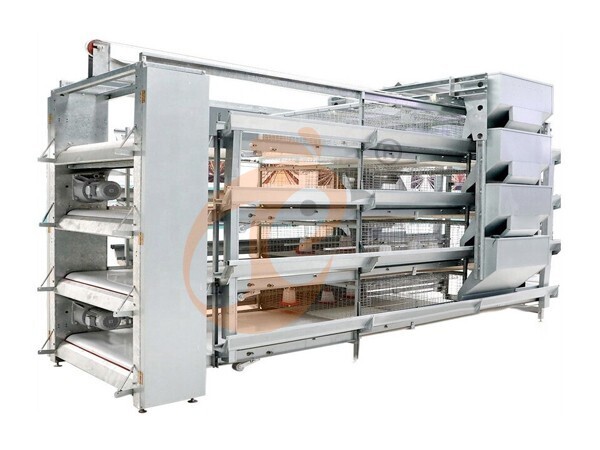
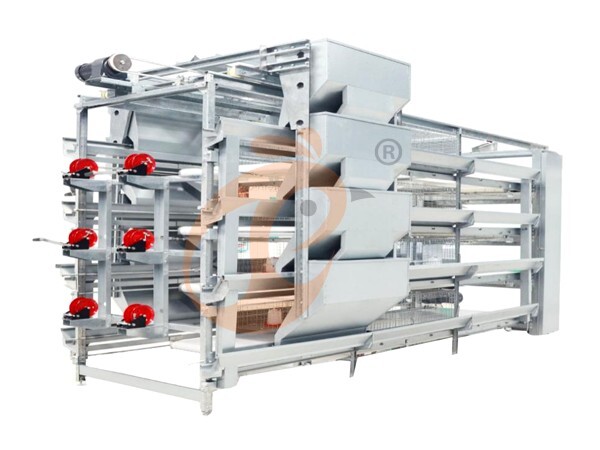
5. Our 24 hour online reception What’sApp NO. is +86 18830120193. >30,000 Broilers Semi-Automatic Harvest H Type Battery Cage1. More than 30,000 broilers a house, choose it.
2. It is designed to rearing 1 to 45 day old adult broiler ready for market.
3. Its lifespan is more than 20 years.
4. Our 24 hour online reception What’sApp NO. is +8618830120193, +234 8111199996. >30,000 Broilers Manual Harvest H Type Battery Cage1. More than 30,000 broilers a house, choose it.
2. It is designed to rearing 1 to 45 day old adult broiler ready for market.
3. Its lifespan is more than 20 years.
4. Its structure are Vcloud artificial intelligent fusion, electric control cabinet, automatic equipment of drinking, feeding and manure clean, manual harvesting.
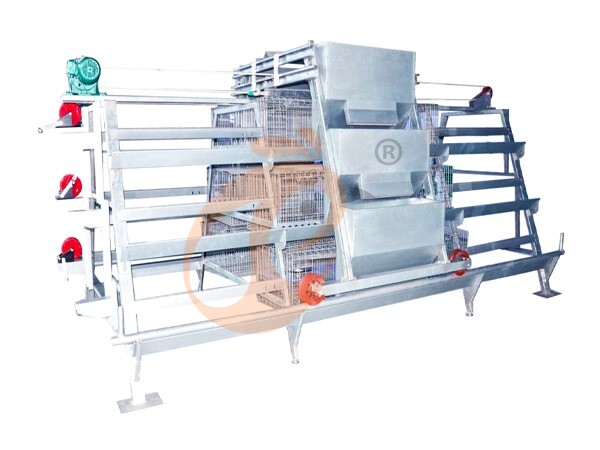
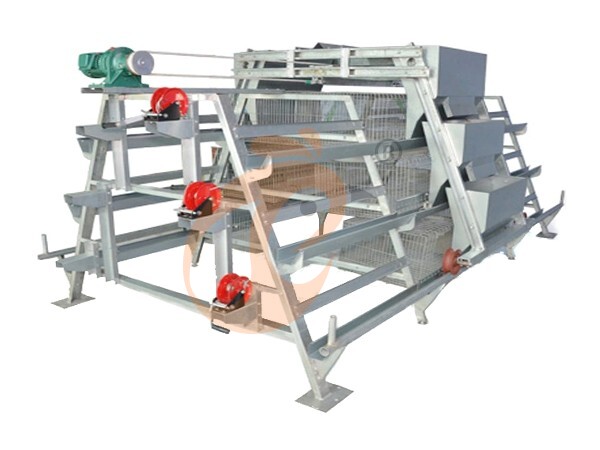
5. Our 24 hour online reception What’sApp NO. is +8618830120193, +234 8111199996. <30,000 Broilers Manual Harvest A Type Battery Cage1. Less 30,000 broilers a house, choose it.
2. It is designed to rearing 1 to 45 day old adult broiler ready for market.
3. Its lifespan is more than 20 years.
4. Its structure are Vcloud artificial intelligent fusion, electric control cabinet, automatic equipment of drinking, feeding and manure clean, manual harvesting.
5. Our 24 hour online reception What’sApp NO. is +8618830120193, +234 8111199996. HK Headquarter Offers EU-standard Poultry Farm Solutions, Manufacture Poultry Farm Equipment1. Continuous communication with the EU and the US
2. China, Nigeria, Ethiopia, Tanzania branch companies and factories
3. The products’ quality is customized for local poultry farms
4. Poultry cage and poultry farm equipment stock for sale
5. 24 online reception Whatsapp NO. : +8618830120193,contact us to get full information China Branch Offer Poultry Farm Business Plan, Manufacture Poultry Farm Equipment1. Address: Flat/RM 2416, 24/F, Runxing Building, Youyi Nan Street, Shijiazhuang City, Hebei Province, China
2. Poultry cage and poultry farm equipment factory and stock for sale
3. Customized for local poultry farms
4. Quality and design are based on Euro
5. 24 online reception Whatsapp NO. : +8618830120193 Nigeria Branch Offer Poultry Farm Business Plan, Manufacture Poultry Farm Equipment1. Address: After Sinoma Office, 200 Meters Near Danco Filling Station, Lagos/Ibadan Expressway, Lagos State, Nigeria
2. Poultry cage and poultry farm equipment factory and stock for sale
3. Customized for Nigerian poultry farms
4. Quality and design are based on Euro
5. 24 online reception Whatsapp NO. : +8618830120193 Ethiopia Branch Offer Poultry Farm Business Plan, Manufacture Poultry Farm Equipment1. Address: Gelan Gura, Akaki-kaliti Sub City, Addis Ababa, Ethiopia
2. Poultry cage and poultry farm equipment stock for sale
3. Customized for Ethiopian poultry farms
4. Quality and design are based on Euro
5. 24 online reception Whatsapp NO. : +8618830120193, contact us to get price list Tanzania Branch Offer Poultry Farm Business Plan, Manufacture Poultry Farm Equipment1. Address: No.8, Sova Road, Msufini, Mlandizi, Kibaha, Pwani, Tanzania
2. Poultry cage and poultry farm equipment factory and stock for sale
3. Customized for Tanzanian poultry farms
4. Quality and design are based on Euro
5. 24 online reception Whatsapp NO. : +8618830120193


Contact