


Blog
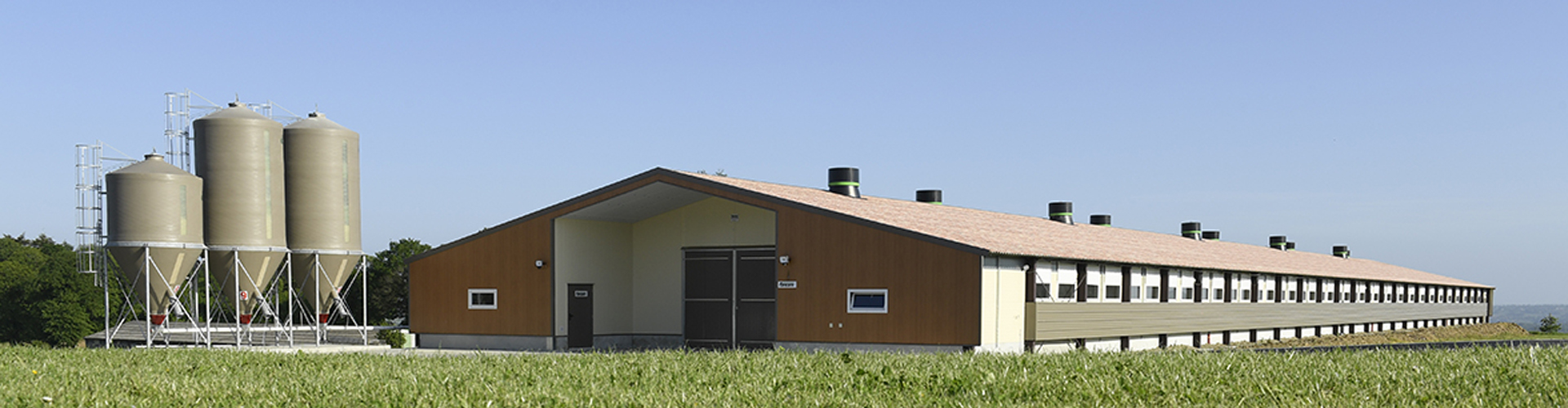
Deep litter poultry house design integrates structural engineering ventilation management bedding system optimization and flock density control into one production framework.
System architecture directly influences ammonia concentration moisture balance and microbial decomposition efficiency.
Proper layout design stabilizes internal microclimate and improves broiler weight gain performance consistency.
Engineering parameters determine airflow velocity heat retention and waste conversion rate.
Commercial poultry farms depend on standardized spatial configuration and measurable environmental control data.
Get professional poultry farm construction guidance, equipment selection solutions, and the latest price lists, whatsApp to +8618830120193, click to learn more:
Structural Layout And House Dimensions
A deep litter poultry house functions as a controlled environmental production asset where geometric accuracy determines airflow distribution and operational efficiency.
Structural stability directly impacts litter fermentation uniformity and gas exchange performance across the entire building envelope.
Data is for reference only.Swipe horizontally to view full table.
Uniform geometric ratio improves air velocity consistency and reduces ammonia stratification zones inside poultry housing systems.
Site Orientation And Environmental Positioning
Farm positioning directly affects thermal load distribution and humidity dissipation efficiency.
Structural alignment determines solar exposure duration and wind penetration behavior across seasonal cycles.
Data is for reference only.Swipe horizontally to view full table.
Proper drainage gradient prevents water retention around foundation edges and stabilizes litter humidity during rainfall events.
Deep Litter Bedding System Engineering
Bedding system operates as a biological reactor supporting aerobic decomposition and microbial activity balance.
Organic substrate composition determines ammonia emission rate and moisture absorption efficiency inside poultry environments.
Data is for reference only.Swipe horizontally to view full table.
Rice husk remains widely applied due to stable carbon structure and controlled decomposition behavior in poultry litter systems.
Ventilation System Design And Air Exchange Rate
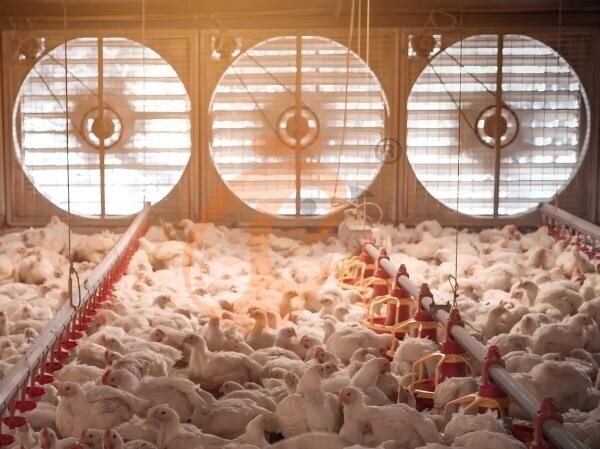
Ventilation engineering regulates oxygen renewal ammonia discharge and moisture removal through controlled airflow velocity.
Air exchange rate directly determines respiratory health and microbial stability inside poultry structures.
Data is for reference only.Swipe horizontally to view full table.
Airflow above 8 m³/hour per bird maintains ammonia concentration below regulatory threshold and stabilizes oxygen exchange balance.
Stocking Density And Spatial Distribution Engineering
Stocking density controls heat generation manure accumulation rate and litter saturation speed.
Spatial allocation determines microbial load distribution and affects growth uniformity across production cycles.
Data is for reference only.Swipe horizontally to view full table.
Excess density increases internal thermal load by 0.18–0.24°C per additional bird per square meter under limited ventilation conditions.
Feed And Water Distribution Layout
Feed distribution and water supply layout define movement patterns and waste deposition zones inside poultry systems.
Equipment positioning directly influences litter moisture concentration and microbial distribution uniformity.
Data is for reference only.Swipe horizontally to view full table.
Improper drinker spacing increases localized moisture accumulation within a 3-meter radius by 14–22 percent.
Microclimate Control And Internal Environmental Data
Microclimate regulation integrates temperature humidity and gas concentration into measurable environmental control parameters.
Deep litter fermentation contributes internal heat generation requiring balanced ventilation extraction.
Data is for reference only.Swipe horizontally to view full table.
Ammonia concentration above 25 ppm reduces feed intake efficiency and damages respiratory epithelial tissue.
Litter Management And Maintenance Cycles
Litter management operates as scheduled mechanical and biological maintenance process ensuring decomposition stability and moisture equilibrium.
System interventions maintain aerobic microbial dominance.
Data is for reference only.Swipe horizontally to view full table.
Regular turning stabilizes oxygen penetration and prevents anaerobic layer formation.
Energy Balance And Heat Production System
Internal heat generation results from microbial fermentation activity and bird metabolic output.
Energy balance reduces external heating requirement during early growth stages.
Data is for reference only.Swipe horizontally to view full table.
Total system heat generation reduces external heating demand by approximately 38 percent during first 14 production days.
Disease Control Through Structural Design
Biosecurity design uses spatial separation airflow direction and sanitation control to minimize pathogen transmission pathways.
Structural isolation reduces microbial cross contamination probability.
Data is for reference only.Swipe horizontally to view full table.
Downtime implementation reduces residual pathogen load by 87–93 percent depending on previous flock condition.
Integrated Layout Blueprint
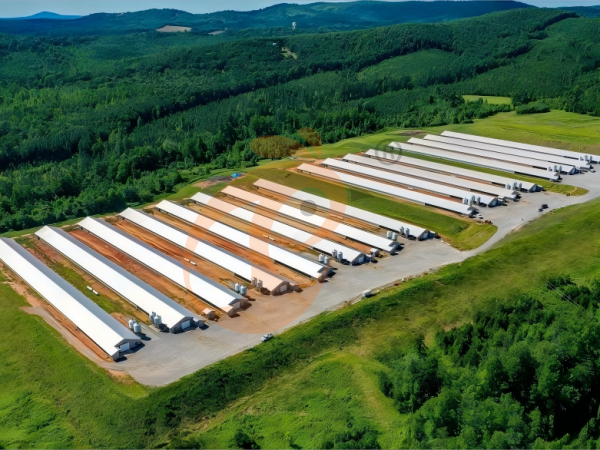
Integrated system layout combines feeding zones resting areas ventilation corridors and water distribution networks into a unified spatial engineering model.
Balanced zoning ensures stable environmental distribution.
Data is for reference only.Swipe horizontally to view full table.
Zoning structure stabilizes manure dispersion and prevents localized overload conditions.
FAQ
What Determines Deep Litter System Efficiency In Poultry Housing?
Efficiency depends on bedding depth ventilation rate and stocking density balance.
Correct airflow above 7.8 m³/hour per bird stabilizes ammonia and humidity equilibrium across full production cycle.
How Does Ventilation Impact Litter Decomposition Performance?
Ventilation controls oxygen availability inside bedding layers.
Air velocity below 1.2 m/s increases anaerobic zones while levels above 3.5 m/s improve ammonia removal and microbial oxidation efficiency.
What Structural Factor Most Affects Broiler Growth Uniformity?
Length-to-width ratio and zoning layout determine feed access distribution and movement behavior.
An 8:1 ratio supports stable airflow and reduces thermal gradient differences inside house.
Taiyu (HK) Group - One Of China Largest Deep Litter Poultry Equipment Exporter
Taiyu (HK) Group provides engineered poultry housing systems designed for commercial broiler and layer production farms worldwide.
Deep litter poultry house engineering integrates structural framing ventilation systems and automated feeding layouts for large scale poultry farms.
Global factory direct supply supports industrial poultry equipment procurement and standardized project delivery worldwide.
Turn-key poultry engineering services include farm design installation commissioning and production optimization systems.
International export capability covers poultry house systems poultry cage equipment and integrated farming infrastructure solutions.
Contact Us To Received Your Customized Poultry Farm Plan
Headquarters And Branchs

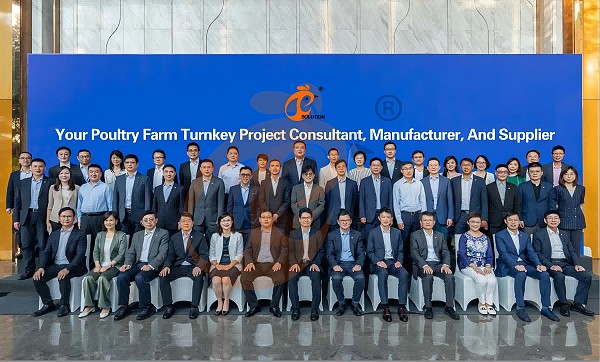
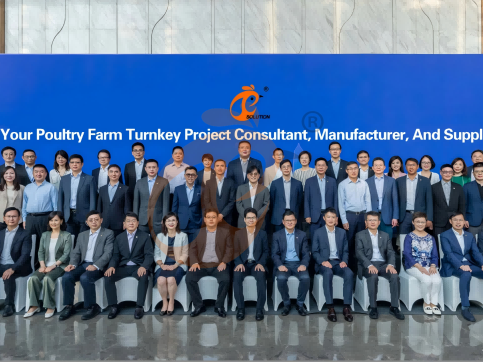
Hong Kong Headquarter Management Team
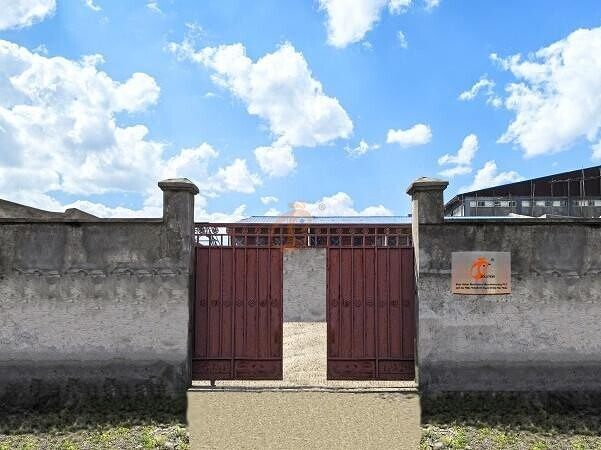
Hong Kong Headquarter Taiyu Industrial Group CO., LTD
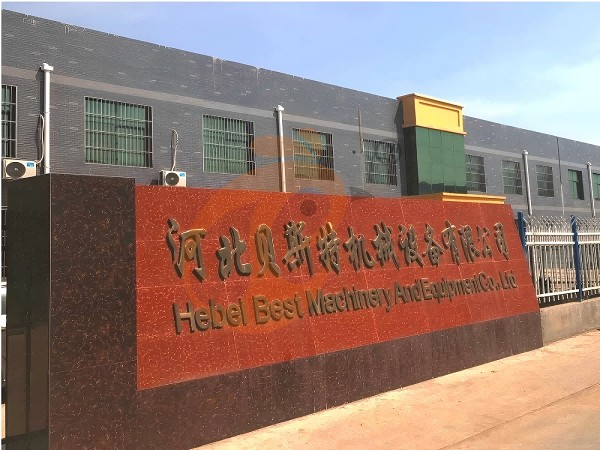
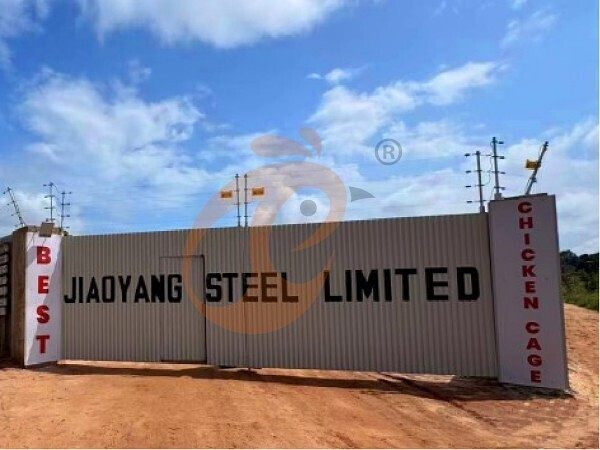
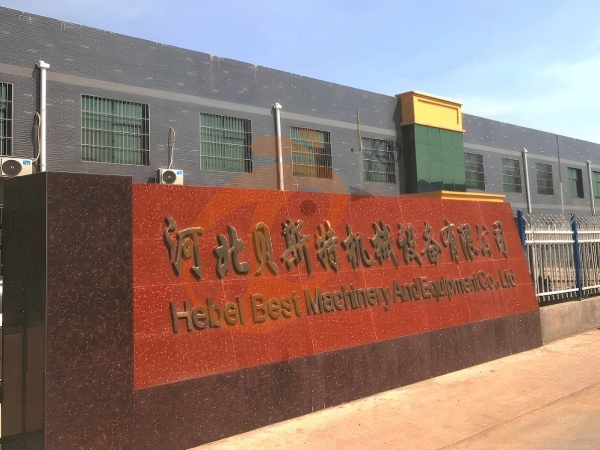
China Hebei Best Machinery And Equipment CO., LTD
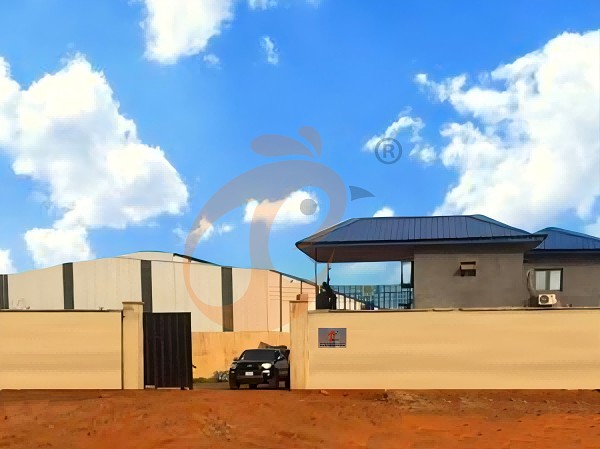
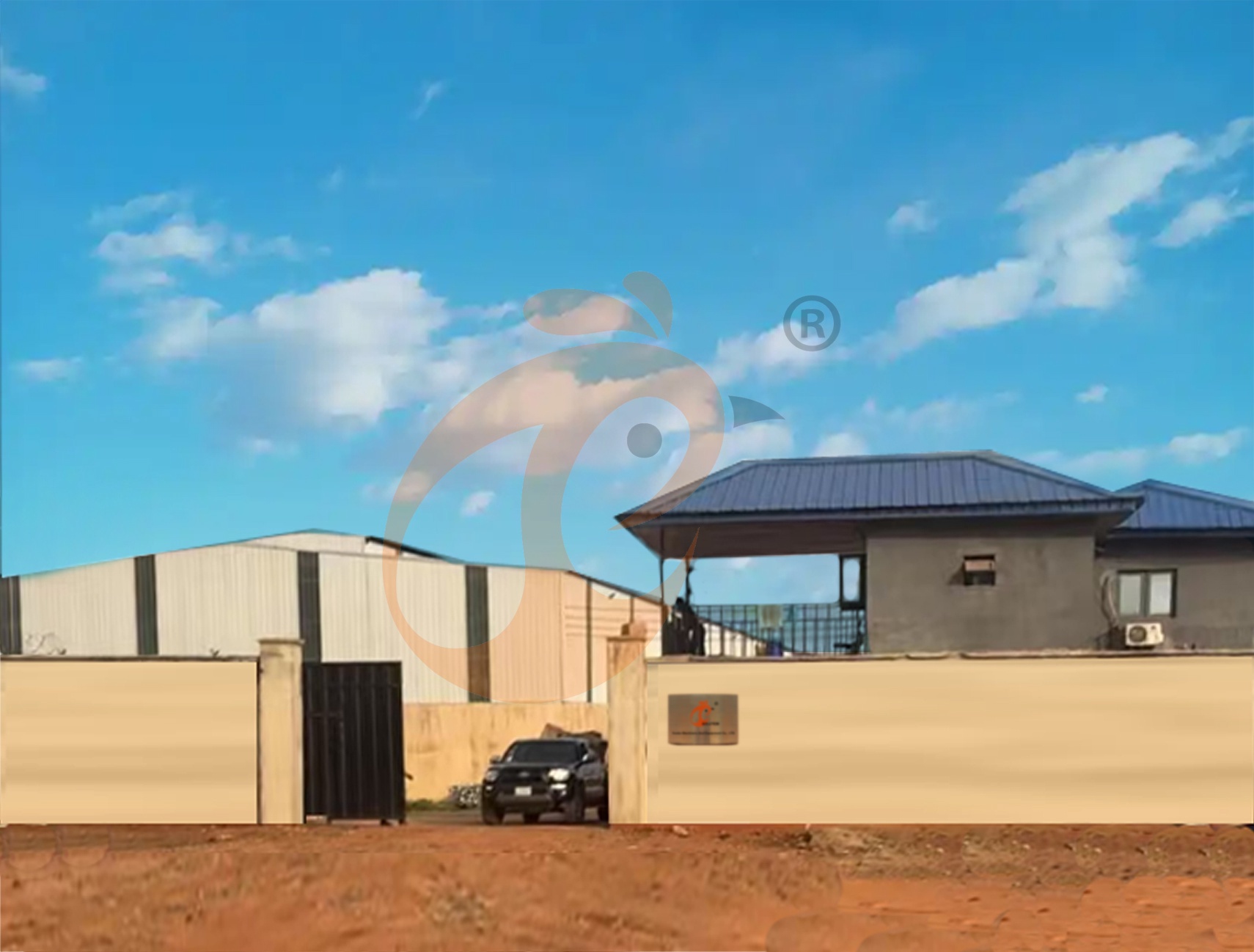
Nigeria Vanke Machinery And Equipment CO., LTD
Tanzania Best Machinery And Equipment CO., LTD
Ethiopia Best Hebei Machinery Manufacturing PLC
Reception /24 WhatsApp NO. : +8618830120193
FAQ
What Are The Ventilation Design Standards In Deep Litter Poultry System For Poultry Chicken Houses?
Airflow speed at bird level is controlled at 0.25–0.45 m/s to prevent litter drying imbalance.
Exhaust fan capacity is typically designed at 18,000–22,000 m³ per hour per unit for large houses.
What Are The Litter Fermentation Performance Requirements In Deep Litter Poultry System For Poultry Chicken Production?
Microbial decomposition efficiency converts 60%–75% of manure into stabilized organic matter.
Carbon to nitrogen ratio is maintained at 25–30:1 for optimal fermentation balance.
What Are The Moisture Management Standards In Deep Litter Poultry System For Poultry Chicken Farming?
Water absorption turnover rate reaches 1.2–1.8 liters per square meter daily under normal stocking conditions.
Evaporation efficiency is enhanced by 30%–40% through proper ventilation and litter turning.
- poultry farm
- poultry farms
- Brooder heater
- poultry house
- poultry cage
- cage
- poultry farm construction
- poultry cage equipment
- poultry house design
- poultry housing system
- deep litter system
- poultry equipment
- chickencage
- bestchickencage
- Nigeria
- commercial poultry farms
- poultry house system
- poultry housing systems
- poultry farm plan
- Ethiopia
Message
Products recommended
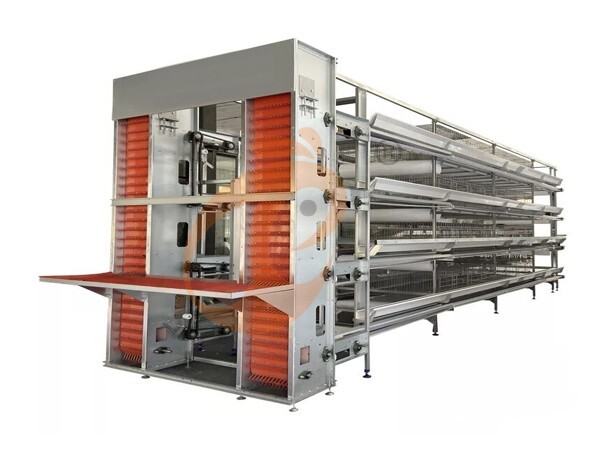
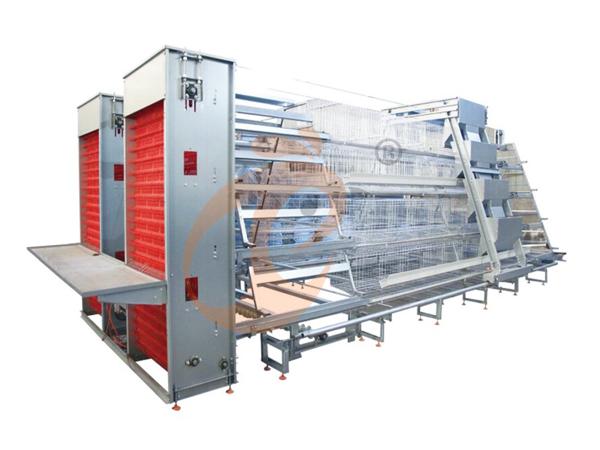
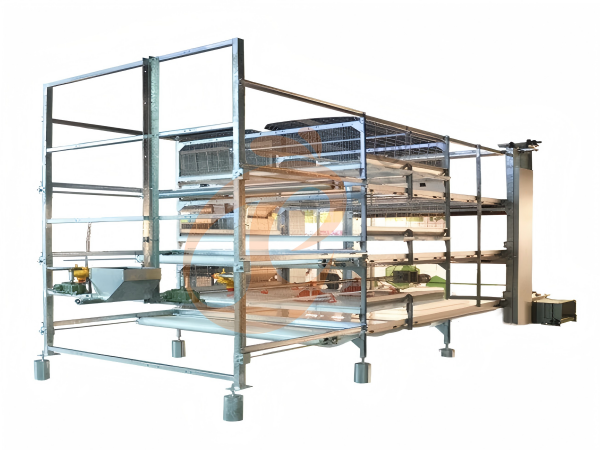
 >30,000 Pullets Automatic H Type Battery Cage1. More than 30,000 pullets a house, choose it.
2. It is designed to rearing older than 1 day old pullets to 12 to 16 weeks old chicken starting laying eggs.
3. Its lifespan is more than 25 years.
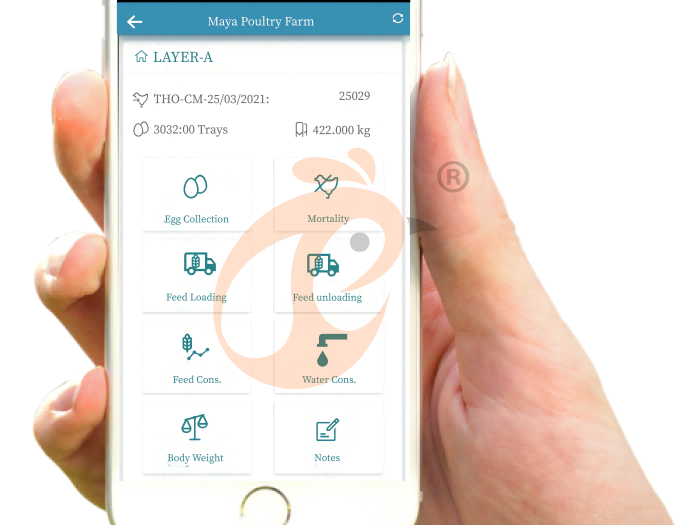
4. Its structure are Vcloud artificial intelligent fusion, electric control cabinet, automatic equipment of drinking, feeding, manure clean, manual harvesting.
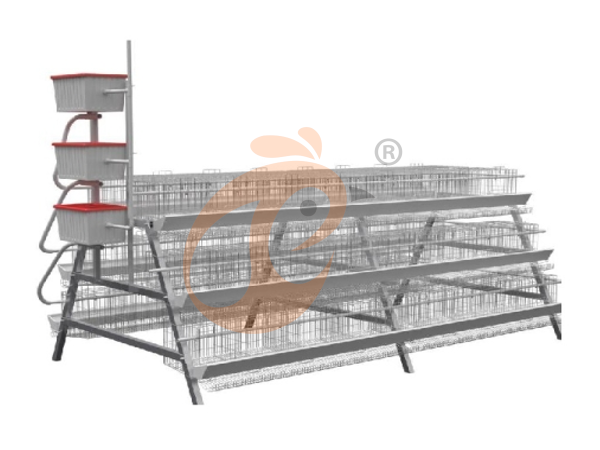
5. Our 24 hour online reception What’sApp NO. is +8618830120193 <30,000 Pullets Automatic A Type Battery Cage1. 10,000 to 30,000 pullets a house, choose it.
2. It is designed to rearing older than 1 day old pullets to 12 to 16 weeks old chicken starting laying eggs.
3. Its lifespan is more than 25 years.
4. Its structure are Vcloud artificial intelligent fusion, electric control cabinet, automatic equipment of drinking, feeding, manure clean, manual harvesting.
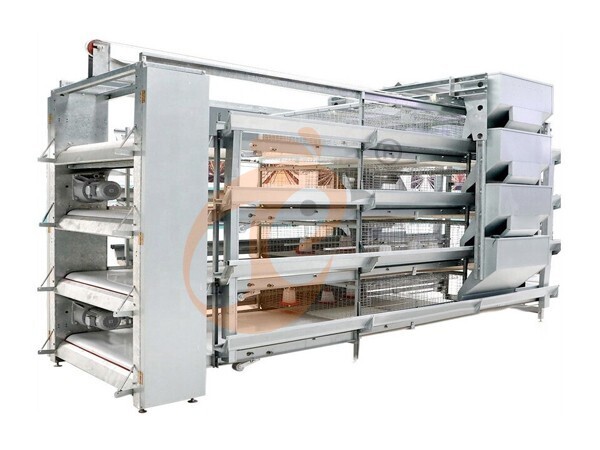
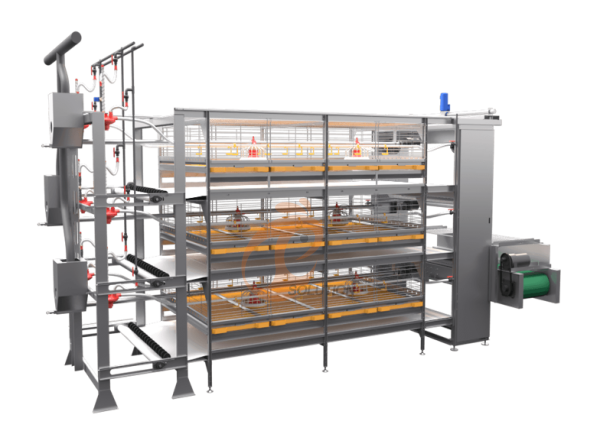
5. Our 24 hour online reception What’sApp NO. is +86 18830120193. >30,000 Broilers Semi-Automatic Harvest H Type Battery Cage1. More than 30,000 broilers a house, choose it.
2. It is designed to rearing 1 to 45 day old adult broiler ready for market.
3. Its lifespan is more than 20 years.
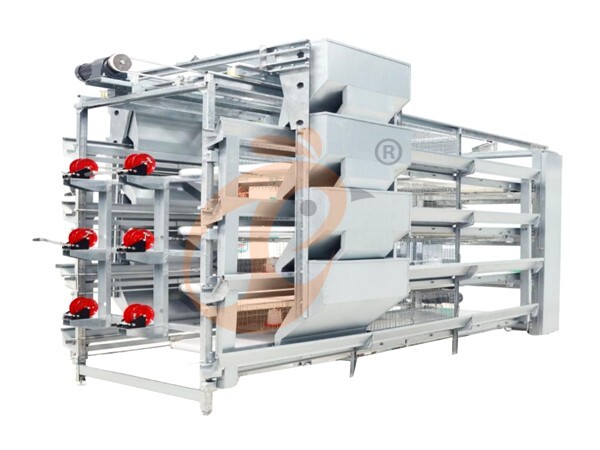
4. Our 24 hour online reception What’sApp NO. is +8618830120193, +234 8111199996. >30,000 Broilers Manual Harvest H Type Battery Cage1. More than 30,000 broilers a house, choose it.
2. It is designed to rearing 1 to 45 day old adult broiler ready for market.
3. Its lifespan is more than 20 years.
4. Its structure are Vcloud artificial intelligent fusion, electric control cabinet, automatic equipment of drinking, feeding and manure clean, manual harvesting.
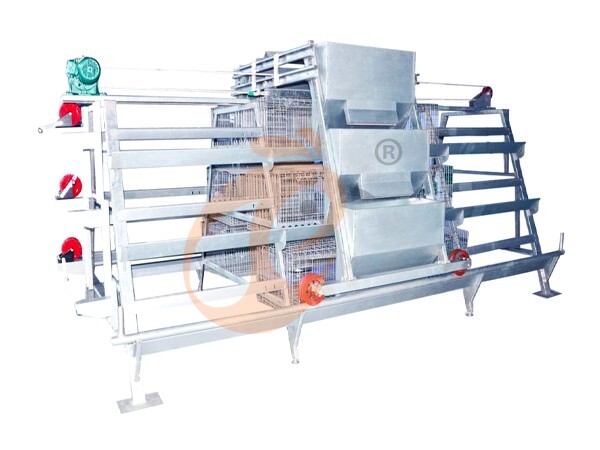
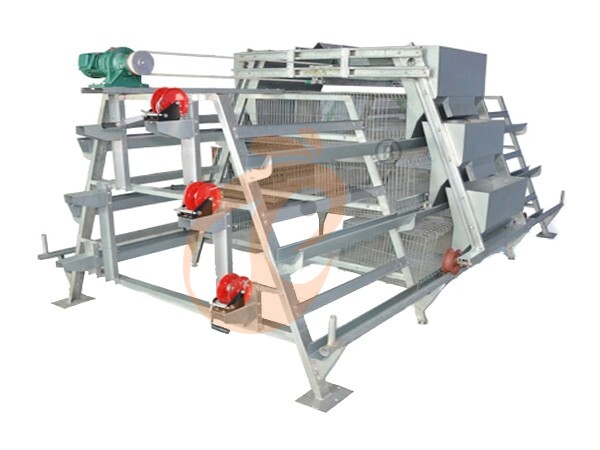
5. Our 24 hour online reception What’sApp NO. is +8618830120193, +234 8111199996. <30,000 Broilers Manual Harvest A Type Battery Cage1. Less 30,000 broilers a house, choose it.
2. It is designed to rearing 1 to 45 day old adult broiler ready for market.
3. Its lifespan is more than 20 years.
4. Its structure are Vcloud artificial intelligent fusion, electric control cabinet, automatic equipment of drinking, feeding and manure clean, manual harvesting.
5. Our 24 hour online reception What’sApp NO. is +8618830120193, +234 8111199996. HK Headquarter Offers EU-standard Poultry Farm Solutions, Manufacture Poultry Farm Equipment1. Continuous communication with the EU and the US
2. China, Nigeria, Ethiopia, Tanzania branch companies and factories
3. The products’ quality is customized for local poultry farms
4. Poultry cage and poultry farm equipment stock for sale
5. 24 online reception Whatsapp NO. : +8618830120193,contact us to get full information China Branch Offer Poultry Farm Business Plan, Manufacture Poultry Farm Equipment1. Address: Flat/RM 2416, 24/F, Runxing Building, Youyi Nan Street, Shijiazhuang City, Hebei Province, China
2. Poultry cage and poultry farm equipment factory and stock for sale
3. Customized for local poultry farms
4. Quality and design are based on Euro
5. 24 online reception Whatsapp NO. : +8618830120193 Nigeria Branch Offer Poultry Farm Business Plan, Manufacture Poultry Farm Equipment1. Address: After Sinoma Office, 200 Meters Near Danco Filling Station, Lagos/Ibadan Expressway, Lagos State, Nigeria
2. Poultry cage and poultry farm equipment factory and stock for sale
3. Customized for Nigerian poultry farms
4. Quality and design are based on Euro
5. 24 online reception Whatsapp NO. : +8618830120193 Ethiopia Branch Offer Poultry Farm Business Plan, Manufacture Poultry Farm Equipment1. Address: Gelan Gura, Akaki-kaliti Sub City, Addis Ababa, Ethiopia
2. Poultry cage and poultry farm equipment stock for sale
3. Customized for Ethiopian poultry farms
4. Quality and design are based on Euro
5. 24 online reception Whatsapp NO. : +8618830120193, contact us to get price list Tanzania Branch Offer Poultry Farm Business Plan, Manufacture Poultry Farm Equipment1. Address: No.8, Sova Road, Msufini, Mlandizi, Kibaha, Pwani, Tanzania
2. Poultry cage and poultry farm equipment factory and stock for sale
3. Customized for Tanzanian poultry farms
4. Quality and design are based on Euro
5. 24 online reception Whatsapp NO. : +8618830120193



Contact