


Products
2. Egg breakage rate 2-3%
3. Relative humidity 50-70% control range
4. Labor requirement 1 worker/5,000 birds
5. Reception /WhatsApp NO. : +8618830120193, +234 8111199996




Product description
European Standard Layer Battery Cage System
Our design and quality of layer battery cage system and equipment based on European and USA standard.
24 hours Reception WhatsApp NO. : +8618830120193.
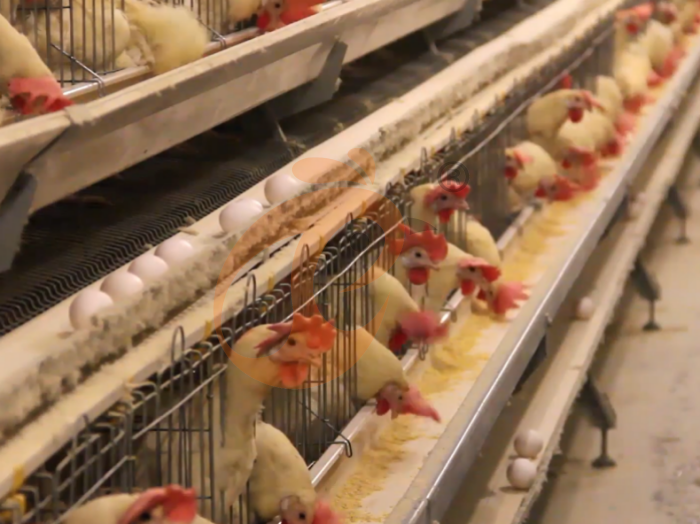
All pictures (or videos) of this pages are the application of our layer battery cage system in customers' projects. Our technicians have rich experience in localizing projects.
Recommended related battery cage
To learn more, please visit product list...
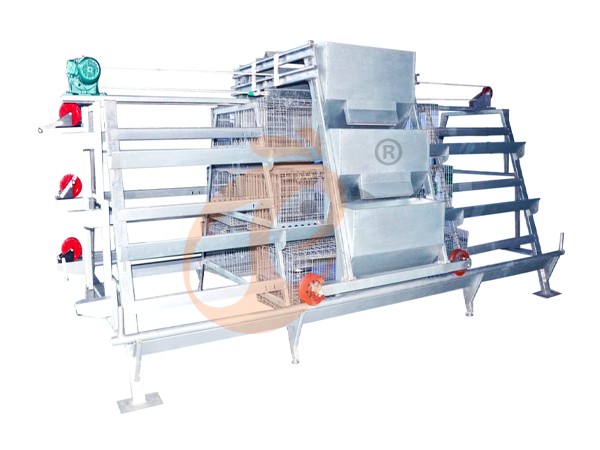
Fast choosing tips of layer cage
Brief introduction of layer battery cage
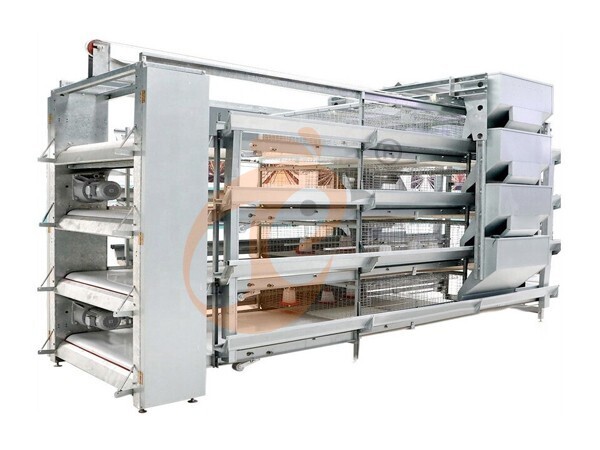
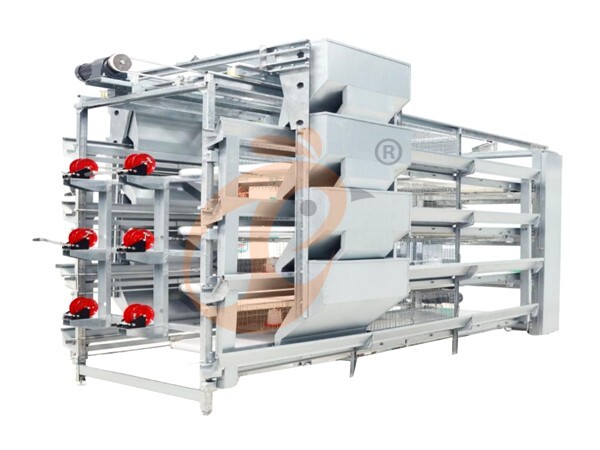
1. Semi-automatic H-type layer battery cage
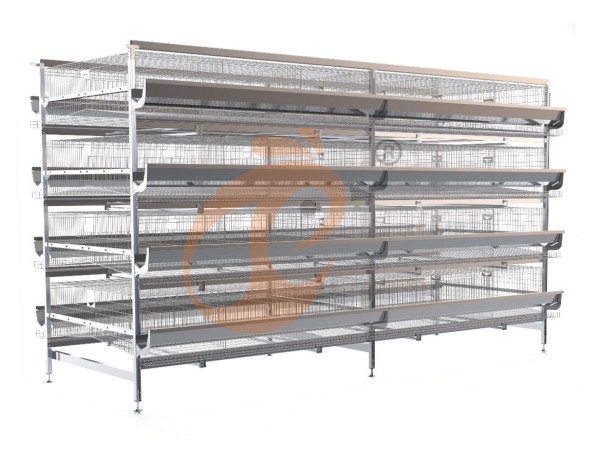
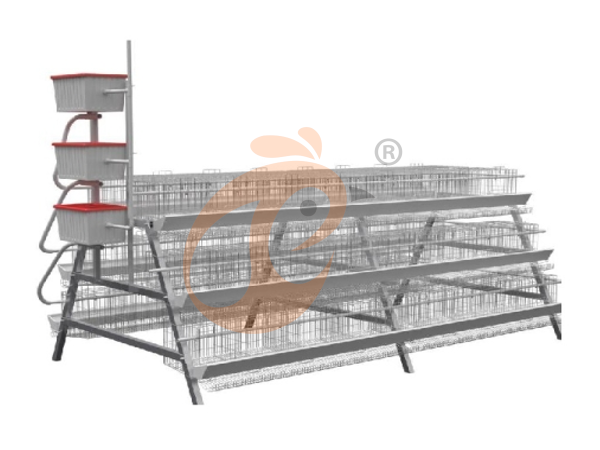
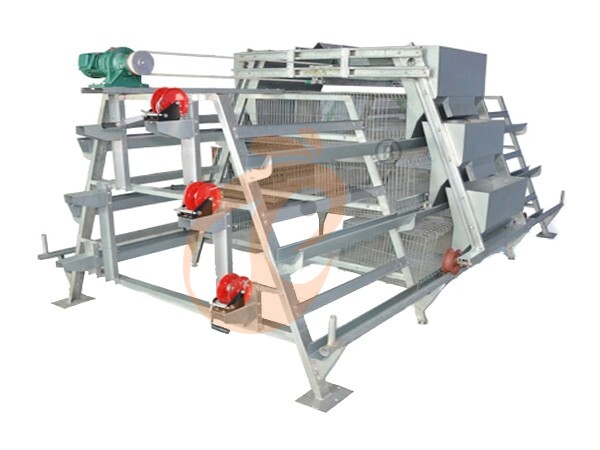
2. Semi-automatic A-type layer battery cage
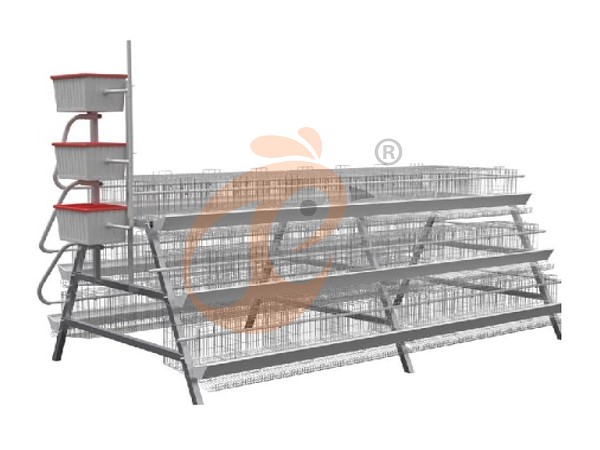
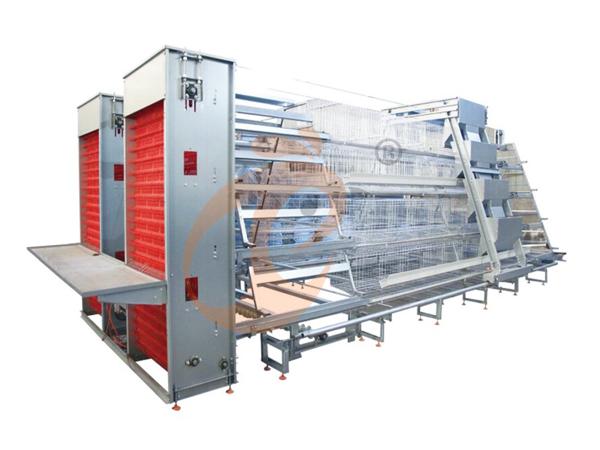
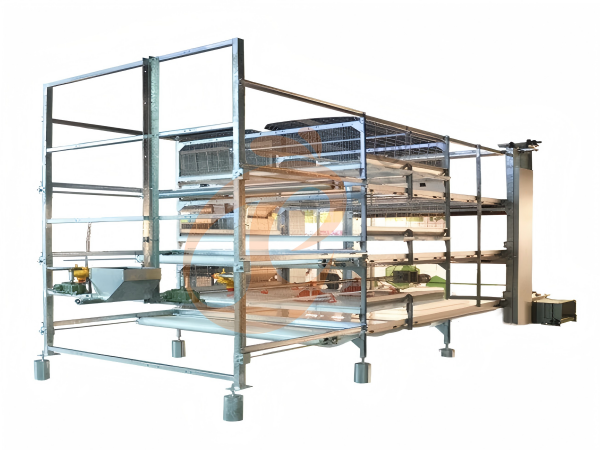
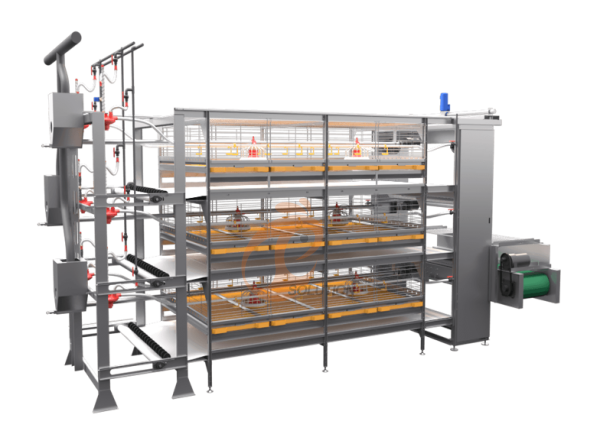
3. Fully automatic H-type layer battery cage
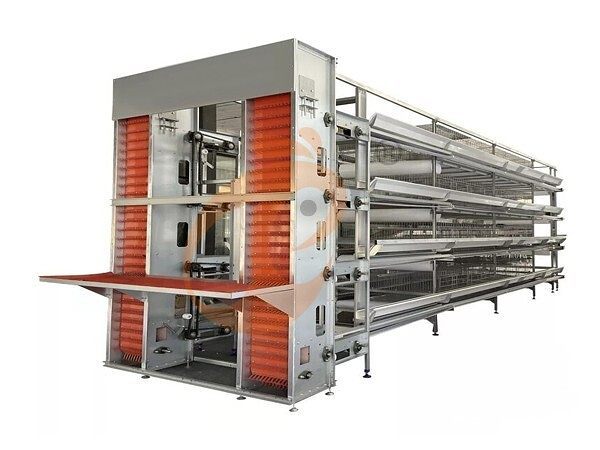
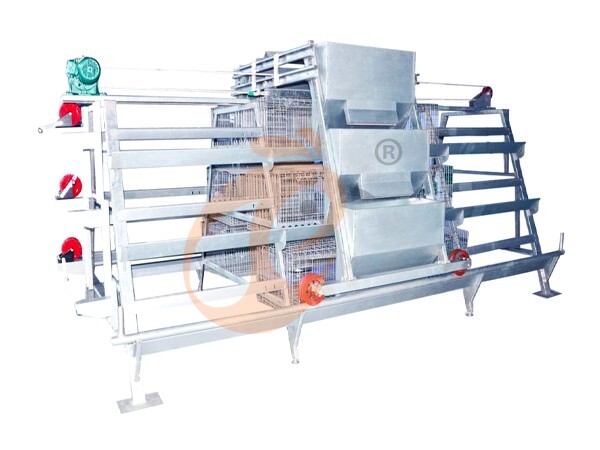
4. Fully automatic A-Type layer battery cage
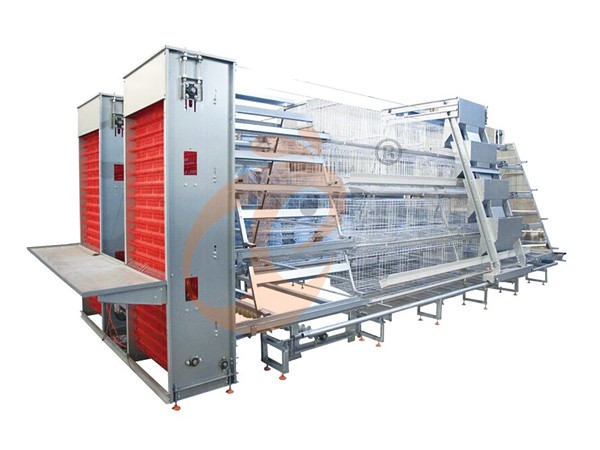
Layer quantity/house with layer battery cage
For your reference only, the following data are is estimated, The exact data is based on the actual needs of the project and customer requirements, or our exact quotation.
1. Semi-automatic H-type layer battery cage
2. Semi-automatic A-type layer battery cage
3. Fully automatic H-type layer battery cage
4. Fully automatic A-type layer battery cage
Semi-automatic H-type layer battery cage
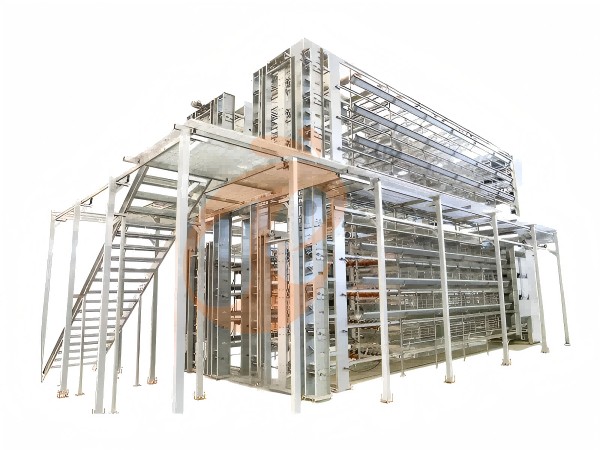
The semi-automatic H-type battery cage combines vertical stacking with manual intervention in key processes.
It maximizes space, ensuring optimal air circulation and stable environmental conditions.
Made from durable galvanized steel, it can last over 15 years with proper maintenance.
Semi-automatic H-type cage specifications
The semi-automatic system requires daily human intervention for egg collection and manure removal, making it suitable for medium-sized operations where labor availability isn't a constraint.
The feeding and watering systems are automated, ensuring consistent access to fresh resources while reducing daily maintenance time.
Semi-automatic A-type layer battery cage
The semi-automatic A-type battery cage features a triangular design that aids egg rolling and space efficiency.
Automated feeding and watering are combined with manual egg collection and manure removal, making it ideal for medium-sized operations.
Semi-automatic A-type cage performance data
The semi-automatic A-type system represents a significant step up in efficiency from traditional housing while maintaining reasonable equipment costs.
The automated feeding and watering systems ensure consistent nutrition delivery, while the natural egg rolling mechanism preserves egg quality throughout the collection process.
Fully automatic H-type layer battery cage
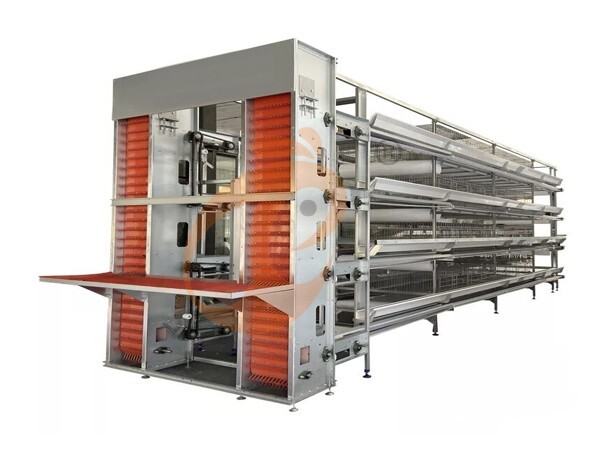
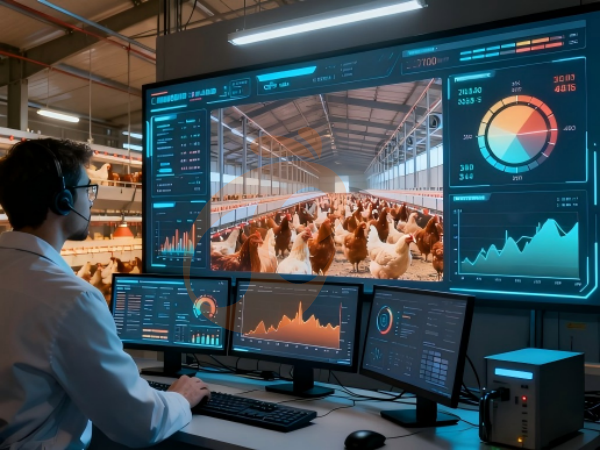
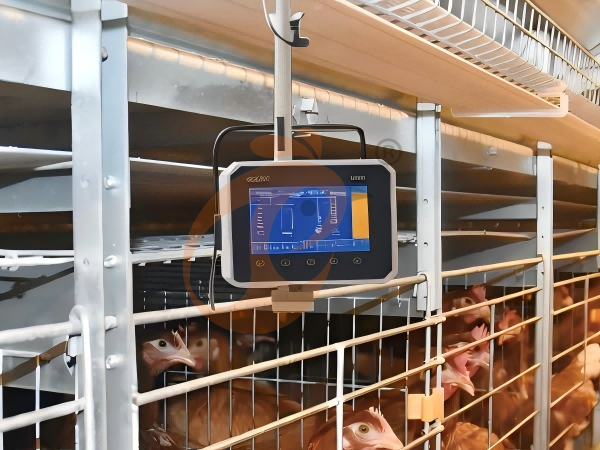
The fully automatic H-type cage integrates all aspects of bird management through computerized controls.
Its vertical design allows for 50% more birds in the same floor space. It offers precise control over temperature, humidity, ventilation, and lighting to optimize egg production year-round.
1. Fully automatic H-type system parameters
The environmental control capabilities of fully automatic H-type systems enable year-round optimal production conditions regardless of external weather conditions.
The precise feed management system can reduce waste by up to 12% compared to semi-automatic systems, while the automated manure belts maintain superior air quality by removing waste multiple times daily.
Fully automatic A-type layer battery cage
The fully automatic A-type cage offers complete automation for optimal efficiency.
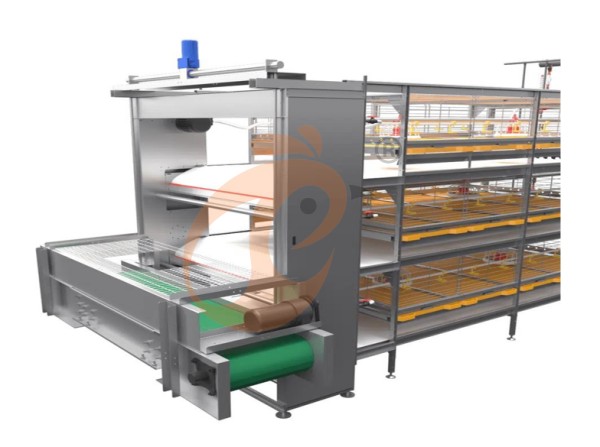
It includes climate control, feeding, watering, egg collection, and manure management, all managed by a central system.
The egg collection system gently transports eggs to avoid breakage.
1. Fully automatic A-type economic analysis
The economic advantages of fully automatic A-type systems become particularly evident in large-scale operations where labor costs and production efficiency significantly impact profitability.
The reduced breakage rates and improved egg quality also command premium prices in specialty markets.
Practical application and farming considerations
Implementing modern layer battery cages requires careful planning and consideration of both technical specifications and farming practices.
The choice between systems should be based on operation scale, available investment capital, labor costs, and market requirements.
For operations with 5,000-20,000 birds, semi-automatic systems often provide the best balance between investment and automation benefits.
Farms with 20,000-100,000 birds typically benefit from fully automatic systems.
Operations exceeding 100,000 birds should consider high-density H-type configurations for maximum space utilization.
Housing system comparison guide
Environmental control guidelines
Environmental control remains critical regardless of system type.
Proper ventilation should maintain ammonia levels below 25 ppm, carbon dioxide below 3,000 ppm, and relative humidity between 50-70%.
Temperature should be maintained between 20-24°C for optimal production, as temperatures above 27°C can reduce feed consumption and egg production.
Lighting programs should provide 14-16 hours of light per day at an intensity of 10-20 lux, gradually increasing during the growth period to stimulate proper sexual maturity.
Nutritional requirements vary with production phase, with layer diets typically containing 16-18% protein, 3.5-4.0% calcium, and 0.4-0.5% available phosphorus.
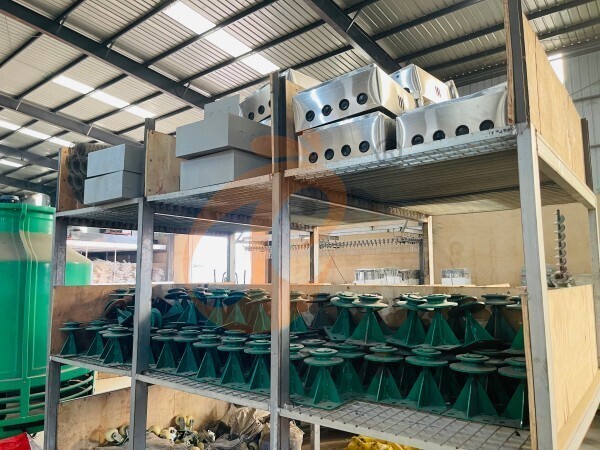
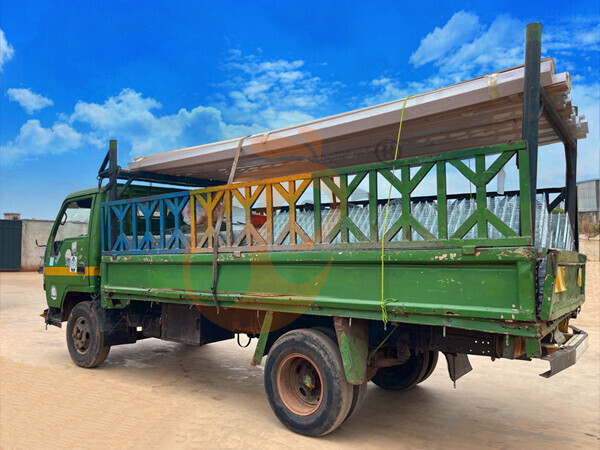
Packaging, shipping and installation
1. Full or less container from China branch by sea.
2. Local warehouse from branches of Ethiopia, Tanzania and Nigeria.
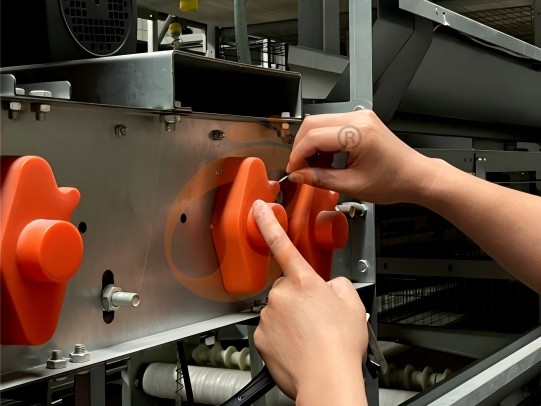
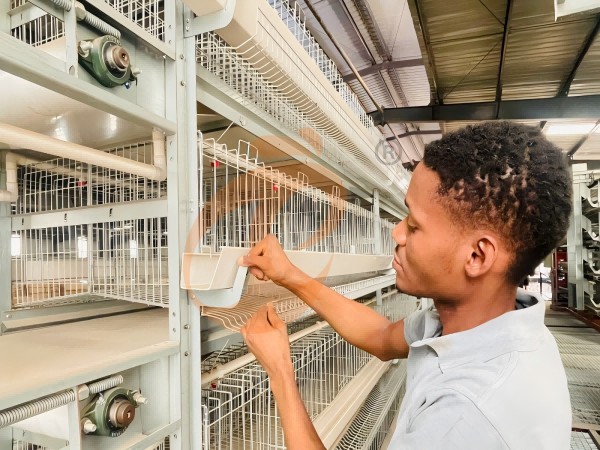
3. Engineers with rich project experience are available to serve you at any time.
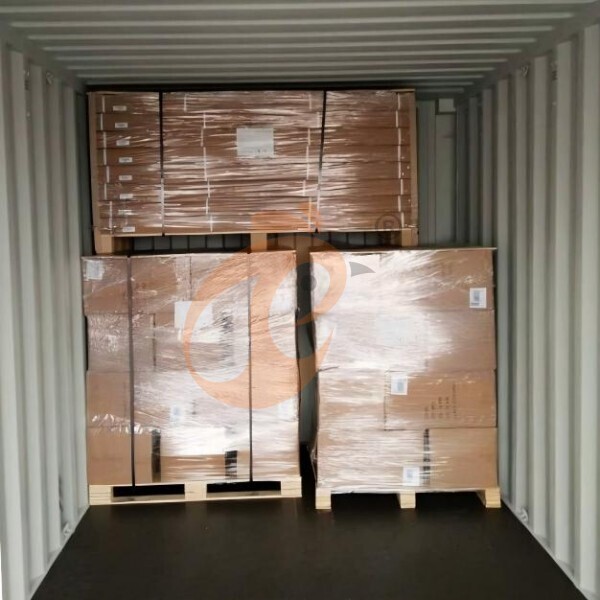
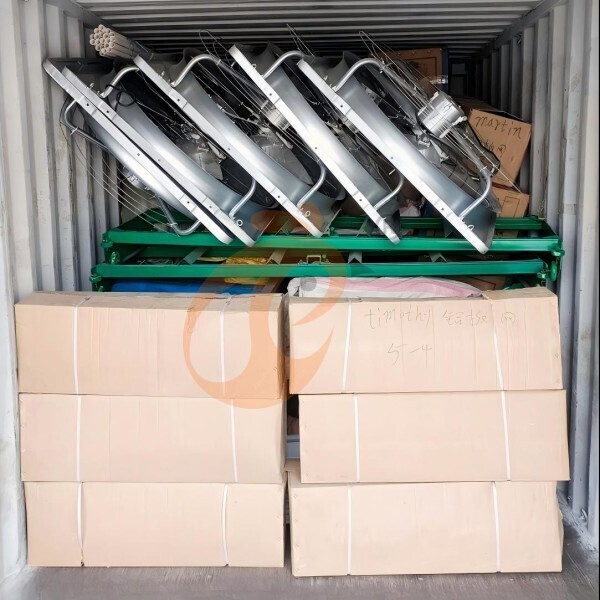
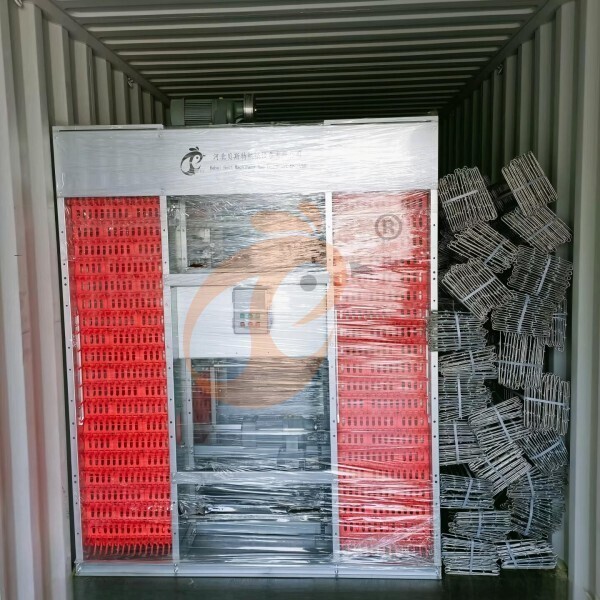
Tips of selecting battery cage and poultry farm equipment
For reference only, it depends on your actual demands and situation of your poultry farm.
Contact Us
For fast response, feel free to contact us directly via WhatsApp at +8618830120193, please provide the following information:
Your full name
Phone number (including WhatsApp ID)
Email address
Equipment you're interested in (poultry farm turnkey project, chicken cages, name of poultry farm equipment.)
Product categories
Certified





Tag
- battery cage
- battery cage system
- poultry farm
- layer cages
- chicken cage
- layer cage
- automatic chicken cage
- poultry cage
- cage
- poultry farm equipment
- layer battery cage
- chicken cage system
- layer battery cage system
- egg collection system
- battery cages
- chicken cages
- broiler chicken cage
- automatic chicken cage system
- cage system
- cage systems
- layer chicken cage
Message
Products recommended
 >30,000 Pullets Automatic H Type Battery Cage1. More than 30,000 pullets a house, choose it.
2. It is designed to rearing older than 1 day old pullets to 12 to 16 weeks old chicken starting laying eggs.
3. Its lifespan is more than 25 years.
4. Its structure are Vcloud artificial intelligent fusion, electric control cabinet, automatic equipment of drinking, feeding, manure clean, manual harvesting.
5. Our 24 hour online reception What’sApp NO. is +8618830120193 <30,000 Pullets Automatic A Type Battery Cage1. 10,000 to 30,000 pullets a house, choose it.
2. It is designed to rearing older than 1 day old pullets to 12 to 16 weeks old chicken starting laying eggs.
3. Its lifespan is more than 25 years.
4. Its structure are Vcloud artificial intelligent fusion, electric control cabinet, automatic equipment of drinking, feeding, manure clean, manual harvesting.
5. Our 24 hour online reception What’sApp NO. is +86 18830120193. >30,000 Broilers Semi-Automatic Harvest H Type Battery Cage1. More than 30,000 broilers a house, choose it.
2. It is designed to rearing 1 to 45 day old adult broiler ready for market.
3. Its lifespan is more than 20 years.
4. Our 24 hour online reception What’sApp NO. is +8618830120193, +234 8111199996. >30,000 Broilers Manual Harvest H Type Battery Cage1. More than 30,000 broilers a house, choose it.
2. It is designed to rearing 1 to 45 day old adult broiler ready for market.
3. Its lifespan is more than 20 years.
4. Its structure are Vcloud artificial intelligent fusion, electric control cabinet, automatic equipment of drinking, feeding and manure clean, manual harvesting.
5. Our 24 hour online reception What’sApp NO. is +8618830120193, +234 8111199996. <30,000 Broilers Manual Harvest A Type Battery Cage1. Less 30,000 broilers a house, choose it.
2. It is designed to rearing 1 to 45 day old adult broiler ready for market.
3. Its lifespan is more than 20 years.
4. Its structure are Vcloud artificial intelligent fusion, electric control cabinet, automatic equipment of drinking, feeding and manure clean, manual harvesting.
5. Our 24 hour online reception What’sApp NO. is +8618830120193, +234 8111199996. HK Headquarter Offers EU-standard Poultry Farm Solutions, Manufacture Poultry Farm Equipment1. Continuous communication with the EU and the US
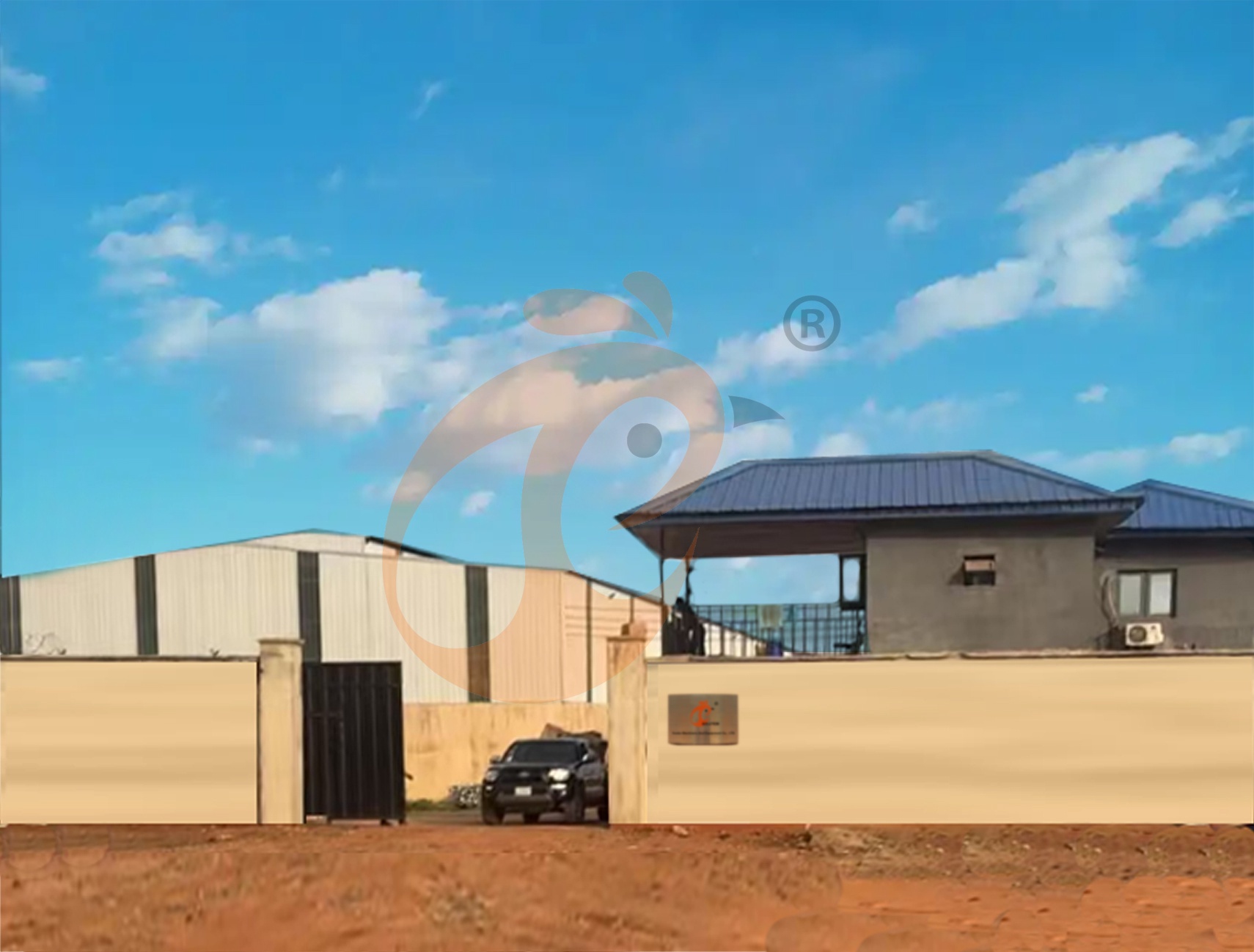
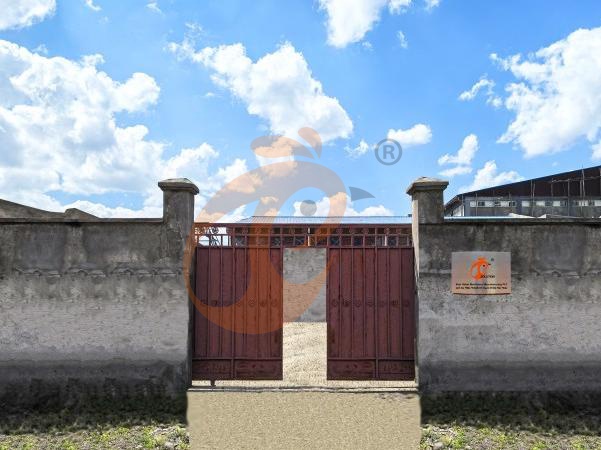
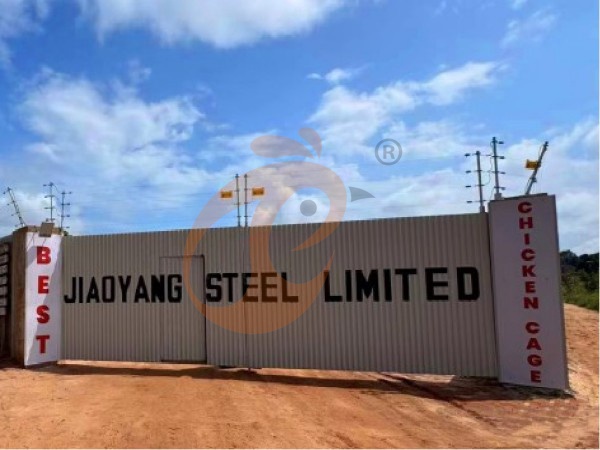
2. China, Nigeria, Ethiopia, Tanzania branch companies and factories
3. The products’ quality is customized for local poultry farms
4. Poultry cage and poultry farm equipment stock for sale
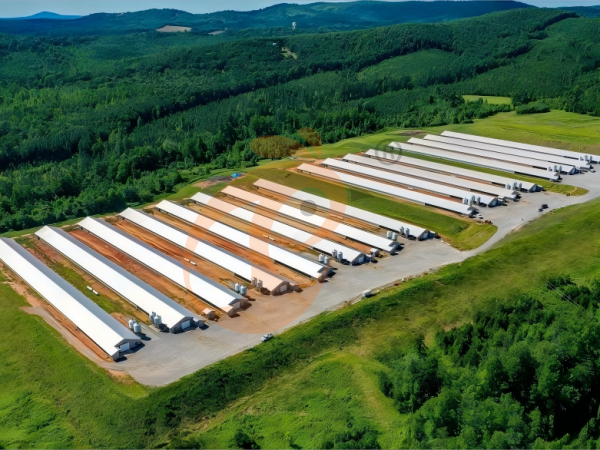
5. 24 online reception Whatsapp NO. : +8618830120193,contact us to get full information China Branch Offer Poultry Farm Business Plan, Manufacture Poultry Farm Equipment1. Address: Flat/RM 2416, 24/F, Runxing Building, Youyi Nan Street, Shijiazhuang City, Hebei Province, China
2. Poultry cage and poultry farm equipment factory and stock for sale
3. Customized for local poultry farms
4. Quality and design are based on Euro
5. 24 online reception Whatsapp NO. : +8618830120193 Nigeria Branch Offer Poultry Farm Business Plan, Manufacture Poultry Farm Equipment1. Address: After Sinoma Office, 200 Meters Near Danco Filling Station, Lagos/Ibadan Expressway, Lagos State, Nigeria
2. Poultry cage and poultry farm equipment factory and stock for sale
3. Customized for Nigerian poultry farms
4. Quality and design are based on Euro
5. 24 online reception Whatsapp NO. : +8618830120193 Ethiopia Branch Offer Poultry Farm Business Plan, Manufacture Poultry Farm Equipment1. Address: Gelan Gura, Akaki-kaliti Sub City, Addis Ababa, Ethiopia
2. Poultry cage and poultry farm equipment stock for sale
3. Customized for Ethiopian poultry farms
4. Quality and design are based on Euro
5. 24 online reception Whatsapp NO. : +8618830120193, contact us to get price list Tanzania Branch Offer Poultry Farm Business Plan, Manufacture Poultry Farm Equipment1. Address: No.8, Sova Road, Msufini, Mlandizi, Kibaha, Pwani, Tanzania
2. Poultry cage and poultry farm equipment factory and stock for sale
3. Customized for Tanzanian poultry farms
4. Quality and design are based on Euro
5. 24 online reception Whatsapp NO. : +8618830120193

Contact